
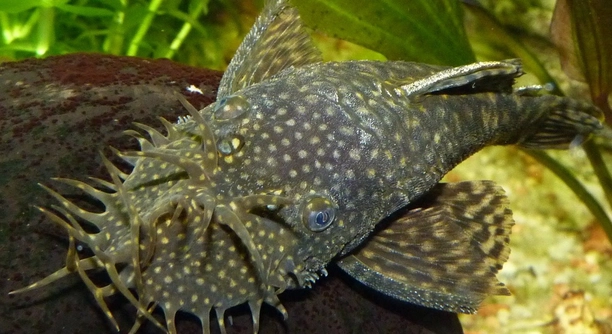
Are your plecos showing signs of slow bristle growth despite proper care and diet? Many aquarists face this issue, noticing that even mature males fail to develop the distinctive bristles that indicate health and vitality in these fish.
Pleco bristle growth is influenced by a combination of genetics, diet, water quality, stress levels, tank environment, age, and overall health. Each factor plays a crucial role in stimulating or hindering the development of bristles, and addressing these elements is essential for normal growth.
Understanding these causes can help you make informed adjustments to your tank and care routine to support your pleco’s natural development.
Poor Water Quality
Maintaining clean water is essential for your pleco’s health and bristle growth. High levels of ammonia, nitrites, or nitrates can stress fish, slowing their development. Regular water changes and proper filtration help keep the tank stable. Monitoring pH, hardness, and temperature ensures the environment matches their natural habitat. Uneven water parameters may not only stunt bristle growth but also reduce immune system efficiency. Even minor fluctuations in water quality can cause subtle stress that accumulates over time, leading to slower physical development. Providing a well-oxygenated tank and avoiding overcrowding supports overall health. Incorporating live plants and hiding spots creates a stable microenvironment that reduces stress and encourages natural behaviors. Observing your pleco’s response to water changes can guide adjustments. Tracking water parameters weekly prevents long-term problems. Consistency is more important than perfection, and small, regular maintenance steps can dramatically improve bristle growth. Over time, these habits support both health and appearance.
Monitoring water quality regularly is key to spotting issues early. Small adjustments can make a significant difference in growth.
Plecos respond best to stable, clean water that mimics their natural habitat. Sudden shifts in temperature, pH, or chemical levels can halt bristle development. Filtration and aeration maintain oxygen levels and remove toxins, while regular partial water changes keep nitrate levels low. Providing a spacious tank reduces stress and allows natural movement. Observing behavior, appetite, and coloration helps indicate overall health. Stress from poor water can lead to disease, which further inhibits bristle growth. Combining proper water management with a nutritious diet enhances physical development and encourages males to grow prominent bristles.
Inadequate Diet
A diet lacking essential nutrients can prevent plecos from developing full bristles. They need a balance of protein, fiber, and vitamins.
Feeding a mix of vegetables, algae wafers, and occasional protein sources ensures proper nutrition.
Plecos require foods rich in vitamin C, calcium, and carotenoids to support bristle growth and overall health. Vegetables like zucchini, cucumber, and spinach provide fiber and micronutrients, while algae wafers supply consistent nutrition. Occasional protein from shrimp or bloodworms adds amino acids that support tissue development. Avoid overfeeding, as leftover food can pollute the tank and harm water quality. Monitoring appetite and observing growth patterns helps determine if dietary adjustments are needed. A consistent feeding schedule reduces stress and supports metabolism. Over time, a varied and nutrient-rich diet encourages bristle formation while maintaining general health. Regularly changing food types introduces different nutrients, stimulating growth. Combining proper diet with clean water and minimal stress maximizes the chance for your pleco to develop the characteristic bristles that signal maturity.
Stress and Overcrowding
Stress from too many tank mates or frequent disturbances can slow bristle growth. Plecos need space and quiet areas to feel secure.
Overcrowding increases competition for food and territory, leading to stress that directly affects physical development. Aggressive tank mates can chase or harass plecos, making them retreat and expend energy on avoidance rather than growth. Providing hiding spots, caves, or dense plants allows your pleco to rest safely and reduces stress levels. Even subtle disturbances, such as frequent tapping on the glass or sudden lighting changes, can impact their comfort. A calm environment supports natural behaviors and encourages bristle formation over time. Observing interactions within the tank helps identify stress triggers and adjust conditions.
A stable social environment is important. Limiting tank mates and ensuring plenty of hiding spots gives plecos space to develop naturally without unnecessary stress.
Plecos under stress may refuse food, lose color, or become lethargic. These behaviors signal that adjustments are needed to improve living conditions. Regular monitoring of behavior and ensuring proper tank size prevents chronic stress. Providing environmental enrichment, such as driftwood and plant cover, encourages exploration and reduces tension. Controlling noise, vibration, and sudden lighting changes also promotes a calmer atmosphere. Stress management combined with proper nutrition and water quality creates ideal conditions for bristle development. Gradual improvements in the environment can have a noticeable impact on growth and overall health.
Age and Genetics
Younger plecos may simply not be mature enough to grow prominent bristles.
Genetic factors influence bristle size, shape, and growth rate. Some species or individual males naturally develop less pronounced bristles than others, even under ideal conditions. Understanding your pleco’s species and genetic background helps set realistic expectations. Providing optimal care accelerates development, but genetics ultimately determine the maximum potential.
Age also affects growth speed. Plecos typically reach full bristle development at two to three years. Males older than three may still grow new bristles, but changes occur more slowly. Maintaining excellent diet, water quality, and a stress-free environment throughout their life supports continued bristle formation. Recognizing the limits set by genetics and age can prevent unnecessary worry. Observing gradual improvements, rather than expecting rapid changes, aligns care practices with natural growth patterns. Balancing expectations with proper husbandry ensures your pleco thrives physically and maintains healthy bristle development over time.
Inadequate Lighting
Plecos need moderate lighting to maintain their natural rhythms. Poor lighting can affect feeding habits and overall health, indirectly slowing bristle growth.
Too much direct light can cause stress and reduce activity. Providing shaded areas or subdued lighting helps plecos feel secure and supports normal development.
Hormonal Imbalance
Hormonal changes in male plecos are essential for bristle growth. Low hormone levels can delay or reduce the development of bristles.
Hormonal imbalances often stem from poor diet, stress, or environmental issues. Ensuring proper nutrition, stable water conditions, and minimal stress encourages healthy hormonal function. Regular observation and care adjustments help maintain natural growth patterns and physical health.
Disease and Parasites
Illnesses or parasites can directly affect bristle development. Infected plecos may stop growing bristles while diverting energy to fight the problem.
Prompt diagnosis and treatment are necessary. Quarantining sick fish and providing medications as needed prevent further harm and restore healthy development.
FAQ
Why isn’t my pleco growing bristles even though it’s an adult male?
Even adult males may show delayed or limited bristle growth due to genetics, age, or environmental factors. Some species naturally have smaller or less noticeable bristles. Ensuring clean water, a nutritious diet, and minimal stress will support the growth that is possible for your fish.
Can stress really affect bristle growth?
Yes. Stress from overcrowding, aggressive tank mates, or sudden changes in water parameters can slow or halt bristle development. Plecos under constant stress may hide more, eat less, and divert energy away from growth. Creating a calm, well-structured tank environment encourages normal bristle formation over time.
Does diet make a difference in bristle development?
Absolutely. Plecos require a balance of vegetables, algae wafers, and occasional protein. Nutrients like vitamin C, carotenoids, and calcium are essential for healthy tissue and bristle formation. Overfeeding or inconsistent feeding can harm water quality, which indirectly affects bristle growth. A varied diet ensures all nutritional needs are met.
How does water quality impact bristle growth?
Poor water quality stresses plecos and slows physical development. High ammonia, nitrites, or nitrates, unstable pH, and fluctuating temperatures interfere with natural growth processes. Regular water changes, proper filtration, and consistent monitoring create an environment that supports healthy bristles and overall well-being.
Can lighting influence bristle growth?
Yes. Inadequate lighting disrupts natural behavior, feeding, and activity levels, which indirectly affects bristle development. Bright, direct light can stress plecos, while too little light may reduce energy for growth. Providing moderate, consistent lighting with shaded areas helps maintain their natural rhythms.
Do diseases or parasites affect bristle formation?
They can. Illnesses or parasitic infestations divert energy from growth to immune response. A pleco that stops eating or shows abnormal behavior may be sick. Quarantining affected fish, using appropriate treatments, and maintaining clean water prevents further problems and restores healthy development.
Is age a limiting factor for bristle growth?
Yes. Younger plecos may not be mature enough to develop full bristles, while older plecos grow bristles more slowly. Most males show peak development between two and three years. Patience and consistent care are necessary to allow natural growth to occur.
Can genetics determine bristle size?
Genetics play a major role. Some males naturally develop smaller, thinner, or irregular bristles regardless of care. Understanding the species and lineage sets realistic expectations and guides decisions about tank conditions, diet, and overall care to maximize their growth potential.
How can I encourage my pleco to grow bristles faster?
Focus on consistent water quality, balanced nutrition, minimal stress, adequate tank space, and a stable environment. Providing hiding spots and environmental enrichment encourages normal behaviors. Adjusting lighting, monitoring health, and maintaining a varied diet supports optimal bristle growth over time.
Should I be concerned if my pleco’s bristles are uneven or sparse?
Not always. Uneven growth can result from minor stress, injury, or natural variation. However, persistent irregularities may indicate nutritional deficiencies, water issues, or disease. Monitoring your pleco and making gradual adjustments ensures a healthier environment and improves the chances of fuller bristle development.
How long does it take for bristles to grow fully?
Growth rates vary depending on species, age, genetics, and environmental factors. Typically, bristles begin to appear in young males around one year old and reach full maturity between two and three years. Maintaining optimal conditions ensures the process occurs at the fastest natural rate.
Can multiple male plecos in one tank affect bristle growth?
Yes. Male plecos can compete for territory, causing stress that reduces bristle growth. Providing enough space, hiding areas, and visual separation helps reduce tension. Limiting the number of males or carefully monitoring interactions promotes a calmer environment and encourages normal development.
Are there signs that bristle growth is returning to normal after issues?
Gradual changes in bristle length, thickness, and symmetry indicate improvement. Increased activity, healthy appetite, and bright coloration accompany renewed growth. Observing consistent progress over weeks signals that adjustments in water quality, diet, and environment are effectively supporting development.
Can supplements help with bristle growth?
Certain supplements, like those rich in vitamin C, carotenoids, and calcium, may support tissue development and bristle formation. Use supplements cautiously and as part of a balanced diet. Overuse can harm water quality or fish health. Consistency and moderation are key for positive results.
Is it normal for bristles to shed or shorten occasionally?
Yes, minor wear or shedding can occur due to natural activity, rubbing against surfaces, or minor injuries. Regular observation ensures that changes are not caused by disease or poor conditions. Maintaining a safe, enriched environment minimizes damage and supports healthy regrowth.
Final Thoughts
Plecos are unique fish, and their bristles are an important sign of health and maturity. Not all plecos will develop large, pronounced bristles, as genetics and species play a significant role. Some males may grow only small or sparse bristles despite perfect care, and this is normal. It is important to focus on overall well-being rather than solely on appearance. Consistent care, including clean water, proper nutrition, and minimal stress, supports both general health and the natural growth of bristles. Observing your pleco regularly allows you to notice changes in behavior, appetite, and physical development, which can indicate if any adjustments are needed in their environment or diet.
Maintaining stable water conditions is one of the most effective ways to promote bristle growth. Regular water changes, proper filtration, and monitoring pH, temperature, and hardness create a healthy environment. Stress from overcrowding or aggressive tank mates can significantly hinder development, so providing enough space, hiding spots, and quiet areas is essential. Diet also plays a major role. Plecos require a balanced combination of vegetables, algae wafers, and occasional protein to supply the nutrients necessary for tissue growth. Vitamins like vitamin C, calcium, and carotenoids are particularly important for bristle formation. Overfeeding or neglecting water quality can counteract the benefits of a good diet, so consistent monitoring is key.
Age and hormonal factors also affect bristle development. Young males may need time to reach maturity before bristles appear, while older males may develop them more slowly. Illness, parasites, or other health issues can temporarily halt growth, making prompt treatment important. Genetics determine the maximum size and density of bristles, so setting realistic expectations is necessary. Even with perfect care, some plecos may never grow very prominent bristles, and this should not be a cause for concern. Focusing on stable, consistent care, a varied diet, and a low-stress environment ensures your pleco remains healthy and can achieve its natural growth potential. Paying attention to subtle changes and making gradual improvements over time will have a meaningful impact on both the fish’s health and bristle development.

Hello,
If you enjoy the content that we create, please consider saying a "Thank You!" by leaving a tip.
Every little bit helps us continue crafting quality advice that supports the health, happiness, and well-being of pets around the world, for pets of all shapes, sizes, and species.
We really appreciate the kindness and support that you show us!