
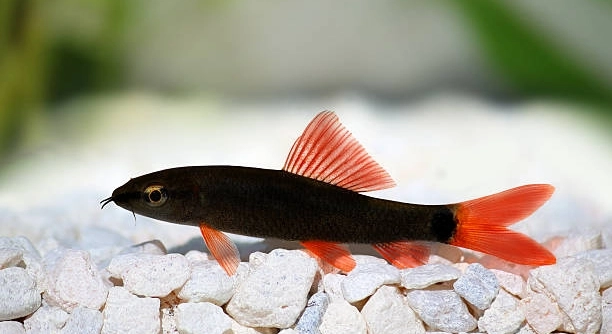
Many aquarium owners enjoy keeping rainbow sharks for their bright colors and active behavior. It is important to know when these fish are feeling unwell or simply stressed. Recognizing the difference helps maintain a healthy tank environment.
Distinguishing sickness from stress in rainbow sharks involves observing physical signs, behavior changes, and environmental factors. Sick fish often display visible symptoms like spots or fin damage, while stressed fish show temporary changes in activity or color without physical deterioration.
Knowing how to identify these signs can improve your fish’s care and well-being. This article will help you better understand what your rainbow shark is experiencing.
Changes in Color and Appearance
When a rainbow shark is stressed or sick, its colors can change noticeably. A healthy rainbow shark has bright, vibrant colors, especially the red fins and dark body. Stress can cause the colors to fade or look dull. Illness may bring spots, lesions, or cloudy eyes. Sometimes, the fins may appear torn or ragged if the fish is sick. It’s important to observe your fish closely for any sudden color changes or physical damage. These changes often indicate that something is wrong in the tank environment or with the fish’s health.
Color changes can be subtle, so regular observation is necessary. Dull colors alone do not always mean illness but should prompt closer inspection.
Stress usually causes temporary fading, while illness leads to lasting damage. Monitoring water quality and tank conditions can help prevent these problems before they worsen.
Loss of Appetite
Loss of appetite is a common sign of trouble in rainbow sharks. Sick or stressed fish may refuse food or eat less than usual. If you notice your fish is ignoring meals or spitting out food, it may be a sign of illness or discomfort. Appetite loss can be linked to poor water conditions, disease, or stress from tank mates. When your rainbow shark stops eating, it’s essential to check the environment and water parameters first. Sometimes improving water quality or adjusting tank setup can help restore appetite quickly. If the problem continues, consulting a specialist may be needed. A healthy rainbow shark usually eats regularly and shows interest in food during feeding times.
Unusual Swimming Behavior
Rainbow sharks normally swim actively near the bottom or sides of the tank. When stressed or sick, they might swim erratically, hover near the surface, or hide more than usual. These behaviors signal discomfort or health issues.
Erratic swimming, such as darting or spinning, often points to stress or water quality problems. If your rainbow shark is lethargic and stays at the tank’s bottom, it may be sick. Hiding for long periods can also indicate illness or bullying from tank mates. Observing where and how your fish swims helps you catch problems early. Adjusting tank conditions or separating aggressive fish can improve your rainbow shark’s well-being.
Changes in swimming patterns usually happen before visible symptoms appear. Acting quickly by testing water and monitoring fish behavior can prevent serious illness.
Clamped Fins
Clamped fins happen when a rainbow shark holds its fins close to its body instead of spreading them out. This is often a sign of stress or illness. If you see clamped fins, check water quality immediately.
Clamped fins may result from poor water conditions, such as high ammonia or low oxygen levels. It can also indicate internal infections or parasites. Sometimes sudden changes in temperature or new tank mates cause this reaction. Clamped fins reduce the fish’s ability to swim properly, which adds to its stress. Providing a stable environment and treating infections promptly will help the fins return to normal. Frequent observation of fin condition is necessary to catch issues early and avoid long-term damage.
Rapid Gill Movement
Rapid gill movement means your rainbow shark is breathing faster than normal. This can be a sign of stress or poor water quality. It shows the fish is struggling to get enough oxygen.
If rapid gill movement continues, it might indicate illness or toxic water. Testing water parameters like ammonia and oxygen levels is important. Fixing these issues quickly will help your fish recover.
Scratches and Sores
Scratches, sores, or white spots on the body usually point to infections or injuries. These signs are clear indicators of sickness.
Regularly checking your rainbow shark for wounds helps catch diseases early and prevents serious problems.
Hiding More Than Usual
Rainbow sharks naturally like to hide sometimes, but excessive hiding suggests stress or illness. It can mean your fish feels unsafe or uncomfortable in its environment.
FAQ
How can I tell if my rainbow shark is stressed or sick?
Stress and sickness can show similar signs like color fading and hiding. However, stress often causes temporary behavior changes without physical damage. Illness usually brings lasting symptoms such as sores, fin damage, or constant lethargy. Watching your fish’s behavior closely over time helps identify the cause. Also, test your water regularly since poor conditions cause both stress and sickness.
What should I do if my rainbow shark is hiding a lot?
Hiding can mean the fish feels unsafe or is unwell. First, check the tank environment for aggressive tank mates or poor water quality. Make sure there are enough hiding spots but also open space for swimming. Improving water conditions and removing threats usually encourages your fish to come out more. If hiding continues for many days, consider consulting an aquatic vet.
Can poor water quality cause stress in rainbow sharks?
Yes, poor water quality is a major cause of stress. High ammonia, nitrite, or nitrate levels can harm fish health. Low oxygen levels or sudden temperature changes also stress fish. Regular testing and water changes keep conditions stable and reduce stress risks. Using a good filtration system and avoiding overcrowding helps maintain a healthy tank.
How often should I check my rainbow shark for signs of illness?
Daily or every time you feed your fish is a good habit. Look for changes in color, appetite, swimming behavior, and physical appearance. Early detection makes treatment easier and more effective. Regular observation also helps you spot tank problems before they affect your fish.
What are common illnesses in rainbow sharks?
Common problems include fin rot, ich (white spot disease), and bacterial infections. These illnesses show symptoms like ragged fins, white spots, and ulcers. Parasites can also cause rapid gill movement and lethargy. Early treatment with proper medication and tank care usually cures these illnesses.
Is it normal for a rainbow shark to change color sometimes?
Yes, slight color changes happen naturally due to mood or lighting. Stress or illness cause more dramatic and lasting color loss. If colors fade quickly or your fish looks dull for days, it may be a warning sign. Improving water quality and reducing stress usually helps restore vibrant colors.
Should I isolate a sick rainbow shark?
Isolating a sick fish can prevent disease spread and reduce stress. Use a separate quarantine tank with similar water conditions. This helps monitor treatment and recovery closely. However, avoid isolation if the fish is very stressed by changes; in such cases, improving the main tank environment might be better.
Can diet affect my rainbow shark’s health?
A balanced diet is important for immune health and stress resistance. Rainbow sharks need varied foods, including flakes, pellets, and occasional live or frozen treats. Poor diet weakens fish and makes them more prone to illness. Feeding small amounts regularly and avoiding overfeeding supports good health.
How do tank mates impact rainbow shark stress levels?
Aggressive or overly active tank mates can stress rainbow sharks. These fish prefer peaceful companions and enough space to swim. Overcrowding also causes competition for food and hiding spots, increasing stress. Choose compatible fish and provide adequate tank size to keep your rainbow shark calm and healthy.
When should I seek professional help for my rainbow shark?
If symptoms worsen despite improved care or medication, consult an aquatic vet. Serious infections, parasites, or injuries may require expert diagnosis and treatment. Also seek help if you are unsure about symptoms or water testing results. Early professional advice can save your fish’s life.
Knowing how to tell if your rainbow shark is sick or just stressed is important for keeping your fish healthy. These fish show signs in their behavior and appearance when something is wrong. Stress often causes changes like hiding, dull colors, or clamped fins, but these can improve when conditions get better. Illness usually brings more serious symptoms, such as sores, fin damage, or loss of appetite, that don’t go away on their own. By paying close attention to your fish and the tank environment, you can spot problems early and take action.
Keeping the water clean and stable is key to preventing stress and sickness. Regular water testing and changes help keep harmful chemicals low and oxygen levels high. Avoid overcrowding your tank and choose peaceful tank mates to reduce stress. Providing hiding spots and a balanced diet also supports your rainbow shark’s health. If you notice any unusual signs, check the water first and then look for physical symptoms on the fish. Many issues can be fixed by improving tank conditions before they become serious.
If your rainbow shark shows clear signs of illness or if stress symptoms do not improve, consider seeking advice from a fish health expert. Early treatment is important to prevent problems from worsening. Remember, healthy fish need proper care, clean water, and a calm environment. Watching your rainbow shark carefully and acting quickly will help ensure it stays vibrant and active in your aquarium for a long time. Taking these steps can make all the difference in the well-being of your fish.

Hello,
If you enjoy the content that we create, please consider saying a "Thank You!" by leaving a tip.
Every little bit helps us continue crafting quality advice that supports the health, happiness, and well-being of pets around the world, for pets of all shapes, sizes, and species.
We really appreciate the kindness and support that you show us!