
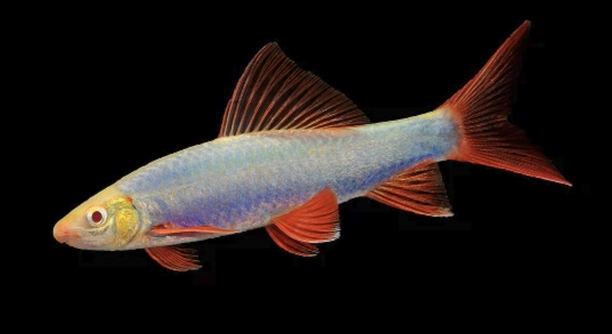
Rainbow sharks are popular freshwater fish known for their vibrant colors and active behavior. Many fish owners enjoy keeping them in their tanks but may not realize the risks of overfeeding. Proper feeding is essential to maintain their health and well-being.
Overfeeding rainbow sharks can lead to obesity, poor water quality, and digestive problems. These issues can cause stress, illness, and even shorten their lifespan if not addressed promptly and carefully.
Recognizing the signs of overfeeding helps you protect your fish and maintain a healthy aquarium environment. This article will guide you through the common symptoms and what to watch for.
Excessive Appetite and Constant Begging for Food
When a rainbow shark is overfed, one clear sign is its increased appetite. The fish may seem to always be looking for food, swimming eagerly near the surface or following your hand when you approach the tank. This behavior can be confusing because it looks like the fish is still hungry. However, this constant begging is often a result of irregular feeding habits or the fish learning to expect food frequently. Over time, this can lead to unhealthy weight gain and stress on their internal organs. The fish may start refusing to eat regular portions or overconsume when food is given, which disrupts its natural balance. Monitoring feeding schedules and quantities is key to preventing this issue.
Persistent begging for food does not mean the rainbow shark needs more. It often signals an underlying feeding imbalance.
Knowing how to manage feeding habits can keep your rainbow shark healthy and reduce stress-related behaviors.
Visible Weight Gain and Swollen Belly
Overfed rainbow sharks often show visible weight gain or a swollen belly. Unlike a healthy, sleek fish, the overfed rainbow shark may appear rounder or puffier. This can be uncomfortable for the fish and may indicate fat deposits or internal organ strain. Sometimes, a swollen belly can also be mistaken for illness, but overfeeding is a common cause. It’s important to note that a bloated appearance might reduce the fish’s swimming ability and make it more vulnerable to disease. In an aquarium setting, overfeeding can also contribute to poor water quality, as excess food decomposes and increases waste levels. To help your fish stay fit, offer smaller meals more frequently and avoid feeding more than what they can consume in a few minutes. Observing the fish’s body shape regularly helps catch problems early and improve tank conditions.
Lethargy and Reduced Activity
Overfed rainbow sharks tend to become less active. They may spend more time resting at the bottom or hiding rather than swimming around energetically. This change in behavior is often a sign of discomfort or poor health caused by excess food intake.
Lethargy in rainbow sharks can stem from digestive discomfort or increased body weight, which makes movement harder. When the fish is overfed, its metabolism struggles to keep up, and energy levels drop. This causes them to be less playful or responsive to their environment. It’s important to monitor these activity changes closely because they often indicate that the fish’s health is declining. Adjusting feeding habits can help restore their energy and improve their overall wellbeing.
Encouraging regular movement is vital for your rainbow shark’s health. Overfeeding disrupts this balance, so feeding the right amount helps maintain normal activity levels and prevents health issues.
Poor Water Quality and Its Effects
Overfeeding directly impacts water quality in your tank. Excess food that isn’t eaten decomposes, releasing harmful substances like ammonia and nitrates. These waste products quickly build up, stressing the fish and encouraging the growth of harmful bacteria or algae. Poor water quality can cause respiratory problems, infections, and even death.
Maintaining clean water is crucial, but overfeeding makes this difficult. Frequent water changes and proper filtration are necessary when overfeeding occurs. However, the best approach is to prevent the problem by feeding appropriate amounts. Feeding your rainbow shark only what it can eat in a few minutes keeps waste low and water clear. This promotes a healthy environment, allowing your fish to thrive and reducing the risk of illness related to poor water conditions.
Faded Colors and Dull Appearance
Overfed rainbow sharks may show faded colors. Their bright, vibrant hues can become dull or washed out, which is often a sign of stress or poor health caused by too much food.
A dull appearance indicates the fish is not thriving. Proper feeding supports their natural colors and overall vitality, so controlling food intake is essential.
Swim Bladder Issues
Overfeeding can cause swim bladder problems in rainbow sharks. This organ controls buoyancy, and excess food may lead to swelling or blockage, making it hard for the fish to swim properly or maintain balance.
Swim bladder issues can cause your fish to float awkwardly or sink to the bottom. These problems often require adjusting diet and feeding habits to help the fish recover.
Increased Waste Production
When rainbow sharks are overfed, they produce more waste. This excess waste contributes to poorer tank conditions and higher maintenance needs.
Keeping feeding amounts appropriate helps reduce waste and keeps the aquarium healthier overall.
FAQ
How often should I feed my rainbow shark?
Feeding your rainbow shark once or twice a day is usually enough. Give only what they can eat within about two to three minutes. Overfeeding often happens when extra food is left uneaten, so keeping portions small helps prevent health issues and maintains water quality.
What types of food are best for rainbow sharks?
Rainbow sharks do well with a balanced diet of pellets, flakes, and occasional live or frozen foods like bloodworms or brine shrimp. This variety supports their nutritional needs without overloading them. Avoid feeding too many fatty or heavy foods, as these can cause digestive problems.
What are the signs of overfeeding to watch for?
Look for constant begging for food, visible weight gain, lethargy, and faded colors. A swollen belly or swim bladder problems are also common. Poor water quality from excess waste can make your fish stressed or sick, so regular tank checks are important.
Can overfeeding cause diseases in rainbow sharks?
Yes, overfeeding increases waste in the tank, raising ammonia and nitrate levels, which harm fish health. It also stresses their digestive system, making them prone to infections, swim bladder disease, and other illnesses. Keeping food amounts in check helps prevent these problems.
What should I do if my rainbow shark shows signs of overfeeding?
Start by reducing feeding amounts and frequency. Perform regular water changes to improve water quality and remove excess waste. If swim bladder issues appear, avoid feeding for a day or two to help clear their system. Observing your fish closely helps catch problems early.
How can I improve water quality if overfeeding has occurred?
Increase water changes and clean the filter more often to remove harmful chemicals and debris. Test the water regularly for ammonia, nitrites, and nitrates. Lowering feeding amounts is the best long-term solution, as it prevents excess waste from building up.
Is it better to feed small amounts more often or one big meal?
Feeding smaller amounts two times a day is better. It mimics their natural feeding habits and reduces waste. One big meal can overwhelm their digestion and cause leftover food to pollute the water. Consistency helps your rainbow shark stay healthy.
Can rainbow sharks go without food for a day or two?
Yes, rainbow sharks can safely skip a day or two of feeding, especially if they are overfed. This break can help clear their digestive system and reduce swim bladder problems. However, avoid long fasting periods as it can weaken them.
How can I tell if my rainbow shark is underfed instead of overfed?
An underfed rainbow shark may appear thin, lose color, or be less active due to lack of energy. They might also beg for food constantly, but in this case, weight loss is noticeable. Monitoring their body shape and behavior helps distinguish between the two.
What role does tank size play in feeding rainbow sharks?
A larger tank dilutes waste better, so occasional overfeeding may cause fewer problems than in a small tank. However, overfeeding in any tank size still risks poor water quality and health issues. Proper portion control is important regardless of tank volume.
How do I prevent overfeeding in a community tank?
Feed the rainbow shark separately if possible or use feeding rings to control where food goes. Observe feeding times to ensure all fish get enough but not too much. Removing uneaten food quickly helps keep the tank clean and reduces overfeeding risks.
Are there any natural behaviors related to feeding that I should know?
Rainbow sharks are active foragers and may appear hungry often. This natural behavior can make overfeeding tempting. Understanding their needs and sticking to proper feeding routines helps balance their health with their natural instincts.
What adjustments should I make if I notice overfeeding signs?
Cut back feeding to smaller portions and increase tank maintenance, including water changes and filter cleaning. Keep a close eye on your fish’s behavior and appearance, and consult a vet if health worsens. Early action improves chances for a quick recovery.
Overfeeding your rainbow shark is a common mistake that can lead to several health problems. It is important to feed your fish the right amount of food to keep it healthy and active. Paying attention to signs like constant begging, weight gain, and lethargy can help you catch overfeeding early. Making small changes in feeding habits can make a big difference in your fish’s well-being. Feeding only what the fish can eat in a few minutes reduces waste and keeps the tank cleaner. This not only helps your fish but also makes tank maintenance easier for you.
Water quality is directly affected by how much you feed your rainbow shark. Leftover food breaks down and increases harmful substances in the water. These can stress your fish and cause illness. Regular water changes and proper filtration are necessary to keep the tank healthy, but the best way to avoid problems is to prevent overfeeding in the first place. Observing your fish closely and adjusting feeding amounts when needed will keep the tank environment balanced. When your rainbow shark has a clean and stable home, it will live longer and show brighter colors.
Taking care of your rainbow shark involves more than just feeding it daily. Learning to recognize the signs of overfeeding and understanding the effects it has on your fish will help you provide better care. Small steps like feeding smaller portions, improving water quality, and monitoring behavior go a long way in maintaining a healthy aquarium. Keeping your rainbow shark healthy means you can enjoy its beauty and lively personality for years to come. Being mindful of feeding habits protects your fish and ensures your aquarium remains a pleasant and thriving place.

Hello,
If you enjoy the content that we create, please consider saying a "Thank You!" by leaving a tip.
Every little bit helps us continue crafting quality advice that supports the health, happiness, and well-being of pets around the world, for pets of all shapes, sizes, and species.
We really appreciate the kindness and support that you show us!