
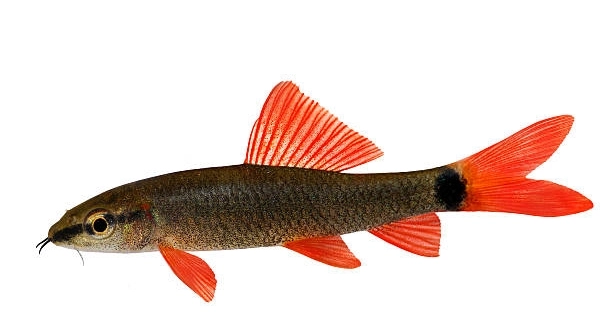
Rainbow sharks are popular freshwater fish known for their striking colors and active nature. Keeping them healthy requires proper nutrition, but signs of dietary issues can sometimes be subtle. Knowing what to look for helps maintain their well-being and vibrancy.
Nutritional deficiencies in rainbow sharks often show through physical and behavioral changes such as dull coloration, reduced activity, slow growth, and abnormal swimming patterns. Monitoring these signs is essential for early intervention and ensuring a balanced diet.
Recognizing these indicators early can prevent serious health problems and improve your rainbow shark’s quality of life in your aquarium.
Signs of Dull or Faded Coloration
Rainbow sharks are known for their bright, vibrant colors. When their diet lacks essential nutrients, their colors may start to fade or become dull. This change often happens gradually and can be easy to miss if you are not paying close attention. The fish may appear less lively, and the usual bright red or orange fins may lose their intensity. Poor nutrition can affect pigment production, leading to a dull appearance. Along with color changes, the fish might also become less active or spend more time hiding. These signs usually indicate that the fish is not getting enough vitamins or minerals from its diet. Feeding a varied and balanced diet, including high-quality pellets, live or frozen foods, and occasional vegetable matter, can help restore their coloration. Keeping water quality high also supports their health and color recovery.
Changes in color are a clear indicator of nutritional stress, and immediate dietary adjustments are necessary to prevent further health decline.
Regular observation of your rainbow shark’s colors helps catch problems early. Introducing nutrient-rich foods and ensuring a clean environment will support color recovery. Over time, the fish should regain its bright hues if the diet and care improve consistently.
Reduced Activity and Lethargy
Lack of proper nutrition can cause your rainbow shark to become less active or lethargic. This behavior is often one of the first signs that something is wrong. When the fish’s body does not receive enough energy or nutrients, it will conserve energy by slowing down. You might notice the shark resting on the bottom of the tank more often or swimming less vigorously. Prolonged lethargy can lead to weakened immunity, making the fish vulnerable to infections. It’s important to evaluate the diet and feeding schedule to ensure the shark receives enough nutrients. Providing a balanced diet with proteins, fats, vitamins, and minerals is essential. Sometimes, nutritional supplements or varied food sources like brine shrimp or bloodworms can boost energy levels. Alongside diet, maintaining good water quality and stable temperature helps keep the fish active and healthy.
Slow Growth and Weight Loss
Slow growth or weight loss often signals poor nutrition in rainbow sharks. These fish need a consistent supply of proteins and nutrients to grow properly and maintain their body condition. Without these, their development can stall.
Rainbow sharks require high-quality protein sources for healthy growth. Feeding only low-nutrient flakes or pellets can result in insufficient calories and nutrients, causing slow or stunted growth. Younger fish are especially vulnerable because they need extra energy to develop strong muscles and vibrant coloration. Inadequate nutrition also weakens their immune systems, making them more prone to disease. Including live or frozen foods like bloodworms, brine shrimp, or daphnia can provide extra protein and improve overall health. A varied diet ensures your rainbow shark gets essential vitamins and minerals that commercial feeds might lack.
Weight loss in rainbow sharks happens when energy intake is less than energy used. Regularly monitoring body condition and adjusting feeding routines help prevent this. Healthy, balanced feeding supports steady growth and long-term vitality in your fish.
Abnormal Swimming Patterns
Abnormal swimming often results from nutritional deficiencies affecting muscle strength and coordination. Your rainbow shark might swim erratically, float unusually, or struggle to maintain balance in the tank.
Nutritional imbalances can cause muscle weakness, leading to trembling, unsteady movement, or sinking. These symptoms sometimes accompany other signs like lethargy or poor coloration. Deficiencies in key vitamins such as vitamin C and vitamin E impair muscle and nerve function, which are vital for controlled swimming. Ensuring a diet rich in these nutrients is critical. Adding fresh vegetables, spirulina, or specialized supplements to the diet can improve muscle health and coordination. Poor water quality can also worsen swimming problems, so maintaining clean, well-oxygenated water is equally important for recovery.
Correcting nutrition and maintaining tank conditions often restores normal swimming. Prompt attention to these issues prevents further complications and supports your rainbow shark’s overall well-being.
Loss of Appetite
Loss of appetite is a common sign that your rainbow shark may be lacking essential nutrients. When fish feel unwell or stressed due to poor diet, they often eat less or refuse food altogether.
Ignoring this behavior can lead to further health decline. It is important to offer varied foods and monitor feeding habits closely to encourage eating and improve nutrition.
Fin Damage and Tears
Poor nutrition weakens the fins, making them prone to tears, fraying, or damage. Essential fatty acids and vitamins are necessary to maintain fin strength and repair.
If your rainbow shark’s fins look ragged or damaged, improving the diet with nutrient-rich foods and supplements can help restore fin health and prevent infections.
Increased Susceptibility to Disease
A lack of proper nutrition compromises the immune system, making rainbow sharks more vulnerable to illnesses. Poor diet weakens their ability to fight off infections and parasites.
Maintaining a balanced diet with necessary vitamins and minerals strengthens the immune response, reducing the risk of disease outbreaks in your aquarium.
Weight Loss and Emaciation
Progressive weight loss and visible thinning indicate serious nutritional deficiencies. These signs require immediate dietary adjustments and careful monitoring to prevent permanent damage.
How can I tell if my rainbow shark is not getting enough nutrition?
You can spot poor nutrition by watching for physical and behavioral changes. Look for faded colors, sluggish movement, slow growth, and frayed fins. These signs indicate the fish may lack essential vitamins, proteins, or minerals. Appetite loss and abnormal swimming patterns also suggest dietary issues. Regular observation helps catch problems early, allowing you to adjust the diet before serious health declines occur.
What foods should I feed my rainbow shark to ensure proper nutrition?
A balanced diet includes high-quality pellets or flakes formulated for omnivorous fish, supplemented with live or frozen foods such as bloodworms, brine shrimp, and daphnia. Including some vegetable matter like blanched spinach or zucchini can provide necessary fiber and nutrients. Variety is important because different foods supply different vitamins and minerals that support growth, color, and immune health. Feeding small portions multiple times a day prevents overfeeding and nutrient loss.
Why is my rainbow shark losing its bright coloration?
Loss of vibrant colors usually signals a nutritional deficiency, often a lack of vitamins like A, C, or E, or poor protein intake. These nutrients are vital for pigment production and skin health. Dull or faded fins also result from stress or poor water quality, but diet plays a major role. Improving nutrition by offering a varied diet rich in essential vitamins often restores the bright colors over time.
How does nutrition affect my fish’s swimming behavior?
Proper nutrition supports muscle strength and nervous system function, which are critical for controlled swimming. Deficiencies in vitamins and minerals can cause weak muscles, leading to erratic or sluggish movements, difficulty maintaining balance, or floating improperly. These symptoms often appear alongside lethargy and loss of appetite. Feeding nutrient-rich foods and maintaining good water conditions typically improve swimming behavior.
Can poor nutrition cause diseases in rainbow sharks?
Yes, poor nutrition weakens the immune system, reducing the fish’s ability to fight infections and parasites. Deficiencies in vitamins like C and E impair immune responses, increasing the risk of bacterial or fungal diseases. A well-balanced diet supports immune health, helping your rainbow shark resist common illnesses. Along with good nutrition, maintaining clean water and stable tank conditions is essential for disease prevention.
What should I do if my rainbow shark refuses to eat?
Loss of appetite often indicates stress, illness, or poor diet. Start by improving water quality and ensuring tank conditions are stable. Try offering a variety of foods, including live or frozen options, to stimulate interest. Warming the water slightly can sometimes increase appetite. If refusal continues, consult a specialist to rule out disease or other health problems.
How often should I feed my rainbow shark?
Feeding two to three small meals a day is ideal. Rainbow sharks are active and need frequent nutrition, but overfeeding can pollute the tank and cause health problems. Offer only what they can eat within a few minutes and remove excess food promptly. Consistent feeding schedules help regulate metabolism and support steady growth.
Are supplements necessary for rainbow sharks?
Supplements are helpful when diet variety is limited or to correct specific deficiencies. Vitamins C and E are commonly added to boost immune function and support healing. However, if you provide a balanced diet with varied food sources, supplements may not be needed regularly. Always follow dosage recommendations to avoid overdosing, which can harm the fish.
How long does it take for a rainbow shark to recover from poor nutrition?
Recovery time varies depending on the severity of the deficiency and overall health. Mild nutritional issues can improve within a few weeks of dietary correction. More severe cases involving weight loss, fin damage, or illness may take several months and require careful care. Consistent feeding of nutrient-rich foods and stable tank conditions are essential for full recovery.
Can water quality impact nutrition-related health problems?
Poor water quality stresses fish and worsens the effects of nutritional deficiencies. High ammonia, nitrite, or nitrate levels can reduce appetite and weaken the immune system. Even with good nutrition, bad water conditions can prevent recovery and cause additional health issues. Regular water changes, proper filtration, and monitoring are necessary to complement good feeding practices and support fish health.
Proper nutrition is essential for the health and well-being of your rainbow shark. Paying attention to the signs of nutritional deficiency helps you catch problems early before they become serious. Changes such as dull colors, lethargy, slow growth, or fin damage should not be ignored. These signs often indicate that the fish is not getting the right balance of vitamins, minerals, and proteins. By observing your rainbow shark regularly, you can notice subtle differences in behavior or appearance that point to diet-related issues.
Feeding a varied and balanced diet is the most effective way to keep your rainbow shark healthy. Commercial pellets or flakes designed for omnivorous fish provide a solid base, but supplementing with live or frozen foods like bloodworms, brine shrimp, and vegetables ensures the fish gets a full range of nutrients. Avoid feeding only one type of food, as this can lead to deficiencies over time. Small, frequent feedings also help maintain energy levels and prevent overfeeding, which can harm water quality and fish health. In addition to diet, maintaining good water quality and stable tank conditions is critical. Clean water supports digestion, immune function, and overall vitality.
If you notice any signs of nutritional stress in your rainbow shark, it is important to act quickly. Adjusting the diet, improving tank conditions, and monitoring the fish closely can often reverse the negative effects. Recovery may take time, depending on the severity of the problem, so patience is necessary. In cases where health issues persist despite these efforts, consulting a fish health specialist is advisable. Keeping your rainbow shark well-fed and cared for will help ensure it remains a vibrant and active part of your aquarium for years to come.

Hello,
If you enjoy the content that we create, please consider saying a "Thank You!" by leaving a tip.
Every little bit helps us continue crafting quality advice that supports the health, happiness, and well-being of pets around the world, for pets of all shapes, sizes, and species.
We really appreciate the kindness and support that you show us!