
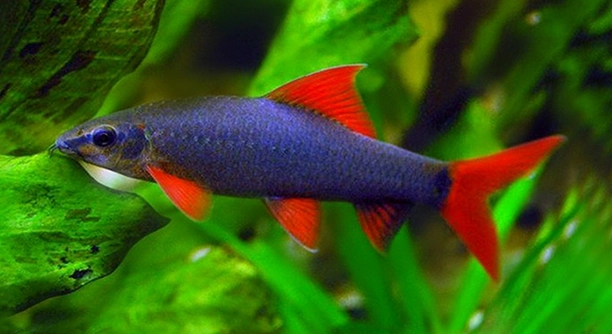
Rainbow sharks are popular aquarium fish known for their vibrant colors and active swimming. Sometimes, they may hide more than usual, which can concern their owners. Understanding why they do this is important for their well-being.
Rainbow sharks tend to hide excessively due to stress, poor water quality, inadequate tank size, lack of hiding spots, aggressive tank mates, illness, or improper diet. Each factor affects their comfort and safety, leading to increased hiding behavior.
Identifying the reasons behind their hiding helps maintain a healthy environment and promotes their natural activity in your aquarium.
Stress and Its Impact on Rainbow Sharks
Stress is a common reason why rainbow sharks hide frequently. Changes in their environment, such as sudden movements, loud noises, or new tank mates, can make them feel unsafe. Stress affects their health by weakening their immune system, making them more vulnerable to diseases. If the tank is overcrowded or lacks enough space, rainbow sharks may feel threatened and retreat to hiding spots. Providing a stable and calm environment reduces their stress and encourages natural behavior. Watching for signs of stress early helps prevent bigger problems and keeps your fish active.
Stress can cause a rainbow shark to stay hidden for long periods. Reducing disturbances and maintaining a peaceful tank environment helps them feel secure.
Monitoring your rainbow shark’s environment and behavior is key. Avoid sudden changes, keep the water conditions stable, and give them plenty of room to swim. Adding plants and decorations creates hiding places without crowding. Regular tank maintenance, like cleaning and water testing, supports their health. Paying attention to how your fish react helps you adjust conditions to reduce stress. A calm, stable tank encourages rainbow sharks to explore more and hide less, improving their overall well-being.
Water Quality and Its Effects
Poor water quality makes rainbow sharks uncomfortable and prone to hiding. Dirty water leads to stress and health issues.
Maintaining clean water with regular testing and changes is essential to keep rainbow sharks active and healthy.
Water quality directly affects your rainbow shark’s comfort and behavior. Ammonia, nitrite, and nitrate levels must be kept low to avoid toxicity. Unstable pH or temperature swings also stress fish, encouraging hiding. Frequent water changes help remove harmful substances and keep parameters steady. Using a good filtration system supports clear, healthy water. Testing water weekly allows early detection of issues before they worsen. Even small changes in water conditions can influence your fish’s mood and activity. Keeping the tank clean and balanced ensures your rainbow shark feels safe and secure, which reduces hiding and promotes natural movement.
Tank Size and Space
A tank that is too small can cause your rainbow shark to hide more. They need enough room to swim freely and establish territory.
Limited space makes rainbow sharks feel cramped and insecure. Crowded tanks increase competition and stress, causing them to retreat to hiding spots. A minimum of 30 gallons is recommended for one rainbow shark to ensure enough room. Larger tanks offer more swimming space and reduce conflicts with other fish. Without enough space, your fish may become lethargic and less visible, spending most of the time in corners or behind decorations.
Proper tank size supports natural behavior and reduces stress-related hiding. Consider the adult size of your rainbow shark and provide an environment that allows movement and comfort. Adequate space also makes it easier to maintain water quality and overall health.
Aggressive Tank Mates
Rainbow sharks often hide when housed with aggressive or territorial fish. Such tank mates can intimidate them and reduce their confidence.
Aggressive fish compete for food, space, and territory, which can push rainbow sharks into constant hiding. It is important to select compatible tank mates that are peaceful or semi-aggressive but not overly dominant. Providing plenty of hiding spots helps reduce conflicts but does not fully solve aggression issues. Observing interactions between species can guide adjustments. Separating aggressive fish or increasing tank size can also ease tension. Your rainbow shark’s comfort and activity level improve when they feel safe from bullying and stress caused by other fish.
A peaceful community tank helps rainbow sharks stay active and visible. Choosing compatible species and managing aggression supports a balanced, calm aquarium environment.
Lack of Hiding Spots
Rainbow sharks need hiding spots to feel secure. Without enough shelters, they may hide excessively out of stress.
Providing caves, plants, and decorations helps them feel safe and reduces constant hiding.
Illness and Hiding
When rainbow sharks are sick, they tend to hide more as a natural response to vulnerability.
Illness weakens their ability to swim actively and interact with the environment. Watch for other symptoms like loss of appetite or discoloration. Timely treatment is important to prevent further health decline. Maintaining clean water and a balanced diet supports their immune system and recovery.
Improper Diet
A poor diet can affect your rainbow shark’s energy and behavior, leading to more hiding.
Feeding a varied diet with high-quality pellets, vegetables, and occasional protein treats keeps them healthy and active.
FAQ
Why does my rainbow shark hide all the time?
Rainbow sharks hide mainly because they feel stressed or unsafe. This can happen due to poor water quality, aggressive tank mates, lack of hiding places, or illness. Providing a stable environment with good water conditions, enough space, and peaceful companions helps them feel secure and more active.
How can I reduce stress for my rainbow shark?
Minimize sudden changes in the tank, avoid loud noises, and keep the environment calm. Make sure the tank is large enough and has plenty of hiding spots. Regular water testing and maintenance also help reduce stress by keeping the water clean and stable.
What tank size is best for a rainbow shark?
A minimum of 30 gallons is recommended for one rainbow shark. This gives enough space for swimming and establishing territory. Larger tanks are better if you want to keep multiple fish or add decorations.
What are good tank mates for rainbow sharks?
Choose peaceful or semi-aggressive fish that are not too small or too aggressive. Avoid very territorial or fin-nipping species. Compatible fish include larger tetras, danios, and some catfish. Watch how they interact and separate aggressive ones if needed.
How often should I change the water in my rainbow shark’s tank?
Perform a 20-25% water change every week or two. This helps keep ammonia, nitrite, and nitrate levels low and maintains good water quality. Testing water parameters regularly will guide you on when changes are needed.
What signs indicate my rainbow shark is sick?
Look for hiding more than usual, loss of appetite, faded colors, clamped fins, or unusual swimming patterns. These can indicate illness or stress. Early detection allows for timely treatment, improving chances of recovery.
What should I feed my rainbow shark?
Feed a balanced diet that includes high-quality sinking pellets, vegetables like zucchini or peas, and occasional protein sources such as bloodworms or brine shrimp. Variety helps keep them healthy and active.
Can overcrowding cause hiding?
Yes, overcrowding causes stress and competition for space and food. This can push rainbow sharks into hiding. Make sure the tank is large enough and avoid keeping too many fish in one tank.
Are decorations important for rainbow sharks?
Yes, decorations provide hiding places and help reduce stress. Plants, caves, and driftwood create safe spots and break up the line of sight between fish, which lowers aggression and promotes natural behavior.
What water parameters are ideal for rainbow sharks?
Rainbow sharks thrive in temperatures between 72-79°F (22-26°C), a pH of 6.5-7.5, and low levels of ammonia and nitrites (ideally zero). Stable water conditions help keep them healthy and reduce hiding due to stress.
How do I know if my rainbow shark is stressed?
Stress signs include frequent hiding, loss of appetite, dull colors, and lethargy. They may also show rapid breathing or unusual swimming patterns. Addressing the cause quickly helps prevent illness.
Is it normal for rainbow sharks to be shy?
They can be shy, especially when new to a tank or if they feel threatened. Providing hiding spots and compatible tank mates helps them feel secure and more confident over time.
Can temperature changes cause hiding?
Yes, sudden or extreme temperature fluctuations stress rainbow sharks and make them hide. Keep the tank temperature stable within the recommended range using a reliable heater and thermometer.
How long can rainbow sharks hide without a problem?
Short periods of hiding are normal, especially when adjusting to a new environment. However, prolonged hiding combined with other symptoms may indicate stress or illness and needs attention.
What can I do if my rainbow shark hides too much?
Check water quality, tank size, tank mates, and diet first. Add hiding spots and reduce stressors. If hiding continues, observe for illness and consult a vet or fish specialist for advice.
These answers cover common concerns and help ensure your rainbow shark feels comfortable and healthy in its home.
Final thoughts on why your rainbow shark may be hiding too much focus on understanding its needs and environment. These fish are naturally shy and can be sensitive to changes in their tank. When they hide a lot, it is often a sign that something in their surroundings is causing discomfort or stress. It is important to look at factors such as water quality, tank size, and the presence of other fish. Making sure these are suitable will help your rainbow shark feel safer and more comfortable. Paying attention to these details supports their well-being and encourages more active behavior.
Creating a stable and calm tank environment is key to reducing hiding behavior. Consistent water temperature, regular cleaning, and proper feeding all play a role. Rainbow sharks need enough room to swim and places to hide when they want privacy. This balance helps them feel secure without becoming overly reclusive. Choosing tank mates that are peaceful and not aggressive also makes a difference. When fish live in harmony, they spend less time hiding and more time exploring their environment. Observing your fish closely can help you notice signs of stress early so you can make necessary changes quickly.
If your rainbow shark continues to hide even after improving tank conditions, it may be dealing with illness or other health issues. Watching for symptoms like loss of appetite or changes in color can guide you to take action. Consulting with an expert or veterinarian can provide solutions for specific problems. Overall, understanding your rainbow shark’s behavior and responding to its needs will promote a healthier and happier fish. Taking time to care for your tank properly benefits both you and your aquatic pet, making the experience more enjoyable for everyone involved.

Hello,
If you enjoy the content that we create, please consider saying a "Thank You!" by leaving a tip.
Every little bit helps us continue crafting quality advice that supports the health, happiness, and well-being of pets around the world, for pets of all shapes, sizes, and species.
We really appreciate the kindness and support that you show us!