
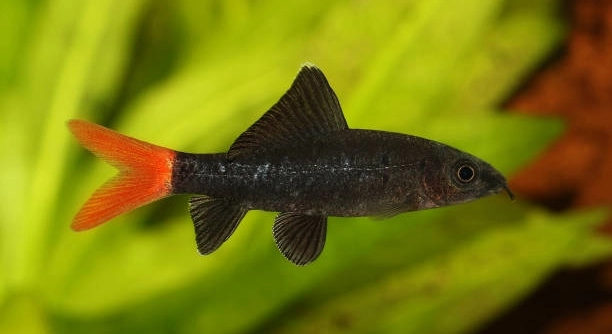
Rainbow sharks are popular freshwater fish known for their striking colors and active nature. Keeping them healthy requires attention to water quality, diet, and tank conditions. Many owners want to know how to prevent common illnesses in their rainbow sharks.
Preventing rainbow shark illness primarily involves maintaining optimal water parameters, providing a balanced diet, and minimizing stress factors. Regular tank cleaning and monitoring for signs of disease are essential to ensure the fish remain healthy and resilient against infections.
These simple tips can help you maintain a thriving environment for your rainbow sharks and avoid common health problems.
Maintain Clean Water Conditions
Keeping the water clean is one of the most important steps to prevent illness in rainbow sharks. Dirty water leads to harmful bacteria and parasites that can quickly affect your fish. Regular water changes, about 20-30% weekly, help keep the environment healthy. Use a good water conditioner to remove chlorine and other chemicals. Test water parameters often, focusing on ammonia, nitrite, nitrate, and pH levels. Proper filtration is also essential. A filter should be strong enough for your tank size and provide biological filtration. Avoid overcrowding your tank, as too many fish can increase waste and reduce water quality. Remember, clean water reduces stress and strengthens your rainbow shark’s immune system. Keeping the tank free of uneaten food and debris will also improve overall water conditions and fish health.
Regular water testing helps catch problems early before illness develops.
Testing water regularly ensures quick action if conditions change. It’s a simple way to protect your rainbow shark’s health and keep the tank safe.
Provide a Balanced Diet
Feeding your rainbow shark a balanced diet is key to keeping it healthy. These fish need a mix of protein and plant-based foods. High-quality sinking pellets designed for bottom feeders work well as a staple. Supplement the diet with live or frozen foods like bloodworms, brine shrimp, or daphnia to provide variety and nutrients. Occasionally adding blanched vegetables such as zucchini or spinach can help meet their nutritional needs. Avoid overfeeding, as leftover food can pollute the water and lead to disease. Feed small amounts two to three times daily, only what they can eat in a few minutes. Proper nutrition strengthens the immune system and helps your rainbow shark recover faster from any minor illnesses. Paying close attention to diet supports their vibrant color and active behavior, keeping them lively and healthy.
Avoid Overcrowding
Overcrowding causes stress and poor water quality, which can lead to illness. Each rainbow shark needs enough space to swim and hide.
Providing at least 30 gallons per fish helps reduce aggression and territorial disputes. Overcrowding increases waste, making water maintenance harder and raising the risk of disease outbreaks. A properly sized tank with fewer fish promotes healthier conditions and lowers stress levels for your rainbow sharks.
In a crowded tank, fish compete for food and hiding spots, which weakens their immune system. Stress from overcrowding makes it easier for infections to take hold. By controlling tank population, you create a stable environment that supports your fish’s health and longevity.
Monitor Behavior and Appearance
Changes in behavior or appearance can signal early illness. Watch for sluggishness, loss of appetite, or unusual swimming patterns. Physical signs like faded color, clamped fins, or visible spots need attention.
Regular observation helps catch problems early before they worsen. Prompt action, such as water testing or quarantine, can prevent spreading disease. Keep a log of any changes to track your fish’s health over time. Early detection combined with good care improves recovery chances and keeps your rainbow sharks thriving in their tank environment.
Quarantine New Fish
Quarantining new fish before adding them to your main tank reduces the risk of introducing diseases. Use a separate tank for at least two weeks.
This allows you to observe new arrivals for any signs of illness and treat them if needed before mixing them with your rainbow sharks.
Maintain Stable Water Temperature
Rainbow sharks thrive in water temperatures between 74°F and 80°F. Sudden changes in temperature cause stress and increase disease risk.
Using a reliable heater and thermometer helps keep the temperature steady. Avoid placing the tank near windows or vents where temperature fluctuations may occur.
Stable temperature supports your fish’s immune system and overall health, making them less vulnerable to infections.
Regular Tank Maintenance
Perform routine cleaning and filter checks to maintain a healthy environment. Remove debris and uneaten food to reduce harmful bacteria buildup.
FAQ
How often should I change the water in my rainbow shark’s tank?
Changing 20-30% of the tank water every week is usually enough. This keeps harmful chemicals and waste low, preventing disease. Avoid changing too much water at once, as sudden shifts can stress your fish. Regular partial water changes support stable water quality and a healthier environment.
What signs show my rainbow shark might be sick?
Look for changes like loss of appetite, lethargy, or unusual swimming patterns. Physical signs include faded colors, clamped fins, white spots, or sores. These symptoms indicate stress or infection. Early detection allows quicker treatment and better chances of recovery.
Can I treat rainbow shark illnesses at home?
Some minor illnesses can be treated at home with aquarium medications or improved tank care. However, for serious symptoms, a quarantine tank and specific treatments may be needed. It’s important to research the illness or consult an expert before applying any medicine.
Is it necessary to quarantine new fish?
Yes, quarantining new fish for at least two weeks prevents introducing diseases to your main tank. This practice helps detect any illnesses early and reduces risk for your rainbow shark’s health. Use a separate tank with good filtration during quarantine.
What is the ideal tank size for rainbow sharks?
A minimum of 30 gallons per fish is recommended. Rainbow sharks need space to swim and hide to reduce stress and aggression. Larger tanks make it easier to maintain clean water and stable conditions, which lowers illness risk.
How important is diet for preventing illness?
Diet plays a crucial role in fish health. A balanced diet with sinking pellets, live or frozen foods, and occasional vegetables strengthens the immune system. Avoid overfeeding, as leftover food pollutes the water and encourages disease-causing bacteria.
What water parameters should I monitor regularly?
Check ammonia, nitrite, nitrate, and pH levels often. Ammonia and nitrite should be zero, while nitrate should stay below 20 ppm. The pH should be stable, usually between 6.5 and 7.5. Stable water conditions prevent stress and disease outbreaks.
How can I reduce stress in my rainbow shark?
Avoid overcrowding and provide hiding places using decorations or plants. Maintain stable water temperature and quality. Stress weakens the immune system, making fish more vulnerable to illness. Creating a calm environment helps keep them healthy.
Can temperature changes cause illness?
Yes, sudden or frequent temperature changes stress rainbow sharks and increase susceptibility to infections. Keep water temperature steady between 74°F and 80°F using a reliable heater and thermometer. Avoid placing the tank near drafts or direct sunlight.
How often should I clean the tank and filter?
Clean the tank glass, substrate, and decorations weekly or as needed to remove debris. Check the filter monthly and rinse filter media in tank water to preserve beneficial bacteria. Proper maintenance prevents buildup of harmful bacteria and supports healthy fish.
What should I do if I notice signs of illness?
Isolate the sick fish in a quarantine tank if possible. Test water quality and perform partial water changes. Identify the symptoms and select appropriate treatment or medication. Acting quickly improves chances for recovery and protects other fish in the tank.
Are white spots always a sign of disease?
White spots can indicate ich, a common parasite. However, some spots may be harmless or caused by injury. Watch for other symptoms like scratching or lethargy. If ich is confirmed, treatment with anti-parasitic medication is necessary to prevent spread.
How can I boost my rainbow shark’s immune system naturally?
Providing a varied diet rich in nutrients, maintaining clean water, and minimizing stress support the immune system. Avoid sudden changes in environment or diet. Healthy fish resist disease better and recover faster from minor infections.
Can rainbow sharks live with other fish?
Rainbow sharks can be territorial, especially in small tanks. They do best with peaceful, similarly sized fish in a spacious tank. Avoid aggressive or very small fish that may provoke stress or be harmed. Proper tank mates reduce stress and promote overall health.
What role does tank decoration play in health?
Decorations provide hiding spots and reduce stress by offering security. Plants, caves, or rocks help rainbow sharks feel safe. A well-decorated tank mimics their natural environment, promoting natural behaviors and lowering illness risks.
Is it normal for rainbow sharks to hide often?
Yes, hiding is normal behavior, especially during the day when they prefer shaded areas. Excessive hiding combined with other symptoms might indicate stress or illness. Monitoring their behavior helps detect health issues early.
Maintaining the health of your rainbow shark requires consistent care and attention. Ensuring clean water, a balanced diet, and a stable environment are essential steps in preventing illness. Regular tank maintenance and water testing help catch potential problems early before they develop into serious health issues. By avoiding overcrowding and providing enough space, you reduce stress and support the natural behaviors of your fish. Each of these factors works together to create a healthy habitat where your rainbow shark can thrive.
It is important to observe your fish regularly for any changes in behavior or appearance. Early signs of illness, such as loss of appetite, faded colors, or unusual swimming, should be addressed promptly. Quarantining new fish before introducing them to the main tank helps protect your existing fish from possible infections. Maintaining a steady water temperature and avoiding sudden changes in the tank’s environment further supports your rainbow shark’s immune system. Paying close attention to these details improves the chances of a long, healthy life for your fish.
Preventing illness in rainbow sharks is not difficult when these basic care principles are followed consistently. Proper nutrition, clean water, and stress reduction play vital roles in keeping your fish healthy. Regular maintenance and observation ensure you can respond quickly if problems arise. By creating a stable and comfortable environment, you help your rainbow shark remain active and vibrant. These simple steps make a significant difference in maintaining the well-being of your fish and enjoying a successful aquarium experience.

Hello,
If you enjoy the content that we create, please consider saying a "Thank You!" by leaving a tip.
Every little bit helps us continue crafting quality advice that supports the health, happiness, and well-being of pets around the world, for pets of all shapes, sizes, and species.
We really appreciate the kindness and support that you show us!