
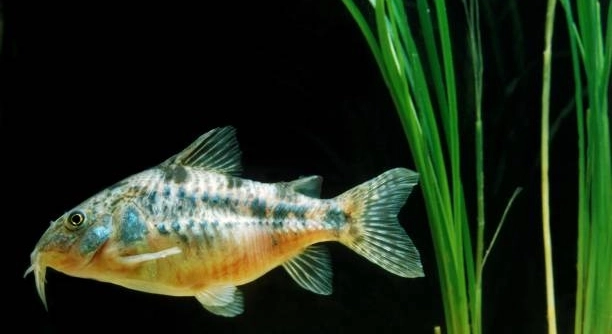
Corydoras catfish are popular aquarium fish known for their friendly nature. They can become quite attached to their owners, and understanding how they show affection can help improve your relationship with them. It’s fascinating to watch their behaviors.
Corydoras catfish typically show affection through specific behaviors such as following their owner’s movements, approaching them when fed, and even interacting with their fingers. These actions are often signs of familiarity and comfort with their caretaker.
By observing their actions, you can learn more about what your corydoras enjoys. There are several key signs to look out for that will reveal how they feel about you.
Corydoras Catfish Following Your Finger
One of the most noticeable signs your corydoras catfish likes you is when it starts following your finger. This behavior shows that the fish has become familiar with your movements and associates you with something positive, like food. When you move your finger along the aquarium glass, your corydoras may swim along, eagerly keeping up with you. This is a form of recognition and can indicate trust in you. Over time, this behavior becomes a comforting routine for your catfish, strengthening the bond between you and your pet.
A corydoras catfish will follow your finger because it feels safe and secure in your presence. This is a good indication that it sees you as a source of care and attention.
If your corydoras catfish starts to recognize you this way, it’s a sign that it enjoys your company. You might notice it becoming more active or swimming toward you when you approach the tank. This behavior helps build a sense of routine, and it can be a rewarding experience to see your fish respond like this.
Coming to the Surface for Food
When a corydoras catfish comes to the surface during feeding time, it’s a clear sign that it has grown comfortable with you. These catfish are known to feed at the bottom of the tank, so their behavior of approaching the surface for food shows a level of trust and familiarity.
This behavior suggests that the corydoras has learned to expect feeding from you, and it may even swim up in excitement when you approach the tank with food. It’s not just about the food—it’s about recognizing you as the one who provides for it. This interaction can make your connection with your catfish stronger over time.
If your corydoras catfish eagerly approaches the surface when it sees you coming with food, it’s a sign of positive association. Your catfish is looking forward to mealtime and feels comfortable with the routine you’ve established. This is a behavior that reinforces trust and care, both of which are important for developing a closer relationship.
Swimming Around You
If your corydoras catfish swims around you, it is often a sign of comfort. When they feel safe, they tend to become more active. Swimming close to you can also be a way for them to check you out or interact. It’s a subtle sign of affection and trust.
These fish usually prefer staying at the bottom of the tank, but if they start swimming around when you’re nearby, it shows that they feel secure enough to explore. This behavior can also mean that they are curious or looking for food. Over time, if they consistently swim around you, it’s an indication that they are familiar with you.
Corydoras catfish are naturally shy, but when they feel comfortable, they show interest in their surroundings, including you. Swimming around you is a small but meaningful gesture that reflects their growing attachment. This behavior suggests that your catfish is observing you and seeking interaction, which deepens your bond.
Resting Near You
When your corydoras catfish rests near you, it’s a sign of trust. These fish often find safe spots at the bottom of the tank to rest. Choosing to rest near you or in areas where you frequent can show that they feel protected in your presence.
Catfish rest in various areas of the tank, but if they regularly choose spots near you, it reflects their comfort level. It might also be a sign that they feel less threatened in your presence. It can be heartwarming to see your fish choose to rest in such proximity, showing their affection in a quiet way.
Your corydoras may also choose to rest in spots with low flow or where it feels most at ease. If this area happens to be near you, it’s a sign that your catfish enjoys your company. While they may not always be active, they still seek the sense of security that your presence provides. This behavior strengthens the relationship you share with your fish.
Following Your Hand
If your corydoras catfish follows your hand in the tank, it’s another clear sign that they’re familiar with you. This behavior shows that your catfish is paying attention and feels comfortable interacting with you, even when you aren’t offering food.
Following your hand may be a sign that your catfish is curious. As you move your hand around the tank, they may come closer, watching your every move. They might even get close enough to gently nudge your fingers. This can be a display of affection, as they see you as a non-threatening presence.
Corydoras catfish are naturally inquisitive, and following your hand is a way they explore their environment. When they begin to engage with your movements, it’s a sign they’ve developed a connection with you. Over time, this behavior will reinforce the bond, showing that they’re comfortable around you.
Displaying Relaxed Behavior
When your corydoras catfish is relaxed around you, it’s a positive sign. If they move slowly or hover near you without darting away, it shows they’re comfortable in your presence. They won’t feel the need to hide, which is typical of more nervous fish.
Relaxed behavior is often seen when a catfish is well-fed and doesn’t feel threatened. Your corydoras may swim leisurely or even lie on the substrate, occasionally glancing up at you. This calm demeanor reflects trust and the absence of stress. It’s a simple way to know that they feel at ease around you.
Active and Playful
An active corydoras catfish often indicates it’s happy and content in its environment. When they swim energetically, dart around the tank, and explore different areas, it’s a sign they are not stressed and enjoy their surroundings. These behaviors suggest that they are well taken care of.
Being active is a sign that your catfish is healthy and comfortable. When they swim playfully or interact with objects in the tank, it shows they’re in a good mood. If this behavior happens when you’re nearby, it’s a sign that they feel comfortable around you and look forward to your presence.
FAQ
How can I tell if my corydoras catfish is stressed?
A stressed corydoras catfish may exhibit several behaviors, such as hiding frequently, swimming erratically, or staying at the top of the tank instead of near the bottom. They may also stop eating or show signs of rapid gill movement. Stress can be caused by changes in water conditions, poor tank mates, or sudden changes in the environment. If you notice these signs, it’s important to assess the water quality and make sure the tank is appropriately set up to reduce stress factors.
Why does my corydoras catfish swim upside down?
Occasionally, a corydoras catfish may swim upside down due to an issue with its swim bladder. This could indicate a problem with buoyancy, such as overfeeding or an infection. In healthy fish, swimming upside down is rare. If your corydoras is often swimming upside down, it’s best to observe the behavior and check for any other symptoms. If the problem persists, you may want to consult an aquarium specialist or vet for advice on treatment.
Is it normal for corydoras catfish to hide?
Yes, it’s normal for corydoras catfish to hide occasionally. These fish are naturally shy, and they often find hiding spots in the aquarium for rest or protection. If your corydoras catfish hides frequently, check for potential stressors, such as aggressive tank mates or poor water conditions. However, if hiding is balanced with periods of activity and feeding, it’s likely just part of their natural behavior.
Do corydoras catfish like to be touched?
Corydoras catfish generally do not like to be touched. While they may follow your hand or swim close to it, they are not typically affectionate in the same way pets like dogs or cats are. Repeated handling or attempts to touch them may stress them out. It’s best to interact with them by observing their behavior or offering food, rather than trying to physically touch them.
Can I keep corydoras catfish with other fish?
Yes, corydoras catfish are peaceful and can live with many other species. They are best kept with other non-aggressive fish. They get along with species like tetras, guppies, and bettas. It’s important to avoid keeping them with larger, more aggressive fish that might intimidate them. Ensure that all tank mates have similar water requirements and temperaments.
How often should I feed my corydoras catfish?
Corydoras catfish should be fed once or twice a day. It’s important to feed them small amounts of food to prevent overfeeding, as these fish tend to eat quickly and can suffer from obesity or water quality issues if fed too much. Offering them a variety of food types, such as sinking pellets, live or frozen foods, and vegetables, helps keep them healthy and happy.
What size tank is best for corydoras catfish?
Corydoras catfish thrive in a tank that is at least 20 gallons, though larger tanks are better if you plan on keeping multiple fish. A larger tank ensures better water quality and gives them plenty of space to swim around. Corydoras are bottom-dwellers, so it’s also important to have a soft substrate for them to move around on without damaging their barbels.
How do I maintain good water quality for my corydoras catfish?
Good water quality is essential for corydoras catfish to stay healthy. Regular water changes, at least 25% weekly, help keep the water clean. Test the water regularly to ensure it remains within the ideal range: temperature around 72-78°F, pH between 6.5 and 7.5, and ammonia, nitrite, and nitrate levels within safe limits. Having a good filtration system and removing excess food or waste also helps maintain water quality.
Do corydoras catfish need a lot of space to swim?
Corydoras catfish do not require as much swimming space as other fish, but they still benefit from a spacious tank. They are bottom dwellers, so they prefer areas with soft substrate to sift through. While they do swim around, they spend most of their time at the bottom. However, it’s still important to provide a tank with enough space for them to explore and interact with their environment.
Why does my corydoras catfish keep swimming in circles?
If your corydoras catfish is swimming in circles, it could be a sign of stress or a health issue. Check the water parameters and make sure they are within the proper range. Swimming in circles can also be caused by boredom or lack of stimulation in the tank. Adding hiding spots, plants, and objects to the tank may help alleviate this behavior. If the problem persists, consider consulting an aquarium expert to rule out any underlying health conditions.
Can corydoras catfish live alone?
Corydoras catfish are social animals and thrive in groups. It’s best to keep at least three to five corydoras together, as they are more likely to feel secure and exhibit natural behaviors when in groups. Keeping them alone may cause stress and loneliness. A small group ensures they feel more comfortable and can interact with one another.
How long do corydoras catfish live?
Corydoras catfish generally live for 5 to 7 years, but some can live even longer with the right care. Ensuring proper water conditions, regular feedings, and a safe environment can help extend their lifespan. Regular tank maintenance and monitoring for any signs of illness are also key to keeping your corydoras healthy for many years.
Final Thoughts
Corydoras catfish are fascinating, peaceful creatures that can develop a strong bond with their owners. Their behaviors, like following your finger, coming to the surface for food, or resting near you, all signal that they feel safe and comfortable in your presence. Over time, by paying attention to these signs, you can better understand your catfish and create a nurturing environment where it can thrive. These little gestures of trust and affection are not only a way to connect with your fish but also to ensure they are happy and healthy.
Taking care of corydoras catfish involves providing them with proper tank conditions, regular water changes, and a balanced diet. They prefer a soft substrate, as they tend to sift through the sand for food. Keeping the water temperature and pH within their ideal range, as well as offering a mix of foods, is essential for their well-being. By meeting their needs, you’re not just maintaining the environment they live in but also fostering a relationship with them. Their gentle nature makes them an enjoyable and rewarding pet to care for.
Understanding your corydoras catfish’s behavior and signals is key to being a good fish owner. The bond you form with your fish is based on trust, and over time, their little actions will let you know that they recognize you and enjoy your presence. Whether it’s swimming around you, coming to the surface for food, or resting nearby, these signs of affection deepen the connection between you and your fish. Caring for corydoras is about providing the right environment and recognizing the small but meaningful ways they show they like you.

Hello,
If you enjoy the content that we create, please consider saying a "Thank You!" by leaving a tip.
Every little bit helps us continue crafting quality advice that supports the health, happiness, and well-being of pets around the world, for pets of all shapes, sizes, and species.
We really appreciate the kindness and support that you show us!