
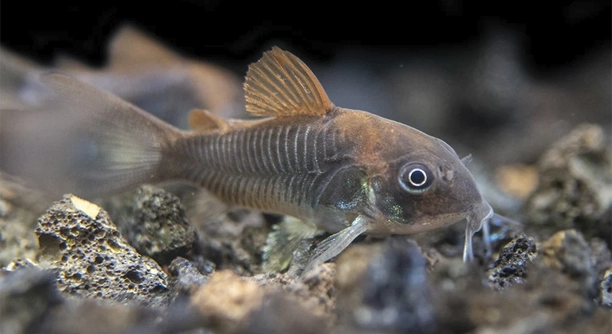
Corydoras catfish are popular tank mates for many aquariums due to their peaceful nature. They thrive in a calm, stress-free environment and interact well with other species. Understanding how to tell when they’re comfortable with their companions can help ensure their well-being.
Corydoras catfish show comfort with their tank mates by displaying relaxed behaviors such as swimming freely, foraging near other species, and maintaining a healthy, active appearance. They often avoid aggression and show no signs of stress or hiding.
Knowing the signs of comfort can help ensure your corydoras stay happy and healthy in your aquarium. Let’s take a look at these signs and what they mean for the overall harmony of your tank.
Sign 1: Active Swimming and Exploration
When Corydoras catfish are comfortable, they swim around the tank without hesitation. They move at a steady pace, exploring their surroundings and interacting with their tank mates. This behavior shows that they feel safe and relaxed in their environment. Instead of hiding or staying in one spot, they are actively engaging with the water column and the substrate, searching for food or simply enjoying the space.
Corydoras that are not at ease may spend more time hiding or staying close to the bottom of the tank. They will avoid interacting with other fish and may look stressed.
Comfortable Corydoras also seem more confident. They move throughout the tank, interacting with other species without any signs of fear. You may notice them swimming alongside other fish or even playfully nudging their tank mates. This relaxed behavior indicates that the catfish are content in the presence of their companions, and this helps maintain balance within the tank.
Sign 2: Social Behavior with Other Fish
Corydoras catfish tend to show comfort by socializing with tank mates, whether they are other Corydoras or different species. When they feel safe, they swim in schools or interact with fish near them.
They often enjoy swimming together in small groups, showing that they are not stressed by the presence of other fish. Their social behavior adds a sense of harmony to the tank. This is especially true when they share space with peaceful tank mates, like tetras or gouramis. In a well-balanced aquarium, Corydoras will show no aggression toward others. Instead, they move around without fear and without disrupting the flow of the tank.
Their relaxed attitude toward other fish is a clear sign that they have adapted to their environment. If they avoid contact with certain tank mates or seem uncomfortable, it may be time to reevaluate their companions. It’s important to maintain peaceful relationships to ensure the happiness of all fish.
Sign 3: Normal Feeding Behavior
Corydoras catfish are bottom dwellers, which means they spend a lot of time foraging for food. When they feel comfortable with their tank mates, they remain active during feeding time. You’ll see them excitedly searching the substrate for food, often joining the other fish to feed. This shows they are not stressed by the presence of other fish.
A lack of interest in food or hiding away when food is introduced can be a sign of stress. If your Corydoras catfish are comfortable, they’ll eat without hesitation and interact with others at feeding time. This behavior is important for their health and shows they feel secure in their tank environment.
Healthy feeding habits also indicate that your Corydoras are not overwhelmed by other fish. They don’t need to compete for food and feel confident enough to feed at their own pace. If they’re hesitant or avoiding feeding, it may be a sign that they’re uncomfortable with their tank mates.
Sign 4: Consistent Breathing Patterns
A calm and comfortable Corydoras will have smooth, steady breathing patterns. They won’t gasp for air or appear to be in distress. You’ll notice them calmly moving water through their gills, with a relaxed posture. If their gills are rapidly moving or they seem to be gasping, there could be an issue with the tank’s environment or the presence of aggressive tank mates.
In an ideal environment, Corydoras breathe consistently and don’t show signs of struggling. Their slow, rhythmic breathing is a good sign of their comfort level. When paired with peaceful companions, these catfish will appear at ease and won’t show signs of rapid breathing due to stress or fear.
Changes in breathing patterns could also point to water quality problems. It’s important to monitor this behavior, as irregular breathing could be related to low oxygen levels or water contaminants. If your Corydoras appear relaxed and their breathing is normal, you can feel confident that they’re comfortable with the other fish and their surroundings.
Sign 5: Lack of Hiding Behavior
Corydoras catfish that feel comfortable in their tank will not constantly hide. Instead, they will explore freely and socialize with other fish. When these catfish are relaxed, they swim around, moving between different areas of the tank with ease, rather than seeking shelter in caves or plants.
If your Corydoras catfish are frequently hiding or staying in one spot for long periods, it might indicate stress. Comfortable fish typically interact with their tank mates, roam around the tank, and stay visible, showing no signs of discomfort or fear.
Sign 6: Healthy Fin Movements
When Corydoras are comfortable, their fins will move naturally. The catfish will swim and use their pectoral fins to adjust their position. These movements will be smooth and steady, indicating they are at ease. You will also notice their caudal fin gently propelling them through the water.
If the fin movements become jerky or stiff, it may signal discomfort or stress. A healthy, relaxed Corydoras will glide through the water with fluid motions, using its fins appropriately. If their fin movements seem off, this could be a sign of potential issues within the tank.
Sign 7: Positive Interaction with Substrate
Corydoras are well known for their behavior of rooting through the substrate to find food. When they feel comfortable, they engage with the substrate in a relaxed and natural way. They dig around and sift through the sand or gravel, which shows they feel secure in their environment.
If they avoid digging or seem agitated when interacting with the substrate, this could be a sign of stress. Comfortable Corydoras will spend time engaging with the substrate, showing they are confident in their surroundings. This behavior is normal and helps them feel more at home in the tank.
FAQ
Why is my Corydoras catfish staying hidden?
Corydoras catfish may hide for several reasons. If they feel stressed, threatened, or are not comfortable with their tank mates, they will retreat to a safe spot. Inadequate water conditions, such as low oxygen levels, can also cause hiding behavior. Corydoras are bottom-dwelling fish, so they tend to stay close to the substrate, but excessive hiding, especially during feeding times, is a sign that something might be off. It’s important to check the water parameters, ensure peaceful tank mates, and provide hiding spots that don’t make them feel isolated or trapped.
How do I know if my Corydoras are stressed?
Signs of stress in Corydoras include rapid gill movement, erratic swimming, hiding frequently, or not eating. They might also swim at the surface, gasp for air, or swim in circles. Stress can be caused by poor water quality, aggressive tank mates, or overcrowding. Monitoring water parameters and ensuring the tank environment is calm and peaceful can help reduce stress. Also, if your Corydoras are constantly hiding or seem lethargic, it’s a red flag that they are not comfortable.
How can I make my Corydoras feel comfortable with other fish?
To help your Corydoras feel comfortable with their tank mates, choose peaceful fish that won’t compete for space or food. Corydoras get along well with other non-aggressive species like tetras, rasboras, and guppies. Avoid keeping them with overly territorial fish, as they can cause stress. Additionally, providing plenty of hiding spots and keeping water conditions stable can encourage your Corydoras to interact calmly with others. Ensure that the tank isn’t overcrowded, as too many fish can lead to competition for food and space, which increases stress.
Why is my Corydoras not eating?
If your Corydoras isn’t eating, it could be due to stress, poor water quality, or competition for food. Corydoras are bottom feeders, so if the tank is too crowded or if there are fast-moving fish that grab all the food, your Corydoras may not be able to eat. Additionally, if they’re uncomfortable with their tank mates or if the water isn’t to their liking, they might lose interest in food. To encourage eating, ensure a peaceful tank environment, provide adequate hiding spots, and offer sinking pellets or food they can easily access.
Can Corydoras live with shrimp?
Yes, Corydoras catfish generally do well with shrimp, as long as the shrimp are not too small. Corydoras will not typically harm adult shrimp, as they are peaceful bottom dwellers. However, baby shrimp might become a target for hungry Corydoras. If you’re planning to keep both together, ensure that the shrimp have enough hiding spaces where they can retreat if necessary. Keep the water clean and the tank well-maintained to ensure that both the Corydoras and shrimp thrive.
Do Corydoras catfish need a specific tank setup?
Corydoras do best in tanks with a fine-gravel or sandy substrate. They like to sift through the substrate in search of food, so rough gravel can irritate their delicate barbels. Make sure your tank has peaceful, non-aggressive tank mates and plenty of hiding spots. Corydoras also prefer slightly acidic to neutral water, with a temperature range of 72°F to 78°F (22°C to 26°C). Regular water changes are important to maintain good water quality, as Corydoras are sensitive to poor water conditions. Adding plants, caves, and other decor will help them feel more at ease.
How often should I feed my Corydoras catfish?
Corydoras catfish are not heavy eaters, but they do require a balanced diet. Feeding them once or twice a day is generally sufficient, offering small amounts of sinking pellets, frozen food, or live food. Overfeeding can lead to water quality issues, so be careful not to leave uneaten food in the tank. It’s also a good idea to provide them with a variety of foods, including occasional treats like bloodworms or brine shrimp, to ensure they get the nutrition they need. You can feed them during the day, and they will naturally search the substrate for any leftover food.
Do Corydoras need a filter?
Yes, Corydoras catfish need a filter in their tank to maintain clean water. These catfish are sensitive to poor water conditions, and a filter helps remove waste, excess food, and toxins from the water. However, the filter should not create strong currents, as Corydoras prefer calmer water. A sponge filter or one with adjustable flow is ideal for their needs. Regular water changes are also necessary to keep the tank environment healthy. Make sure to monitor the filter regularly to ensure it’s working properly and not causing stress to your fish.
Can Corydoras catfish live in a tank with high light?
Corydoras catfish prefer low to moderate lighting in their tanks. While they are not entirely nocturnal, they do feel more comfortable in dimly lit environments. Bright lights can cause stress, especially if they are constantly turned on or if the tank lacks areas for them to hide. If your tank has high light, consider adding plants or decorations to create shaded areas for your Corydoras to retreat to. This will allow them to feel more secure and reduce stress.
How long do Corydoras catfish live?
Corydoras catfish can live for up to 5-7 years, depending on their care and the conditions of the tank. Providing them with a stable environment, a balanced diet, and a stress-free atmosphere will help them live a long and healthy life. Regular water changes, proper filtration, and good tank mates can all contribute to their well-being. Keep an eye on their behavior, and make adjustments to their environment as needed to ensure they remain happy throughout their lifespan.
Final Thoughts
Understanding the signs that Corydoras catfish are comfortable with their tank mates is essential for ensuring their well-being. These fish are peaceful by nature and thrive in environments where they feel safe and secure. Observing their behavior closely, such as active swimming, normal feeding habits, and relaxed social interactions, can help you determine if your Corydoras are at ease. A happy, comfortable Corydoras will swim freely, explore the tank, and interact peacefully with other species. These signs indicate that they are not stressed, and the environment is suitable for their needs.
Maintaining the right water conditions and peaceful tank dynamics is crucial for the comfort of your Corydoras. These catfish are sensitive to water quality and can become stressed if the water is polluted or if the tank is overcrowded. It’s important to monitor factors like temperature, pH levels, and oxygen content regularly. Additionally, keeping compatible tank mates is key to fostering a peaceful atmosphere. Corydoras should not be kept with aggressive fish or those that might compete for food. When tank mates are chosen carefully, Corydoras can thrive alongside other peaceful species, contributing to the overall harmony of the aquarium.
In conclusion, observing the behaviors of Corydoras catfish is a helpful way to gauge their comfort level with tank mates. These fish are easygoing and prefer a calm environment, so it’s important to create the right conditions for them. By providing a stable, peaceful tank with clean water and compatible fish, your Corydoras will feel at home and show their comfort through healthy behaviors. Their well-being relies on careful attention to their environment and interactions, ensuring they live a long, healthy life in your aquarium.

Hello,
If you enjoy the content that we create, please consider saying a "Thank You!" by leaving a tip.
Every little bit helps us continue crafting quality advice that supports the health, happiness, and well-being of pets around the world, for pets of all shapes, sizes, and species.
We really appreciate the kindness and support that you show us!