
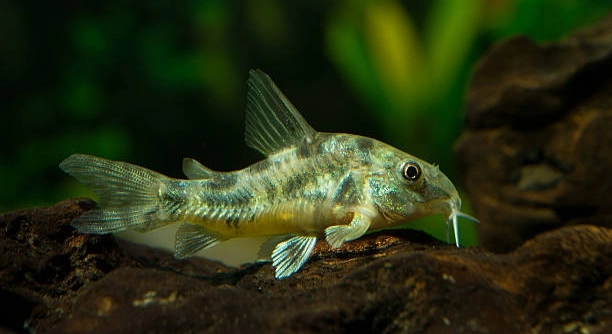
Choosing the right Corydoras species for your tank can be a rewarding yet challenging decision. With various species available, each offering unique traits, it’s important to find the one that fits your aquarium needs.
To choose the best Corydoras species for your tank, consider factors like size, water conditions, and behavior. Some species thrive in specific water parameters or are more compatible with certain tankmates, making it essential to research their needs.
With these tips in mind, you can select a species that will thrive in your tank. Keep reading to explore seven top picks for Corydoras species.
Choosing Corydoras Species Based on Tank Size
When selecting a Corydoras species, one of the most important factors is the size of your tank. Some species thrive in smaller spaces, while others need larger areas to swim and explore. If your tank is under 20 gallons, you’ll want to look for species that don’t grow too large. Species like the Pygmy Corydoras or the Panda Cory are excellent options for small tanks. Larger tanks, on the other hand, can accommodate species like the Bronze Corydoras or the Sterba’s Corydoras, which grow bigger and require more swimming space. Always take the size of your tank into account to ensure the fish have enough room to thrive.
For smaller tanks, choose species that stay under 2 inches in length. They will be more comfortable and adaptable to your setup.
Keeping in mind the right tank size for your Corydoras species helps avoid overcrowding. This allows the fish to feel secure and explore their surroundings without stress. A comfortable environment contributes to their health and activity level.
Considering Water Parameters for Your Corydoras
Water conditions are another essential aspect when choosing Corydoras species. These fish thrive in well-maintained water with stable temperature and pH levels. Some species, such as the Bronze Corydoras, prefer slightly warmer water and a neutral pH, while others like the Skunk Corydoras can adapt to slightly cooler water. Knowing the water temperature and pH levels in your tank is crucial for choosing the right species.
For instance, the Corydoras paleatus species prefer temperatures between 72-79°F and a pH level between 6.0 and 8.0, while others may require slightly different ranges. Always check your tank’s parameters and adjust them as needed to ensure a healthy environment for your fish.
Understanding the specific needs of your Corydoras species will go a long way in helping them feel comfortable. Stable water conditions improve their quality of life and encourage breeding, which is a rewarding aspect of keeping Corydoras.
Corydoras Species Compatibility with Other Tankmates
Some Corydoras species are more social than others, making them better suited for community tanks. Smaller species like the Pygmy Corydoras are often more docile and can coexist peacefully with a variety of tankmates. Larger species, such as the Bronze Corydoras, may be more territorial and need tankmates with similar temperament. Always consider the species’ behavior before introducing them to your tank.
Corydoras are generally peaceful fish and get along well with other calm species. However, it’s crucial to avoid aggressive or large fish that may bully them. Species like tetras, guppies, and other peaceful bottom dwellers tend to make ideal tankmates for Corydoras. Avoid fish that may nip at their barbels or harass them.
When selecting tankmates for your Corydoras, ensure the species have similar water and temperature needs. Fish that thrive in similar conditions will help reduce stress and prevent conflict. Additionally, make sure there’s enough space in the tank to accommodate everyone comfortably, giving your Corydoras and their companions the room they need to thrive.
Feeding Preferences of Corydoras Species
Feeding Corydoras may seem simple, but different species have different feeding habits. Some Corydoras, like the Panda Cory, are more opportunistic feeders and will readily take sinking pellets or frozen food. Others, such as the Bronze Corydoras, prefer to scavenge and search for food along the substrate. Be sure to provide a variety of foods that suit their natural diet.
Most Corydoras species are bottom feeders, so sinking pellets or algae wafers are perfect for them. However, occasional treats like bloodworms or brine shrimp are great for adding variety and ensuring your Corydoras get all the necessary nutrients. Feeding your fish the right food also keeps them healthy and active.
It’s important not to overfeed Corydoras, as they can quickly become bloated. Provide food in small amounts and monitor their eating habits. Excess food left uneaten can lead to water quality issues, so always remove leftovers to maintain a clean and healthy environment for your fish.
Tank Setup for Corydoras Species
Corydoras are bottom-dwelling fish, so it’s essential to provide a substrate that’s gentle on their delicate barbels. Avoid sharp gravel, as it can injure them. Fine sand or smooth pebbles are the best choices for creating a comfortable and safe environment for your Corydoras.
A well-planted tank helps recreate their natural habitat, providing hiding spots and places to explore. Corydoras are also sensitive to water quality, so a good filtration system is crucial. Ensure the water flow is gentle, as strong currents can stress them out. Regular water changes will keep them happy and healthy.
Breeding Corydoras in the Aquarium
Breeding Corydoras can be a rewarding experience, but it requires a bit of preparation. Most species will breed when they feel safe and comfortable in their environment. Providing a separate breeding area with fine substrate helps protect the eggs and allows for successful breeding. Some species require specific temperature or water conditions to trigger breeding behavior, so research your chosen species thoroughly.
Once the eggs are laid, ensure they are not disturbed by other fish. You can remove the eggs to a separate breeding tank if needed. Keep the water clean and maintain the proper temperature to encourage hatching.
Corydoras Species Lifespan
Corydoras species generally have a lifespan of 5 to 10 years, depending on their care and environment. Maintaining stable water parameters, a balanced diet, and appropriate tank conditions can help maximize their lifespan. Regular monitoring of their health is also key to catching any issues early.
FAQ
How often should I feed my Corydoras?
Corydoras should be fed once or twice a day, with small portions that they can consume in a few minutes. Overfeeding can lead to water quality problems, so it’s important to give them only what they can eat. If you’re offering sinking pellets, ensure the fish are able to access the food before it dissolves in the substrate.
What kind of food do Corydoras eat?
Corydoras are omnivores, and their diet consists of sinking pellets, algae wafers, and live or frozen foods like bloodworms, brine shrimp, and daphnia. They also scavenger around the substrate, eating leftover food that other fish may miss. Variety is important to keep them healthy, so make sure to rotate their diet regularly.
Can Corydoras live with shrimp or snails?
Yes, Corydoras generally do well with both shrimp and snails. They won’t bother peaceful species like Cherry Shrimp or Nerite Snails. However, ensure the shrimp are large enough not to be seen as food. Smaller shrimp species might be at risk if tank conditions aren’t ideal.
Are Corydoras fish good for beginners?
Corydoras are excellent for beginners due to their peaceful nature and ease of care. They do well in various tank setups and are hardy, as long as their water parameters are stable. They thrive in community tanks with other peaceful species, making them a good choice for new aquarium owners.
Do Corydoras need a heater?
Yes, Corydoras do best with a heater, as they are tropical fish. Most species prefer water temperatures between 72°F and 79°F. A heater will maintain a stable temperature, ensuring they remain healthy and active. Always use a reliable aquarium heater and monitor the water regularly.
Can Corydoras live in cold water?
While some Corydoras species can tolerate cooler water temperatures, they generally prefer warmer conditions. Most Corydoras species thrive in temperatures ranging from 72°F to 79°F. Cold water can slow their metabolism, making them more susceptible to illness and stress. If your aquarium is cold, consider adding a heater to maintain the optimal temperature.
How do I know if my Corydoras are stressed?
Signs of stress in Corydoras include hiding more than usual, not eating, or swimming erratically. You may also notice them rubbing against objects in the tank, which could indicate skin irritation. Stress can result from poor water quality, inappropriate tankmates, or environmental factors like temperature changes. Regular water testing and proper tank maintenance help prevent stress.
Do Corydoras need a filter?
Yes, a filter is crucial for maintaining water quality in your Corydoras tank. Corydoras are sensitive to poor water conditions, and a filter helps remove waste, uneaten food, and other toxins. Make sure the filter is gentle enough for them, as strong currents can stress them out. Regular maintenance of the filter is also important to keep the tank clean.
How can I encourage Corydoras to breed?
To encourage breeding, maintain optimal water conditions with a slightly cooler temperature and higher oxygen levels. Some species may require slightly acidic water, so adjusting pH can also help. Adding plants or a breeding box can provide hiding spots for the eggs. A change in water temperature or a few days of cooler water can sometimes trigger spawning behavior.
Why is my Corydoras not eating?
If your Corydoras isn’t eating, it could be due to stress, water quality issues, or illness. Check the water parameters to make sure they are within the ideal range for your species. Make sure the food offered is suitable and fresh. If the problem persists, a visit to an aquarium specialist may be necessary.
Can Corydoras live in a tank without substrate?
While Corydoras can survive in a tank without substrate, it is not ideal. They are bottom dwellers and need substrate to forage and feel secure. If you prefer a bare-bottom tank, provide other hiding spots like plants or decorations to give them a comfortable environment. Fine sand or smooth gravel is ideal for them.
What should I do if my Corydoras has damaged barbels?
If your Corydoras has damaged barbels, ensure they are not injured by sharp objects or rough substrate. Damage to barbels can sometimes heal on its own, but poor water quality can slow recovery. Keep the water clean, provide a stress-free environment, and offer high-quality food to help speed up the healing process.
Are Corydoras prone to disease?
Corydoras are generally healthy fish but can be susceptible to diseases like Ich, fin rot, and dropsy, particularly if tank conditions aren’t optimal. Maintaining stable water parameters, avoiding overfeeding, and providing a well-maintained environment will reduce the risk of illness. Regularly monitoring their health is key to early detection of any issues.
What is the best substrate for Corydoras?
The best substrate for Corydoras is fine sand or smooth gravel. Avoid sharp or rough gravel, as it can damage their delicate barbels. Sand allows Corydoras to forage naturally without causing injury, and it also helps maintain water quality by preventing food from getting trapped in rough surfaces.
Final Thoughts
Corydoras are peaceful and hardy fish that make great additions to a community tank. They are easy to care for, provided you meet their basic needs, such as stable water conditions, a proper diet, and gentle tank mates. Their playful nature and ability to clean the tank make them a favorite among many aquarium enthusiasts. With the right setup and attention, they can thrive and live long, healthy lives in your aquarium.
When choosing the best Corydoras species for your tank, consider factors such as tank size, water conditions, and compatibility with other fish. Not all Corydoras species have the same needs, so it’s essential to research the specific requirements of the species you want to keep. Whether you’re adding a small school of Pygmy Corydoras or larger species like the Bronze Corydoras, providing a suitable environment for each species is key to their health and well-being.
In conclusion, with a little preparation, Corydoras can become a delightful and low-maintenance addition to your aquarium. They not only help maintain a clean tank but also add life and personality to your aquatic setup. By choosing the right species, maintaining proper care, and ensuring they are kept in the right environment, your Corydoras will flourish and provide enjoyment for years to come.

Hello,
If you enjoy the content that we create, please consider saying a "Thank You!" by leaving a tip.
Every little bit helps us continue crafting quality advice that supports the health, happiness, and well-being of pets around the world, for pets of all shapes, sizes, and species.
We really appreciate the kindness and support that you show us!