
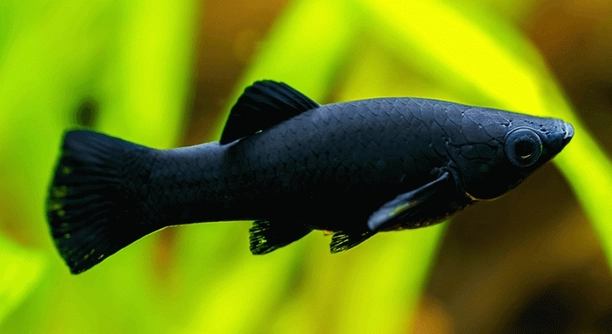
Keeping Black Mollies in a comfortable environment is essential for their well-being. Many hobbyists may not realize that even slightly cold water can affect these fish in ways that impact their health and behavior.
Cold water can slow Black Mollies’ metabolism, weaken their immune system, and cause stress that leads to illness. It may also disrupt digestion, stunt growth, reduce activity levels, and make them more vulnerable to infections and parasites.
Knowing the risks of low temperatures helps you maintain a healthier aquarium. Small changes in water warmth can make a significant difference for your fish.
Slow Metabolism
When Black Mollies are exposed to cold water, their metabolism slows down noticeably. I noticed my own fish became less active and spent long hours hovering near the bottom of the tank. Their feeding patterns also changed, with some showing less interest in food. A slower metabolism can affect how efficiently they process nutrients, which may influence overall growth and energy levels. In colder water, digestion becomes less efficient, and this can cause long-term health issues if the temperature isn’t corrected. Even minor drops in temperature can create a noticeable difference in behavior, which is why monitoring water warmth is important. Maintaining a stable, slightly warmer environment keeps them more energetic and ensures proper nutrient absorption. The changes may not be immediately fatal, but over time, stress from slow metabolism can lead to susceptibility to infections. Observing these subtle shifts in behavior can help prevent more serious problems.
Cold water directly slows their metabolism, making them less active and reducing nutrient absorption efficiency.
It’s important to adjust the tank’s temperature gradually. A small heater or regular monitoring can make life easier for your Black Mollies. Consistent warmth keeps them healthy and energetic.
Weakened Immune System
Cold water lowers Black Mollies’ immune defenses.
When their immunity drops, even minor bacteria or parasites can cause infections that may spread quickly. I’ve seen a few of my fish develop fin rot after prolonged exposure to cooler water, which required careful treatment. Their bodies become less capable of fighting off pathogens, leaving them vulnerable to illnesses that would normally be manageable. Maintaining proper warmth strengthens their immune response, keeping them resilient. Alongside temperature, stress factors like overcrowding or poor filtration can compound the problem. Cold water alone may not always cause illness immediately, but it creates the perfect conditions for diseases to take hold. Paying attention to water conditions and providing consistent warmth prevents these issues and ensures they remain lively and healthy over time. Preventive measures like regular water changes and balanced nutrition also support immunity, but temperature control remains the most critical factor.
Stunted Growth
Cold water slows growth in Black Mollies. I noticed my younger fish stayed smaller than usual when the tank temperature dipped. Their size and development can be directly affected by prolonged exposure to cooler water.
Slower metabolism in cold water means less energy is available for growth. Nutrient absorption is reduced, so even a balanced diet may not provide enough support. Over time, this can result in permanently smaller fish or delayed maturation. Younger Black Mollies are particularly sensitive, as their bodies need consistent warmth to develop properly. Small temperature changes may seem harmless, but repeated exposure can have lasting effects. Keeping the water at a stable, slightly warmer temperature encourages steady growth and helps maintain healthy proportions among the tank population. I found that once the temperature stabilized, my fish started to gain size more normally.
Stunted growth isn’t just a cosmetic issue; it can affect their behavior, reproduction, and overall vitality. Fish that remain small may struggle with social interactions and may be more vulnerable to stress or disease. Maintaining proper warmth is essential for long-term health.
Reduced Activity
Cold water makes Black Mollies less active. My fish spent hours hiding and barely moved across the tank when temperatures were too low.
Lower temperatures slow their metabolism, reducing swimming and feeding activity. I noticed they avoided exploring and often rested at the bottom, which is unusual behavior for healthy Black Mollies. Reduced activity can also weaken muscles and affect coordination, making it harder for them to compete for food or interact naturally with other tank mates. Over time, lethargy can lead to further health issues, including poor digestion and lower immunity. Ensuring a stable, slightly warmer environment helps maintain normal activity patterns and keeps the fish lively.
Keeping them active is essential for mental and physical health. Regular swimming and movement support muscle tone, digestion, and social behaviors. A small heater or careful temperature monitoring encourages natural activity levels and prevents long-term problems caused by cold water.
Stress and Anxiety
Cold water causes stress in Black Mollies. I observed my fish hiding more and reacting nervously to movement around the tank. Stress makes them more sensitive to changes and less confident in exploring.
Prolonged exposure to low temperatures increases stress hormones, which can reduce appetite and weaken the immune system. Fish under stress may also show unusual swimming patterns, staying near the surface or bottom, and sometimes even isolating themselves from other tank mates. Stress affects both physical and mental health, making it harder for them to thrive in the aquarium. Maintaining stable, slightly warmer water reduces anxiety and encourages natural behaviors.
Digestive Problems
Cold water slows digestion in Black Mollies. Their stomachs take longer to process food, leading to bloating and potential constipation. I noticed smaller fish often hesitated to eat when the tank was cooler, and leftovers remained uneaten for hours.
Increased Risk of Infection
Lower temperatures make Black Mollies more vulnerable to bacteria and parasites. Their immune response weakens, allowing infections to develop quickly. Maintaining consistent warmth is key to preventing disease outbreaks.
How cold is too cold for Black Mollies?
Black Mollies thrive in water temperatures between 75°F and 82°F. I learned that even a few degrees below this range can make them sluggish and less likely to eat. Water consistently below 70°F can stress them and lead to health issues. Keeping a thermometer in the tank helped me monitor small temperature changes and adjust the heater when needed. Sudden drops, like those caused by room temperature changes or cold tap water, were especially harmful. I found that gradual adjustments were safer than trying to heat the water too quickly, which can shock the fish.
Can cold water kill Black Mollies?
Yes, prolonged exposure to cold water can be fatal. When their metabolism slows and the immune system weakens, they become vulnerable to infections that can progress quickly. I once had a tank where a heater failed, and within a week, a few fish became lethargic and later died despite treatment. Cold water alone may not instantly kill, but the combination of stress, poor digestion, and infections often results in fatal outcomes. Ensuring a consistent temperature and acting quickly when the heater malfunctions prevents these risks. Regular water monitoring is essential to avoid temperature drops that could threaten your fish.
Why are my Black Mollies not eating in cold water?
Cold water slows their metabolism, making them less hungry. I noticed my Black Mollies would barely touch food when the tank dropped below their comfort zone. Uneaten food can further reduce water quality, adding stress. Gradually warming the water restored their appetite, and feeding small portions helped them adjust. Observing their feeding behavior is a clear indicator of water comfort.
What signs indicate cold stress in Black Mollies?
Signs include lethargy, staying near the bottom, reduced appetite, and unusual swimming patterns. I also saw fin clamping and hiding more often. Stress can cause color fading or even aggression among tank mates. Recognizing these behaviors early allows you to adjust water temperature before health deteriorates. Using a reliable heater and thermometer helped me maintain consistency and avoid prolonged stress periods.
How can I safely warm my tank?
Gradual heating is crucial. Rapid changes can shock fish. I increased my tank temperature by 1–2°F per hour using a heater with a thermostat. Covering the tank helped retain heat, and I monitored both the water and room temperature to avoid fluctuations. Slow adjustments allow fish to acclimate, reducing stress and supporting digestion and immunity.
Are Black Mollies more sensitive to cold than other fish?
Yes, they prefer warmer water compared to many community fish. I kept other species in the same tank and noticed that while tetras tolerated slightly cooler water, my Black Mollies slowed down noticeably. Providing a consistent temperature suitable for Black Mollies ensures all their needs are met and prevents stress-related illness.
Can temporary cold snaps cause long-term issues?
Even short periods of cold water can have lasting effects. I observed slower growth and weaker immune responses in fish exposed to brief cold snaps. Recovery is possible with proper care, stable temperatures, and nutrition, but repeated or extreme drops can stunt growth and increase disease susceptibility. Prevention is always easier than trying to reverse damage.
How can I prevent cold water problems in my aquarium?
Maintaining a stable heater, monitoring water temperature daily, and avoiding placing the tank near drafts or cold windows helped me prevent cold-related issues. I also insulated the tank slightly during winter months and ensured new water added wasn’t too cold. Consistency in temperature keeps Black Mollies active, healthy, and thriving.
Is tank location important for temperature control?
Yes, placing the tank away from cold air currents, windows, or air conditioning vents is vital. I moved my aquarium to a warmer corner, and the water temperature stabilized. Tank location affects heating efficiency and prevents sudden drops that can stress the fish. Even small environmental changes can make a big difference in their comfort.
What role does diet play when water is cold?
In cold water, digestion slows, so feeding smaller, more frequent meals helps prevent leftover waste and digestive issues. I switched to lighter foods during colder periods and noticed my fish were less bloated. Balanced nutrition supports immunity and energy, helping them cope with minor temperature changes. Proper feeding reduces stress and keeps them healthier.
This FAQ addresses the key problems caused by cold water for Black Mollies. Understanding temperature effects, monitoring consistently, and acting quickly can prevent stress, illness, and long-term health issues.
Cold water can have serious effects on Black Mollies, even if the changes seem small at first. Their metabolism slows, which makes them less active and reduces their appetite. Over time, slow metabolism can affect growth and overall health. I have seen fish that were perfectly healthy suddenly become sluggish and uninterested in food simply because the tank temperature dropped a few degrees. Keeping the water consistently warm helps them stay energetic and prevents these issues from developing. Even small fluctuations can be stressful, so a reliable heater and thermometer are essential to maintain stability. It’s important to watch your fish closely and notice subtle changes in behavior, swimming patterns, or feeding habits. These observations often provide the first warning that the water may be too cold for them.
Cold water also weakens the immune system, making Black Mollies more susceptible to infections and parasites. I noticed that fish exposed to lower temperatures often developed minor health issues that would not appear under normal conditions. Diseases like fin rot, fungal infections, and internal parasites are much easier to manage when the fish are healthy and the water is stable. Stress from cold water compounds these problems, leaving fish less able to fight off illnesses. Maintaining proper temperature prevents these risks and supports overall wellbeing. Along with temperature control, regular water changes and a balanced diet strengthen their immune system and help prevent future problems. I learned that a proactive approach, like monitoring water daily and adjusting conditions gradually, keeps my Black Mollies thriving even through seasonal changes.
Temperature affects not only physical health but also behavior. Fish in cold water often hide more, swim less, and interact less with tank mates. I noticed that keeping the tank within the proper temperature range encouraged natural swimming, feeding, and social behaviors. Stunted growth, digestive problems, and reduced activity are all preventable with consistent warmth. Adjusting the tank environment is relatively simple, but the benefits are significant. Ensuring that Black Mollies are comfortable keeps them lively, healthy, and long-lived. By paying attention to temperature, watching behavior, and providing a stable environment, it’s possible to avoid most of the problems caused by cold water and maintain a vibrant aquarium.

Hello,
If you enjoy the content that we create, please consider saying a "Thank You!" by leaving a tip.
Every little bit helps us continue crafting quality advice that supports the health, happiness, and well-being of pets around the world, for pets of all shapes, sizes, and species.
We really appreciate the kindness and support that you show us!