
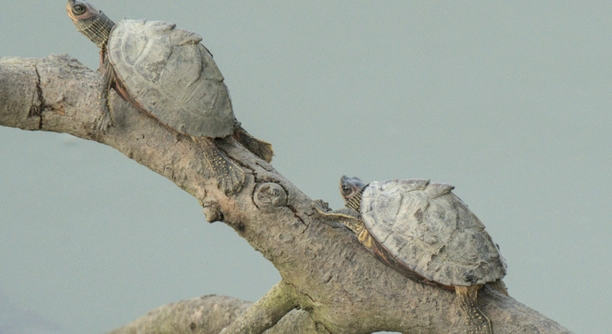
Is your Indian roofed tortoise acting differently, staying in one spot for long periods, or losing interest in its surroundings? Recognizing signs of loneliness in these reptiles can help ensure they stay mentally and physically healthy in captivity.
Indian roofed tortoises can feel lonely if they lack stimulation, exhibit reduced activity, or stop eating. Behavioral changes like excessive hiding, lethargy, or repetitive movements may indicate distress. Providing environmental enrichment and proper interaction can help maintain their well-being.
Observing their habits and making necessary adjustments can create a more comfortable and engaging habitat, helping them stay active and content.
Signs Your Indian Roofed Tortoise May Be Feeling Lonely
A lonely Indian roofed tortoise may show noticeable changes in its behavior. It might become less active, spending more time hiding or resting in one spot. A decrease in appetite or ignoring food it once enjoyed can also indicate distress. Some tortoises may pace their enclosure or engage in repetitive behaviors like glass surfing, which suggests restlessness. Additionally, if your tortoise reacts sluggishly to interactions or stimulation, it could be feeling isolated. These signs often develop gradually, so paying attention to any behavioral shifts is essential for their well-being. Providing a stimulating environment can help prevent these issues.
Creating a proper habitat is crucial in preventing loneliness. An enriched enclosure with hiding spots, climbing structures, and varied textures can keep your tortoise engaged. Interacting with them regularly and maintaining a consistent routine can also make a difference.
If left unaddressed, loneliness can affect their long-term health. Reduced activity can lead to weaker muscles, poor digestion, and overall stress. Ensuring they receive proper attention and stimulation will help maintain their physical and mental well-being.
How to Keep Your Indian Roofed Tortoise Engaged
A well-designed habitat plays a major role in keeping your tortoise engaged. Providing the right mix of space, hiding areas, and environmental changes can encourage movement and exploration.
Adding different textures like rocks, logs, and soft bedding encourages natural behaviors. Regularly rotating enclosure elements, such as rearranging their environment or introducing new objects, prevents boredom. Outdoor time in a secure area with natural sunlight and fresh air can also be beneficial. Interaction, such as gentle handling or offering food by hand, helps build trust and provides stimulation. Maintaining a consistent feeding schedule with a variety of foods ensures they remain interested in their meals.
Keeping your tortoise engaged requires attention to their environment and daily routine. Small adjustments, like introducing new scents or varying their diet, can make a big difference. A well-stimulated tortoise is more likely to stay active and healthy.
Creating a Stimulating Environment
A spacious enclosure with natural elements encourages exploration. Adding climbing structures, rocks, and shaded hiding spots provides variety. Tortoises enjoy burrowing, so a mix of soil and sand can make their space more engaging. Small changes to their surroundings can prevent boredom and keep them active.
Lighting and temperature play a key role in their well-being. A UVB light source mimics natural sunlight, helping with vitamin D absorption and shell health. Maintaining a temperature gradient allows them to regulate body heat, preventing stress. Adding live plants can enhance their habitat while providing occasional snacks. Regularly cleaning and rearranging items in their space helps maintain a fresh, engaging environment.
Tortoises respond well to visual and sensory stimulation. Introducing new textures, such as pebbles or soft moss, encourages exploration. A shallow water dish for soaking can provide comfort and hydration. Rotating decorative elements keeps their environment dynamic, preventing monotony.
Social Interaction and Handling
Indian roofed tortoises can benefit from gentle interaction. While they do not require constant handling, occasional contact helps build trust. Offering food by hand encourages engagement and allows them to associate interactions with positive experiences. Keeping handling sessions brief and calm prevents stress and ensures a comfortable experience for them.
Observing their body language is essential when handling them. If they retreat into their shell or appear tense, it is best to give them space. Slowly introducing new interactions, such as gently stroking their shell or letting them explore outside their enclosure, can help them feel more comfortable. Speaking softly around them may also create a sense of familiarity.
Providing occasional companionship can be beneficial. While they do not need another tortoise to be happy, some enjoy the presence of a tank mate. If introducing another tortoise, ensuring they have ample space and monitoring their behavior can prevent territorial disputes and stress.
Providing Mental Stimulation
Rotating toys and enclosure decorations can prevent boredom. Small objects like smooth stones or logs encourage curiosity and movement. Introducing new scents, such as fresh herbs or natural materials, stimulates their senses and keeps them engaged. A varied environment helps maintain their mental and physical well-being.
Food-based enrichment can make mealtime more interesting. Hiding food under leaves or placing it in different spots encourages natural foraging behavior. Offering a mix of textures and flavors, such as leafy greens, fruits, and vegetables, provides both stimulation and nutritional benefits. Keeping their diet varied helps sustain their interest in food.
Recognizing Stress and Behavioral Changes
A stressed tortoise may become less active, hide frequently, or refuse to eat. Excessive pacing, glass surfing, or aggressive behavior can also indicate discomfort. Observing changes in their routine can help identify stress triggers early, allowing for quick adjustments to improve their well-being.
Encouraging Natural Behaviors
Creating digging areas lets them engage in instinctual burrowing. Shallow water dishes encourage soaking, which helps with hydration and shell health. Adding logs or small obstacles promotes climbing and exploration. Mimicking their natural habitat through these simple adjustments supports their overall happiness and development.
FAQ
How can I tell if my Indian roofed tortoise is lonely?
A lonely tortoise may show signs of reduced activity, lack of appetite, or increased hiding. If they seem uninterested in their surroundings and do not explore as much, they may need more stimulation. Providing enrichment, handling them occasionally, or adjusting their environment can help.
Do Indian roofed tortoises need companionship?
They do not require another tortoise to be happy, but some may enjoy having a tank mate. If adding another tortoise, ensure they have enough space and monitor their interactions. Some tortoises prefer solitude, while others may become more active with company.
How much time should I spend interacting with my tortoise?
Brief daily interactions can help them feel comfortable. Offering food by hand or letting them explore outside their enclosure strengthens trust. However, excessive handling can cause stress. Watching their body language is important to ensure they feel safe and not overwhelmed.
What are the best ways to keep a tortoise entertained?
Rotating decorations, adding climbing structures, and introducing new textures can keep their environment engaging. Food puzzles, such as hiding leafy greens under objects, encourage natural foraging. Changing their surroundings slightly from time to time prevents boredom and keeps them curious.
Can an Indian roofed tortoise recognize its owner?
Tortoises can learn to recognize their owner over time. They may respond to familiar voices, movements, and feeding routines. While they do not show affection like other pets, they can form a sense of familiarity and trust with consistent care.
Why does my tortoise pace around the enclosure?
Pacing or glass surfing often indicates stress or frustration. This can be due to a small enclosure, lack of stimulation, or seeing their reflection. Providing a larger space, covering reflective surfaces, and adding enrichment can help reduce this behavior.
Should I let my tortoise roam outside its enclosure?
Supervised exploration outside the enclosure can be beneficial. It allows them to experience different textures and temperatures, which keeps them engaged. Ensure the area is safe, free of toxic plants, and secure to prevent them from wandering off.
What kind of toys do tortoises like?
Tortoises enjoy simple toys like smooth rocks, logs, and tunnels. Some may push small, lightweight objects around. Providing different textures, scents, and hiding places can make their space more interactive and prevent boredom.
How do I know if my tortoise is stressed?
A stressed tortoise may stop eating, hide excessively, or become unusually aggressive. If they frequently scratch at the walls, dig frantically, or breathe heavily, it could indicate discomfort. Checking their habitat conditions and adjusting their environment can help.
Is it normal for my tortoise to sleep a lot?
Tortoises do sleep a lot, but excessive sleeping could signal an issue. If they seem lethargic, check their temperature, lighting, and diet. Cooler temperatures can make them sluggish, while poor nutrition or illness can also cause excessive rest.
Can music or sounds affect my tortoise’s mood?
Tortoises are sensitive to vibrations rather than sound itself. Loud noises may startle them, while soft, consistent sounds may not bother them. Keeping their environment calm and avoiding sudden loud disturbances can help keep them comfortable.
How can I make my tortoise feel safe and comfortable?
Providing hiding spots, maintaining a proper temperature gradient, and handling them gently can help them feel secure. A predictable routine also reduces stress. Ensuring their enclosure mimics their natural habitat as closely as possible will contribute to their overall well-being.
Final Thoughts
Keeping an Indian roofed tortoise happy and engaged requires understanding its behavior and needs. A lack of activity, changes in appetite, or excessive hiding can indicate loneliness or stress. While these tortoises do not require companionship, they do benefit from a stimulating environment. Providing climbing structures, varied textures, and occasional supervised exploration outside their enclosure can keep them active and curious. Even small adjustments, such as rearranging their habitat or offering food in new ways, can make a difference in their overall well-being.
Regular interaction with your tortoise can also help build trust. While they may not show affection in the same way as other pets, they can recognize their owner and respond to familiar voices and routines. Handling should be gentle and limited to avoid causing stress. Instead of frequent physical contact, spending time near them, feeding by hand, and allowing them to explore their surroundings safely can help them feel more comfortable and secure.
Observing their behavior is key to ensuring they stay happy and healthy. Any significant changes in activity, eating habits, or stress-related behaviors should be addressed by adjusting their habitat or routine. A well-maintained enclosure with the right temperature, lighting, and enrichment will support their natural instincts and keep them content. By paying attention to their needs and providing a stable, engaging environment, you can help your Indian roofed tortoise thrive.

Hello,
If you enjoy the content that we create, please consider saying a "Thank You!" by leaving a tip.
Every little bit helps us continue crafting quality advice that supports the health, happiness, and well-being of pets around the world, for pets of all shapes, sizes, and species.
We really appreciate the kindness and support that you show us!