
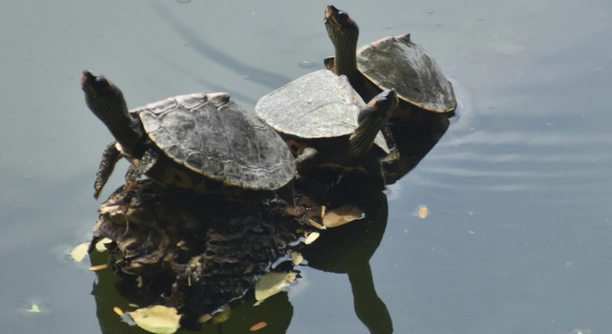
Is your Indian roofed tortoise constantly banging its shell against objects, leaving you concerned about its behavior? This repetitive action can seem unusual, but it often has a clear cause related to environmental factors, social behavior, or health concerns.
Indian roofed tortoises may bang their shells due to territorial behavior, mating instincts, or environmental stressors. In some cases, this behavior can be linked to improper enclosure conditions or nutritional deficiencies. Identifying the root cause is essential to ensuring their well-being and preventing potential injuries.
Understanding why your tortoise engages in this behavior can help you take the right steps to address it. Proper care and observation will ensure a healthier and more comfortable habitat for your pet.
Common Reasons for Shell Banging
Indian roofed tortoises may bang their shells for several reasons, often related to natural instincts or environmental conditions. Territorial behavior is a common cause, especially if multiple tortoises share a space. Males may display dominance by ramming into objects or other tortoises. Mating instincts can also trigger shell-banging, as males attempt to attract females through physical displays. Environmental stressors, such as an enclosure that is too small or lacks proper hiding spots, may lead to frustration and repetitive behaviors. In some cases, nutritional deficiencies or health issues can cause restlessness, leading to excessive movement and shell banging.
A tortoise that frequently bangs its shell may be signaling discomfort. If the enclosure is too small or lacks enrichment, it may seek stimulation through physical interactions with its surroundings. Identifying and addressing these factors can help reduce this behavior.
Observing your tortoise’s environment and interactions is essential. Small adjustments, such as providing more space, hiding spots, or varied textures, can make a noticeable difference. Ensuring proper nutrition and hydration will also contribute to a calmer and healthier tortoise. If the behavior continues despite environmental improvements, a veterinary checkup may be necessary to rule out underlying health concerns.
How to Prevent Shell Banging
Tortoises need a well-structured habitat to feel comfortable and secure. Lack of space, improper substrate, or limited hiding areas can contribute to stress-induced behaviors like shell banging. Addressing these factors will help reduce frustration and encourage healthier activity levels.
Providing a spacious enclosure is the first step in minimizing shell-banging behavior. Indian roofed tortoises thrive in an environment with ample room to explore. A habitat that is too small can cause restlessness, leading to excessive movement and physical interactions with objects. Incorporating logs, plants, and varied textures will create a more engaging space, reducing boredom. Hiding spots and shaded areas offer security, making your tortoise feel more at ease.
Nutrition also plays a role in behavior. A well-balanced diet with leafy greens, vegetables, and occasional fruits ensures proper growth and energy levels. Calcium and vitamin supplements help maintain shell strength, preventing potential discomfort. Regular observation of your tortoise’s behavior, along with a comfortable and enriched habitat, will create a stress-free environment and reduce the likelihood of excessive shell banging.
When to Be Concerned About Shell Banging
Occasional shell banging is normal, but frequent or aggressive behavior may indicate a deeper issue. If your tortoise shows signs of distress, such as loss of appetite, lethargy, or shell damage, it may be time to investigate potential health or environmental concerns.
Environmental stress is a common trigger for persistent shell banging. If the enclosure is too small, lacks hiding spots, or has improper lighting, your tortoise may exhibit restless behavior. Ensure the habitat has adequate space, proper humidity levels, and a well-balanced diet. If changes to the environment do not improve the behavior, health problems like metabolic bone disease or infections may be the cause. A vet visit can help identify underlying issues and provide the necessary treatment to keep your tortoise healthy.
Social dynamics can also play a role. If housed with another tortoise, conflicts may arise, leading to frequent shell banging. Separating aggressive individuals and monitoring their interactions can prevent stress-related behaviors. If your tortoise continues banging its shell despite proper care and a healthy environment, a professional evaluation is the best course of action to ensure its well-being.
Adjusting the Habitat for a Calmer Tortoise
An enriched habitat helps reduce stress and prevents excessive shell banging. Indian roofed tortoises need ample space to roam, a variety of textures for stimulation, and proper hiding spots to feel secure. A well-structured environment encourages natural behaviors and minimizes frustration.
Start by increasing enclosure size if space is limited. A larger area allows your tortoise to explore without feeling confined. Adding natural elements like rocks, logs, and plants will create an engaging environment. The substrate should be soft but firm enough for digging, offering both comfort and stimulation. Proper humidity levels and temperature gradients also play a crucial role in maintaining a stress-free habitat.
Lighting and diet are equally important. UVB lighting supports shell health, preventing discomfort that may lead to restless behavior. A varied diet with calcium-rich foods ensures strong bones and proper development. Regularly monitoring your tortoise’s activity and adjusting its environment accordingly will help prevent unnecessary stress and excessive shell banging.
Behavioral Training to Reduce Shell Banging
Encouraging calm behavior starts with consistent interactions. Handling your tortoise gently and limiting sudden movements can reduce stress. Providing a predictable routine, including regular feeding and light cycles, helps create a sense of security, preventing anxious behaviors that may lead to excessive shell banging.
Enrichment activities can keep your tortoise engaged. Introducing new textures, climbing structures, and foraging opportunities encourages natural movement and mental stimulation. Ensuring your tortoise has a variety of safe, engaging elements in its environment can help redirect energy toward healthier behaviors instead of repetitive shell banging.
The Role of Health in Shell Banging
Health issues can contribute to unusual behaviors. If your tortoise frequently bangs its shell, underlying conditions like metabolic bone disease, respiratory infections, or shell deformities could be the cause. Regular vet checkups are essential to catch potential problems early and ensure proper growth and shell strength.
Monitoring Your Tortoise’s Behavior
Observing daily activity levels can provide insight into your tortoise’s well-being. Sudden changes, such as excessive shell banging, lethargy, or loss of appetite, should not be ignored. Keeping track of behavior patterns will help you recognize when adjustments to habitat, diet, or veterinary care are necessary.
FAQ
Why is my Indian roofed tortoise banging its shell?
Shell banging can be a normal behavior, often triggered by territorial instincts or mating rituals. However, it can also indicate environmental stress, such as a small enclosure, lack of hiding spots, or an unbalanced diet. If this behavior is frequent or aggressive, consider assessing the habitat and making necessary adjustments.
What should I do if my tortoise keeps banging its shell?
If shell banging persists, start by checking the size and layout of the enclosure. Ensure there is plenty of space, varied textures, and adequate hiding spots. If the behavior continues, it may be worth consulting a veterinarian to rule out health issues such as metabolic bone disease or infections.
Can shell banging be a sign of illness?
Yes, persistent shell banging can sometimes be linked to health problems, including discomfort caused by nutritional deficiencies or physical injuries. If the behavior is accompanied by other signs like lethargy, loss of appetite, or changes in the shell, it’s essential to have your tortoise checked by a vet.
How can I stop my tortoise from banging its shell?
To reduce shell banging, ensure your tortoise’s enclosure is large enough for it to move freely. Add enrichment like logs, plants, or other textures to keep it engaged. Make sure the lighting and temperature are suitable, and provide a balanced diet to prevent health issues that could contribute to the behavior.
Is shell banging common among Indian roofed tortoises?
Yes, Indian roofed tortoises may engage in shell banging as part of their natural behavior. It can occur during mating season or as a form of territorial display. However, if it becomes excessive or aggressive, it’s important to assess their environment and health to rule out stress or illness.
How do I know if the shell banging is due to stress?
If your tortoise bangs its shell repeatedly and exhibits other signs of stress, such as hiding or refusing to eat, the behavior may be stress-related. Check the enclosure for any factors that could be causing discomfort, like inadequate space, poor lighting, or environmental fluctuations.
Can I add other tortoises to the enclosure without causing more shell banging?
Introducing new tortoises into an existing enclosure can lead to territorial disputes, which may cause increased shell banging. It’s best to slowly introduce new tortoises under controlled conditions and provide enough space for each one. Observe closely to make sure the interactions are not escalating to aggression or stress.
How can I improve the habitat to prevent shell banging?
A larger enclosure with varied textures is key to improving your tortoise’s habitat. Adding rocks, logs, plants, and hiding spots encourages natural behaviors and reduces stress. Ensuring proper humidity and temperature also plays a crucial role in creating a comfortable space. Regularly monitor your tortoise’s activity and adjust as necessary.
Is shell banging linked to poor diet?
A poor diet can contribute to shell banging, especially if your tortoise lacks essential nutrients like calcium or vitamins. Metabolic bone disease, often caused by inadequate calcium, can lead to discomfort and unnatural behaviors. Providing a balanced diet with plenty of leafy greens and occasional calcium supplements will help ensure your tortoise’s health.
What other behaviors should I be concerned about with my tortoise?
In addition to shell banging, watch for signs like weight loss, shell deformities, lethargy, and a lack of interest in food. These can indicate underlying health issues, such as infections or metabolic bone disease. It’s important to address any concerning changes in behavior promptly to ensure your tortoise remains healthy.
Can shell banging cause harm to my tortoise?
Repeated shell banging, especially if it’s against hard objects, can lead to shell damage or fractures. While occasional shell banging may not pose a risk, excessive force can result in physical injury. Ensure the enclosure has soft surfaces and that your tortoise has plenty of space to move freely to avoid injury.
What can I do if my tortoise’s shell becomes damaged from banging?
If your tortoise’s shell is damaged, it’s important to get it checked by a veterinarian. Small cracks or chips may heal on their own, but more severe injuries require professional treatment. To prevent future damage, modify the enclosure to ensure it’s safe and comfortable for your tortoise.
Final Thoughts
Shell banging in Indian roofed tortoises can be a normal behavior, often related to territorial instincts or mating rituals. However, when it becomes repetitive or aggressive, it may be a sign of stress or discomfort. It’s important to observe your tortoise closely and evaluate its environment. If the banging is due to external factors like a cramped space, lack of stimulation, or improper diet, making adjustments to its habitat can help address the issue.
In some cases, shell banging might indicate underlying health problems such as metabolic bone disease or shell injuries. Regular vet check-ups are essential to ensure your tortoise is healthy and to rule out any medical conditions. Proper nutrition, including calcium-rich foods, and correct environmental conditions like temperature and humidity are crucial to your tortoise’s overall well-being. If the behavior persists, it’s important to address any health concerns and make the necessary changes to improve your tortoise’s habitat and care routine.
Understanding the causes of shell banging and taking steps to address it will help reduce stress and keep your tortoise comfortable. Whether it’s improving the living space, offering enrichment, or providing a balanced diet, small changes can make a big difference. With patience and care, you can ensure your tortoise leads a healthy and happy life. Keep an eye on its behavior and make adjustments as needed, so it can thrive in its environment without unnecessary stress.

Hello,
If you enjoy the content that we create, please consider saying a "Thank You!" by leaving a tip.
Every little bit helps us continue crafting quality advice that supports the health, happiness, and well-being of pets around the world, for pets of all shapes, sizes, and species.
We really appreciate the kindness and support that you show us!