
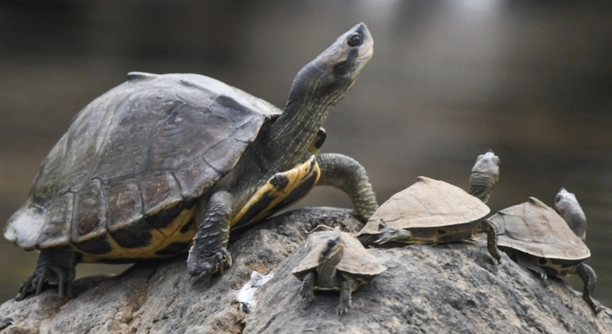
Indian roofed tortoises are fascinating pets, but sometimes, they develop a habit of eating their substrate. This behavior can pose a risk to their health. Understanding the reasons behind this and how to prevent it is important.
To stop an Indian roofed tortoise from eating its substrate, first, ensure they are provided with a proper diet. Offer them a balanced mix of vegetables and protein-rich foods, along with an appropriate habitat setup. A variety of textures and sizes can help distract them from ingesting the substrate.
In the following sections, we will explore various strategies to help curb this behavior. By implementing the right changes, you can create a healthier environment for your tortoise. Understanding their natural instincts will be key in stopping this unwanted habit.
Why Do Tortoises Eat Their Substrate?
Indian roofed tortoises may eat their substrate due to boredom, stress, or a lack of proper nutrients in their diet. In the wild, they are used to foraging for food, so when they are in captivity, they may look for something to chew on if they are not provided with enough variety in their meals. A substrate can seem like a food source, especially if it resembles the plants or materials they might encounter naturally. This habit can also result from inadequate environmental conditions, like a lack of stimulation or too small of an enclosure.
Changing their environment and diet can reduce this behavior. It’s important to observe your tortoise closely to understand the specific triggers behind this action. In many cases, their attempts to eat the substrate can indicate that they’re not feeling satisfied with their habitat. By recognizing this, you can take steps to correct the issue.
Providing variety in both their diet and habitat can help break this behavior. Including plants they can nibble on, offering different textures, and enriching their environment will give your tortoise better alternatives than eating substrate. Make sure to avoid any toxic materials, and aim for a setup that mimics their natural surroundings.
How to Create an Enriched Environment
To stop the substrate-eating behavior, enrichment is key. Adding hides, branches, and safe plants in the enclosure can provide a more stimulating and interactive space. Your tortoise needs places to explore and climb to keep its mind and body engaged.
Consider providing larger areas for exercise, along with different surfaces to crawl on. This will encourage natural behaviors and help prevent boredom. Ensure the enclosure is spacious enough for the tortoise to move freely and comfortably.
By introducing new textures and varying the layout, you create an environment where the tortoise’s focus is drawn toward exploring and interacting with its surroundings. The more enriched the habitat, the less likely it is for the tortoise to resort to eating the substrate. Additionally, you can introduce food puzzles or scattered vegetables to encourage foraging behavior and keep them mentally active.
Diet and Nutritional Balance
The right diet is essential in preventing your tortoise from eating substrate. If your tortoise isn’t getting enough nutrients, it may start to chew on other materials. Offer a well-rounded diet with leafy greens, vegetables, and occasional fruit. Protein is important, but be careful not to overfeed it.
Provide a variety of foods to stimulate natural foraging behavior. This will make mealtime more interesting and reduce the likelihood that they’ll look to the substrate for food. Including plants like dandelion greens or clover can help keep your tortoise engaged. Nutrient-dense foods can prevent any deficiency that might cause this odd behavior.
A vitamin and mineral supplement can also be useful. Make sure your tortoise receives enough calcium, as a lack of it may lead to health issues and could contribute to substrate consumption. A varied diet will address nutritional gaps and discourage your tortoise from seeking out the substrate.
Proper Substrate Selection
Choosing the right substrate is key to minimizing this behavior. Avoid using small, loose materials that may resemble food, as these can encourage eating. Opt for larger, natural substrates like coconut fiber, cypress mulch, or aspen bedding. These are safer and more suitable for your tortoise.
The wrong substrate may cause digestive problems if ingested. It’s crucial to monitor your tortoise closely to ensure it’s not eating the bedding. If they are chewing on the substrate, you may need to change it to a more appropriate one. A clean, safe substrate will support your tortoise’s health and well-being.
Adding a thick layer of substrate also creates a more natural environment, allowing your tortoise to burrow and feel more secure. This can help with stress, which may be a contributing factor to the behavior. Over time, a proper substrate can encourage more natural behaviors and discourage eating it.
Hydration and Its Role
Proper hydration is essential to your tortoise’s overall health. If a tortoise isn’t drinking enough water, it may attempt to consume its substrate. Providing a shallow water dish is important to encourage drinking. Ensure that the water is fresh daily.
Sometimes, tortoises may soak themselves in water, which can also help keep them hydrated. You can offer a shallow bath once a week, allowing your tortoise to soak for 10–15 minutes. This will help with hydration and might also discourage them from eating their substrate out of thirst or dehydration.
Stress and Its Impact
Stress can lead to substrate-eating behavior. Ensure your tortoise’s enclosure is in a quiet, low-traffic area where they feel safe. Constant disturbances or loud noises may make them anxious. Keeping their environment calm is vital for their well-being.
Stress reduction can also involve maintaining a steady temperature in the enclosure. A comfortable environment reduces anxiety and promotes healthy behaviors. If your tortoise is stressed, it may need more hiding spots or cover to feel secure.
FAQ
Why is my tortoise eating its substrate?
Your tortoise may be eating its substrate due to boredom, stress, or a lack of proper nutrition. If the substrate resembles food, they may mistake it for something edible. Another reason could be the absence of proper enrichment or a stimulating environment. It’s important to observe their behavior to identify the exact cause. A change in diet or habitat may help stop the behavior.
How can I prevent my tortoise from eating its bedding?
Preventing substrate-eating starts with providing a balanced diet that fulfills their nutritional needs. Offer a variety of greens, vegetables, and the occasional fruit. Ensure the substrate used is not attractive as food, like small particles or materials that resemble plants. Create a larger, more engaging environment for your tortoise to explore.
What is the best type of substrate for my tortoise?
Coconut fiber, cypress mulch, or aspen bedding are ideal for your tortoise. These options are safe, and they mimic natural environments, giving your tortoise a chance to burrow and explore. Avoid fine sands or gravels that may look like food and be easily ingested. Make sure the substrate is thick enough to create a comfortable living space.
Can hydration affect my tortoise’s behavior?
Yes, dehydration can lead your tortoise to eat its substrate. If they’re not getting enough water, they might mistake the substrate for something they can ingest. Always provide fresh water in a shallow dish and ensure it’s changed regularly. A weekly soak can also help with hydration.
How often should I clean the tortoise’s enclosure?
Cleaning the enclosure is essential for maintaining a healthy environment. Spot clean daily by removing waste and uneaten food. Once every 1–2 weeks, do a deep clean by replacing the substrate and wiping down surfaces. Regular cleaning ensures that your tortoise doesn’t ingest any harmful bacteria or contaminated substrate.
Can stress cause my tortoise to eat substrate?
Yes, stress can cause abnormal behaviors like eating substrate. Stress factors include loud noises, overcrowding, or environmental conditions that feel unsafe. A tortoise that doesn’t feel secure might engage in behaviors like eating substrate. Ensuring their enclosure is in a quiet, low-traffic area and adding more hiding spots can help reduce stress.
What should I do if my tortoise eats the substrate?
If your tortoise eats substrate, try to identify the underlying cause, whether it’s boredom, nutritional imbalance, or stress. Offer a more varied and nutritious diet, increase their environmental enrichment, and change the substrate to a safer option. Monitor their behavior to ensure the problem doesn’t persist.
How can I tell if my tortoise is healthy despite this behavior?
Signs of a healthy tortoise include clear eyes, an active demeanor, and healthy shell growth. If your tortoise is eating substrate, check their overall condition, including whether they’re eating and drinking enough. If they seem lethargic, have changes in their stool, or are not eating properly, it might be a sign that they are unwell.
Are there any supplements that can help with this behavior?
A vitamin and mineral supplement can support your tortoise’s overall health and help address any nutritional deficiencies. Calcium supplements are particularly important, as they prevent shell deformities and encourage healthy growth. Always consult with a vet before adding supplements to your tortoise’s diet to ensure you’re giving the correct amounts.
Can a tortoise be trained to stop eating its substrate?
While you can’t train a tortoise like a dog, you can change its environment and diet to discourage unwanted behavior. Offering a variety of food, creating a more engaging environment, and ensuring the substrate is not tempting can help. The key is creating a suitable space where the tortoise feels safe and satisfied.
How do I know if the substrate is harming my tortoise?
If your tortoise starts showing signs of digestive issues, such as bloating or constipation, this could indicate that the substrate is being ingested and causing problems. Monitor their health closely and consult a vet if you notice any changes in their eating habits or stool. It’s essential to change the substrate to something safer if necessary.
Is it normal for tortoises to eat their bedding in captivity?
It’s not entirely uncommon for tortoises to eat their bedding, especially in captivity where they may not have enough stimulation. In the wild, they forage for food, and when kept in a confined space, they may look for something to chew on. However, with proper diet and enrichment, this behavior can usually be stopped.
What can I add to my tortoise’s diet to stop substrate-eating?
Adding a variety of leafy greens, vegetables like zucchini and bell peppers, and safe flowers can keep your tortoise’s diet interesting and nutritionally balanced. Providing these items will discourage them from seeking out their substrate as a food source. Incorporating foraging opportunities into their feeding routine can also help keep them occupied.
How long does it take to stop a tortoise from eating substrate?
It may take a few weeks to see significant changes. Once you start making adjustments, such as providing a proper diet, improving the enclosure, and offering hydration, you should notice a reduction in the behavior. Be patient and consistent with your efforts, and monitor your tortoise’s progress.
Final Thoughts
Addressing a tortoise’s habit of eating its substrate requires understanding the root causes and making the necessary changes to their environment and diet. This behavior is often linked to boredom, stress, or a lack of proper nutrition. By providing your tortoise with a balanced diet, including fresh vegetables, leafy greens, and the right amount of protein, you can prevent them from seeking out their substrate as a food source. It’s important to offer a variety of textures and flavors, as tortoises naturally forage in the wild for different types of food. A varied and stimulating diet not only meets their nutritional needs but also keeps them mentally engaged, reducing the chances of them turning to their bedding.
Another critical factor in preventing this behavior is the tortoise’s habitat. A well-designed enclosure should offer plenty of space for exploration and provide hiding spots to help reduce stress. Tortoises are naturally curious animals, and they need an environment that encourages them to explore, climb, and interact with their surroundings. Adding enrichment to their space, such as logs, rocks, and safe plants, can help mimic their natural habitat and satisfy their instincts. Additionally, a properly selected substrate that is not mistaken for food can make a big difference. Avoid fine, small substrates that resemble plant material, as these may be tempting for your tortoise to consume. Using natural materials like coconut fiber or cypress mulch is a safer choice.
Lastly, hydration and stress management play important roles in your tortoise’s overall well-being. Dehydration can contribute to unhealthy behaviors, including eating the substrate, so be sure to provide clean water daily. Offering regular soakings can help with hydration and also allow your tortoise to relax. Reducing stress by placing their enclosure in a quiet, low-traffic area and ensuring the temperature is consistent can create a calm environment. With the right adjustments to their diet, habitat, and hydration, you can help your tortoise live a healthier, happier life without the need to eat its substrate.

Hello,
If you enjoy the content that we create, please consider saying a "Thank You!" by leaving a tip.
Every little bit helps us continue crafting quality advice that supports the health, happiness, and well-being of pets around the world, for pets of all shapes, sizes, and species.
We really appreciate the kindness and support that you show us!