
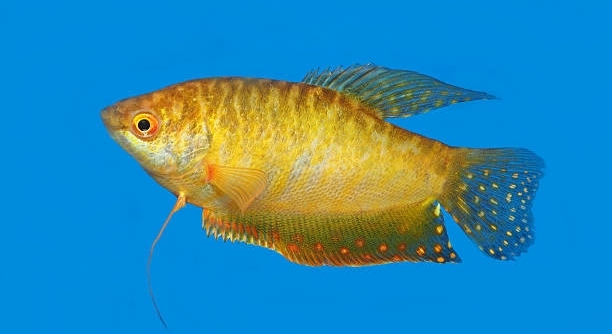
Gouramis are fascinating freshwater fish known for their unique behaviors. Understanding their territorial habits can help you maintain a peaceful aquarium. Recognizing these signs early prevents conflicts and promotes a healthier environment for your fish.
Gourami territorial claims are typically identified by specific behaviors such as flaring fins, chasing intruders, color changes, and guarding particular areas. These actions serve as clear indicators that a gourami is asserting dominance in its space.
Knowing how to spot these behaviors helps you create a balanced tank where all fish can thrive peacefully. This article will guide you through the key ways to identify gourami territorial claims.
Flaring Fins and Display Behavior
When a gourami feels its territory is threatened, it often flares its fins to look bigger and more intimidating. This display usually involves spreading the dorsal and pectoral fins widely. The fish may also raise its body and swim stiffly to show dominance. This behavior is common during feeding times or when new fish enter the tank. Flaring fins are a clear warning to others to keep away. You might notice that the gourami repeats this behavior several times in a short period, especially if the perceived threat persists. Watching closely can help you identify which fish is the dominant one in your aquarium. Over time, you may see the gourami settling down once the other fish recognize its claim. Understanding these signals helps you manage tank mates better and avoid unnecessary stress in your aquatic environment.
This flaring is a natural and common way gouramis defend their space, especially in smaller tanks where territory is limited.
Observing the timing and frequency of fin displays will help you understand the boundaries each gourami sets. If you notice constant flaring, it might be a sign to reconsider tank size or rearrange decorations to provide more hiding spots and reduce tension.
Chasing and Aggressive Movement
Chasing is one of the most obvious signs a gourami is protecting its territory. When another fish enters the claimed area, the gourami will quickly swim after it, sometimes biting or bumping to force it out. This behavior can be more intense during breeding or feeding times. The fish may patrol specific spots repeatedly to make sure no one intrudes. It is important to recognize this behavior early because prolonged chasing can cause stress or injury to other fish. Sometimes the chased fish will try to escape by hiding among plants or decorations. Rearranging the tank or adding more plants can help break lines of sight and calm aggressive interactions. In some cases, separating aggressive gouramis or increasing tank size may be necessary to maintain peace. Monitoring how often and how aggressively chasing occurs allows for better care decisions for all tank inhabitants.
Color Changes During Territorial Displays
Gouramis often change color when defending their territory. Their hues may become brighter or darker to show aggression. This visual cue warns other fish to stay away and signals the gourami’s readiness to defend its space.
Color change is a strong indicator of territorial behavior. When threatened, gouramis enhance their colors, especially males during breeding seasons. This change can be subtle or very noticeable, depending on the individual fish and situation. The color shift helps reduce physical conflict by serving as a warning. If you notice sudden or frequent color changes, it’s a sign your gourami is stressed or feels crowded. Adjusting tank conditions or providing more hiding spots can ease tension.
Besides signaling aggression, color changes may also reflect the gourami’s mood or health. Keeping an eye on these changes helps in understanding both social behavior and well-being, guiding you in creating a better environment for your fish.
Guarding Specific Tank Areas
Territorial gouramis often guard certain spots in the tank, such as caves, plants, or decorations. They become protective over these areas and chase others away when approached.
This guarding behavior helps gouramis establish a safe zone where they can feed, rest, or breed. They may swim back and forth near the spot, appearing alert and ready to defend. If another fish tries to enter this space, the gourami will respond quickly with chasing or fin displays. Providing multiple hiding places and spreading out decorations can reduce conflicts by allowing each fish to claim its own area. Recognizing which parts of the tank your gourami guards most often helps in tank management and keeping a peaceful environment.
Bubble Nest Building
Male gouramis build bubble nests as part of their territorial claim, especially during breeding. These nests are clusters of bubbles floating on the water’s surface. The nest signals the area is claimed and ready for spawning.
The presence of a bubble nest often increases territorial behavior. The male will guard the nest fiercely, chasing away intruders to protect his future offspring. Nest building is a clear sign of strong territorial instinct and readiness to reproduce.
Body Posture and Positioning
Gouramis use body posture to show dominance. They often swim upright or head-on toward intruders, making themselves appear larger and more threatening.
Such positioning is a way to warn other fish without direct conflict. This behavior helps maintain boundaries and avoid physical fights.
Increased Aggression Levels
Territorial gouramis show higher aggression when defending their space. Aggressive behaviors include chasing, biting, and constant fin flaring to intimidate others.
This increased aggression is a natural response to protect resources like food, mates, or shelter. Monitoring aggression helps prevent injury and stress among tank mates.
FAQ
How can I tell if my gourami is being territorial or just playful?
Territorial gouramis display more consistent and repeated behaviors like flaring fins, chasing, and guarding specific spots. Playful actions tend to be shorter and less aggressive, without the intent to push other fish away. If your gourami shows signs mainly when others come close to a particular area, it’s likely territorial behavior.
Is it normal for gouramis to fight in the same tank?
Some level of fighting can happen when gouramis establish territory, especially males. However, constant aggressive fighting is not healthy. If you notice injuries or stressed fish, it’s important to intervene by rearranging the tank or increasing space.
What tank size is best to reduce territorial disputes among gouramis?
A larger tank helps reduce territorial issues by providing more space and hiding spots. Generally, at least 20 gallons is recommended for one gourami, with extra space if you keep multiple gouramis or other fish.
Can tank decorations help with gourami territorial claims?
Yes, decorations like plants, caves, and rocks create natural boundaries and hiding places. These reduce conflict by allowing gouramis to claim different areas without constant confrontation.
Why does my gourami change color suddenly?
Sudden color changes often mean your gourami feels stressed or threatened. It can also be a sign of territorial display, especially if the fish brightens or darkens around other fish. Monitor for other signs like chasing or fin flaring to understand the cause.
How do I manage aggressive gouramis without separating them?
Try adding more plants and decorations to break lines of sight. Increasing tank size or rearranging furniture can also help. Feeding the fish well and on a regular schedule reduces competition, lowering aggression.
Are female gouramis territorial too?
Females can show territorial behavior, but it’s usually less intense than males. Female gouramis might guard small areas but rarely chase others aggressively unless protecting eggs or fry.
What signs show that gourami aggression is harming the tank environment?
Look for injuries, torn fins, or hiding fish that rarely come out. Constant chasing and flaring indicate stress. If these signs appear, consider changing tank setup, separating fish, or adjusting the number of gouramis.
How can I introduce new fish without triggering territorial behavior?
Add new fish slowly and try to introduce them to a neutral part of the tank. Rearranging tank decorations before introducing new fish can disrupt established territories and reduce aggression.
Is bubble nest building always a sign of aggression?
Not always. Bubble nests are primarily a breeding behavior, but males will defend the nest vigorously. During this time, territorial behavior tends to increase to protect the nest area.
Can stress from territorial fights affect gourami health?
Yes, ongoing stress from territorial disputes weakens the immune system and can cause illness. Reducing conflict through proper tank management is important for gourami health.
How do I know if a gourami is too stressed from territory disputes?
Signs of stress include loss of appetite, hiding more than usual, faded color, and erratic swimming. If these signs appear alongside aggressive behavior, it’s time to make changes in the tank environment.
Understanding gourami territorial behavior is important for anyone keeping these fish in an aquarium. Gouramis naturally claim space and show signs like fin flaring, chasing, and guarding specific areas. These behaviors are a normal part of how they communicate and protect their home. Recognizing these signs early helps in managing your tank environment better and preventing conflicts among your fish. This knowledge allows you to create a peaceful setting where gouramis and other tank mates can live comfortably.
Managing territorial claims involves making small changes to your aquarium setup. Providing enough space is key, as gouramis tend to be less aggressive when they have room to spread out. Adding plants, decorations, or hiding spots gives them places to retreat and claim without constant confrontation. Rearranging tank furniture occasionally can also help break established territories and reduce tension. Feeding fish regularly and evenly further lowers competition and aggressive behavior. These simple steps contribute to a healthier, more balanced aquarium.
Keeping an eye on your gouramis’ behavior and health is essential. Watch for signs of stress like color changes, hiding, or damaged fins, which often result from ongoing territorial disputes. When these signs appear, consider adjusting tank size, décor, or the number of fish. Sometimes, separating particularly aggressive gouramis may be necessary to protect the whole community. Overall, understanding and managing territorial behavior improves the quality of life for your gouramis and ensures a peaceful aquarium for all its inhabitants.

Hello,
If you enjoy the content that we create, please consider saying a "Thank You!" by leaving a tip.
Every little bit helps us continue crafting quality advice that supports the health, happiness, and well-being of pets around the world, for pets of all shapes, sizes, and species.
We really appreciate the kindness and support that you show us!