
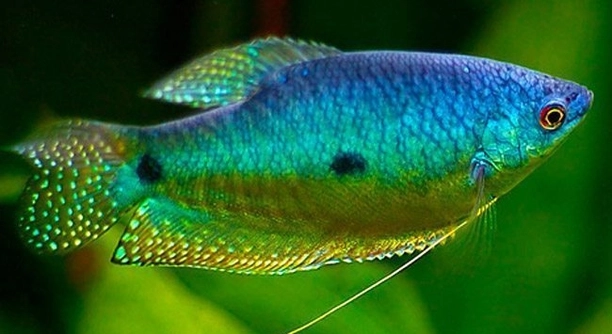
Gouramis are popular freshwater fish that often share tanks with other species. When new fish are introduced, gouramis may react in different ways. Understanding their behaviors can help create a peaceful aquarium environment.
Gouramis show seven common responses to new fish: curiosity, caution, territorial displays, hiding, ignoring, aggression, and social interaction. These behaviors vary depending on the gourami’s personality, tank conditions, and the newcomer’s species.
Recognizing these reactions helps aquarists manage fish introductions carefully for better harmony in the tank.
Curiosity and Exploration
When a new fish enters the tank, gouramis often show curiosity first. They swim closer to observe the newcomer, sometimes circling or following it gently. This behavior helps them gather information about the new fish’s size, color, and movements. Curiosity is usually harmless and a sign the gourami is adjusting to change. Some gouramis may even inspect the tank decorations or plants more actively, as if comparing the new setup with the old. This phase doesn’t last long, usually a few hours to a day, depending on the gourami’s temperament. It’s important to watch this closely because too much excitement might stress the new fish. Gentle curiosity can help both fish get used to each other without aggression.
Gouramis use this initial period to understand whether the new fish is a threat or a companion.
Being patient during this stage can prevent future conflicts and help create a calmer tank atmosphere.
Territorial Displays
Gouramis are known for their territorial behavior, especially males. When a new fish arrives, they may flare their fins, change colors, or build bubble nests to claim space. This territorial display is a natural way to establish dominance and protect their preferred areas. It can sometimes lead to chasing or mild aggression if the new fish gets too close. Territorial displays tend to be more common in smaller tanks where space is limited. Providing plenty of hiding spots and visual barriers helps reduce stress and fighting. These displays don’t always mean long-term hostility; often, gouramis and new fish learn to respect boundaries and coexist peacefully. Observing these signs early allows for quick intervention, such as rearranging decorations or separating aggressive individuals if necessary. Understanding their territorial instincts is key to maintaining balance in a mixed-species aquarium.
Hiding Behavior
Gouramis often hide when a new fish is introduced, especially if they feel threatened. They may retreat behind plants, decorations, or inside caves to avoid confrontation. This behavior is common in shy or less dominant gouramis.
Hiding helps gouramis feel safe while they observe the new fish from a distance. It reduces stress and gives them time to assess the situation without risking a fight. In some cases, hiding may last only a few hours, but it can extend longer if the new fish is very active or aggressive. Providing plenty of hiding spots encourages this behavior and helps maintain peace in the tank.
If hiding persists for too long, it may indicate ongoing stress. Checking water quality, tank size, and tank mates can improve the gourami’s comfort and confidence.
Aggressive Responses
Gouramis may react aggressively to new fish, especially males defending territory or during breeding seasons. Aggression can include chasing, fin flaring, or nipping. This behavior is a way to protect their space and resources.
Aggressive responses depend on the individual fish and tank conditions. In crowded tanks or with incompatible species, aggression is more likely and can escalate quickly. Monitoring interactions during introductions is crucial. If aggression is severe, separating fish temporarily or rearranging tank décor can help break established territories. Adding more plants and hiding spots may also reduce conflict. Some gouramis calm down over time as they get used to new companions, but persistent aggression needs careful management to avoid injury or stress. Understanding these patterns helps maintain a peaceful aquarium environment.
Ignoring New Fish
Sometimes, gouramis simply ignore new fish. They continue their usual swimming and feeding habits without paying much attention to the newcomer. This often happens when the new fish is non-threatening or too different in behavior.
Ignoring can be a sign that the gourami feels secure in its environment. It may also indicate the gourami is confident in its territory and doesn’t see the new fish as competition. This behavior helps keep peace in the tank without unnecessary stress for either fish.
Social Interaction
Gouramis sometimes engage in gentle social behavior with new fish, such as swimming together or mimicking movements. This interaction can help build a peaceful coexistence.
Stress Signals
Gouramis may show stress through rapid gill movement, hiding, or loss of appetite. These signs indicate discomfort or fear. Observing these signals helps address problems early.
How can I tell if my gourami is stressed by a new fish?
Stress in gouramis can show in several ways. You might notice your gourami hiding more often than usual, staying still in one spot, or swimming erratically. Rapid gill movement or heavy breathing is another common sign. Sometimes, stressed gouramis lose their appetite or show faded colors. These behaviors mean the fish is uncomfortable and possibly afraid of the new tankmate. Watching your gourami closely during and after introducing new fish is important to catch these signs early. If stress continues, consider adjusting the tank environment or separating the fish temporarily to give your gourami a break.
What should I do if my gourami is aggressive toward a new fish?
If your gourami shows aggression like chasing or fin nipping, try to increase hiding places and decorations. Visual barriers can reduce direct line of sight and lower tension. You can also rearrange the tank to break up established territories. If aggression persists, consider separating the fish for a while to calm things down. Introducing new fish slowly and choosing compatible species helps avoid fights. Always observe interactions closely to prevent injury. In some cases, aggression fades as gouramis get used to new companions, but ongoing issues might need more serious action.
Are some gourami species more territorial than others?
Yes, some gourami species are more territorial, especially male bettas and certain dwarf gouramis. Larger gouramis like the pearl gourami can be territorial but are often less aggressive if given enough space. Territorial behavior depends on species, gender, tank size, and individual personality. Smaller tanks increase territorial disputes because space is limited. To reduce problems, provide plenty of plants, caves, and hiding spots. Knowing your gourami species’ behavior helps set up the tank properly and choose suitable tankmates.
How long does it take for gouramis to accept new fish?
The adjustment period varies, but typically gouramis take from a few hours to several days to get used to new fish. Some shy gouramis may hide for longer, while more confident ones might interact quickly. Providing a calm, well-structured environment speeds up this process. Avoid sudden moves or overcrowding during introductions. Patience is key—rushing the process can increase stress and aggression. Watching your gourami’s behavior daily helps you understand when they are settling in well.
Can tank size affect how gouramis react to new fish?
Tank size plays a big role in how gouramis respond. Smaller tanks can increase stress and territorial behavior because fish have less space to escape or establish their own areas. Larger tanks give gouramis room to swim freely, hide, and avoid conflict. A well-planted, spacious tank reduces aggressive interactions and supports natural behaviors. If your tank is small, consider upgrading or limiting the number of fish. Good tank management helps keep all fish healthy and peaceful.
What types of fish are best to introduce with gouramis?
Peaceful, similarly sized fish usually get along best with gouramis. Tetras, rasboras, and some catfish species are often good companions. Avoid aggressive or very fast swimmers that might stress gouramis. Also, steer clear of fin-nippers since gouramis have long fins that can be targets. Research each species’ temperament and habitat needs before adding them. Compatibility depends on more than size; behavior and tank conditions matter a lot too. Introducing fish slowly and monitoring interactions helps ensure a calm community tank.
How can I reduce aggression during new fish introductions?
Introducing new fish slowly and carefully helps reduce aggression. Use a quarantine or divider tank first to let gouramis get used to the newcomer’s presence without direct contact. Rearranging tank decorations before adding new fish breaks up territories and prevents immediate dominance fights. Adding plenty of plants and hiding spots gives all fish safe places to retreat. Avoid overcrowding and maintain good water quality to reduce stress. If aggression happens, intervene early by separating fish or changing the environment. Calm and gradual introductions make a big difference.
Is it normal for gouramis to build bubble nests when new fish arrive?
Yes, male gouramis often build bubble nests as a territorial or breeding behavior, especially when new fish enter the tank. It’s a way of claiming space and showing readiness to breed. This can sometimes increase territorial displays or aggression toward the newcomer. Providing enough space and places for the gourami to build the nest helps satisfy this behavior without conflict. If you don’t plan to breed, removing or limiting nesting materials can reduce tension. Understanding bubble nest building helps you manage gourami behavior better.
What signs show that gouramis and new fish are starting to get along?
Signs of peaceful coexistence include relaxed swimming patterns, shared feeding times, and reduced chasing or hiding. Gouramis may swim near the new fish or follow them without aggression. Bright colors and active behavior usually mean they are comfortable. When gouramis stop flaring fins or darting away, it shows they accept the new tankmates. These positive signs often appear after several days or weeks. Maintaining a calm environment and good tank care supports this process. Seeing these changes means your fish are adapting well together.
When introducing new fish to a tank with gouramis, it’s important to understand their natural behaviors. Gouramis can respond in many ways, including curiosity, hiding, aggression, or ignoring the newcomer. Each fish is different, so reactions may vary. Some gouramis are more peaceful and adjust quickly, while others take time to settle or may act territorial. Watching your fish carefully after adding new tankmates can help you notice these behaviors early and take steps to keep the tank peaceful. Providing enough space, plants, and hiding spots plays a big role in reducing stress and aggression.
Patience is key when mixing gouramis with new fish. It can take days or even weeks for fish to get used to each other and the new environment. During this time, gouramis may show signs of stress or discomfort, such as hiding or chasing. These behaviors are normal but should be monitored closely. If aggressive behavior becomes intense or stress signs last too long, adjustments may be needed, like rearranging the tank or separating certain fish. By giving gouramis time and a calm space, you help create a more balanced and healthy aquarium.
Overall, understanding gouramis’ responses to new fish helps create a better tank environment. Knowing their behaviors lets you prepare the tank properly and manage any issues quickly. A well-planned setup with compatible fish, plenty of space, and places to hide makes a big difference. When you watch closely and respond to your gouramis’ needs, the whole tank becomes a more peaceful and enjoyable home. Keeping the balance may take some effort, but it leads to happier fish and a nicer aquarium for everyone.

Hello,
If you enjoy the content that we create, please consider saying a "Thank You!" by leaving a tip.
Every little bit helps us continue crafting quality advice that supports the health, happiness, and well-being of pets around the world, for pets of all shapes, sizes, and species.
We really appreciate the kindness and support that you show us!