
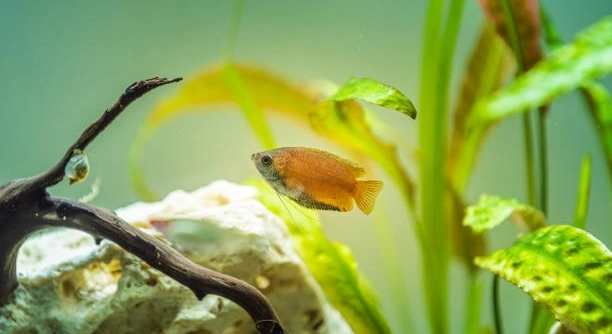
Gouramis are gentle fish that communicate in subtle ways. Their slow movements often signal attention rather than random activity. Understanding these behaviors can help you better connect with your aquatic pets.
Slow movements such as gliding near the tank walls, gentle fin waving, or hovering quietly are clear signs that gouramis are watching their surroundings. These behaviors indicate alertness and interest in nearby activity, reflecting their natural cautious nature.
Recognizing these signals can improve your care and deepen the bond you share with your gouramis. This article explains seven key slow movements that show when your fish are paying attention.
Slow Gliding Near the Tank Walls
When gouramis glide slowly along the tank walls, it usually means they are carefully observing their environment. This movement allows them to scan for changes or potential threats while staying close to the safety of the edges. They move with deliberate calmness, showing they are alert but not stressed. This behavior often happens when something new is introduced to the tank, such as a change in lighting or the presence of a new fish. By moving slowly, gouramis take in details without drawing attention to themselves. It is a natural way to remain aware without rushing into action. Watching this behavior helps you understand their comfort level and what might be causing slight unease or curiosity. It’s a sign they are paying close attention and processing information around them.
This slow gliding is a key sign that gouramis are engaged and aware of their surroundings.
Paying attention to how your gouramis move near the tank walls can give you insight into their mood and help you adjust their environment for better comfort.
Gentle Fin Waving
Gouramis often wave their fins slowly when they are focused on something nearby. This gentle fin movement can look like a soft ripple or a steady flutter. It’s a way for them to sense water currents and detect nearby motion. The fins help gather information about what is happening around them without fully exposing themselves. This behavior is subtle but meaningful, as it shows the gourami is engaged and attentive. Slow fin waving is also a calming gesture, often seen when they are watching other fish or people. It’s less about aggression and more about careful observation. When you notice this, it means your gourami is alert and interested in what’s going on, but still relaxed enough to remain close to its safe spot. This action helps gouramis feel connected and aware in their tank environment.
Hovering Quietly
Gouramis often hover quietly in one spot when they are watching something closely. This stillness shows they are focused and not feeling threatened. They use this behavior to study their surroundings carefully.
Hovering quietly allows gouramis to observe without drawing attention. By staying mostly motionless, they conserve energy and avoid startling other fish or objects in the tank. This behavior is common when something unfamiliar appears, like a new decoration or movement outside the tank. It helps them gather information while staying safe. The longer they hover, the more interested they are. It is their way of quietly assessing whether they should explore or retreat.
This stillness is also calming for gouramis. It shows a peaceful curiosity and a willingness to watch rather than react immediately. Watching your gourami hover can be a good sign they feel secure enough to observe quietly.
Slow Turning of the Body
A slow body turn is a subtle sign that gouramis are watching with interest. They don’t rush the movement but rotate gently to get a better view of what is catching their attention.
This movement helps gouramis focus their vision and analyze their surroundings from different angles. Turning slowly prevents sudden motions that could alarm other fish or disrupt the tank’s balance. It is an intentional, careful behavior that signals awareness and concentration. This slow rotation often happens when something is new or unexpected in the tank, like a change in lighting or a new tank mate. It allows the gourami to gather detailed information before deciding what to do next.
By turning their bodies slowly, gouramis show a calm and measured approach to observing. This behavior highlights their natural caution and intelligence. It helps them stay alert while maintaining a relaxed state. Recognizing this can help you understand when your gouramis are paying close attention to their environment and feeling secure enough to take their time.
Slow Approach Toward Objects
Gouramis often move slowly toward objects they find interesting. This cautious approach helps them investigate without feeling threatened or startled.
They take their time to explore new items or changes in the tank. This behavior shows curiosity mixed with caution, which is typical for their nature.
Gentle Head Bobbing
Gouramis may bob their heads gently when observing their surroundings. This small movement helps them focus and gather more information about what they are watching.
The head bobbing is subtle and slow, indicating the fish is calmly engaged rather than stressed or aggressive.
Slight Fin Flare
A slight flare of the fins can show that a gourami is alert and paying close attention. This movement is not aggressive but signals interest.
Pausing Mid-Swim
Gouramis often pause mid-swim when something catches their attention. This brief stillness lets them watch carefully before deciding what to do next.
Why do gouramis watch so closely with slow movements?
Gouramis are naturally cautious fish. Slow movements let them observe their environment carefully without attracting too much attention. This behavior helps them detect changes or potential threats. Moving slowly also reduces stress, allowing them to feel safer while they assess their surroundings. Watching closely with slow, deliberate actions is part of their survival instinct in the wild, where sudden moves can mean danger. In a tank, this behavior shows they are alert but comfortable enough to stay calm and curious. It is a balance between being aware and not causing alarm.
Are slow movements a sign of stress or comfort in gouramis?
Slow movements usually indicate comfort and attentiveness rather than stress. When gouramis are stressed, their movements tend to be faster or erratic as they try to escape or hide. Slow, smooth actions like gentle fin waving or hovering mean they feel secure enough to observe quietly. However, it’s important to watch the whole context. If slow movements come with hiding or loss of appetite, it could suggest stress or illness. But generally, slow movements mean your gouramis are relaxed and interested in what is happening around them.
How can I tell if my gourami is just watching or about to react?
Gouramis give subtle cues before reacting. Slow gliding and gentle fin waving usually mean they are just watching. If you see their body start to tense or fins flare more widely, it could mean they are preparing to respond, either by swimming away or defending themselves. Pausing mid-swim to hover quietly often shows they are focused but calm. Sudden bursts of speed or aggressive chasing mean they have moved from watching to reacting. Paying attention to these changes helps you understand their mood and avoid startling them.
Do gouramis watch their owners or just other fish?
Gouramis can watch both their owners and other fish. They are curious creatures and learn to recognize movements outside the tank, including people nearby. Slow movements like hovering or fin waving when you approach the tank show they are observing you calmly. They might be curious about your presence or waiting for feeding time. Watching other fish with slow, deliberate movements is part of their natural social behavior. It helps them understand the group’s dynamics and decide how to interact safely.
Can slow movements indicate illness in gouramis?
Slow movements alone do not usually mean illness. Healthy gouramis often move slowly when watching or exploring. However, if slow movement is paired with other signs like lethargy, loss of appetite, clamped fins, or abnormal swimming, it could indicate health issues. In such cases, monitoring water quality and tank conditions is important, as poor environments can stress fish and cause illness. If you notice persistent slow movement with other symptoms, consider consulting a vet or experienced aquarist for advice.
What should I do if my gourami seems overly still or slow?
If your gourami is unusually still or slow, first check the tank conditions. Poor water quality, wrong temperature, or lack of oxygen can cause sluggish behavior. Make sure the environment is clean and stable. Observe for other symptoms like discoloration or labored breathing. Sometimes fish rest quietly for long periods, which can be normal. But if the stillness continues or worsens, it might mean illness or stress. Providing a calm, well-maintained tank and a proper diet usually helps. If the behavior persists, seek expert advice.
How do slow movements help gouramis communicate with each other?
Gouramis use slow movements to send signals to each other without causing alarm. Gentle fin waving or slow gliding can show interest, submission, or calmness. These movements help maintain peace in the tank by avoiding sudden actions that might trigger aggression. For example, a slow approach can indicate curiosity rather than a threat. Hovering quietly near other fish lets them observe social cues. This slow, subtle communication helps gouramis coexist peacefully and respond to changes in their group or environment.
Are there differences in slow watching behaviors between gourami species?
Different gourami species may show slow watching behaviors in unique ways, but the general patterns are similar. Some species, like dwarf gouramis, tend to be more shy and may hover or move slowly more often. Others, like pearl gouramis, might display fin waving or slow body turns more prominently. The size and temperament of the species influence how they watch and react. However, all gouramis use slow, deliberate movements to observe their environment carefully. Understanding your specific species’ habits can improve how you interpret their watching behaviors.
Understanding your gourami’s slow movements can greatly improve how you care for them. These gentle actions often mean the fish is paying close attention to its environment. Watching slowly, gliding near tank walls, or hovering quietly are natural ways gouramis observe without feeling threatened. By recognizing these behaviors, you can better judge when your fish feels safe or when something in their space has caught their interest. This helps create a more comfortable and healthy home for them, as you can adjust lighting, tank mates, or decorations to match their needs.
Slow movements in gouramis are usually a positive sign, showing calmness and curiosity rather than stress. These fish use slow, deliberate motions to communicate with each other and to stay aware of changes around them. This is their way of gathering information while staying relaxed. It’s important not to mistake these subtle signals for sickness or weakness. Instead, consider them part of your gourami’s natural behavior. When you see your fish gently waving fins, pausing mid-swim, or slowly turning its body, it’s simply engaging with its surroundings in a peaceful way.
Paying attention to these small details helps deepen your connection with your gouramis. Knowing when they are watching and understanding what their slow movements mean can make caring for them more rewarding. It also helps you spot any changes that might need your attention, such as shifts in behavior caused by illness or stress. Overall, slow movements are an important part of how gouramis interact with their environment and with you. Taking time to observe and respect these signs will support their well-being and make your aquarium a better place for everyone.

Hello,
If you enjoy the content that we create, please consider saying a "Thank You!" by leaving a tip.
Every little bit helps us continue crafting quality advice that supports the health, happiness, and well-being of pets around the world, for pets of all shapes, sizes, and species.
We really appreciate the kindness and support that you show us!