
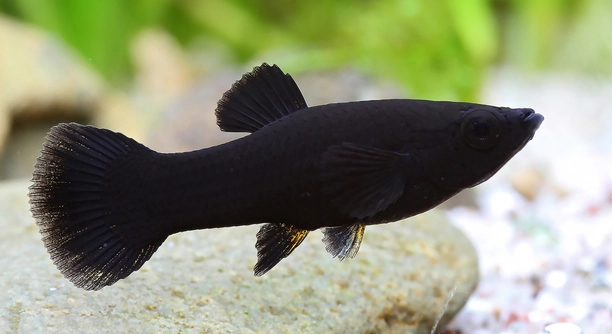
Black Mollies are lively and beautiful fish that brighten any aquarium. Observing them closely can reveal subtle changes in behavior, including appetite shifts that may indicate stress, illness, or environmental concerns that need attention.
If a Black Molly loses its appetite, it is essential to first check water quality, temperature, and tank conditions. Stress, poor diet, or underlying illness are common causes, and adjusting these factors promptly can help restore normal feeding behavior.
Maintaining a healthy environment and monitoring behavior regularly ensures your fish remain active and thriving in their aquatic home.
Common Causes of Appetite Loss in Black Mollies
Black Mollies may stop eating for several reasons, often related to their environment or health. Water quality is a frequent factor. High ammonia, nitrite, or nitrate levels can stress the fish, making them avoid food. Temperature fluctuations can also affect their metabolism, slowing digestion and reducing interest in meals. Changes in tank conditions, such as new fish, rearranged decorations, or sudden noise, may increase stress. Illness is another possibility. Internal parasites, bacterial infections, or fungal growth can decrease appetite. Nutrition matters as well. Feeding low-quality or expired food can lead to disinterest, as can sudden diet changes. Observing behavior, checking water parameters, and maintaining a balanced feeding schedule can help identify the cause.
Keeping a consistent feeding routine and monitoring water parameters often restores normal eating habits quickly, reducing the risk of long-term health problems.
Proper care involves careful observation. Watch for unusual swimming, clamped fins, or weight loss, and respond immediately with water checks, dietary adjustments, or treatments to prevent further decline.
Immediate Actions to Take
Offer smaller, more frequent meals to encourage eating. Monitor water quality closely and remove any uneaten food promptly.
If your Black Molly refuses food, start by testing the tank for ammonia, nitrite, nitrate, and pH levels. Make sure the temperature is steady, ideally between 24–28°C (75–82°F), as fluctuations can reduce appetite. Check for signs of disease, including spots, discoloration, or unusual swimming patterns. Quarantining sick fish and treating infections early can prevent spread. Adjust feeding practices by introducing a variety of high-quality foods, such as flakes, frozen or live brine shrimp, and vegetables like blanched spinach or zucchini. Avoid overfeeding, which can worsen water quality and further stress the fish. Observation is key: noting subtle changes in behavior or appearance helps determine whether the issue is environmental, dietary, or medical. Acting promptly can restore appetite and overall health, ensuring your Black Mollies remain active, healthy, and vibrant in their habitat.
Adjusting Diet and Feeding Habits
Introduce high-quality food gradually to encourage eating. Offer small portions several times a day to prevent overfeeding and reduce stress.
Variety in diet can improve appetite. Black Mollies respond well to a mix of flake food, frozen or live brine shrimp, and blanched vegetables like spinach or zucchini. Avoid sudden changes, as abrupt diet shifts may cause refusal to eat. Rotating foods can stimulate interest while providing balanced nutrition. Monitor portions closely and remove uneaten food to maintain water quality. Consistency and gradual adjustments are key to restoring normal feeding behavior.
Pay attention to feeding patterns. Some Black Mollies prefer morning or evening meals. By observing and aligning feeding times with their natural behavior, appetite can improve. Gradual introduction of new foods helps them adapt without stress, supporting long-term health.
Maintaining Optimal Tank Conditions
Regular water changes help maintain stable conditions, removing toxins and waste that affect appetite. Clean filters and monitor water parameters closely.
Stable water temperature and chemistry are crucial for Black Mollies’ health. Keep pH between 7.0 and 8.0 and maintain temperature around 24–28°C (75–82°F). Overcrowding increases stress, which can reduce feeding. Remove decaying plants and leftover food promptly. Adequate hiding spots and gentle water flow encourage comfort, supporting normal appetite. Observing fish daily helps detect early signs of illness or environmental issues. Maintaining these conditions consistently ensures Black Mollies remain active, healthy, and more willing to eat regularly.
Stress Reduction Techniques
Minimize sudden movements near the tank and loud noises. Keep the environment calm to prevent Black Mollies from hiding or refusing food.
Provide plants or decorations for hiding spots. These areas give fish a sense of security, reducing stress and encouraging regular feeding behavior.
Monitoring Health Closely
Check for external signs of illness such as faded colors, clamped fins, or unusual swimming patterns. Early detection helps prevent more serious issues. Regular observation allows adjustments in care, feeding, or treatment before problems worsen, ensuring your fish stay healthy and active.
Using Supplements Carefully
Occasional vitamin-enriched foods or live food can stimulate appetite. Introduce supplements gradually to avoid digestive upset and support overall nutrition.
FAQ
Why has my Black Molly stopped eating suddenly?
A sudden loss of appetite is often linked to stress, water quality issues, or illness. Changes in temperature, overcrowding, or tank rearrangements can stress them. Illness, parasites, or bacterial infections also reduce feeding. Checking water parameters and observing behavior carefully can help identify the problem.
Can changing their diet help them start eating again?
Yes, gradually introducing high-quality flake food, frozen or live brine shrimp, and blanched vegetables can encourage appetite. Avoid sudden diet changes, as Black Mollies can be sensitive. Small, frequent feedings also improve interest in food while maintaining stable water conditions.
How do I know if it is stress or illness?
Stress often shows as hiding, clamped fins, or erratic swimming. Illness may include faded colors, spots, lethargy, or weight loss. Observing these signs alongside water checks can help determine whether environmental adjustments or medical treatment are needed.
Should I isolate my Black Molly if it stops eating?
Isolation can help prevent spread of disease if illness is suspected. It also reduces competition for food and stress from other fish. A quarantine tank with clean water and proper temperature can support recovery while allowing careful monitoring.
How important is water quality for their appetite?
Water quality is critical. High ammonia, nitrites, or nitrates can stress fish and suppress appetite. Regular water changes, proper filtration, and monitoring pH and temperature are essential to maintain a healthy environment that encourages regular feeding.
Can live food really improve appetite?
Live food is highly effective. Black Mollies are naturally drawn to movement and scent. Brine shrimp, daphnia, or bloodworms can stimulate interest in feeding. Introducing live food occasionally can encourage eating, especially during recovery from appetite loss.
Is overfeeding harmful when they are not eating well?
Yes, overfeeding can worsen water quality, increase stress, and cause digestive issues. Only offer small portions they can consume quickly. Remove uneaten food to prevent toxins from accumulating and further reducing appetite.
How long can a Black Molly survive without eating?
Healthy adult Black Mollies can survive several days without food, but prolonged fasting can weaken them and make recovery harder. Addressing the cause promptly, whether environmental or medical, is essential to prevent long-term health issues.
Can temperature changes affect their feeding habits?
Absolutely. Black Mollies prefer stable temperatures between 24–28°C (75–82°F). Sudden drops or rises slow metabolism, reduce digestion, and make fish less interested in food. Maintaining consistent temperature improves appetite and overall activity.
What supplements or vitamins can help stimulate appetite?
Vitamin-enriched flakes or occasional live food provide nutrients and encourage feeding. Introduce gradually to avoid digestive upset. A balanced diet with variety ensures proper nutrition, supports recovery, and maintains long-term health.
How do I know if my feeding schedule is correct?
Consistent, small feedings at the same time each day usually work best. Observe your Black Mollies’ behavior to adjust timing. Some fish eat better in the morning, others in the evening. Routine helps establish appetite and reduces stress during feeding.
Are decorations and hiding spaces really necessary?
Yes, plants and decorations reduce stress by offering secure spots. Feeling safe encourages fish to eat normally. Overcrowded or barren tanks increase anxiety, which can suppress appetite. Proper tank layout supports comfort and healthy feeding habits.
Can water flow in the tank affect their appetite?
Strong currents can stress Black Mollies, making them reluctant to feed. Gentle water flow is sufficient for oxygenation without disrupting comfort. Adjusting flow to suit fish behavior supports regular eating and reduces stress.
How do I tell if my Black Molly is getting enough nutrition?
Healthy weight, vibrant colors, and consistent activity indicate proper nutrition. Weight loss, faded colors, or lethargy may signal dietary deficiencies or ongoing appetite issues. Adjust diet and monitor closely to ensure balanced intake and long-term well-being.
Is it normal for them to skip meals occasionally?
Occasional skipped meals can happen, especially during minor stress or environmental changes. However, persistent loss of appetite requires attention to water quality, diet, or potential illness to prevent serious health consequences.
What should I do if my Black Molly continues refusing food?
If appetite does not return within a few days, reassess water quality, temperature, diet, and stress factors. Seek guidance from a veterinarian or experienced aquarist for potential treatment options. Prompt intervention improves chances of recovery and maintains overall health.
How often should I monitor their behavior and eating habits?
Daily observation is ideal. Check for changes in swimming, color, and appetite. Early detection of issues allows quick response, preventing more serious health problems and keeping the fish active and thriving.
Can tankmates affect a Black Molly’s appetite?
Yes, aggressive or overly active tankmates can stress them, leading to refusal of food. Ensure compatible species and sufficient space. Observing interactions helps determine if tankmates contribute to reduced feeding behavior.
Do seasonal changes impact feeding habits?
Temperature and light variations during seasonal changes can affect metabolism and appetite. Maintaining stable conditions, consistent feeding, and monitoring behavior helps Black Mollies adapt without health risks.
What are the signs that treatment is working?
Improved swimming, renewed interest in food, and brighter colors indicate recovery. Gradual weight stabilization and normal activity levels confirm that adjustments or treatments are effective and the fish is regaining health.
Final Thoughts
Watching a Black Molly lose its appetite can be concerning, but it is often a sign that something in the environment or care routine needs attention. Appetite loss rarely happens without cause, and identifying the issue early is important. Factors like water quality, temperature, tank stress, and diet are the most common contributors. By regularly observing your fish and maintaining a clean, stable environment, many feeding problems can be prevented before they become serious. Even small adjustments, such as maintaining consistent water temperature or improving filtration, can make a significant difference in encouraging normal eating behavior.
Diet plays a major role in supporting appetite and overall health. Black Mollies respond well to a varied diet that includes high-quality flakes, frozen or live foods, and occasional vegetables. Gradual introduction of new foods is better than sudden changes, which can cause refusal to eat. Offering smaller, frequent meals can reduce stress and improve interest in food. It is also important to remove uneaten portions to maintain water quality. Consistency, observation, and patience are key. Over time, careful attention to diet and feeding habits can help your Black Mollies regain their appetite and maintain steady growth and energy levels.
Stress reduction and careful monitoring are equally important in maintaining healthy feeding behavior. Providing hiding spots and decorations helps Black Mollies feel secure, reducing anxiety and encouraging normal eating. Observing behavior daily, noting unusual swimming patterns or changes in appearance, allows early intervention if problems arise. If appetite loss continues despite adjustments in diet and environment, seeking guidance from an experienced aquarist or veterinarian may be necessary. Maintaining optimal water conditions, providing a balanced diet, and minimizing stress are all essential to keeping Black Mollies active, healthy, and eating regularly. With consistent care and attention, most appetite issues can be resolved, ensuring your fish remain vibrant and thriving in their tank.

Hello,
If you enjoy the content that we create, please consider saying a "Thank You!" by leaving a tip.
Every little bit helps us continue crafting quality advice that supports the health, happiness, and well-being of pets around the world, for pets of all shapes, sizes, and species.
We really appreciate the kindness and support that you show us!