
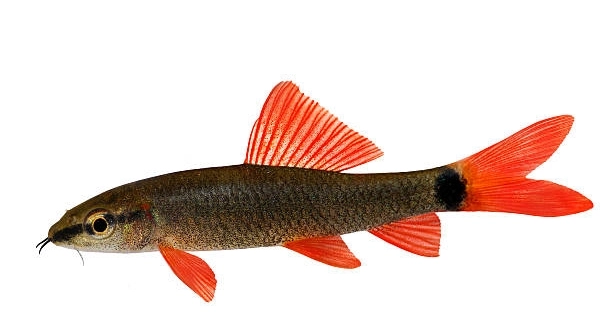
Rainbow sharks are popular aquarium fish known for their striking appearance and active behavior. Many fishkeepers enjoy having them in their tanks, but these sharks can sometimes become too dominant. Managing their behavior helps maintain harmony with other tank mates.
To prevent rainbow sharks from becoming overly dominant, it is important to provide ample space, avoid overcrowding, maintain hiding spots, feed properly, and monitor tank dynamics closely. These measures reduce stress and aggressive behavior, promoting a balanced aquatic environment.
Understanding how to keep rainbow sharks balanced in your tank can improve your fish’s well-being and create a peaceful home for all your aquatic pets.
Provide Enough Space in the Aquarium
Rainbow sharks need plenty of room to swim freely and establish their own territory. When the tank is too small, they feel crowded, which can increase their aggressive behavior toward other fish. A tank size of at least 55 gallons is recommended for one rainbow shark. If you plan to keep more than one, the tank should be even larger to prevent fights. Adding plenty of plants and decorations can help create natural boundaries and reduce conflicts. When fish have space to move away from each other, it lowers stress levels and keeps the dominant behavior in check.
Maintaining a spacious tank also allows each fish to have its own space, reducing chances of bullying or chasing. This creates a more peaceful environment overall.
Careful tank planning is key. Keeping rainbow sharks in an adequately sized aquarium encourages healthier social behavior and lets their natural personalities shine without causing harm to other fish.
Avoid Overcrowding
Too many fish in the tank can make rainbow sharks more territorial and aggressive.
Overcrowding increases competition for food, space, and hiding spots, which raises stress for all the fish. When fish feel threatened, rainbow sharks can become more dominant as they try to control the environment. It is best to keep the number of fish appropriate for the tank size. Limiting the population and carefully choosing tank mates reduces tension. Also, avoid placing other bottom-dwelling or aggressive fish in the same tank, since they can provoke rainbow sharks. Monitoring fish behavior and adjusting the population as needed helps maintain balance. With fewer fish, the rainbow shark is less likely to feel the need to dominate the tank. This keeps the aquarium peaceful and enjoyable for everyone.
Maintain Hiding Spots
Hiding spots reduce stress and give rainbow sharks places to retreat from others.
Providing caves, plants, and decorations helps break up the tank and gives fish safe zones. Without enough hiding spots, rainbow sharks may feel threatened and act aggressively to control space. Natural or artificial shelters allow fish to escape and rest peacefully. This lowers their need to dominate territory and reduces fighting.
Regularly rearranging decorations can keep the environment interesting and prevent territorial disputes. A well-structured tank promotes calm behavior and keeps the rainbow shark from becoming too pushy with other fish.
Feed Properly
Feeding on a regular schedule helps keep rainbow sharks calm and less aggressive.
When food is scarce or irregular, rainbow sharks may compete aggressively for resources. Offering balanced meals with high-quality flakes, pellets, and occasional live or frozen foods meets their nutritional needs and reduces hunger-driven dominance. Feeding smaller amounts multiple times a day is better than one large meal, as it lowers competition.
It’s also important to scatter food across the tank so all fish get their share, preventing the rainbow shark from guarding one spot. Proper feeding routines encourage peaceful interactions and help maintain a healthy tank dynamic.
Monitor Tank Dynamics
Watching how your fish interact helps spot early signs of dominance.
If a rainbow shark chases or harasses others, it may be time to adjust the setup.
Regular observation lets you intervene before problems escalate. Moving aggressive fish or adding more hiding spots can ease tensions. Keeping an eye on behavior ensures the tank remains balanced and peaceful.
Choose Compatible Tank Mates
Select peaceful and fast-swimming fish that can avoid the rainbow shark.
Avoid other bottom dwellers that might compete for space or provoke aggression. Ideal tank mates include small schooling fish or mid-level swimmers. Compatibility helps prevent conflicts and promotes a calm environment.
Keep Water Quality High
Clean, stable water reduces stress, lowering aggression in rainbow sharks.
FAQ
How can I tell if my rainbow shark is becoming too dominant?
Signs of dominance include chasing other fish aggressively, chasing them from food, or guarding specific areas in the tank. You might also notice injured or stressed fish trying to hide more often. These behaviors suggest the rainbow shark feels the need to control its environment and space.
What tank size is best to prevent dominance?
A tank of at least 55 gallons is recommended for one rainbow shark. Bigger tanks are better when housing multiple fish, as more space reduces competition and territorial disputes. A roomy tank allows each fish to establish its own area without constant conflict.
Can adding more hiding spots really help?
Yes, hiding spots like plants, caves, and decorations give all fish safe places to retreat. This reduces stress and allows weaker or smaller fish to escape aggressive encounters. When fish feel secure, they are less likely to provoke or be provoked.
Is it okay to keep multiple rainbow sharks together?
It’s possible but tricky. Multiple rainbow sharks often compete for territory, which increases aggression. If you want more than one, provide a very large tank with many hiding spots and observe their behavior carefully to intervene if fights start.
What should I feed a rainbow shark to keep it calm?
Feed a balanced diet of quality flakes, pellets, and occasional live or frozen foods. Feed small amounts multiple times a day rather than one big meal. This reduces competition and prevents hunger-driven aggression.
How often should I clean the tank to maintain water quality?
Partial water changes of about 25% should be done weekly or biweekly, depending on the tank size and fish load. Clean water reduces stress for all fish, which lowers aggressive behavior.
Can tank mates influence the dominance of a rainbow shark?
Yes, tank mates matter a lot. Peaceful, fast-swimming fish that occupy different tank levels tend to reduce conflicts. Avoid other bottom dwellers or aggressive species that compete for the same space, as this can provoke the rainbow shark.
What should I do if my rainbow shark keeps bullying others?
Try rearranging the tank layout to break up established territories. Add more hiding spots or decorations. If aggression continues, consider moving the rainbow shark to a separate tank or rehoming it to prevent harm to other fish.
Does the age or size of the rainbow shark affect dominance?
Older and larger rainbow sharks tend to be more dominant because they have established territory and are stronger. Younger or smaller rainbow sharks may be less aggressive but can become dominant as they grow.
Is it normal for rainbow sharks to be territorial?
Yes, rainbow sharks naturally claim territory in the tank, especially as they mature. Managing tank size, layout, and tank mates helps keep this natural behavior from becoming harmful to other fish.
Can stress cause increased aggression in rainbow sharks?
Absolutely. Stress from poor water quality, overcrowding, or lack of hiding spots can make rainbow sharks more aggressive. Keeping the environment stable and comfortable helps reduce stress-related dominance.
How can I encourage peaceful behavior in my rainbow shark?
Providing a well-structured environment with plenty of space and hiding places, feeding properly, and selecting compatible tank mates encourages calm behavior. Regular observation and care also help catch and address any problems early.
Final Thoughts
Keeping rainbow sharks balanced in an aquarium requires attention to several key factors. Providing enough space is one of the most important steps. When these fish have room to swim and claim their own territory, they are less likely to become aggressive. Overcrowded tanks increase stress and force competition, which leads to dominant behavior. A larger tank, with plenty of hiding spots and decorations, helps reduce conflicts by giving each fish a place to retreat.
Feeding also plays a significant role in managing rainbow shark behavior. Consistent feeding times and a balanced diet keep these fish calm. When food is scarce or unevenly distributed, rainbow sharks can act aggressively to guard resources. Scattering food throughout the tank and feeding small amounts multiple times a day encourages peaceful eating habits. Proper nutrition and feeding routines support healthier fish and minimize fights over food.
Finally, monitoring the tank environment and the fish’s interactions is essential. Watching for early signs of bullying or stress allows for quick adjustments. This might mean rearranging decorations, adding more hiding places, or changing tank mates. Keeping water clean and stable lowers stress and helps fish behave better. A peaceful aquarium takes effort, but following these steps will create a healthy space where rainbow sharks and their tank mates can live comfortably together.

Hello,
If you enjoy the content that we create, please consider saying a "Thank You!" by leaving a tip.
Every little bit helps us continue crafting quality advice that supports the health, happiness, and well-being of pets around the world, for pets of all shapes, sizes, and species.
We really appreciate the kindness and support that you show us!