
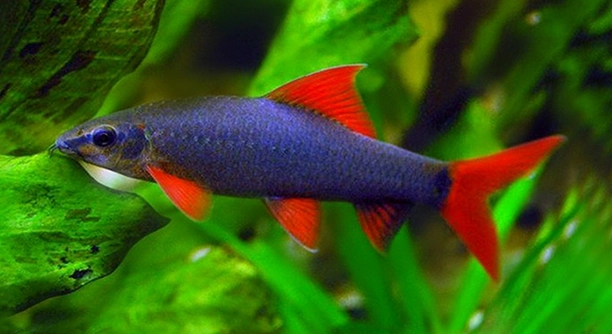
Rainbow sharks are popular aquarium fish known for their vibrant colors and active nature. They can sometimes show signs of stress, which affects their health and behavior. Managing their environment carefully helps keep them calm and healthy.
Stress in rainbow sharks is commonly caused by poor water quality, overcrowding, improper tank setup, and lack of hiding spaces. Addressing these issues through regular maintenance, tank adjustments, and environmental enrichment significantly reduces stress and improves well-being.
This article offers practical steps to create a better habitat for your rainbow shark and promote a peaceful environment.
Maintain Clean Water Conditions
Keeping the water clean is essential for your rainbow shark’s health. Dirty water causes stress and can lead to illness. Regular water changes help remove waste and toxins that build up over time. Use a reliable water test kit to check ammonia, nitrite, and nitrate levels. These should be kept near zero or very low to ensure a safe environment. A good filter is necessary to keep the water clear and oxygen-rich. Clean the filter media regularly but avoid washing it with tap water, which can kill beneficial bacteria. Keeping the tank clean means your fish will swim comfortably and stay healthy. It also prevents the growth of harmful algae or bacteria. Make a schedule to change 20 to 25 percent of the water every week. This small habit makes a big difference in reducing stress for your rainbow shark.
Clean water reduces diseases and promotes healthy behavior in rainbow sharks.
Consistent water care will create a stable environment that lowers stress and supports your fish’s immune system. Your rainbow shark will show more natural colors and activity when water quality is good. Proper filtration and regular water changes help maintain this balance. Always treat tap water to remove chlorine and chloramine before adding it to the tank. This protects the fish’s delicate gills and skin. Avoid sudden water temperature changes, as these can also stress your fish. Keeping water conditions stable helps your rainbow shark feel safe and secure in its home. With clean water and steady maintenance, your fish will thrive.
Provide Adequate Space and Tank Setup
Rainbow sharks need enough space to swim freely. A small tank can cause stress and aggression. The minimum recommended tank size is 30 gallons, but bigger is better. Include decorations like rocks, caves, and plants to create hiding spots. These areas let the fish rest and feel protected. Avoid overcrowding the tank with too many fish, as this increases competition and stress. Separate aggressive fish if necessary to keep peace. Proper lighting and a stable temperature between 74°F and 80°F also help maintain a calm environment. A well-set tank reduces anxiety and encourages natural behaviors in your rainbow shark.
Giving your rainbow shark enough room and hiding places improves its comfort and reduces stress levels.
Control the Water Temperature
Maintaining a stable water temperature is key to reducing stress in rainbow sharks. Sudden changes can shock them and disrupt their natural behavior. Keep the temperature steady between 74°F and 80°F for the best results.
Using an aquarium heater with a reliable thermostat helps maintain the right temperature. Avoid placing the tank near windows or vents where drafts or direct sunlight can cause fluctuations. Check the temperature daily with a thermometer to ensure consistency. If the temperature drops or rises suddenly, your fish may become sluggish or hide more often. Consistent temperature creates a comfortable environment where your rainbow shark can thrive without added stress.
Proper temperature control supports your fish’s immune system and overall health. Avoid drastic changes during water changes by preparing new water to match tank conditions. A steady temperature reduces risks of illness and behavioral problems. This simple care step helps keep your rainbow shark active and happy.
Feed a Balanced Diet
A balanced diet is essential to lower stress in your rainbow shark. Poor nutrition weakens their immune system and makes them more vulnerable to disease. Offer a mix of high-quality pellets, flakes, and occasional live or frozen foods like bloodworms or brine shrimp. Avoid overfeeding, as leftover food can pollute the tank.
Feeding your rainbow shark at regular times helps maintain a routine, which can reduce anxiety. Watch for any signs of refusal or changes in appetite, as these can indicate stress or illness. Including vegetable matter such as spirulina or blanched spinach supports digestive health. Proper nutrition ensures your fish has energy for swimming and maintaining bright colors.
Good feeding habits contribute to a strong and resilient fish. Clean any uneaten food promptly to keep water quality high. A healthy diet combined with clean water and proper tank conditions creates an environment where your rainbow shark can live peacefully with less stress.
Minimize Loud Noises and Vibrations
Rainbow sharks are sensitive to loud noises and vibrations. These disturbances can cause stress and make them hide or act nervously. Keep the tank in a quiet area away from heavy foot traffic and loud electronics.
Avoid tapping on the glass or moving the tank suddenly. Gentle handling and a calm environment help your fish feel secure and relaxed.
Maintain Proper Lighting
Consistent lighting is important for your rainbow shark’s well-being. Too much light can stress them, while too little affects their natural behavior. Use a timer to provide about 8 to 10 hours of light daily, simulating a natural day-night cycle.
Avoid Overcrowding
Crowded tanks increase competition for food and space, causing stress and aggression. Keep the number of fish appropriate for your tank size to maintain harmony and peace.
FAQ
How do I know if my rainbow shark is stressed?
Signs of stress in rainbow sharks include hiding frequently, loss of color, sluggish swimming, and loss of appetite. They may also show unusual aggression toward other fish or seem restless, constantly swimming without settling. Noticing these behaviors early helps address stress before it affects their health.
What causes stress in rainbow sharks?
Common causes are poor water quality, overcrowding, sudden changes in water temperature, lack of hiding places, and loud noises. Inadequate diet and improper tank setup also contribute. Keeping these factors in check creates a calm environment that reduces stress.
Can rainbow sharks live with other fish?
Yes, but tank mates should be chosen carefully. Avoid small, slow-moving fish that might get bullied. Good companions include larger, peaceful fish that share similar water requirements. Always provide enough space and hiding spots to prevent territorial disputes.
How often should I change the water in my rainbow shark’s tank?
Changing 20 to 25 percent of the water weekly is recommended. This keeps toxins low and maintains water quality. Regular partial water changes support fish health and reduce stress.
What temperature is best for rainbow sharks?
Maintain a stable temperature between 74°F and 80°F. Sudden changes can cause stress or illness. Use a heater with a thermostat and check the temperature daily.
Is it normal for rainbow sharks to hide a lot?
Some hiding is normal, especially if they feel threatened or need rest. However, excessive hiding can indicate stress or poor water conditions. Make sure the tank has enough hiding spots and good water quality.
What should I feed my rainbow shark?
Feed a balanced diet with quality pellets or flakes, supplemented by live or frozen foods like bloodworms or brine shrimp. Include some plant matter like spirulina. Feed small amounts 1-2 times daily, avoiding overfeeding.
Can loud noises affect my rainbow shark?
Yes, loud noises and vibrations can stress your fish, causing them to hide or act nervously. Place the tank in a quiet area and avoid tapping on the glass.
How do I prevent aggression between rainbow sharks?
Provide a large enough tank with plenty of hiding spaces. Avoid overcrowding and select peaceful tank mates. If aggression persists, separating the fish might be necessary.
What maintenance helps reduce stress in rainbow sharks?
Regular water changes, maintaining stable temperature, proper feeding, minimizing noise, and good tank setup all contribute to lower stress. Checking water parameters often and cleaning the filter without harming beneficial bacteria is also important.
Can stress make my rainbow shark sick?
Yes, stress weakens the immune system and makes fish more vulnerable to diseases like fin rot or infections. Reducing stress through good care helps prevent illness.
How do I acclimate a new rainbow shark to reduce stress?
Float the sealed bag in the tank to equalize temperature. Slowly mix tank water into the bag over 30 minutes before releasing the fish. This reduces shock from new water conditions.
Are certain tank decorations better for reducing stress?
Yes, plants, caves, and rocks provide hiding spots that help fish feel secure. Avoid sharp or rough decorations that might injure them.
Can lighting affect my rainbow shark’s stress?
Yes, too much or inconsistent lighting can cause stress. Use a timer for 8-10 hours of light daily to mimic natural cycles.
How long do rainbow sharks usually live with proper care?
With good care, rainbow sharks can live 5 to 8 years. Keeping stress low is key to a longer, healthier life.
Taking good care of your rainbow shark means paying close attention to its environment and daily needs. Stress can harm these fish and affect their health, so it is important to provide clean water, proper tank size, and a stable temperature. These basics help create a safe and comfortable home where your fish can live without worry. Regular water changes and proper filtration keep the water clean, reducing harmful substances that cause stress. Maintaining the right temperature with a heater and avoiding sudden changes also supports your fish’s health.
Providing hiding spots and enough space in the tank is equally important. Rainbow sharks like to explore and swim freely, but they also need places to hide when they feel threatened or tired. Decorations like caves, plants, and rocks can offer these safe spaces. Avoid overcrowding by keeping only the recommended number of fish in the tank. Overcrowding causes stress and can lead to fighting or illness. Quiet surroundings without loud noises or vibrations also help your fish stay calm. A calm and stable environment encourages your rainbow shark to show its best colors and natural behavior.
Feeding your rainbow shark a balanced diet is another key part of care. Offering a variety of high-quality foods and avoiding overfeeding supports good health and energy. Feeding at regular times creates a routine that reduces anxiety for the fish. Watching your rainbow shark’s behavior and appetite can give clues about its well-being. If the fish hides too much, loses color, or stops eating, it may be stressed or sick. Addressing problems early by checking water quality, temperature, and tank setup will improve its condition. By following these simple steps, you help your rainbow shark live a longer, healthier life with less stress.

Hello,
If you enjoy the content that we create, please consider saying a "Thank You!" by leaving a tip.
Every little bit helps us continue crafting quality advice that supports the health, happiness, and well-being of pets around the world, for pets of all shapes, sizes, and species.
We really appreciate the kindness and support that you show us!