
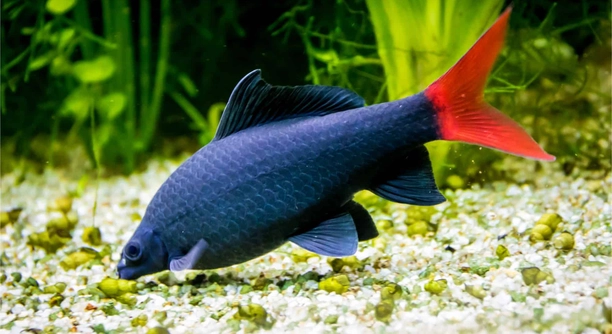
Raising rainbow shark fry can be exciting, but it also comes with unique challenges. Ensuring their health requires attention to both their environment and diet from the very beginning.
The most effective way to raise healthy rainbow shark fry is by maintaining clean water conditions, providing proper tank space, and offering a high-protein diet. These steps support healthy development, reduce stress, and prevent common health issues.
Each tip in this guide will help you build a safe, thriving environment for your rainbow shark fry right from the start.
Maintain Clean Water Conditions
Clean water is one of the most important parts of raising healthy rainbow shark fry. These young fish are sensitive to even small changes in water quality. Start by using a reliable filter that won’t produce strong currents. Keep the water temperature between 75°F and 81°F. Regularly test for ammonia, nitrites, and nitrates, and perform weekly water changes of about 25% to keep everything stable. Avoid overfeeding, as leftover food can quickly pollute the water. Always dechlorinate tap water before adding it to the tank. When setting up the tank, let it fully cycle before introducing the fry. Sudden changes in parameters can weaken their immune systems and lead to health problems. A clean tank gives the fry a better chance to grow strong and develop properly.
Give them a stable, healthy environment and you’ll notice better color, stronger fins, and more active behavior in your fry.
Keeping things consistent helps avoid sudden stress, which is often a reason young rainbow sharks fall ill. Use simple tools like a thermometer and water test kit to make daily checks easier. A clean and stable tank gives your fry the best chance at growing up healthy.
Feed High-Quality, Protein-Rich Foods
Protein is essential for rainbow shark fry because it helps them grow and stay strong. Without the right food, they can quickly become weak or sick.
When feeding rainbow shark fry, choose protein-rich foods like baby brine shrimp, micro worms, or finely crushed high-quality flakes. These types of food are easy for the fry to digest and give them the nutrients they need during their first few weeks of life. Feed them small portions two to three times a day, but avoid overfeeding. Extra food can spoil the water, which leads to stress and sickness. Try using a feeding schedule to keep things simple and consistent. Remove any leftover food after a few minutes to keep the tank clean. As they grow, you can slowly introduce slightly larger food like daphnia or crushed pellets. Always watch how they respond to feeding, as this helps you adjust their diet based on their behavior and development.
Provide Plenty of Hiding Spots
Rainbow shark fry need hiding spots to feel safe and reduce stress. Without shelter, they may become anxious or aggressive. Use live plants, small caves, and decorations to give them secure areas throughout the tank.
Hiding places are more than just decoration—they help fry avoid bright lights, larger tank mates, and even each other. Young rainbow sharks can be territorial, and offering multiple shelters prevents fights. Spread out the hiding spots to cover different areas in the tank. This helps each fry claim a space without constant conflict. Use smooth decorations to avoid injury and choose live plants like Java moss, which also help improve water quality. Fry feel safer when they have a place to retreat to, and this lowers stress levels, supports healthy growth, and improves survival rates. Rearranging or cleaning the tank? Keep their shelters in place to avoid disturbing their sense of security.
Keeping the environment calm and stress-free plays a big role in their development. Shelters give them time to rest and grow without interference from other fish or changes in lighting. Avoid overcrowding, as it can increase stress even when hiding spots are available. A quiet and protected tank setup supports healthier, more active fry overall.
Use a Separate Fry Tank
Keeping the fry in a separate tank prevents larger fish from harming them and gives better control over water quality and feeding. This setup supports their early growth without outside stress or competition.
A fry tank is usually smaller and easier to manage, making daily maintenance more practical. It allows for accurate feeding and targeted care, especially when the fry are most vulnerable. Keep the tank simple: sponge filters, heaters, and bare bottoms are all useful choices. A sponge filter provides gentle filtration without sucking in the fry. Having no substrate helps with cleaning and lets you monitor waste more easily. Feedings in a fry-only tank are less wasteful, since there are no larger fish to compete for food or produce excess waste. Once the fry are strong enough—usually after 4–6 weeks—you can slowly introduce them to the main tank. This gradual process ensures a smoother transition and better long-term health.
Monitor Aggressive Behavior
Rainbow shark fry can show signs of aggression as they grow. Watch for chasing, fin nipping, or signs of stress in others. These behaviors can slow growth and lead to injury if not managed early.
To reduce aggression, avoid overcrowding and provide enough space for each fry. Separate the aggressive ones if needed.
Keep Lighting Low and Consistent
Bright lights can stress out rainbow shark fry, especially in the first few weeks. Keep lighting dim and use a simple timer to create a stable day-night cycle. Aim for 8–10 hours of soft light daily. Sudden lighting changes should be avoided, as they can cause panic and confusion. Use floating plants or shaded areas to give fry a place to escape from the light if they need to. Gentle lighting helps promote natural behavior and reduces stress. This gives your fry a better chance to grow in a calm, steady environment.
Avoid Strong Water Flow
A gentle current is better for rainbow shark fry. Strong water flow can tire them out, push them around, or make it hard for them to reach food.
FAQ
How long do rainbow shark fry take to grow?
Rainbow shark fry grow slowly and usually take 6 to 12 months to reach their full size, which is around 5 to 6 inches. In the early stages, growth depends heavily on water quality, diet, and tank conditions. In a clean, well-maintained tank with proper feeding, you may notice steady weekly changes in size. However, growth can slow down or stall if they experience stress or illness. It’s important to stay consistent with care to help them reach their adult size safely. As they grow, you’ll also notice changes in color, behavior, and body shape.
What should I feed rainbow shark fry?
Start with baby brine shrimp, micro worms, or crushed high-protein flake food. Feed them small portions two to three times daily. These foods are small enough for the fry to eat and give them the nutrients needed for strong development. As they grow, introduce daphnia or finely crushed sinking pellets. Always avoid overfeeding. Too much food leads to poor water quality, which can slow growth or cause illness. After each feeding, remove leftovers using a turkey baster or siphon to keep the water clean. Balanced feeding helps build stronger immune systems and active behavior.
When can rainbow shark fry be moved to the main tank?
Fry should only be moved once they are strong swimmers, show consistent feeding behavior, and are at least 1.5 to 2 inches long. This usually takes 4 to 6 weeks, depending on their growth rate and overall health. Before moving them, make sure the main tank has plenty of hiding spots and no overly aggressive fish. It helps to introduce them during a feeding time to reduce attention from the older fish. Watch closely for the first few days to catch any signs of bullying or stress. If issues arise, move them back to the fry tank temporarily.
Do rainbow shark fry need a heater?
Yes, maintaining a stable temperature is important for fry development. Rainbow shark fry do best in water that stays between 75°F and 81°F. Fluctuating temperatures can weaken their immune systems and slow their growth. A small, adjustable heater works well in fry tanks and helps you stay within the right range. Pair the heater with a reliable thermometer and check the temperature daily. Avoid placing the tank in direct sunlight or near cold drafts. Even slight changes in temperature can lead to stress or disease, so it’s best to keep the tank in a stable spot.
How many rainbow shark fry should be kept together?
Rainbow shark fry can be kept in small groups, but they need enough space to avoid aggression. Start with a ratio of one fry per gallon in the early stages. As they grow, space becomes more important because rainbow sharks can be territorial. If the tank becomes crowded, aggression may increase, and fry can get injured. If possible, separate the more dominant fry into different tanks or add more hiding spots. Keeping the group balanced helps reduce stress and gives all fry a better chance at healthy development. It also makes feeding easier and more consistent.
Why are my rainbow shark fry not growing?
Slow growth in fry is often caused by poor water quality, low-protein food, overcrowding, or stress. Test your water for ammonia, nitrites, and nitrates. High levels can slow development or cause illness. Make sure they’re eating the right food and getting enough of it. Weak fry may be bullied away from food or hiding too much. Also, look for signs of aggression or injury. Adjust tank size or spacing if needed. Providing a peaceful, clean space with proper food and lighting can help your fry get back on track and continue growing steadily.
Final Thoughts
Raising healthy rainbow shark fry takes patience, care, and a good understanding of their needs. These young fish are delicate and require a clean tank, stable water conditions, and a safe space to grow. Even small changes in temperature or water quality can affect their health. That’s why it’s important to check the tank every day and make small adjustments when needed. Things like regular water testing, partial water changes, and gentle filtration go a long way in supporting healthy fry. A peaceful environment with the right setup gives them a strong start in life.
Feeding is another key part of their growth. Rainbow shark fry need a high-protein diet to help them develop properly. It’s best to feed them small amounts of food a few times a day, rather than large portions all at once. Overfeeding can cause water problems, so be sure to remove uneaten food quickly. As they grow, you can slowly add more variety to their meals, like daphnia or sinking pellets. Watching how they eat and behave after feeding will help you understand if they’re getting what they need. Fry that eat well and stay active are usually on the right track.
Space and safety matter just as much as food and water. Giving your fry hiding spots and enough room helps prevent stress and aggression. A separate fry tank can be very helpful in the early stages, especially if you have adult fish in the main tank. It allows you to focus on their care without interference. When the fry are big enough and strong enough, you can move them into the larger tank slowly and carefully. With time and consistent care, your rainbow shark fry will grow into healthy adults. Their bright colors, strong movement, and active behavior are signs that your hard work is paying off. Taking the time to do things right from the beginning makes a big difference in their future.

Hello,
If you enjoy the content that we create, please consider saying a "Thank You!" by leaving a tip.
Every little bit helps us continue crafting quality advice that supports the health, happiness, and well-being of pets around the world, for pets of all shapes, sizes, and species.
We really appreciate the kindness and support that you show us!