
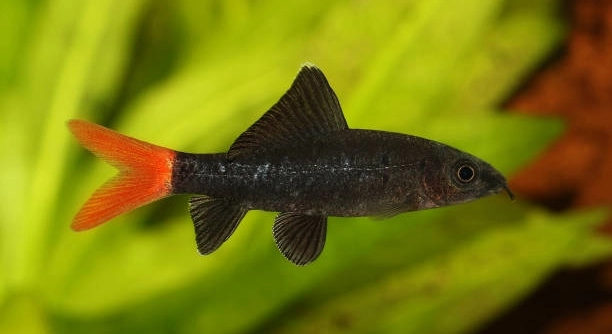
Is your rainbow shark constantly darting around, making it hard for your other fish to enjoy a calm and peaceful tank?
Rainbow sharks often become overly active due to factors like poor tank conditions, lack of hiding spaces, or an unsuitable tank setup. Preventing this behavior involves creating a balanced environment, managing stress, and ensuring proper tank mates and space.
By understanding the root causes of hyperactivity, you can create a calmer, healthier aquarium where your rainbow shark and other fish feel safe and settled.
Adjust the Tank Size and Layout
A rainbow shark needs space to swim freely without feeling trapped or crowded. Keeping them in a tank that’s at least 50 gallons helps reduce aggressive or hyperactive behavior. They prefer long tanks with horizontal swimming room, not tall or narrow ones. Sharp turns or frantic swimming often happen when they feel confined. Adding caves, driftwood, or rock tunnels offers places to retreat and feel secure. These hiding spots reduce stress and make them feel more at ease. A bare tank with no structure can make the fish feel exposed, which often leads to erratic movement.
Choosing the right tank shape and adding structure can help keep your rainbow shark from becoming too active.
If your rainbow shark continues pacing or darting even with a large tank, reevaluate the placement of decorations. Clustering hides to one side and keeping open space in the middle encourages smoother swimming patterns. Avoid overly bright lighting as well, since too much light can make rainbow sharks feel vulnerable. Using dim lighting or floating plants to filter light may help. Try rearranging decorations occasionally to keep the environment interesting and stimulating. When they have space and safe zones, rainbow sharks are less likely to act out or become hyper. Balance is key in their layout.
Keep Tank Mates Compatible
Rainbow sharks don’t get along well with just any species.
They are territorial and can become overly active or aggressive when housed with other bottom-dwellers or fish with similar shapes. Avoid keeping them with red-tailed sharks, Bala sharks, or aggressive cichlids. Peaceful mid-to-top dwelling fish like danios or barbs are better suited. When choosing tank mates, size matters too—avoid fish that are too small or that may provoke nipping. Crowded tanks lead to more stress, and more stress means more darting or chasing. Watch for signs of bullying or territorial disputes and be ready to separate fish if needed. Compatibility lowers the chance of erratic behaviors and creates a more peaceful tank.
Providing proper space, choosing the right fish, and watching how they interact helps manage your rainbow shark’s energy levels. With the right mix, they feel less threatened and don’t need to constantly defend their space. A calm environment often results in a calmer fish.
Monitor Water Quality Closely
Poor water quality causes stress, which can make your rainbow shark overly active. Regular testing and maintenance help prevent erratic swimming and aggressive behavior linked to discomfort from unstable parameters. Clean water keeps them calm and balanced.
Check ammonia, nitrite, nitrate, and pH levels weekly to maintain stability. A sudden shift in parameters can cause distress and hyperactivity in rainbow sharks. Keep ammonia and nitrite at zero, and nitrates below 40 ppm. A stable pH between 6.5 and 7.5 is ideal. Perform regular water changes—about 25% weekly—to keep toxins from building up. Also, use a high-quality filter that provides consistent flow without being too strong. Unstable or dirty water often leads to flashing, darting, or hiding, which are signs your shark feels uncomfortable. When the water stays clean and consistent, your fish is more likely to swim steadily and stay calm.
Keep an eye out for signs like gasping, clamped fins, or rapid gill movement. These can signal poor water quality. If you notice these symptoms, test your water immediately and take action with water changes or conditioners. Also, avoid overfeeding, as leftover food adds waste to the tank. A clean, stable environment keeps your rainbow shark in a healthier, more relaxed state.
Feed a Balanced Diet
Feeding your rainbow shark a balanced and varied diet keeps their energy levels steady. Too much protein or low-quality food can lead to excess energy and increased activity, especially during the day.
Include a mix of high-quality sinking pellets, algae wafers, and occasional frozen or live foods like bloodworms or brine shrimp. Rainbow sharks are omnivores, so vegetables like zucchini, cucumber slices, or shelled peas also help round out their diet. Avoid feeding only high-protein or meaty foods, as this can cause bursts of energy that make them act restless or hyper. Feed small portions once or twice a day to prevent overfeeding and reduce waste. Observing how your fish behaves after meals can also help adjust portion size and food type. A healthy diet keeps their metabolism balanced, improves digestion, and helps promote calm behavior throughout the day. Balanced feeding supports a steady, healthy rhythm for your shark.
Maintain a Consistent Lighting Schedule
Too much light can overstimulate your rainbow shark and cause it to swim frantically. Keep the lights on for 8 to 10 hours a day using a timer to avoid stress from sudden changes.
Use dim or indirect lighting to make your tank feel more natural. Bright, constant light can cause anxiety in rainbow sharks and lead to erratic movement.
Limit Disruptions Around the Tank
Place the aquarium in a quiet spot away from constant foot traffic, loud sounds, or sudden movements. Rainbow sharks are sensitive to their surroundings, and too much outside activity can make them nervous or overly alert. Avoid tapping the glass or sudden hand movements.
Even small changes like frequent rearranging of tank décor can cause your rainbow shark to feel unsettled. Give them time to adjust to any updates in their space. Minimize loud music or TV placed too close to the tank. If kids or pets are often near the aquarium, consider adding a tank background or positioning plants to create a visual barrier. A stable, calm environment helps them feel safe and lowers their tendency to dart around or display territorial behavior.
Avoid Overcrowding the Aquarium
Too many fish in the tank leads to constant movement and tension. Rainbow sharks need space to feel secure and relaxed.
FAQ
Why is my rainbow shark so active all the time?
Rainbow sharks are naturally energetic fish, but excessive activity often signals stress or discomfort. Common reasons include poor water quality, inadequate tank size, aggressive tank mates, or lack of hiding places. They may also swim rapidly if the lighting is too bright or the environment feels unstable. Hyperactivity can be a sign your fish is trying to find a safe spot or escape perceived threats. Evaluating these factors can help calm your fish and create a more balanced tank atmosphere.
How big should my tank be for a rainbow shark?
A minimum of 50 gallons is recommended for one rainbow shark. They need ample horizontal swimming space since they are active bottom dwellers. Larger tanks reduce territorial behavior and give room to establish hiding spots. Tanks smaller than this often lead to stress, causing excessive movement and aggression.
Can rainbow sharks live peacefully with other fish?
Yes, but tank mate choice is important. Avoid other bottom-dwelling fish or species with similar size and shape, which can provoke competition. Good companions include peaceful mid to upper swimmers like danios, barbs, or gouramis. Overcrowding or pairing them with aggressive fish may increase hyperactivity and territorial disputes.
What water conditions do rainbow sharks prefer?
They thrive in water with a pH of 6.5 to 7.5, temperature between 72°F and 79°F, and clean, well-filtered water. Ammonia and nitrite levels should always be zero, and nitrates kept below 40 ppm. Stable water conditions reduce stress and help prevent overactivity.
How often should I feed my rainbow shark?
Feed once or twice daily with small portions. Overfeeding can cause excess energy and poor water quality. A balanced diet with sinking pellets, algae wafers, and occasional live or frozen foods keeps them healthy and less restless. Avoid feeding too much protein, which can boost activity temporarily.
Why does my rainbow shark keep darting and bumping into things?
This behavior can signal stress from poor water quality, overcrowding, or too-bright lighting. It may also indicate parasites or illness. Monitor water parameters closely, check for signs of disease, and make sure the tank has enough space and hiding places to reduce anxiety.
Can rearranging the tank help with hyperactivity?
Yes. Occasionally changing the tank layout can stimulate your rainbow shark mentally, reducing boredom-driven activity. However, avoid frequent or drastic changes, as these can increase stress. Aim for a balance between stability and environmental enrichment.
Is lighting important for controlling rainbow shark activity?
Lighting plays a key role. Too much bright light can make them feel exposed, causing frantic swimming or hiding. Use timers to keep a consistent day-night cycle, and consider adding floating plants or dimmers to soften lighting.
What should I do if my rainbow shark becomes aggressive?
First, check tank size and water quality. Ensure compatible tank mates and provide plenty of hiding spaces. If aggression persists, consider separating the fish or upgrading to a larger tank. Stress and territoriality are common causes of aggressive behavior.
Can overfeeding cause hyperactivity?
Yes. Overfeeding increases metabolism and waste in the tank, leading to poor water conditions and restless behavior. Feed measured amounts and remove uneaten food to keep the tank clean and your fish calm.
How can I tell if my rainbow shark is stressed?
Signs include constant darting, flashing against objects, clamped fins, loss of appetite, and hiding excessively. Stress often results from poor water conditions, overcrowding, or improper lighting. Addressing these issues promptly helps improve their wellbeing.
Is it normal for rainbow sharks to be more active at certain times?
Rainbow sharks are most active during the day and tend to rest at night. Increased activity during feeding times or tank cleaning is common. However, constant frantic movement outside these periods may indicate underlying problems.
Do rainbow sharks need hiding places?
Absolutely. They rely on caves, plants, or décor for security. Lack of hiding spots increases stress and hyperactivity. Providing shelters helps them feel safe and reduces aggressive or erratic behavior.
How can I reduce stress for my rainbow shark?
Maintain clean water, provide ample space and hiding spots, use compatible tank mates, and keep a stable lighting schedule. Minimizing sudden changes and outside disturbances also helps keep your fish calm.
What foods are best to calm a rainbow shark?
Balanced foods with moderate protein and some vegetable matter work best. Sinking pellets, algae wafers, and occasional frozen or live foods like bloodworms or brine shrimp provide proper nutrition without excess energy spikes.
Is it harmful if my rainbow shark swims at the surface?
While they usually prefer bottom and mid-level swimming, occasional surface visits are normal. Frequent surface swimming may indicate oxygen deficiency or illness. Test water oxygen levels and check for disease if this behavior persists.
This FAQ covers common concerns about rainbow shark activity and care, helping you create a calmer environment and promote your fish’s wellbeing.
Final Thoughts
Rainbow sharks are beautiful and active fish that add life to any aquarium. However, their high energy can sometimes become overwhelming for both the fish and the keeper. Understanding the reasons behind their activity is key to managing their behavior. Factors such as tank size, water quality, tank mates, and diet all play important roles in how calm or active a rainbow shark becomes. Addressing these areas helps create a balanced environment where the fish can thrive without unnecessary stress or excessive movement.
It is important to provide enough space for your rainbow shark to swim freely. A tank that is too small can cause frustration and lead to restless behavior. Adding hiding spots and decorations also gives the fish places to retreat when it feels threatened or stressed. Consistent water quality and stable parameters reduce discomfort and keep the fish healthy. Choosing compatible tank mates helps avoid conflicts that often result in hyperactivity or aggression. Feeding a balanced diet in the right amounts ensures the fish has enough energy without becoming overly excited.
Managing a rainbow shark’s activity requires patience and attention to detail. Small changes in the tank environment can have a big impact on the fish’s behavior. It is normal for rainbow sharks to be lively, but excessive activity usually points to a need for adjustments. Monitoring the tank regularly and responding to your fish’s needs creates a healthier, calmer aquarium. With proper care and environment, your rainbow shark can be a peaceful and fascinating addition to your fish collection.

Hello,
If you enjoy the content that we create, please consider saying a "Thank You!" by leaving a tip.
Every little bit helps us continue crafting quality advice that supports the health, happiness, and well-being of pets around the world, for pets of all shapes, sizes, and species.
We really appreciate the kindness and support that you show us!