
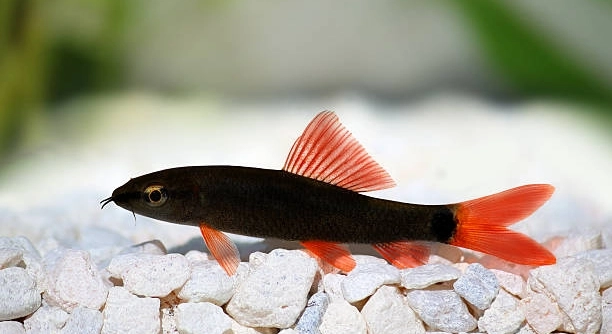
Rainbow sharks are popular aquarium fish known for their bright colors and active swimming. Sometimes, they hide more than usual, which can worry their owners. Understanding why they hide is important for keeping them healthy and happy.
Rainbow sharks may hide excessively due to stress, poor water conditions, illness, overcrowding, lack of hiding spots, improper diet, or sudden changes in their environment. Each factor affects their comfort and behavior, leading to increased hiding to avoid threats or discomfort.
Knowing these causes helps fish owners create a better environment and reduce hiding behavior. This article will explain each cause and provide simple ways to prevent it.
Stress and Its Impact on Rainbow Sharks
Stress is one of the main reasons rainbow sharks hide too much. Changes in the tank, like new fish or loud noises, can make them feel unsafe. When stressed, these fish tend to retreat to dark corners or behind decorations to avoid perceived danger. Stress can weaken their immune system, making them more vulnerable to illness. It’s important to keep their environment calm and stable to reduce stress. Avoid sudden changes in lighting, temperature, or tank setup. Providing enough space for each fish helps prevent aggressive behavior that causes stress. Monitoring water quality also keeps stress low since poor conditions add pressure to the fish’s health. Simple daily routines can help rainbow sharks feel secure, encouraging them to swim openly rather than hide.
Keeping stress low improves their overall activity and health. Calm environments help rainbow sharks feel at ease, reducing hiding behavior.
Understanding how stress affects these fish is crucial. Adjusting the tank environment to limit stress helps them stay visible and healthy.
Poor Water Quality
Poor water quality quickly causes discomfort and hiding in rainbow sharks. Dirty or unbalanced water stresses fish and leads to illness. Regular water tests and partial water changes keep conditions safe and clear.
Maintaining ideal water parameters supports healthy behavior. Ammonia, nitrite, and nitrate levels must stay low, and the pH should be stable. Poor filtration or overfeeding worsens water quality, so avoid both. Keeping the tank clean and balanced creates a healthier space. Fish feel safer and swim more freely when their water is fresh. This effort helps prevent hiding caused by water problems, which is common in many tanks.
Water changes remove harmful waste and replenish oxygen, essential for fish comfort. Checking filters and cleaning gravel stops buildup of debris. Avoid overcrowding because too many fish create waste faster than the tank can handle. Proper care of water conditions directly affects rainbow sharks’ willingness to be active and visible. Maintaining quality water is one of the easiest ways to reduce hiding.
Illness and Disease
Illness often causes rainbow sharks to hide more than usual. When they feel weak or uncomfortable, they look for safe places to rest. Detecting sickness early is important to help them recover quickly.
Common diseases like fin rot, ich, and bacterial infections make rainbow sharks lethargic and secretive. Poor water quality and stress increase the risk of illness. Signs include faded colors, torn fins, or white spots. Treating the tank and isolating sick fish can stop the spread. Quarantining new fish before adding them to the main tank helps prevent disease introduction. Keeping a clean tank and feeding a balanced diet strengthens their immune system. Paying attention to behavior changes allows for early intervention, reducing hiding caused by illness.
Regular observation of your rainbow shark’s condition is essential. Timely treatment and proper care ensure they feel safe enough to swim openly again.
Overcrowding in the Tank
Too many fish in one tank causes rainbow sharks to hide more. They need enough space to swim freely without feeling threatened. Overcrowding increases stress and competition for food.
A crowded tank makes it hard for rainbow sharks to claim territory or find hiding spots, leading to constant stress. Aggressive fish may chase or bully them, causing even more hiding. Proper tank size depends on the number and type of fish kept together. Maintaining suitable fish numbers reduces aggression and improves water quality by limiting waste buildup. Creating a balanced community tank with compatible species helps rainbow sharks feel secure. Adding plants or decorations provides natural hiding places, easing stress when space is limited. Monitoring fish behavior and tank population regularly can prevent overcrowding problems and keep rainbow sharks active and comfortable.
Lack of Hiding Spots
Rainbow sharks need places to hide to feel safe. Without enough hiding spots, they may stay hidden in the same spot, stressed and uncomfortable. Providing shelter helps reduce hiding in unhealthy ways.
Adding caves, plants, or decorations creates secure areas for them. This balance keeps them active and calm.
Improper Diet
A poor diet can cause rainbow sharks to lose energy and hide more. Feeding them a varied diet with quality flakes, pellets, and occasional live or frozen foods supports their health. Balanced nutrition improves their activity and colors.
Sudden Changes in Environment
Rainbow sharks dislike sudden changes in temperature, lighting, or water chemistry. Such changes cause stress, making them hide more often. Keeping conditions steady helps them stay comfortable and visible. Avoid abrupt adjustments to the tank setup or environment.
Why is my rainbow shark hiding all the time?
Rainbow sharks hide frequently due to stress, poor water quality, illness, overcrowding, or lack of hiding spots. These factors make the fish feel unsafe or uncomfortable. Sudden changes in the tank, aggressive tank mates, or improper diet also contribute. Creating a calm, stable environment with good water and enough space helps reduce hiding.
How can I tell if my rainbow shark is sick?
Signs of sickness include faded colors, clamped fins, white spots, torn fins, or unusual swimming patterns. If your fish stays hidden, appears lethargic, or stops eating, it may be ill. Testing water parameters and observing behavior closely can help detect early symptoms. Prompt treatment improves recovery chances.
What water parameters are best for rainbow sharks?
Rainbow sharks thrive in water with a temperature of 72–79°F (22–26°C), pH between 6.5 and 7.5, and low ammonia and nitrite levels. Nitrate should be kept below 20 ppm. Regular testing and water changes maintain these conditions, supporting health and activity.
How often should I clean my rainbow shark’s tank?
Perform partial water changes of about 20-30% every 1-2 weeks. Regular cleaning of the substrate and filter prevents waste buildup. Avoid overfeeding to keep water clean. Maintaining good hygiene reduces stress and hiding.
Can tank mates cause my rainbow shark to hide?
Yes. Aggressive or territorial fish can bully rainbow sharks, making them retreat. Choose peaceful or fast-moving tank mates that won’t compete aggressively for space. Providing plenty of hiding spots reduces conflicts.
What should I feed my rainbow shark to keep it healthy?
A balanced diet includes high-quality flakes or pellets made for carnivores. Supplement with frozen or live foods like bloodworms, brine shrimp, or daphnia occasionally. Avoid overfeeding, and remove uneaten food to maintain water quality.
Is it normal for rainbow sharks to hide at night?
Rainbow sharks are mostly active during the day and tend to rest or hide at night. This behavior is normal and part of their natural rhythm. If hiding increases during daylight or they stop swimming, it may indicate stress or health issues.
How can I add hiding spots effectively?
Use caves, driftwood, dense plants, or aquarium decorations that create shaded or enclosed areas. Space hiding spots throughout the tank so the fish can choose where to rest. This helps them feel safe and reduces stress-driven hiding.
Will my rainbow shark hide less if I reduce tank noise and disturbances?
Yes. Loud noises, vibrations, or sudden movements near the tank can stress fish. Keeping the environment calm and stable helps rainbow sharks feel secure, encouraging them to explore instead of hiding.
What are signs of overcrowding in my aquarium?
Frequent chasing, damaged fins, poor water quality, and constant hiding indicate overcrowding. Fish need space to swim and establish territories. Too many fish create stress and reduce oxygen levels, leading to hiding and health problems.
How long does it take for a stressed rainbow shark to feel comfortable again?
Recovery time varies but usually takes several days to weeks after conditions improve. Consistent water quality, stable environment, proper diet, and reduced stress factors help rainbow sharks regain confidence and reduce hiding behavior.
Should I isolate a rainbow shark that hides too much?
Isolation can help if the fish is sick or bullied. Quarantine prevents disease spread and reduces stress from tank mates. However, ensure the isolation tank is well-maintained and comfortable. After recovery, reintroduce the fish carefully.
Can lighting affect my rainbow shark’s hiding habits?
Yes. Too bright or constantly changing lighting can stress fish. Use a regular day-night cycle with moderate light intensity. Providing shaded areas or plants helps fish adjust and feel secure.
Is hiding always a sign of a problem?
Not always. Rainbow sharks naturally seek hiding spots to rest or avoid predators. Occasional hiding is normal. However, excessive hiding or changes in behavior usually indicate stress, illness, or poor conditions that need attention.
Rainbow sharks are beautiful and lively fish that add color and movement to an aquarium. However, when they start hiding too much, it can be a sign that something in their environment is not quite right. Understanding why rainbow sharks hide helps owners make better choices to keep them healthy and comfortable. Common causes include stress, poor water quality, illness, overcrowding, lack of hiding spots, improper diet, and sudden changes in the tank. By paying attention to these factors, you can create a more stable and welcoming space for your fish.
Taking care of rainbow sharks means more than just feeding them regularly. It involves keeping their water clean and balanced, making sure the tank is big enough, and providing places to hide when they want to rest. Stress can be lowered by keeping a calm environment without sudden noises or fast changes. Watching your fish closely for signs of illness and acting quickly when you notice problems will also help them stay active and healthy. When these needs are met, rainbow sharks are more likely to swim around freely and show their bright colors instead of hiding.
Creating a good home for rainbow sharks takes some effort, but it is very rewarding. Simple steps like regular water changes, feeding a proper diet, and adding caves or plants make a big difference. Avoid overcrowding and choose peaceful tank mates to reduce stress. Remember that hiding is normal sometimes, but too much hiding signals a problem. Paying attention to your rainbow shark’s behavior and environment helps you catch issues early and prevent long-term health problems. With care and patience, you can enjoy watching your rainbow shark thrive and brighten your aquarium.

Hello,
If you enjoy the content that we create, please consider saying a "Thank You!" by leaving a tip.
Every little bit helps us continue crafting quality advice that supports the health, happiness, and well-being of pets around the world, for pets of all shapes, sizes, and species.
We really appreciate the kindness and support that you show us!