
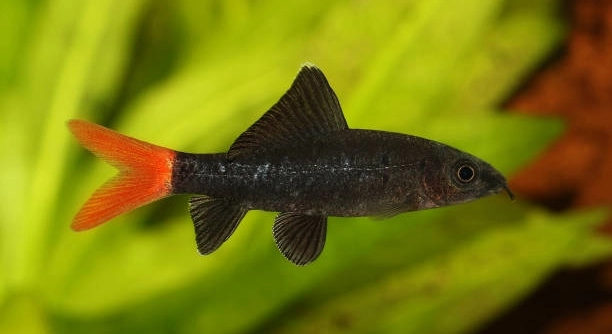
Is your rainbow shark acting stressed or aggressive after being introduced to a new tank? It’s a common concern for many fish keepers.
The best way to help your rainbow shark adjust to a new tank is by replicating its previous environment. Consistent water parameters, proper hiding spaces, and minimal stress factors are essential for supporting healthy adaptation and behavior.
Helping your rainbow shark settle in smoothly can prevent long-term issues and promote a peaceful aquatic environment for all your tank mates.
Give Your Rainbow Shark Time to Settle
Rainbow sharks need time to adjust when introduced to a new environment. A sudden move can cause stress, which may lead to hiding, aggression, or loss of appetite. Start by keeping the tank lights dim and noise levels low. Avoid tapping on the glass or introducing new tank mates right away. Make sure the fish has space to explore but also plenty of places to hide. Caves, plants, and decorations help your shark feel secure. Observe quietly from a distance and let it become familiar with its surroundings on its own terms. Try not to disturb the water unnecessarily during the first few days. A stable environment is key during this early phase. Allow at least a week before expecting your shark to resume normal behavior. During this period, avoid making major changes to the tank setup or water conditions unless absolutely necessary.
A calm and quiet atmosphere helps reduce the stress that often comes with relocation.
Once your rainbow shark feels safe, it will start to move around the tank more confidently. Be patient. Early signs of comfort include regular swimming, normal feeding habits, and reduced hiding. Gradual adjustment makes a lasting difference in its overall well-being.
Check Water Parameters Regularly
Rainbow sharks need consistent water quality to feel secure and stay healthy.
Test the water before introducing your shark, and continue testing weekly afterward. Aim for a temperature between 75–80°F, a pH of 6.5–7.5, and ammonia and nitrite levels at zero. If these conditions are off, your shark may become stressed or sick. Avoid sudden changes in temperature or chemical levels, as even small fluctuations can affect its behavior. Use a reliable heater and a good filtration system to help maintain stability. When performing water changes, do so gradually—replace 10–15% weekly using dechlorinated water. If you notice your shark acting differently, check the parameters first. Keep in mind that changes in the water may not be visible, but they can still have a strong effect on your fish. Stability is more important than achieving “perfect” numbers. Regular maintenance builds a healthy environment that makes it easier for your rainbow shark to adapt and thrive over time.
Add Hiding Spots and Decorations
Rainbow sharks are territorial by nature and need defined spaces to feel safe. Hiding spots like caves, driftwood, and thick plants help reduce stress and aggressive behavior. These features also give the shark a sense of ownership within the tank.
Place decorations in a way that breaks up the line of sight throughout the tank. This helps prevent the shark from constantly seeing and chasing other fish. Use at least two or three hiding spots that are large enough for it to enter comfortably. Fake or real plants, stone tunnels, and ceramic ornaments all work well. Choose smooth-edged items to prevent injuries. Spread them evenly across the tank to avoid clustering. The goal is to create natural-looking cover that also supports peace. As the shark becomes more comfortable, it may use these areas less but still benefit from knowing they’re available.
Avoid rearranging the tank too often, especially during the first few weeks. Frequent changes can unsettle your shark and disrupt its sense of territory. Once it has established its preferred hiding spots, let those areas remain untouched. You can still clean around them carefully. Creating a reliable, secure layout helps your shark feel like it has a safe home to retreat to when needed.
Feed Consistently and Avoid Overfeeding
Feeding your rainbow shark at the same time each day helps build a routine. It also reduces food competition and keeps stress levels lower, especially if other fish share the tank. Keep meals small and focused.
Offer a balanced mix of sinking pellets, algae wafers, and occasional protein-rich treats like bloodworms. Since rainbow sharks are bottom dwellers, always choose food that sinks. Feed only what the shark can finish in two to three minutes to avoid uneaten food building up in the tank. Overfeeding not only leads to health problems like bloating but also pollutes the water and throws off your tank’s balance. Stick to once or twice a day depending on your shark’s size and appetite. Watch its behavior during feeding—if it seems disinterested, reduce the portions slightly. Routine and portion control are key to avoiding issues and encouraging healthy growth.
Avoid Aggressive Tank Mates
Rainbow sharks can become territorial, especially in smaller tanks. Avoid housing them with other bottom dwellers or similarly shaped fish. Barbs, tetras, and gouramis usually make better tank mates if there’s enough space to swim freely.
Watch for signs of chasing or fin nipping. If aggression increases, consider rearranging decorations or adding more hiding places to break up territory. In some cases, separation may be the only solution to keep all fish safe.
Use a Tank That’s Large Enough
A rainbow shark needs plenty of space to swim and claim territory. A minimum tank size of 55 gallons is recommended. Smaller tanks increase the risk of stress, aggression, and poor water quality. The extra space helps reduce territorial behavior and supports natural movement. Avoid keeping two rainbow sharks in the same tank, especially if it’s under 75 gallons. They often fight unless raised together in large aquariums with multiple hiding spots. Choose a tank with a long horizontal layout rather than a tall one. The horizontal space gives your shark more room to swim and explore. A larger tank also makes it easier to maintain stable water conditions, which are essential for helping your shark adjust and stay healthy.
Keep Lighting Soft and Steady
Bright lighting can make rainbow sharks nervous. Use soft, steady lighting instead of harsh or flickering lights. This helps your fish feel safer and more relaxed in its new environment.
FAQ
How long does it take for a rainbow shark to adjust to a new tank?
Most rainbow sharks take about one to two weeks to adjust to a new environment. During this time, they may hide more often, show less interest in food, or behave differently than usual. If the water quality is stable and the tank provides hiding spots, your shark will settle faster. Avoid making major changes during this adjustment period, and be patient. Once the shark starts swimming freely and eating regularly, it’s a sign that it’s feeling more comfortable in its new space.
Can rainbow sharks live with other rainbow sharks?
In most cases, it’s best to keep only one rainbow shark per tank. They are territorial and often become aggressive toward others of their kind, especially in tanks under 75 gallons. If you really want to keep more than one, it requires a very large tank with plenty of space and hiding areas to reduce tension. Even then, there’s no guarantee they will tolerate each other. Fights may still happen, and injuries are possible. It’s safer and easier to house just one rainbow shark in a community setup.
What kind of tank mates are safe for rainbow sharks?
Rainbow sharks do best with peaceful, mid-to-top-level swimmers that don’t look or act like them. Suitable tank mates include barbs, danios, rasboras, and larger tetras. Avoid fish that are slow, timid, or bottom dwellers like corydoras and loaches. Also stay away from fish with long fins, such as angelfish, as rainbow sharks may nip them. Keep the tank spacious and filled with plants or decorations to create visual breaks, which reduce the chances of chasing and aggression.
Why is my rainbow shark hiding all the time?
Frequent hiding is common in newly introduced rainbow sharks. It’s a normal stress response, especially in a tank with bright lighting, little cover, or too much activity. Over time, as the fish becomes familiar with the environment and routine, it should begin to explore more. To help, keep lighting soft, reduce movement near the tank, and add plenty of caves or plants. Also, check water parameters to rule out any hidden stress factors. Once things stabilize, the shark should feel safe enough to come out more often.
How often should I feed my rainbow shark?
Feed your rainbow shark once or twice a day, depending on its appetite and activity level. Offer small portions that it can finish within two to three minutes. Stick with sinking foods like pellets or algae wafers, and mix in frozen or live foods a few times a week. Avoid overfeeding—leftover food can pollute the tank and cause health problems. A steady feeding schedule helps reduce anxiety and keeps your shark active and healthy. Watch for signs of disinterest or bloating, and adjust portions if needed.
What temperature and pH are best for rainbow sharks?
Rainbow sharks prefer water temperatures between 75–80°F (24–27°C) and a pH level of 6.5–7.5. These conditions closely match their natural habitat and help them feel secure. Sudden changes in temperature or pH can cause stress and affect behavior. Use a heater and thermometer to keep the temperature steady, and test the water weekly to monitor pH, ammonia, nitrite, and nitrate levels. Stability is more important than perfection. Keeping these values in range helps prevent illness and supports long-term adjustment.
How can I tell if my rainbow shark is stressed?
Signs of stress include constant hiding, refusal to eat, rapid breathing, faded color, and aggressive chasing. Stress can be caused by poor water quality, an overcrowded tank, harsh lighting, or incompatible tank mates. If you notice these signs, check water parameters first. Then, look at the tank setup—does it offer enough space and hiding spots? Is the lighting too bright? Are there fish that may be bothering your shark? Fixing these issues early can help your shark return to normal behavior.
Final Thoughts
Helping your rainbow shark adjust to a new tank takes time, patience, and a stable environment. These fish can be sensitive to changes, especially during the first few weeks after moving. A quiet space, clean water, and enough hiding spots can make a big difference. The more stable the tank setup, the easier it becomes for the fish to feel secure. Don’t rush the process. Rainbow sharks may take several days before they begin to swim around freely. It’s normal if they hide a lot at first or seem less active than usual. With proper care, most will settle in and behave more confidently as time goes on.
Focus on building a routine. Feed your shark at the same time every day, check water conditions weekly, and keep lighting calm and consistent. Avoid making sudden changes to the tank layout, water temperature, or the number of fish in the tank. All these things can add stress. Keep in mind that these fish are territorial. They like having their own space, especially near the bottom of the tank. Choosing tank mates wisely and providing enough room for everyone helps prevent aggression. If your rainbow shark starts acting unusually—chasing other fish, hiding too much, or refusing food—check the water first, then review your setup.
Every rainbow shark is different. Some may adjust quickly, while others take longer. What matters most is that they are given the right conditions to feel safe. A large tank, soft lighting, peaceful tank mates, and a steady feeding routine all work together to support a smoother adjustment. Over time, you’ll start to see more natural behavior—like exploring, feeding regularly, and staying out longer. Once your rainbow shark is comfortable, it becomes a more active and interesting part of your tank. With care and attention, it can thrive in its new home and bring balance and beauty to your aquarium for years to come.

Hello,
If you enjoy the content that we create, please consider saying a "Thank You!" by leaving a tip.
Every little bit helps us continue crafting quality advice that supports the health, happiness, and well-being of pets around the world, for pets of all shapes, sizes, and species.
We really appreciate the kindness and support that you show us!