
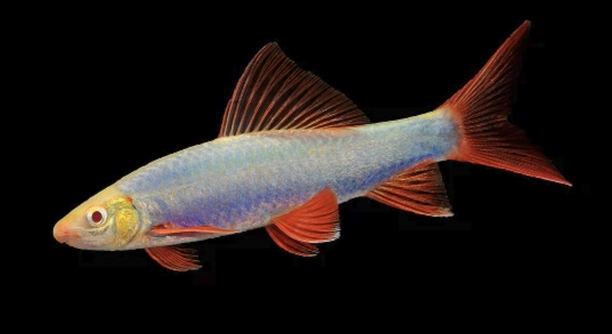
Rainbow Sharks are popular aquarium fish known for their unique appearance and active behavior. However, they can sometimes become overactive, which may cause stress or harm to themselves and other tank inhabitants. Managing their activity levels is important for maintaining a healthy aquarium environment.
Preventing a Rainbow Shark from becoming overactive involves controlling tank size, providing proper hiding spots, regulating feeding schedules, maintaining water quality, limiting tank mates, avoiding sudden changes, and ensuring consistent lighting. These steps help reduce stress and promote balanced behavior.
Learning these methods will help keep your Rainbow Shark calm and happy while improving your overall aquarium experience.
Providing Adequate Space and Hiding Spots
Rainbow Sharks need enough room to swim comfortably. A small tank can make them restless and overly active. It is recommended to keep them in tanks that are at least 30 gallons or larger. This space allows them to explore without feeling confined. Adding plenty of hiding spots, like plants, rocks, or decorations, helps reduce their stress. When they have places to retreat, they feel safer and calmer. Without these hiding spaces, they may swim nervously or act aggressively. A well-decorated tank not only looks nice but also supports your fish’s natural behavior.
Creating a balanced environment with space and shelters is a key step in managing their activity levels and promoting well-being.
Ensuring your Rainbow Shark has a large tank with ample hiding spots makes a big difference in calming their behavior. It helps prevent constant swimming and reduces stress-induced overactivity, improving both their health and your aquarium’s balance.
Regulating Feeding and Water Quality
Overfeeding can cause Rainbow Sharks to become hyperactive. Feeding small amounts at regular intervals keeps their energy steady. Uneaten food can also pollute the water, which stresses fish. Maintaining clean water by regular filtration and partial water changes is vital. Poor water quality leads to discomfort and increases their restlessness. Consistent care in feeding and water maintenance prevents sudden bursts of activity linked to discomfort or hunger. Keeping these factors stable helps Rainbow Sharks remain calm and healthy. Proper nutrition combined with clean water encourages balanced behavior and reduces the risk of illness. Avoid sudden changes in feeding or water conditions to keep their environment predictable and comfortable. Regular monitoring ensures your fish stays in the best possible state, supporting long-term calmness and vitality.
Limiting Tank Mates
Rainbow Sharks can become overactive if they feel threatened by other fish. Keeping tank mates peaceful and non-aggressive helps reduce stress. Avoid overcrowding the tank to prevent competition for space.
Choosing compatible fish is important for a calm aquarium. Aggressive or very active fish can provoke the Rainbow Shark, causing it to swim nervously or chase others. Keeping fewer fish in the tank gives the Rainbow Shark room to establish its territory without constant threats. This lowers stress and excessive movement. Monitoring interactions and removing overly aggressive tank mates quickly helps maintain peace. A well-planned community tank creates a balanced environment where all fish coexist comfortably.
Overcrowding and incompatible tank mates cause stress, leading to overactivity. Giving your Rainbow Shark space and calm companions helps it feel secure and behave normally, reducing unnecessary energy use.
Maintaining Consistent Lighting
Sudden changes in lighting can startle Rainbow Sharks, making them overly active. Using a timer keeps lighting regular. Consistent light cycles help fish adjust to their environment naturally.
Flickering or abrupt light shifts can disrupt the fish’s internal rhythms and cause anxiety. Gradual transitions between light and dark periods reduce stress. A consistent day-night cycle mimics natural conditions, helping Rainbow Sharks settle into calm behavior. Avoid shining bright lights directly into the tank or moving the aquarium frequently, as this can disturb the fish. Using soft, diffused lighting further soothes their environment. Consistency in lighting routines supports stable activity levels and overall well-being.
Stable lighting conditions are essential for reducing stress-related hyperactivity. A steady light schedule helps Rainbow Sharks feel secure and maintain healthy daily patterns.
Avoiding Sudden Tank Changes
Rainbow Sharks react poorly to sudden changes in their environment. Avoid rearranging decorations or plants too often. Stability helps keep their stress levels low.
Frequent changes can confuse and frighten them, leading to increased activity. Maintaining a familiar tank setup supports calmer behavior and helps them feel secure in their space.
Monitoring Water Temperature
Maintaining a stable water temperature between 74°F and 80°F is important. Temperature swings stress Rainbow Sharks, causing restless behavior.
Keeping the heater consistent and using a reliable thermometer prevents fluctuations. Stable temperature supports their natural rhythm and keeps activity balanced.
Providing Balanced Diet
A varied diet with high-quality pellets, vegetables, and occasional live food keeps Rainbow Sharks healthy. Balanced nutrition prevents energy spikes and maintains steady activity.
Feeding appropriate portions without overfeeding helps avoid hyperactivity caused by excess energy or digestive discomfort.
FAQ
Why is my Rainbow Shark so active all the time?
Rainbow Sharks are naturally active fish, but if they seem overly restless, it often means something in their environment is off. They might feel stressed due to lack of space, poor water quality, or aggressive tank mates. Inadequate hiding spots or sudden changes in lighting can also cause anxiety, making them swim more than usual. Overfeeding or inconsistent feeding schedules may boost their energy levels unnecessarily. Checking these factors helps identify what triggers their high activity and how to calm them down.
How much space does a Rainbow Shark need?
A minimum tank size of 30 gallons is recommended for one Rainbow Shark. More space is better, especially if you keep multiple fish. A larger tank reduces territorial disputes and gives your fish room to swim comfortably. Overcrowding can make them feel confined and stressed, increasing their activity levels in a negative way.
Can tank mates affect Rainbow Shark behavior?
Yes. Aggressive or very active tank mates can provoke your Rainbow Shark. This may lead to chasing, hiding, or constant swimming. Peaceful, compatible fish reduce tension in the tank and help your Rainbow Shark stay calm. Avoid keeping them with fin-nippers or overly territorial species.
What is the best diet for Rainbow Sharks?
Rainbow Sharks thrive on a balanced diet of sinking pellets, fresh vegetables like zucchini or cucumber, and occasional live or frozen foods like bloodworms. Feeding small amounts twice daily prevents overfeeding and energy spikes. A varied diet keeps them healthy and reduces restless behavior linked to hunger or digestive issues.
How often should I clean the tank?
Regular maintenance is key. Partial water changes of 20-30% every one to two weeks help maintain good water quality. Clean filters regularly to ensure efficient filtration. Dirty water stresses Rainbow Sharks, causing overactivity or sickness. Consistent cleaning supports their health and calm behavior.
Can lighting affect Rainbow Shark activity?
Absolutely. Sudden or harsh lighting changes can startle them, causing rapid swimming or hiding. Using a timer to maintain consistent light and dark cycles simulates natural conditions. Soft, indirect lighting is preferable. Stable lighting helps regulate their internal rhythms and keeps them relaxed.
What temperature should the water be?
Keep the tank between 74°F and 80°F. Temperature fluctuations stress Rainbow Sharks and can make them more active than usual. Use a reliable heater and thermometer to monitor the temperature. Stable warmth supports their normal behavior and overall health.
Why do Rainbow Sharks need hiding spots?
Hiding spots help reduce stress by giving them places to retreat when feeling threatened or overwhelmed. Without these, they may swim nervously or act aggressively. Plants, caves, and decorations create safe zones that encourage calmness and natural behaviors.
Is overfeeding a problem?
Yes, overfeeding can lead to excess energy, making Rainbow Sharks more active or aggressive. Uneaten food also pollutes the water, which stresses fish further. Feeding small, measured amounts twice a day is best.
What should I do if my Rainbow Shark is still overactive after changes?
If activity remains high despite improvements, check water parameters like pH, ammonia, and nitrate levels. Stress from poor water quality can be hard to spot but greatly affects behavior. Also, consider if your tank is too small or if the fish is sick. Sometimes a vet or aquarium specialist’s advice is helpful.
Final Thoughts
Managing the activity level of a Rainbow Shark is important for both the fish’s health and the overall balance of the aquarium. These fish naturally have bursts of energy, but when they become overly active, it can signal stress or discomfort. Simple changes in their environment can make a big difference. Providing enough space, stable water conditions, and compatible tank mates helps create a calm setting where the fish feel secure. This reduces their need to swim constantly or act nervously.
Consistency is key when caring for Rainbow Sharks. Regular feeding schedules, proper tank maintenance, and steady lighting help keep their behavior balanced. Sudden changes in any of these factors can trigger restlessness. When the environment feels predictable, the fish can relax and settle into natural rhythms. Adding hiding spots and decorations also gives them a sense of safety. These elements together support a healthier and less active fish without the stress that leads to overactivity.
Watching your Rainbow Shark and learning its normal behavior is helpful in preventing problems. Early signs of stress or too much movement should prompt a review of the tank conditions. Adjusting tank size, diet, or companions can improve their comfort quickly. A calm Rainbow Shark is a sign of good care. Taking these steps ensures the fish live longer, happier lives while making your aquarium a more peaceful place to enjoy.

Hello,
If you enjoy the content that we create, please consider saying a "Thank You!" by leaving a tip.
Every little bit helps us continue crafting quality advice that supports the health, happiness, and well-being of pets around the world, for pets of all shapes, sizes, and species.
We really appreciate the kindness and support that you show us!