
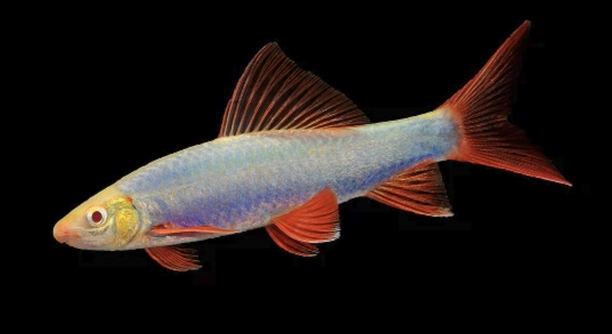
Rainbow sharks are popular freshwater fish known for their vibrant colors and active nature. They need specific tank conditions to stay healthy and thrive. When their environment is not right, they may show signs of stress or illness.
Ensuring the proper tank setup for a rainbow shark involves controlling water quality, temperature, and space. Poor conditions can lead to behavioral problems and health issues, so adjusting these factors is crucial for maintaining a stable and healthy habitat.
Fixing common tank problems can improve your fish’s well-being and make your aquarium more enjoyable. The following tips will guide you through the necessary adjustments for a better rainbow shark home.
Tank Size and Space
Rainbow sharks need enough space to swim actively and establish their territory. A tank smaller than 30 gallons can cause stress and aggression. Overcrowding leads to poor water quality and competition among fish. To keep your rainbow shark healthy, provide at least a 40-gallon tank. This allows room for other fish and decorations while giving your shark space to move freely. Proper tank size reduces stress, which lowers the risk of disease. It also supports better oxygen levels and easier maintenance. Choosing the right tank size is one of the simplest ways to ensure your fish’s well-being.
Too small a tank limits movement and increases stress.
Inadequate space can result in constant fighting and hiding. A larger tank supports natural behavior and reduces stress, promoting health. Decorate with hiding spots to balance open swimming areas. Regular cleaning and monitoring keep water quality high. When setting up your tank, consider your shark’s adult size and temperament. Giving your rainbow shark enough space helps avoid many common problems and keeps the fish lively and vibrant.
Water Quality Maintenance
Water quality is key for your rainbow shark’s health. Poor water conditions cause illness and stress quickly.
Keeping water clean means regular changes and testing.
Water parameters such as pH, ammonia, nitrite, and nitrate levels must be monitored closely. Ideal pH for rainbow sharks ranges between 6.5 and 7.5. Ammonia and nitrites should always be at zero, while nitrates stay below 20 ppm. Using a reliable test kit helps maintain these levels. Change 20-30% of the water weekly to remove toxins and replenish minerals. A good filtration system supports water cleanliness by removing debris and harmful substances. Avoid overfeeding, as leftover food decays and pollutes the tank. Keeping water quality stable reduces stress and prevents common diseases, making your rainbow shark more resilient and active. Regular maintenance is essential to a thriving aquarium.
Temperature Control
Rainbow sharks need stable water temperatures between 74°F and 80°F. Sudden changes can cause stress and illness.
Using a reliable aquarium heater and thermometer helps keep the water temperature steady. Avoid placing the tank near windows or vents where temperature fluctuates. Consistent warmth supports healthy metabolism and immune function.
If the water is too cold, your rainbow shark may become lethargic and stop eating. Too warm water lowers oxygen levels, leading to breathing problems. Regularly checking and adjusting the temperature is essential for your fish’s comfort and survival.
Proper Feeding Practices
Overfeeding is a common problem that harms rainbow sharks. Feed small amounts once or twice daily.
A balanced diet includes sinking pellets, algae wafers, and occasional live or frozen foods like bloodworms. Avoid feeding floating flakes as rainbow sharks prefer food near the bottom. Remove uneaten food to prevent water pollution.
Feeding too much causes waste buildup and poor water quality. It can also lead to obesity and health issues in your fish. Monitor feeding closely, and adjust portions based on your rainbow shark’s appetite and tank size. Proper nutrition supports growth, color, and overall vitality.
Compatible Tank Mates
Rainbow sharks can be territorial, especially with smaller or slow-moving fish. Choose tank mates carefully to avoid conflicts.
Ideal companions include larger, fast-swimming fish that can hold their own. Avoid aggressive or overly shy species to maintain balance.
Proper Tank Decorations
Using smooth rocks, driftwood, and plants creates hiding spots without sharp edges. This reduces injury risk and stress. Avoid overcrowding the tank to keep swimming space open.
Lighting Conditions
Moderate lighting mimics natural daylight and supports plant growth. Avoid overly bright lights that can stress your rainbow shark. Use a timer to maintain a regular day-night cycle.
Why is my rainbow shark hiding all the time?
Rainbow sharks often hide when stressed, scared, or uncomfortable. Common reasons include poor water quality, wrong temperature, or an overcrowded tank. Lack of hiding places may also make your fish feel unsafe. Checking water parameters and providing adequate space and shelter helps your shark feel secure and more active.
How often should I change the water in my rainbow shark’s tank?
Performing a partial water change of 20-30% weekly is recommended. This keeps toxin levels low and maintains stable water conditions. Frequent small changes are better than occasional large ones, as they prevent sudden shifts in water chemistry that can stress your fish.
Can rainbow sharks live with other fish?
Yes, but tank mates should be chosen carefully. Avoid small, slow-moving, or aggressive fish. Suitable companions include larger, peaceful species that can tolerate similar water conditions. Providing enough space and hiding spots reduces territorial behavior and conflict.
What should I feed my rainbow shark?
Feed a varied diet consisting mainly of sinking pellets or wafers designed for bottom feeders. Supplement with frozen or live foods like bloodworms or brine shrimp occasionally. Avoid overfeeding and remove uneaten food promptly to prevent water pollution.
Why is my rainbow shark’s color fading?
Fading colors often indicate stress, poor diet, or suboptimal water conditions. Ensure stable water temperature, clean environment, and a balanced diet rich in nutrients. Stress from bullying or overcrowding can also dull their vibrant colors.
How large can a rainbow shark get?
Rainbow sharks typically grow up to 6 inches in length. Proper tank size and nutrition support healthy growth. Smaller tanks or poor conditions can stunt growth and affect overall health.
What temperature is best for a rainbow shark?
Ideal water temperature ranges from 74°F to 80°F. Sudden changes or extremes outside this range can cause stress or illness. Using a reliable heater and thermometer ensures consistent temperature control.
How can I tell if my rainbow shark is sick?
Signs of illness include lethargy, loss of appetite, faded colors, clamped fins, abnormal swimming, or visible spots and sores. Promptly test water quality and isolate the fish if needed. Early treatment improves recovery chances.
Is it necessary to have a filter for a rainbow shark tank?
Yes, a good filter is essential. It helps maintain water clarity and removes harmful toxins. A strong filtration system supports oxygenation and stable water parameters, reducing stress and disease risks.
How much space does a rainbow shark need?
At least a 40-gallon tank is recommended. This provides room for swimming and reduces territorial aggression. More space is needed if keeping multiple fish or other species together.
Can rainbow sharks live in a planted tank?
Yes, rainbow sharks do well in planted tanks. Plants provide hiding spots and improve water quality. Choose hardy plants that can tolerate the fish’s activity and water conditions.
How long do rainbow sharks live?
With proper care, rainbow sharks can live 5 to 8 years. Maintaining stable tank conditions and a balanced diet helps extend their lifespan.
Should I turn off the tank light at night?
Yes, turning off the light at night replicates a natural day-night cycle. This helps regulate your fish’s behavior and reduces stress. Use a timer to keep a consistent schedule.
Why is my rainbow shark constantly chasing other fish?
Chasing behavior is often due to territorial instincts or overcrowding. Providing more space and hiding places can reduce aggression. Avoid keeping too many fish in a small tank.
Can I keep a rainbow shark alone?
Yes, rainbow sharks can live alone and may be less aggressive in solitary tanks. However, they still need adequate space and stimulation to stay healthy and active.
Taking care of a rainbow shark requires attention to its environment and needs. Ensuring the right tank size, stable water temperature, and good water quality are essential steps. These factors create a comfortable space where the fish can swim, feed, and rest without stress. Proper maintenance, such as regular water changes and cleaning, helps keep the tank healthy. A balanced diet is also important to support the fish’s growth and vibrant colors. Overfeeding or poor nutrition can cause problems, so feeding the right amount and type of food is necessary.
The behavior of a rainbow shark can tell you a lot about how well it is doing. If the fish is hiding constantly or showing signs of stress, it usually means something in the tank needs adjustment. Sometimes the tank is too small, or water conditions are not ideal. Aggression or chasing other fish often points to overcrowding or lack of hiding spots. Keeping compatible tank mates and adding plants or decorations can improve the environment. Observing your fish regularly and responding to any changes quickly will help prevent illness and keep your rainbow shark active.
Creating a stable and suitable habitat takes some effort, but it pays off with a healthy and colorful fish. Simple steps such as controlling temperature, maintaining clean water, and choosing the right tank mates make a big difference. Rainbow sharks are lively and beautiful fish when their needs are met. Taking time to understand their requirements can lead to a rewarding experience. With care and patience, you can enjoy watching your rainbow shark thrive in a well-balanced tank for many years.

Hello,
If you enjoy the content that we create, please consider saying a "Thank You!" by leaving a tip.
Every little bit helps us continue crafting quality advice that supports the health, happiness, and well-being of pets around the world, for pets of all shapes, sizes, and species.
We really appreciate the kindness and support that you show us!