
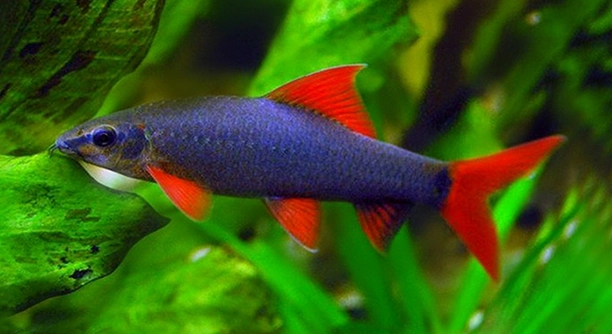
Raising Rainbow Shark fry can be a rewarding experience for aquarium enthusiasts. These small fish need specific care to thrive and stay healthy. Understanding their needs early on sets the foundation for success.
Proper care for Rainbow Shark fry includes maintaining clean water, providing a balanced diet, and ensuring enough space for growth. Consistent monitoring of water parameters and tank conditions is essential to support their development and prevent stress-related issues.
Knowing these basic tips will help you create a healthy environment for your Rainbow Sharks. This article will guide you through simple steps to raise happy and thriving fry.
Setting Up the Right Tank Environment
Creating the proper tank environment is the first step in raising healthy Rainbow Shark fry. The tank should be at least 20 gallons to provide enough space for swimming and growth. Clean water with stable parameters is essential. Keep the temperature between 75°F and 80°F, and maintain a pH level around 6.5 to 7.5. Use a good filter to keep the water clear but avoid strong currents, as fry prefer calmer areas. Adding hiding spots with plants or decorations helps reduce stress. Regular water changes, about 20% weekly, keep harmful toxins low. Before introducing the fry, make sure the tank is cycled properly to avoid sudden changes in water chemistry. Monitoring these conditions closely during the early stages will give the fry a better chance to grow strong and healthy.
A well-maintained tank supports healthy growth and reduces disease risks. This foundation is key to success.
Keeping the tank clean and stable isn’t always easy but it pays off. A healthy environment lowers stress and boosts fry survival. Take time to observe your fry daily. Watch for any signs of distress like sluggish movement or unusual spots. Adjust water conditions when needed and keep the tank free from waste buildup. A little effort in tank setup goes a long way toward raising strong Rainbow Sharks.
Feeding Your Rainbow Shark Fry Properly
Young Rainbow Sharks need a balanced diet rich in protein for growth. Feeding small amounts several times a day works best. Start with finely crushed flakes or specialized fry food that sinks slowly. Supplement their diet with live or frozen foods like baby brine shrimp or daphnia to encourage natural hunting behavior. Avoid overfeeding to prevent water quality issues. Remove any uneaten food after a few minutes to keep the tank clean. As the fry grow, gradually introduce larger food particles and vary their diet to keep them healthy.
A proper feeding schedule ensures steady growth and energy.
It’s important to pay attention to feeding times and portions. Overfeeding can pollute the water and harm the fry, while underfeeding slows growth. Try to observe how much your fry eat and adjust accordingly. Keeping food variety helps meet their nutritional needs and reduces boredom. Feeding your Rainbow Shark fry correctly will give them the energy to explore their environment and grow into vibrant adults.
Monitoring Water Quality Regularly
Testing water quality often helps catch problems early. Keep an eye on ammonia, nitrite, nitrate, pH, and temperature levels to ensure they stay within safe limits. Sudden changes can stress your fry and lead to illness.
Regular water testing is crucial for healthy Rainbow Shark fry. Ammonia and nitrite levels should always be zero, as even small amounts can be harmful. Nitrate should stay below 20 ppm. Use a reliable test kit and record your readings. If any parameter shifts, take immediate action by doing water changes or adjusting filtration. Consistency in water quality supports strong immune systems and reduces the risk of disease.
In addition to testing, watch your tank’s clarity and smell. Cloudy water or unpleasant odors signal that maintenance is needed. Keeping water clean with frequent partial changes helps maintain stability. Remember that fry are more sensitive than adult fish, so staying proactive with water care makes a big difference in their survival and growth.
Providing Hiding Places and Space
Rainbow Shark fry need safe spaces to feel secure and reduce stress. Plants, caves, or decorations create hiding spots where they can rest or escape if frightened.
Adequate space is just as important. Overcrowding can lead to competition for food and oxygen, increasing stress and illness risks. Giving the fry room to swim freely encourages healthy activity and growth. Aim for enough open swimming space combined with hiding areas. Regularly check the tank population and consider moving excess fry to another tank when needed. A balanced environment promotes calm and helps fry develop natural behaviors, making them more resilient as they grow.
Maintaining Stable Temperature
Consistent temperature helps Rainbow Shark fry develop properly. Sudden fluctuations can cause stress and weaken their immune system. Use a reliable heater and thermometer to keep the water steady between 75°F and 80°F.
Avoid placing the tank near windows or vents where temperature changes often. This prevents unwanted shifts that can harm the fry.
Avoiding Overcrowding
Overcrowding increases stress and disease risk in Rainbow Shark fry. Each fish needs enough space to swim and grow without competition. Keep the number of fry suitable for your tank size to maintain a healthy environment.
Observing Behavior Daily
Watching your fry’s behavior can reveal early signs of problems. Healthy fry are active and explore their surroundings. Sluggish or hiding fish may need water checks or diet adjustments.
Gradually Introducing Fry to the Main Tank
Move Rainbow Shark fry to the main tank only when they are strong and about two inches long. This helps them adapt better and reduces risks from larger fish.
FAQ
How often should I feed Rainbow Shark fry?
Feeding small amounts 3 to 4 times a day works best. Young fry have tiny stomachs and digest food quickly. Frequent feeding ensures they get enough nutrients to grow steadily without overloading the tank with leftover food.
What is the best food for Rainbow Shark fry?
Start with finely crushed flakes or specialized fry food that sinks slowly. Adding live or frozen foods like baby brine shrimp or daphnia helps provide protein and encourages natural hunting instincts, supporting healthy growth.
How do I prevent diseases in Rainbow Shark fry?
Maintain clean water with regular changes and stable parameters. Avoid overcrowding and stress by providing hiding places and proper space. Quarantine new fish before adding them to the tank to reduce the chance of introducing illnesses.
Can Rainbow Shark fry live with other fish?
Young Rainbow Sharks can live with peaceful species of similar size. Avoid aggressive or larger fish that may bully or eat the fry. Providing plenty of hiding spots reduces stress when mixing species in the same tank.
How long does it take for Rainbow Shark fry to grow?
Growth rates vary, but fry usually reach about two inches within 3 to 4 months under good conditions. Proper feeding, water quality, and space all affect how quickly they develop.
When should I move the fry to a bigger tank?
Move fry to a larger tank once they are strong and at least two inches long. This reduces the risk of being outcompeted for food or stressed by larger fish. A bigger tank also provides room for healthy swimming.
What water temperature is ideal for Rainbow Shark fry?
Keep the temperature steady between 75°F and 80°F. Consistency is key since sudden changes can stress fry and slow growth. Use a reliable heater and thermometer to monitor the tank environment.
How do I tell if the fry are healthy?
Healthy fry are active, swim freely, and have clear eyes and vibrant colors. Watch for normal eating habits and regular movement. Any lethargy, discoloration, or unusual behavior may indicate health problems needing attention.
What should I do if the water quality drops?
Perform a partial water change immediately to remove harmful toxins. Check filtration and clean or replace filter media if needed. Test water parameters daily until they return to safe levels. Keeping water clean is vital for fry survival.
Is it okay to use tap water for the fry’s tank?
Tap water can be used if treated properly to remove chlorine and chloramine. Use a water conditioner to neutralize harmful chemicals before adding water to the tank. Always test water parameters before introducing fry to avoid sudden changes.
How can I reduce stress in Rainbow Shark fry?
Provide hiding places, maintain stable water conditions, avoid sudden movements around the tank, and keep tank mates peaceful. Stress weakens their immune system, so a calm environment helps them grow strong.
What are common signs of illness in Rainbow Shark fry?
Look for white spots, frayed fins, swollen bellies, or gasping at the surface. Sudden changes in behavior or appetite can also indicate illness. Early detection and treatment improve chances of recovery.
How often should I change the water?
Change about 20% of the water weekly to keep toxin levels low. More frequent changes may be needed if water tests show rising ammonia or nitrites. Fresh water helps maintain a healthy environment.
Can I breed Rainbow Sharks at home?
Breeding Rainbow Sharks can be challenging but possible with the right setup. Provide a separate breeding tank with soft substrate and hiding spots. Spawning usually happens when water temperature is raised slightly and quality is kept perfect.
What should I avoid when caring for Rainbow Shark fry?
Avoid overfeeding, overcrowding, sudden changes in water parameters, and mixing with aggressive fish. These can cause stress, poor growth, or death. Consistency in care is the best approach to keep fry healthy.
Raising Rainbow Shark fry requires patience and careful attention, but the effort is worth it. These fish are sensitive during their early stages and need a stable environment to thrive. Keeping the water clean and maintaining proper temperature and pH levels are the basics that cannot be overlooked. Providing enough space and hiding places helps reduce their stress, which supports better growth and stronger immune systems. Paying close attention to their diet and feeding schedule is also essential for healthy development. A simple, balanced diet with small, frequent feedings is the best approach. Overall, consistent care and observation create the conditions Rainbow Shark fry need to grow into vibrant and active adult fish.
It is important to remember that Rainbow Shark fry are more fragile than adults. They respond quickly to changes in water quality or temperature, so small mistakes can have big effects. Regular water testing and partial changes help keep their environment safe and comfortable. Avoid overcrowding and sudden tank moves because these can cause unnecessary stress. Watching their behavior daily gives useful clues about their health. If they seem inactive or lose interest in food, it may be time to check the water or adjust feeding. Taking these steps seriously ensures a better chance for your fry to survive and thrive.
Raising Rainbow Shark fry is manageable when you follow simple but important care guidelines. It may feel challenging at first, but with time and experience, it becomes easier to understand their needs. Maintaining a clean tank, providing good food, and offering a peaceful environment are the foundation of success. By staying consistent and patient, you will see your fry grow healthy and strong. These small fish will eventually become beautiful additions to your aquarium, making all the care worthwhile.

Hello,
If you enjoy the content that we create, please consider saying a "Thank You!" by leaving a tip.
Every little bit helps us continue crafting quality advice that supports the health, happiness, and well-being of pets around the world, for pets of all shapes, sizes, and species.
We really appreciate the kindness and support that you show us!