
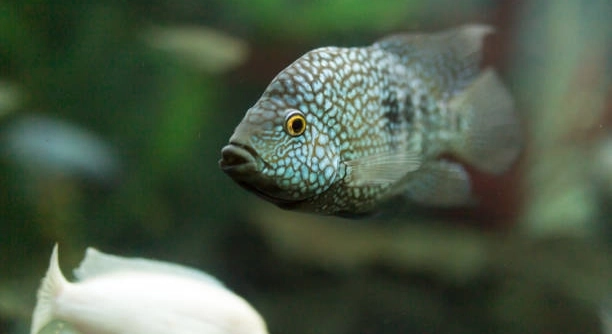
Have you ever wondered how to keep your Jack Dempsey fish healthy and free from illness? These vibrant freshwater fish require careful attention to water quality, diet, and overall tank conditions to thrive consistently.
Preventing illness in Jack Dempsey fish relies on maintaining optimal water parameters, providing a balanced diet, monitoring for early signs of disease, ensuring proper tank hygiene, and reducing stress through appropriate tank mates and environmental stability.
Understanding these key factors will help maintain your fish’s long-term health and enhance their natural colors and behavior in a stable aquatic environment.
Maintain Optimal Water Conditions
Keeping water conditions stable is essential for Jack Dempsey fish health. They thrive in slightly acidic to neutral water with a pH between 6.5 and 7.5. Temperature should remain consistent between 75°F and 82°F. Regular testing of ammonia, nitrite, and nitrate levels helps prevent dangerous spikes that can stress or harm your fish. Frequent partial water changes, around 20-30% weekly, remove waste and toxins while keeping mineral levels balanced. Filtration is important, but avoid creating strong currents, as Jack Dempseys prefer calmer waters. A properly maintained substrate and clean decorations reduce the risk of bacterial growth. Monitoring water clarity and odor provides additional cues about water quality. Proper water management reduces stress, which is a key factor in preventing illness. Stress weakens the immune system, making fish more vulnerable to infections and parasites. Taking time to observe their swimming behavior and appetite can indicate whether water conditions are ideal or need adjustment.
Stable water conditions prevent sudden stress reactions and disease outbreaks in Jack Dempsey fish. Consistent care creates a safe environment.
Regular observation and small adjustments help maintain a balanced aquatic habitat. This approach supports healthy growth and vibrant coloration. Monitoring tank inhabitants for signs of aggression or illness ensures early intervention, preventing minor issues from becoming serious. Proper water temperature and pH levels contribute to metabolic stability. By keeping tanks clean and performing scheduled water changes, you reduce ammonia and nitrate buildup. Using a reliable filtration system maintains oxygen levels while minimizing debris. Tank décor should allow hiding spots and prevent injuries. Overcrowding is avoided to reduce competition for resources. Paying attention to these details creates a low-stress environment. A healthy, stress-free tank boosts immunity, making fish more resilient to common infections and parasites. Understanding the needs of Jack Dempseys and observing their responses ensures long-term well-being and thriving behavior in captivity.
Provide a Balanced Diet
Jack Dempseys need a diet rich in protein and varied nutrients. Feeding them high-quality pellets, live or frozen foods, and occasional vegetables ensures proper growth and immunity.
Feeding small portions multiple times a day prevents overfeeding and water contamination, which can lead to illness.
A balanced diet supports strong immune systems and overall vitality. Live foods such as brine shrimp, bloodworms, or small feeder fish provide essential proteins and encourage natural hunting behaviors. Vegetables like peas or spinach, lightly blanched, offer fiber and vitamins. Avoid over-reliance on one type of food, as nutritional deficiencies may develop. Monitoring feeding behavior helps identify health problems early; reduced appetite can signal stress or disease. Removing uneaten food promptly prevents water quality issues that could affect the entire tank. Supplementing with vitamins occasionally enhances coloration and resilience. Ensuring a varied diet contributes to energy levels, growth, and reproductive health. Maintaining consistency in portion size and feeding frequency prevents obesity and promotes efficient digestion. By combining protein sources, vegetables, and quality pellets, Jack Dempsey fish remain healthy, active, and less prone to illness.
Regular Tank Cleaning
Keeping the tank clean reduces the risk of infections and keeps Jack Dempseys active. Removing waste, uneaten food, and algae helps maintain a healthy environment.
Regular cleaning includes partial water changes, scrubbing surfaces, and vacuuming the substrate to remove debris. Filters should be rinsed in tank water, not tap water, to preserve beneficial bacteria. Avoid harsh chemicals or soap, as residues can harm fish. Maintaining a consistent cleaning schedule prevents spikes in ammonia and nitrites, which are harmful. Monitoring decorations and plants for decay is also important, as rotting material can introduce pathogens. Small, consistent maintenance steps are more effective than infrequent, intensive cleanings.
Cleaning supports stable water parameters and reduces stress, which lowers disease susceptibility. Proper maintenance allows fish to show natural behaviors and retain vibrant colors.
Routine attention to tank hygiene ensures that Jack Dempseys remain healthy. Observing fish during cleaning helps identify early signs of illness. Regular water testing after maintenance confirms balanced parameters. Removing uneaten food promptly prevents bacterial growth. Replacing or cleaning filter media as needed supports biological filtration. Keeping tank plants trimmed and free of decay prevents mold or algae buildup. A well-maintained environment promotes immunity and reduces the likelihood of parasite infestations. Combined with proper feeding, these practices create a sustainable habitat where Jack Dempseys thrive and display natural behaviors consistently.
Reduce Stress and Aggression
Stress weakens the immune system, making Jack Dempseys prone to disease. Minimizing sudden changes in environment or water conditions is essential.
Aggressive tank mates or overcrowding increase tension. Providing hiding spots and proper space reduces confrontations. Observe fish interactions and separate individuals if fights occur. Gradually acclimating fish to new conditions or tankmates helps prevent shock. Consistent lighting, temperature, and feeding schedules also reduce stress.
A calm, structured environment encourages healthy behavior, lowers disease risk, and improves overall well-being. Stress management is as crucial as diet and water quality for long-term health.
Maintaining stable conditions includes monitoring temperature, pH, and ammonia levels regularly. Adding rocks, caves, or plants gives Jack Dempseys retreat areas, limiting aggressive encounters. Avoid overcrowding by keeping stocking density appropriate for tank size. When introducing new fish, quarantine them first to prevent illness transmission. Regular observation of behavior helps identify stress early, allowing timely intervention. Feeding at consistent times supports routine and reduces competition for food. Limiting loud noises or rapid movements near the tank also minimizes stress. Combined with clean water and balanced nutrition, these strategies create a secure environment that supports strong immunity and overall vitality.
Quarantine New Fish
Quarantining new fish prevents the introduction of diseases to your main tank. A separate tank allows observation for signs of illness before mixing them with Jack Dempseys.
A quarantine period of at least two weeks helps ensure that parasites or infections are detected early. Treating any issues before introducing new fish protects the entire tank population and maintains overall health.
Monitor for Signs of Illness
Early detection is key. Watch for changes in appetite, color, or behavior, as these can indicate health problems.
Regular observation allows for prompt action. Small changes, such as clamped fins, lethargy, or unusual swimming patterns, can signal infections, stress, or water-related issues. Identifying problems early increases treatment success and prevents spread.
Maintain Proper Filtration
Effective filtration keeps water clean, oxygenated, and free from harmful substances. Regularly check filters to ensure they are functioning correctly.
FAQ
How often should I change the water in my Jack Dempsey tank?
Water changes should be done weekly, replacing 20-30% of the tank water each time. This keeps ammonia, nitrite, and nitrate levels under control and prevents buildup of waste. Consistent water changes reduce stress and support overall fish health, helping prevent disease.
What is the best diet for Jack Dempsey fish?
A balanced diet includes high-quality pellets as the main staple, supplemented with live or frozen foods like brine shrimp, bloodworms, or small feeder fish. Vegetables such as peas or spinach provide fiber and essential nutrients. Feeding multiple small portions daily prevents overfeeding and keeps the water clean.
How can I prevent aggression in a Jack Dempsey tank?
Provide plenty of hiding spots and adequate space for each fish. Avoid overcrowding and carefully select tankmates that can tolerate the Jack Dempsey’s territorial behavior. Observing fish interactions helps identify aggression early so you can separate fish if needed.
What water parameters are ideal for Jack Dempsey fish?
Maintain a temperature between 75°F and 82°F with a pH of 6.5 to 7.5. Ammonia and nitrite levels should always be zero, and nitrates kept below 20 ppm. Stable water parameters reduce stress and prevent susceptibility to illness.
How do I know if my Jack Dempsey is sick?
Look for changes in appetite, behavior, or coloration. Clamped fins, lethargy, rapid gill movement, or abnormal swimming patterns may indicate stress, parasites, or infection. Early detection is crucial for effective treatment. Regular observation helps catch problems before they become serious.
Should I quarantine new fish before adding them to the main tank?
Yes, always quarantine new fish for at least two weeks. This allows time to monitor for diseases or parasites without risking the health of your established tank. Treat any detected issues during this period to prevent spreading illness.
How often should I clean the tank and filter?
Perform partial water changes weekly and clean surfaces, decorations, and the substrate as needed. Rinse filter media in tank water, not tap water, to preserve beneficial bacteria. A clean environment reduces harmful bacteria and supports a strong immune system.
Can stress affect Jack Dempsey fish health?
Stress weakens the immune system, making fish more vulnerable to disease. Avoid sudden changes in water conditions, maintain consistent feeding and lighting schedules, and provide hiding spots. Managing aggression and reducing noise near the tank also help keep stress levels low.
What signs indicate poor water quality?
Cloudy water, unusual odors, or sudden changes in fish behavior can indicate poor water quality. Regular testing of pH, ammonia, nitrite, and nitrate levels helps identify issues before they harm your fish. Immediate corrective actions prevent stress and illness.
How can I maintain vibrant colors in Jack Dempsey fish?
A healthy diet rich in protein and nutrients, stable water conditions, and minimal stress promote bright coloration. Avoid overcrowding, provide hiding spots, and maintain proper tank hygiene to support natural colors and overall well-being.
Can Jack Dempsey fish live with other species?
They are territorial, so carefully select tankmates of similar size and temperament. Avoid smaller or overly passive species that may be bullied. Providing enough space and hiding spots minimizes aggression and allows multiple species to coexist.
Is it necessary to test water regularly?
Yes, testing water weekly for pH, ammonia, nitrites, and nitrates ensures the environment remains safe. Monitoring parameters helps catch problems early, prevents stress, and reduces the risk of disease outbreaks.
How do I treat common illnesses in Jack Dempseys?
Treatment depends on the condition. Bacterial infections often require antibiotics, while parasites may need antiparasitic medications. Early detection and accurate diagnosis increase treatment success. Maintaining good water quality and minimizing stress support recovery and prevent recurrence.
Can overfeeding cause health issues?
Yes, overfeeding leads to poor water quality, obesity, and digestive problems. Feed small, measured portions multiple times a day, and remove uneaten food promptly. Proper feeding habits promote digestion, energy levels, and immune function.
How long do Jack Dempsey fish typically live?
With proper care, they can live 8-10 years or longer. Maintaining optimal water conditions, a balanced diet, stress-free environment, and early disease detection all contribute to longevity and overall well-being.
This FAQ covers key concerns for keeping Jack Dempsey fish healthy. By following these practices, their immune system, behavior, and coloration remain strong. Regular observation, consistent maintenance, and proper nutrition are critical for a thriving aquarium environment.
Caring for Jack Dempsey fish requires attention to detail and consistent effort, but it is highly rewarding. These fish are strong, active, and colorful, and maintaining their health ensures they remain vibrant and lively. Proper water conditions are the foundation of good care. Regular monitoring of pH, temperature, ammonia, nitrites, and nitrates prevents sudden changes that can stress the fish and make them more susceptible to disease. Partial water changes, careful cleaning of the substrate, and maintaining a functioning filtration system are simple steps that go a long way in supporting a stable environment. Even small adjustments, such as removing uneaten food promptly or trimming decaying plants, can significantly reduce harmful bacteria in the tank. By keeping the water clean and balanced, you provide a comfortable home that promotes natural behavior, strong immunity, and long-term health.
Feeding is another essential aspect of care that impacts both health and appearance. A balanced diet with high-quality pellets as the main staple, supplemented with live or frozen foods like brine shrimp or bloodworms, ensures proper nutrition. Vegetables, such as peas or spinach, provide fiber and additional vitamins, supporting digestion and overall well-being. Feeding multiple small portions instead of one large meal prevents overfeeding and reduces water contamination, which can otherwise lead to illness. Observing your fish during feeding also helps identify early signs of stress or disease, such as changes in appetite or unusual behavior. A varied and consistent diet encourages energy, healthy growth, and vibrant coloration. Along with clean water, proper nutrition forms the backbone of disease prevention and helps Jack Dempseys thrive in captivity.
Minimizing stress and maintaining a peaceful environment are equally important for long-term health. Jack Dempsey fish can be territorial, so providing adequate space, hiding spots, and carefully chosen tankmates reduces aggression and anxiety. Regular observation allows you to address behavioral issues quickly, preventing fights and injuries. Stress management also includes avoiding sudden changes in water conditions, maintaining consistent feeding and lighting schedules, and limiting excessive noise or movement near the tank. Quarantining new fish before introducing them into the main tank protects your established population from potential illnesses. Overall, caring for Jack Dempseys involves a combination of proper water management, balanced nutrition, and stress reduction. When these practices are consistently applied, your fish remain healthy, display natural behaviors, and show bright, vibrant colors, making the effort worthwhile for a thriving aquarium.

Hello,
If you enjoy the content that we create, please consider saying a "Thank You!" by leaving a tip.
Every little bit helps us continue crafting quality advice that supports the health, happiness, and well-being of pets around the world, for pets of all shapes, sizes, and species.
We really appreciate the kindness and support that you show us!