
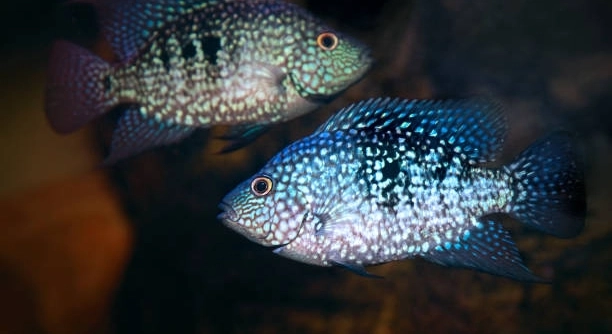
Have you ever considered adding a Dempsey fish to your home aquarium but felt unsure about the right way to introduce it? Starting a new fish in your tank requires attention and care for a healthy environment.
The safest approach to introducing a Dempsey fish involves gradually acclimating it to the tank’s water conditions, monitoring temperature and pH levels, and minimizing stress. Proper quarantine procedures and careful observation reduce the risk of disease or aggression toward other fish.
Following proper steps for introduction ensures your aquarium remains balanced and your Dempsey fish thrives in its new environment without unnecessary risk or stress.
Preparing Your Tank for a Dempsey Fish
Before adding a Dempsey fish, the tank must be fully prepared to ensure a safe and healthy environment. Clean the tank thoroughly and remove any leftover debris or chemicals. Check that the filter is functioning properly and that the water circulation is steady. Maintain a stable temperature between 74–80°F and ensure the pH level stays between 6.5 and 7.5. Decorate the tank with hiding spots, rocks, or plants to provide shelter and reduce stress for the fish. Avoid overcrowding the tank, as Dempsey fish can be territorial. Allow the tank to cycle completely before introducing the fish to establish beneficial bacteria that help break down waste. Frequent water testing in the early days is essential to detect any sudden changes. Proper preparation sets the stage for your Dempsey fish to adjust smoothly to its new home, promoting long-term health and activity.
A well-prepared tank minimizes stress and ensures your Dempsey fish adapts safely and maintains its health.
Gradual adjustments, such as introducing the fish slowly and observing interactions, help prevent aggressive behavior and promote a balanced tank environment.
Acclimating the Dempsey Fish
Start acclimating your Dempsey fish by floating the sealed bag in the tank water for 15–20 minutes.
During acclimation, carefully monitor the water temperature and slowly mix small amounts of tank water into the bag every five minutes. This gradual adjustment helps the fish adapt to differences in water chemistry without shock. Once the fish seems calm and active, gently release it into the tank using a net. Avoid pouring water from the bag directly into the tank to prevent contamination. Observe the fish closely during the first 48 hours, watching for signs of stress or aggression. Keep feeding light and consistent to help the fish settle in. Ensure that any tank mates are compatible and have their own territories. By following these steps, the Dempsey fish will have a smooth transition and be less likely to develop stress-related illnesses. Consistent monitoring and proper care during this period are crucial for long-term well-being.
Monitoring Behavior After Introduction
Watch your Dempsey fish closely after adding it to the tank. Observe how it interacts with other fish, noting any signs of aggression or unusual hiding.
Aggressive behavior can occur as the Dempsey establishes its territory. Provide sufficient hiding spots to reduce conflicts, and separate overly aggressive individuals if necessary. Track feeding habits and activity levels to ensure the fish is adjusting properly. Avoid sudden changes in lighting or water flow, as these can increase stress and trigger defensive behavior. Keeping a consistent routine helps the fish feel secure and reduces chances of injury or illness. Proper observation during the first week is crucial to prevent long-term behavioral issues and maintain a harmonious tank environment.
Regular monitoring allows early detection of health or aggression problems, ensuring timely action and maintaining a balanced tank.
Feeding and Nutrition
Feed your Dempsey fish a varied diet including pellets, flakes, and occasional live or frozen food. Offer small portions multiple times a day.
A balanced diet supports growth, coloration, and overall health. Include protein-rich foods like bloodworms, brine shrimp, or small insects, as Dempsey fish are carnivorous by nature. Supplement with high-quality pellets that provide essential vitamins and minerals. Avoid overfeeding to prevent obesity and water contamination, which can stress the fish and affect tank conditions. Observe the fish’s eating habits and adjust quantities as needed to maintain optimal health. Feeding a variety of foods encourages natural foraging behavior and keeps the fish active and engaged. Over time, this approach contributes to a stronger immune system, better coloration, and a longer lifespan for your Dempsey fish.
Consistent attention to diet and feeding schedules helps the fish adapt smoothly, reduces stress, and ensures vibrant health.
Water Quality Maintenance
Regularly test the water for ammonia, nitrite, nitrate, and pH levels. Maintain stable conditions to prevent stress and disease in your Dempsey fish.
Perform partial water changes weekly, around 20–25%, to remove waste and keep the water clean. Avoid sudden temperature or chemical changes.
Tank Compatibility
Dempsey fish can be territorial, so choose tank mates carefully. Avoid smaller or overly passive fish that may be bullied.
Introduce compatible species gradually, monitor interactions, and provide plenty of hiding spaces. Proper planning reduces conflicts and ensures a calmer environment for all fish in the tank.
Signs of Stress
Monitor your Dempsey for unusual behavior such as hiding constantly, loss of appetite, or faded coloration. Stress can lead to illness or aggression.
Address stress promptly by checking water quality, adjusting tank conditions, or isolating aggressive tank mates. Early intervention helps your fish recover quickly and maintain long-term health.
FAQ
How often should I feed my Dempsey fish?
Feed your Dempsey fish small portions two to three times daily. Include high-quality pellets as the main diet, supplemented with live or frozen foods like brine shrimp or bloodworms. Overfeeding can cause obesity and water quality issues, so give only what they can finish in a few minutes.
Can Dempsey fish live with other cichlids?
Dempsey fish are territorial, but they can sometimes live with other similarly sized, robust cichlids. Introduce them slowly and provide plenty of hiding spots. Avoid small or passive fish, as they may be bullied or stressed by the Dempsey’s behavior.
How do I know if my Dempsey fish is healthy?
Healthy Dempseys are active, have bright coloration, and eat regularly. Watch for smooth fins, clear eyes, and consistent swimming patterns. Avoid fish that hide constantly, refuse food, or show discoloration, as these can be signs of stress or illness.
What water conditions do Dempsey fish need?
Maintain a temperature between 74–80°F and a pH of 6.5–7.5. Keep ammonia and nitrite at zero, and nitrate below 20 ppm. Stable water conditions prevent stress and promote growth. Regular testing and partial water changes are essential for a healthy environment.
How do I introduce a new Dempsey fish to my tank?
Float the sealed bag in the tank for 15–20 minutes to match temperature. Gradually add small amounts of tank water into the bag over 30–45 minutes. Use a net to release the fish into the tank, avoiding water from the bag to prevent contamination.
Why is my Dempsey fish hiding so much?
Excessive hiding can indicate stress, illness, or poor water conditions. Check temperature, pH, and ammonia levels. Ensure the fish has enough hiding spots but is not overwhelmed by aggressive tank mates. Hiding is normal occasionally but should not be constant.
Can Dempsey fish be aggressive?
Yes, they are naturally territorial, especially during feeding or breeding. Reduce aggression by providing hiding spots, limiting overcrowding, and choosing compatible tank mates. Monitor interactions closely, and separate overly aggressive individuals if necessary.
How long do Dempsey fish live?
With proper care, Dempsey fish can live 10–15 years. Good diet, stable water conditions, and a stress-free environment contribute to longevity. Regular observation and maintenance help ensure your fish remains healthy throughout its life.
What should I do if my Dempsey fish shows signs of illness?
Immediately check water quality and temperature. Isolate the fish if necessary and observe for symptoms like fin rot, swelling, or unusual swimming. Consult a veterinarian or experienced aquarist for proper treatment, and maintain quarantine for sick fish to prevent spreading disease.
Can Dempsey fish breed in a home tank?
Dempsey fish can breed if they feel secure, with suitable hiding spaces and clean water. They may become more aggressive during spawning, defending their territory. Provide a separate breeding tank if possible, and monitor fry carefully for feeding and growth.
How do I clean the tank without stressing my Dempsey fish?
Perform partial water changes weekly, clean substrate gently, and avoid sudden changes in temperature or chemicals. Move decorations only if necessary. Keeping a routine helps the fish feel secure while maintaining optimal water conditions.
What are the best tank decorations for a Dempsey fish?
Provide rocks, caves, and plants to create hiding spots. Avoid overcrowding the tank, but ensure enough areas for territorial behavior. Decorations also help reduce aggression and give the fish places to explore, contributing to a balanced and stimulating environment.
Is it necessary to quarantine a new Dempsey fish?
Yes, quarantining new fish for at least two weeks helps prevent introducing disease to your main tank. Observe behavior, check for parasites, and ensure the fish adapts to water conditions before adding it to the community tank.
How can I prevent Dempsey fish from becoming stressed?
Maintain stable water conditions, provide hiding spots, avoid sudden changes in lighting or temperature, and monitor tank mates. Stress can weaken the immune system, so consistency and observation are key.
Can Dempsey fish recognize their owner?
While they may not show affection like mammals, Dempsey fish can learn to associate humans with feeding and activity. Regular care and interaction help them become familiar with daily routines, making observation easier and feeding less stressful.
How do I encourage natural behavior in my Dempsey fish?
Provide a varied diet, hiding spots, and open swimming areas. Minimal disturbance, consistent lighting, and a well-maintained tank allow them to explore, establish territory, and interact naturally. Observing their behavior ensures they remain active and healthy.
What signs indicate my Dempsey fish is ready to breed?
Bright coloration, increased territoriality, and nest-building behavior are common indicators. Both male and female become protective of a chosen area, and careful observation ensures the tank can support breeding without stress to other fish.
How do I handle aggressive interactions between Dempsey fish and tank mates?
Separate the aggressive fish if conflicts persist. Rearrange hiding spots to reduce visibility and territory disputes. Monitor feeding times, as competition can increase aggression. Patience and careful observation are essential to maintain balance in a community tank.
Are there any special considerations for feeding young Dempsey fish?
Juveniles require smaller portions multiple times per day, with high-protein foods to support growth. Avoid overfeeding, maintain water quality, and ensure fry are protected from older fish. Regular observation helps track development and health effectively.
How do I maintain vibrant coloration in Dempsey fish?
Provide a varied, high-quality diet rich in protein and nutrients. Keep water conditions stable and minimize stress. Proper lighting and consistent feeding routines enhance natural colors and overall health.
What should I do if a Dempsey fish refuses food?
Check water quality and temperature, as stress can reduce appetite. Offer live or frozen foods to stimulate feeding. Monitor the fish closely, as prolonged refusal may indicate illness or environmental issues.
Can Dempsey fish live alone?
Yes, they can thrive alone, especially in smaller tanks. Solo living reduces territorial conflicts, but enrichment and hiding spaces are still important for mental stimulation and activity.
How often should I perform water changes?
Perform weekly partial water changes of 20–25%. This removes waste, maintains stable chemistry, and supports healthy fish. Avoid full water changes, which can stress the fish and disrupt beneficial bacteria.
How do I acclimate a Dempsey fish to different water chemistry?
Gradually add small amounts of tank water to the transport bag over 30–45 minutes. This stepwise adjustment helps the fish adapt to pH, hardness, and temperature differences without shock, reducing stress and improving survival.
What are common illnesses in Dempsey fish?
Fin rot, ich, and bacterial infections are common. Symptoms include torn fins, white spots, or lethargy. Maintain water quality, quarantine new fish, and treat promptly to prevent spread and support recovery.
Can Dempsey fish recognize tank mates?
They may remember territorial boundaries and interactions with specific fish. Proper introduction and monitoring reduce aggression and help establish a stable social environment within the tank.
How can I reduce aggression during feeding?
Feed small portions in multiple areas of the tank. Use slow-release feeding techniques or separate feeding zones to prevent competition. Monitoring behavior ensures all fish get adequate nutrition without conflict.
Are Dempsey fish sensitive to light changes?
Sudden changes in lighting can stress them. Maintain a consistent light schedule, gradually adjusting brightness if necessary. Proper lighting supports natural activity patterns and coloration without causing stress.
Can Dempsey fish adapt to new tanks easily?
Gradual acclimation, stable water conditions, and careful monitoring make adaptation smoother. Avoid sudden changes in temperature, pH, or tank layout to reduce stress and support healthy behavior.
What is the best tank size for a Dempsey fish?
A minimum of 55 gallons is recommended for a single Dempsey fish, with larger tanks needed for multiple fish or community setups. Adequate space reduces territorial aggression and supports natural activity.
How do I handle Dempsey fish during tank cleaning?
Temporarily move the fish to a safe container with tank water. Avoid sudden water changes or rough handling. Gently clean substrate, decorations, and glass, then return the fish once conditions are stable.
Can Dempsey fish tolerate other species of fish?
They tolerate similarly sized, robust fish but may bully smaller, passive species. Proper introduction, hiding spots, and monitoring are essential to maintain a peaceful tank environment.
How can I tell if my Dempsey fish is stressed?
Signs include hiding, reduced appetite, faded color, and erratic swimming. Address stress by checking water quality, tank mates, and environmental factors. Early intervention prevents illness and aggression.
What role does water temperature play in Dempsey health?
Stable temperature between 74–80°F is essential. Sudden changes can stress the fish, weaken immunity, and trigger aggression. Use a reliable heater and thermometer to maintain consistent conditions.
How do I prevent disease in Dempsey fish?
Quarantine new fish, maintain clean water, provide proper nutrition, and monitor for early signs of illness. Early detection and preventive care are key to long-term health.
Can Dempsey fish recognize feeding times?
Yes, they learn routines and can associate specific times with feeding. Consistency helps reduce stress and encourages healthy appetite and activity patterns.
Is it safe to keep multiple Dempsey fish together?
Multiple Dempseys can coexist if the tank is large, with enough hiding spots. Monitor interactions closely, as territorial disputes may occur, especially among males or during feeding.
How can I reduce stress during tank maintenance?
Perform routine water changes, clean gently, and avoid sudden environmental changes. Move the fish only when necessary and keep lighting consistent to minimize stress.
Do Dempsey fish need a varied diet?
Yes, variety ensures proper nutrition, supports growth, and enhances coloration. Include high-quality pellets, live or frozen protein sources, and occasional treats for balance.
What is the best way to introduce new tank mates?
Introduce gradually, observe interactions, and provide plenty of hiding spaces. Quarantine new fish and avoid overcrowding to reduce aggression and stress in the tank.
How important is tank enrichment for Dempsey fish?
Enrichment, such as caves, rocks, and open swimming areas, supports natural behavior, reduces stress, and promotes mental stimulation. It contributes to healthier, more active fish.
Can Dempsey fish become tame?
They may recognize routines and feeding patterns but remain naturally territorial. Consistent care and interaction help them become accustomed to human presence without fear.
How do I prevent overfeeding?
Feed small portions they can finish in a few minutes, multiple times a day. Remove uneaten food promptly and adjust amounts based on appetite and activity levels.
Is it necessary to monitor water hardness?
Yes, Dempsey fish thrive in moderately hard water. Monitor hardness to ensure it stays within suitable levels, supporting proper health and stress reduction.
How do I handle aggressive displays between Dempseys?
Separate aggressive individuals if conflicts persist. Provide hiding spots and rearrange decorations to reduce territorial disputes. Monitor behavior closely to maintain a balanced environment.
Can Dempsey fish tolerate fluctuating pH?
Sudden pH changes stress the fish and can trigger illness or aggression. Maintain stable conditions to ensure proper health and long-term adaptation.
How often should I check my tank parameters?
Test water weekly for ammonia, nitrite, nitrate, pH, and temperature. Frequent checks help catch problems early, maintaining a healthy environment for your Dempsey fish.
What is the ideal tank substrate for a Dempsey fish?
Sand or smooth gravel is recommended. Avoid sharp or rough substrates that can injure the fish while digging or exploring. Substrate supports natural behavior and reduces stress.
Can Dempsey fish live without hiding spots?
While they can survive, lack of hiding places increases stress, aggression, and vulnerability. Provide adequate shelters to promote comfort and reduce conflict in the tank.
How can I ensure long-term health for my Dempsey fish?
Maintain water quality, provide a balanced diet, monitor behavior, and create a stress-free environment. Consistent care, observation, and proper tank setup contribute to longevity and vibrant health.
What are signs of territorial aggression?
Chasing, nipping, flaring fins, and guarding specific areas indicate territorial behavior. Providing hiding spots and sufficient space helps reduce conflicts and stress in the tank.
How do I prevent water contamination during feeding?
Feed small portions that are consumed quickly, remove uneaten food, and perform regular water changes. Avoid overfeeding to maintain water quality and prevent stress-related illness.
Can Dempsey fish adapt to community tanks?
They can adapt if tank mates are robust, the tank is large, and hiding spots are plentiful. Monitor behavior closely and separate fish if aggression occurs to maintain balance.
What are common mistakes when introducing a Dempsey fish?
Rushing acclimation, overcrowding the tank, ignoring water quality, and mixing incompatible species are common mistakes. Careful planning and observation prevent stress, illness, and aggression, supporting a healthier environment.
How do I know when my Dempsey fish is comfortable?
Signs include active swimming, regular feeding, bright coloration, and calm interactions with tank mates. Consistent behavior indicates adaptation and a stress-free environment.
What precautions should I take during tank maintenance?
Move the fish carefully if needed, perform gentle water changes, maintain stable temperature, and avoid sudden chemical or environmental changes. Routine care ensures safety and reduces stress.
How do I handle sudden aggression in the tank?
Identify the source, separate aggressive fish, rearrange hiding spots, and monitor interactions. Consistent observation prevents injury and helps maintain a peaceful environment.
Can Dempsey fish live in brackish water?
They are freshwater fish and do not tolerate brackish conditions. Maintain proper freshwater parameters to support health, growth, and long-term survival.
What role does lighting play in Dempsey fish health?
Consistent lighting supports natural activity, coloration, and feeding behavior. Sudden changes can cause stress, so maintain a stable light schedule to promote overall well-being.
How do I introduce live plants to a Dempsey tank?
Select hardy plants that can tolerate digging. Secure them in substrate and monitor interactions, as Dempseys may move or uproot decorations while exploring. Plants provide hiding spots and improve water quality.
How do I prevent aggression during breeding?
Provide a separate breeding tank with ample hiding spaces. Monitor pairs closely, minimize stress, and protect other tank mates from aggressive behavior during spawning and fry care.
Can Dempsey fish recognize their reflection?
They may respond to reflections as if encountering another fish, displaying territorial or aggressive behavior. Avoid placing mirrors near the tank to reduce stress and unnecessary aggression.
What are the best practices for tank cleaning?
Perform regular partial water changes, clean substrate gently, and avoid disturbing the fish excessively. Maintain equipment like filters and heaters to ensure a stable and healthy environment.
How do I encourage natural coloration in Dempsey fish?
Provide a nutrient-rich diet, stable water conditions, and minimal stress. Proper lighting and varied foods enhance their natural colors and overall vitality.
Can Dempsey fish tolerate cold water?
No, temperatures below 74°F can stress them and weaken immunity. Use a reliable heater to maintain a stable range between 74–80°F for optimal health.
How do I handle a sick Dempsey fish?
Isolate the fish, check water parameters, and identify symptoms. Treat promptly with appropriate medications or consult a veterinarian to prevent disease spread and support recovery.
Are there special considerations for juvenile Dempsey fish?
Juveniles need smaller portions multiple times a day, stable water, and protection from older fish. Monitor growth, health, and behavior closely to ensure proper development.
How do I maintain proper pH in a Dempsey tank?
Use a reliable test kit, monitor weekly, and adjust gradually if necessary. Stable pH reduces stress and supports overall health. Avoid rapid changes or harsh chemicals that can harm the fish.
Can Dempsey fish become aggressive with age?
Yes, territorial behavior may increase as they mature. Ensure adequate space, hiding spots, and compatible tank mates to minimize conflicts and stress.
What is the best filtration system for a Dempsey tank?
A strong, reliable filter that supports water circulation and removes waste is essential. Proper filtration maintains water quality and reduces stress, promoting healthy growth and behavior.
How do I prevent fin damage in Dempsey fish?
Provide smooth substrate, avoid sharp decorations, and monitor aggressive interactions. Gentle handling during tank maintenance also reduces risk of injury and infection.
Can Dempsey fish live in small tanks?
They can survive, but small tanks increase stress, aggression, and waste accumulation. A minimum of 55 gallons is recommended for one adult fish.
How do I reduce aggression during feeding times?
Feed small portions in multiple areas, and consider slow-release feeding to reduce competition. Monitor interactions to ensure all fish receive proper nutrition.
Can Dempsey fish recognize feeding locations?
Yes, they can associate specific areas or routines with food. Consistency supports healthy eating patterns and reduces stress or competition.
What are the signs of a stressed Dempsey fish?
Hiding constantly, loss of appetite, faded colors, erratic swimming, and aggression indicate stress. Address water quality, tank mates, and environment to reduce strain.
How do I maintain water clarity in a Dempsey tank?
Perform regular water changes, remove uneaten food, and maintain filtration. Stable parameters and proper maintenance prevent cloudy water and stress.
Can Dempsey fish adapt to community tanks over time?
Yes, with careful planning, compatible tank mates, and sufficient space. Continuous observation is essential to prevent aggression and maintain balance.
How do I know when my Dempsey fish is fully acclimated?
The fish swims actively, feeds regularly, interacts calmly with tank mates, and displays bright coloration. Consistent behavior over several days indicates successful acclimation.
What is the recommended lighting schedule for Dempsey fish?
Provide 8–10 hours of light daily, with gradual transitions. Consistent lighting supports natural behavior, coloration, and feeding patterns while minimizing stress.
How do I prevent algae buildup in a Dempsey tank?
Maintain proper lighting, avoid overfeeding, and perform regular water changes. Adding live plants can help compete with algae and improve overall water quality.
Are Dempsey fish sensitive to vibrations or loud noises?
Yes, sudden vibrations or loud sounds can stress them.
Final Thoughts
Introducing a Dempsey fish to a home aquarium requires careful planning and attention. These fish are naturally territorial and active, so creating a stable environment is essential. A properly prepared tank with the right temperature, pH, and filtration system provides the foundation for a healthy and stress-free habitat. Hiding spots, decorations, and open swimming areas allow the fish to feel secure and exhibit natural behaviors. Avoid overcrowding, as this can increase aggression and lead to stress or injury. Regular monitoring of water quality, temperature, and fish behavior ensures that any issues are detected early. Proper acclimation during the first few hours and days helps the Dempsey fish adjust to its new surroundings. Using a quarantine period before adding new fish prevents the introduction of disease into the main tank. By focusing on these basics, you give your Dempsey fish the best chance to thrive and develop its bright coloration and active personality. Careful attention to the early stages of introduction reduces stress and sets the tone for long-term health.
Feeding and nutrition play a major role in the fish’s overall well-being. Dempsey fish are carnivorous by nature, and a balanced diet supports growth, energy, and coloration. Providing a mix of high-quality pellets, flakes, and occasional live or frozen food helps meet their dietary needs. Overfeeding can lead to water quality problems, which can stress the fish and cause illness. Monitoring feeding behavior also gives insight into the fish’s health and comfort level in the tank. Juvenile Dempseys require smaller portions multiple times a day, while adults thrive with regular, measured feedings. Consistency in feeding routines helps establish a sense of security for the fish. Observing how the fish interacts during feeding can also highlight aggression or territorial disputes. Adjusting feeding strategies and locations can reduce conflicts and promote a calmer tank environment. Overall, attention to diet and feeding practices is as important as maintaining water quality, both contributing to the fish’s longevity and health.
Behavior and social dynamics are equally important when introducing a Dempsey fish. They may display aggression as they establish territory, particularly in the first few days. Monitoring interactions with tank mates and providing sufficient hiding spaces reduces stress and prevents injury. Over time, the fish usually settles into a routine, showing natural activity, regular feeding, and calmer interactions. Regular observation helps identify early signs of stress, illness, or behavioral problems, allowing for timely interventions. Proper care also includes stable lighting, gradual water changes, and a calm environment to minimize sudden stressors. By understanding their needs and behavior, you can maintain a balanced and safe tank environment. With patience and consistent attention to water quality, diet, and social conditions, Dempsey fish can thrive, offering a rewarding and vibrant addition to your aquarium.

Hello,
If you enjoy the content that we create, please consider saying a "Thank You!" by leaving a tip.
Every little bit helps us continue crafting quality advice that supports the health, happiness, and well-being of pets around the world, for pets of all shapes, sizes, and species.
We really appreciate the kindness and support that you show us!