
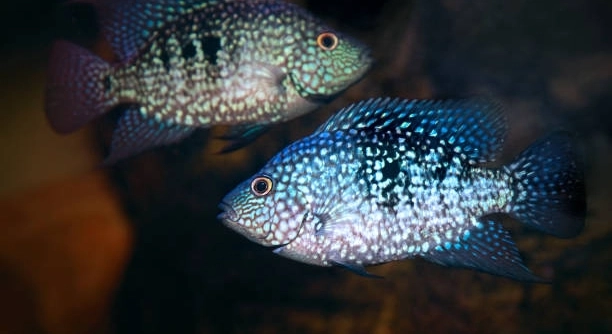
Jack Dempsey fish are popular freshwater pets admired for their striking colors and lively personalities. Many owners enjoy observing their behavior and interactions, often noticing unique patterns that suggest a level of awareness in their aquatic environment.
Research indicates that Jack Dempsey fish can recognize their owners through repeated interaction. They respond to familiar presence by approaching, showing calmer behavior, and associating humans with feeding, indicating learned recognition rather than instinctual response alone.
Understanding these behaviors can enhance your bond with your fish and ensure a more engaging and responsive aquarium experience.
How Jack Dempsey Fish Recognize Humans
Jack Dempsey fish rely on visual and environmental cues to identify their owners. They quickly learn to associate human presence with feeding times. Over days and weeks, they notice movements, gestures, and even clothing colors. This recognition is strengthened by consistent routines, such as feeding at the same spot or time each day. They are sensitive to changes in the tank, like water adjustments or new decorations, which can temporarily alter their behavior toward you. Regular interaction builds trust, making them more likely to swim toward you or hover near the glass. Some fish even anticipate feeding by following specific patterns you perform. Their recognition is not emotional like mammals but demonstrates learning and adaptation. Understanding these cues allows owners to respond appropriately, promoting calmer behavior and reducing stress. Observing their responses over time reveals a clear pattern of recognition and behavioral adjustment. This consistency benefits both fish and owner alike.
Repeated exposure to familiar routines strengthens the fish’s ability to identify individual humans.
Recognition in Jack Dempsey fish depends on repetition, visual memory, and predictable interactions. When owners maintain regular feeding schedules, the fish gradually associate human presence with food. Over time, they differentiate between familiar and unfamiliar people. Movement, gestures, and tank-side activity become signals they interpret, allowing them to approach or retreat accordingly. Stressful changes, such as loud noises or sudden tank adjustments, can temporarily disrupt this recognition. However, consistent, calm interactions restore their response patterns. Studies on cichlids suggest that visual learning plays a significant role in shaping recognition behavior. These fish are observant and capable of distinguishing subtle differences in appearance and timing. Owners who provide steady, predictable care will likely notice more interactive behavior. This process highlights their cognitive abilities and the importance of routine. Watching these behaviors develop can be rewarding, as fish demonstrate learning through approach, orientation, and even specific swimming patterns near the glass.
Signs Your Fish Recognizes You
Swimming close to the glass is one of the most obvious signs of recognition.
When Jack Dempsey fish recognize an owner, their behavior changes noticeably. They may swim to the front of the tank, pause, and follow movements outside the glass. Some display increased activity, circling the area where food is usually offered. Others remain calm but attentive, tracking gestures and body language. Recognition can also influence feeding response; familiar humans often trigger quicker, more confident eating behavior. Fish may even seem to anticipate routines, such as waiting near the surface at usual feeding times. Their reactions are consistent with repeated exposure, showing that memory and learning guide interactions. These behaviors indicate that the fish not only differentiate between people but also form expectations based on prior experience. Owners who maintain consistent handling and care routines often notice the strongest recognition responses. This understanding enhances the interaction, ensuring the fish remains comfortable and engaged while fostering an environment conducive to natural behavior.
Feeding and Interaction
Jack Dempsey fish respond more confidently when feeding comes from a familiar person. They learn to associate certain movements and sounds with mealtime. Over time, this recognition becomes clear through their consistent approach to the front of the tank during feeding periods.
Consistent feeding routines strengthen recognition. When you offer food at the same time and place, the fish begin to anticipate it. They may follow your hand or swim closer to the glass, signaling comfort and familiarity. Sudden changes in feeding habits can cause hesitation or stress, showing how sensitive they are to routine. These fish remember the patterns and respond accordingly, demonstrating clear learning behavior. Recognition is reinforced by gentle, predictable interaction and steady handling.
Interaction beyond feeding also plays a role. Observing their movement, gestures, and reactions helps you understand their comfort level. Regular, calm engagement encourages the fish to swim more actively near you, showing that recognition is tied to both reward and consistent presence. Over weeks, this familiarity becomes more apparent, reflecting learning and memory capabilities.
Tank Environment and Recognition
A stable tank environment helps Jack Dempsey fish feel secure and better recognize their owners. Consistency in water conditions, decorations, and layout reduces stress and promotes clear behavioral responses.
Changes in water temperature, pH levels, or tank setup can make the fish hesitant to approach. They rely on a predictable environment to feel safe while observing and interacting with humans. Familiar surroundings allow them to focus on cues from owners, such as hand movements or feeding gestures, without being distracted by environmental stressors. Over time, fish in well-maintained tanks exhibit more confident, consistent recognition behaviors, approaching more readily and displaying less anxious swimming patterns. They also seem to remember specific routines associated with the tank setup.
Recognition is enhanced when the tank mirrors a natural, comfortable habitat. Hiding spots, plants, and stable water conditions reduce stress, allowing the fish to engage with owners more readily. Stressful or constantly changing environments hinder learning, making the fish less likely to display recognition cues. By maintaining a steady habitat, owners encourage natural behaviors, including swimming patterns, feeding responses, and active observation. This stability reinforces memory and recognition, showing that environmental consistency is key to fostering strong owner-fish interactions over time.
Visual Recognition
Jack Dempsey fish rely heavily on sight to identify their owners. They notice hand movements, clothing colors, and patterns outside the tank. Visual cues help them distinguish familiar humans from strangers and respond accordingly.
Over time, repeated exposure allows the fish to remember specific individuals. They track motion near the tank and adjust their behavior based on previous experiences. Recognition is strengthened when the visual cues are consistent and paired with positive interactions, such as feeding or calm presence.
Behavior Changes with Familiarity
Familiarity affects activity levels and responsiveness. Recognized owners trigger confident swimming, reduced hiding, and increased surface presence. Fish may follow movements outside the glass, signaling learning and comfort. Repeated exposure to predictable interactions reinforces memory and encourages consistent responses, demonstrating their ability to adapt to human presence.
Subtle Signs of Recognition
Small movements, like turning toward an approaching hand or pausing near the glass, indicate awareness. These subtle cues show learning and attention to routine.
Memory and Learning
Jack Dempsey fish demonstrate memory through repeated routines. They remember feeding times, patterns of movement, and environmental cues linked to human interaction. This learning enables them to respond predictably, approach calmly, and anticipate activities. Memory reinforces recognition, showing that their behavior is shaped by experience over time.
FAQ
Do Jack Dempsey fish really know their owners?
Yes, they can recognize their owners over time. This recognition is based on repeated interaction, visual cues, and consistent feeding routines. They respond to familiar humans with calmer behavior, approach the glass, and may follow movements near the tank. Recognition is linked to memory rather than instinct, showing learning abilities.
How can I tell if my fish recognizes me?
Behavior changes are the main indicator. Recognized owners often see their fish swim closer to the front of the tank, follow hand movements, or pause near the glass. They may show increased activity during feeding or calmly observe gestures, signaling comfort and familiarity. Subtle responses like turning toward your hand also indicate recognition.
How long does it take for a Jack Dempsey to recognize its owner?
The time varies, but generally consistent interaction over a few weeks is enough. Daily feeding at the same time and place helps them form memory and familiarity. Predictable routines and gentle engagement speed up recognition, while irregular handling or sudden environmental changes can slow the process.
Does tank environment affect recognition?
Yes, a stable and stress-free environment improves recognition. Changes in water temperature, pH, or tank setup can make fish hesitant to approach. Consistent decorations, hiding spots, and water conditions allow them to focus on human cues without stress, reinforcing memory and recognition.
Can Jack Dempsey fish recognize multiple people?
They can differentiate between individuals if interactions are consistent. Fish notice visual cues like hand movements and clothing patterns. They may respond more confidently to frequent caregivers while showing hesitation toward unfamiliar people. Recognition depends on repeated, predictable exposure rather than one-time interactions.
What behaviors show recognition during feeding?
Approaching the front of the tank, following hand movements, and swimming toward food signals recognition. They may anticipate feeding by hovering near the surface at usual times. Calm, confident eating behavior indicates familiarity and trust, while erratic or hiding behaviors suggest unfamiliarity or stress.
Is recognition permanent?
Memory in Jack Dempsey fish is long-lasting but not permanent. Extended gaps in interaction or major changes in the tank can reduce recognition temporarily. Regular routines and consistent exposure are needed to maintain familiarity and behavioral responses.
Do fish show emotional attachment?
Their recognition is not emotional like mammals, but they display learned responses indicating comfort and trust. Approaching the owner and responding to cues demonstrates that they remember previous experiences and associate humans with positive interactions, particularly feeding.
Can I improve recognition with interaction beyond feeding?
Yes. Calm observation, gentle movements near the tank, and consistent presence reinforce memory. Interacting without immediately offering food strengthens familiarity and reduces stress. Over time, the fish becomes more responsive and confident around the owner, showing learning extends beyond just mealtime.
Do changes in appearance affect recognition?
Minor changes, like clothing color or hairstyle, may briefly confuse the fish, but repeated exposure restores recognition. They rely on movement patterns, gestures, and routine more than exact appearance, so consistent interaction remains the most important factor.
How do I maintain strong recognition?
Keep feeding schedules consistent, handle the tank calmly, and maintain stable water conditions. Regular observation and interaction without sudden disruptions help the fish feel secure. This allows them to consistently recognize and respond to you, reinforcing learning and memory over time.
Can stress affect recognition?
Yes. Loud noises, sudden movements, or rapid tank changes can make fish hide or swim erratically. Stress reduces their ability to recognize humans temporarily. Maintaining a calm, predictable environment is essential for consistent recognition and confident behavior around owners.
Are there differences between individual fish?
Yes, some Jack Dempsey fish are more curious or bold, while others are cautious. Recognition can appear faster in more outgoing fish, whereas shy individuals may take longer to show responses. Personality, past experiences, and environment all influence recognition patterns.
Do Jack Dempsey fish communicate recognition to other fish?
Not directly. Recognition is primarily between the fish and the human. However, confident behavior near the tank may indirectly influence nearby fish, encouraging them to explore or become more active, though this is more observational than communicative.
Can recognition improve overall fish health?
Indirectly, yes. Recognized and familiar interactions reduce stress, encouraging normal feeding and activity patterns. Less stress contributes to better immunity and overall wellbeing, making recognition beneficial for both behavior and health.
Is it possible to lose recognition temporarily?
Yes. Extended absence of interaction or significant changes in the tank can lead to temporary loss of recognition. Returning to consistent routines restores familiarity and predictable responses, allowing the fish to relearn cues and associate the owner with positive experiences.
How much interaction is ideal for recognition?
Short daily interactions are sufficient. Consistent feeding, gentle movements, and calm presence build memory and familiarity. Overhandling or sudden gestures can create stress, so maintaining balance is key to strong recognition over time.
Do Jack Dempsey fish respond differently to new people?
They often show hesitation or hide around unfamiliar individuals. Their responses are slower and less confident compared to familiar humans. This behavior emphasizes their reliance on learned recognition and reinforces the importance of consistent, positive interaction with known owners.
Can recognition be measured scientifically?
Yes, studies on cichlids indicate measurable behavioral changes, including approach frequency, swimming patterns, and feeding response. These observations demonstrate memory, learning, and recognition abilities, confirming that Jack Dempsey fish differentiate familiar humans from strangers based on consistent cues and routines.
Does age affect recognition ability?
Younger fish may take longer to recognize humans because their memory and learning patterns are still developing. Older fish, with more experience and established routines, often show faster and more consistent recognition, responding predictably to repeated interactions.
Are there signs recognition is fading?
If a fish suddenly hides, avoids the front of the tank, or ignores usual cues, it may have forgotten or temporarily lost recognition. Reintroducing calm, consistent interaction and maintaining feeding routines usually restores recognition over time.
Can multiple tanks affect recognition?
Yes. Moving a fish between tanks can disrupt routines and environmental cues, temporarily affecting recognition. Returning to familiar surroundings and consistent interaction helps reestablish their ability to identify and respond to owners confidently.
Does feeding type influence recognition?
Varied feeding may slightly alter anticipation patterns. Fish typically associate specific feeding actions with certain foods. Maintaining consistent hand gestures or placement during feeding, regardless of diet, helps reinforce recognition and keeps responses predictable.
Are visual cues more important than scent?
Yes, Jack Dempsey fish rely mainly on sight rather than smell for recognition. Hand movements, body position, and repeated patterns outside the tank are more influential than olfactory signals, though overall tank environment does play a role in comfort and behavior.
Can recognition help with training or enrichment?
Absolutely. Recognized fish respond better to enrichment activities like target feeding or gentle interaction. Familiarity reduces stress, encourages curiosity, and promotes active engagement, making it easier to introduce new stimuli or activities within the tank.
Do Jack Dempsey fish remember negative interactions?
Yes. Stressful or abrupt handling can cause avoidance. They may hide or show hesitation around the owner temporarily. Positive, calm interactions are necessary to restore trust and reinforce recognition in a safe and predictable manner.
Is recognition consistent over time?
With steady routines and minimal disruption, recognition remains consistent. Long gaps, environmental changes, or stress may reduce it temporarily, but repeated, calm interaction restores the behavior, showing that memory and learning are flexible and adaptable.
Can recognition improve the owner-fish relationship?
Yes, consistent recognition enhances interaction quality. Fish become more comfortable, responsive, and predictable, allowing owners to understand behavior better. This strengthens daily care routines, reduces stress, and fosters a positive environment for both fish and owner.
Are some Jack Dempsey fish harder to train for recognition?
Individual personality plays a role. Shy or nervous fish may take longer to approach or respond consistently. Patient, calm handling and steady routines help these fish build recognition over time, showing that persistence and consistency are key.
Does tank size affect recognition?
Smaller tanks allow more frequent visual interaction, which may speed up recognition. Larger tanks require more deliberate engagement and consistency, as fish may have more space to avoid stimuli and require additional time to form recognition patterns.
Do Jack Dempsey fish ever forget humans entirely?
Complete loss of recognition is rare if interactions are regular. Temporary lapses can occur due to stress, long absence, or environmental changes. Returning to consistent care and calm interaction usually restores recognition, showing their memory is resilient but sensitive to conditions.
How can I encourage better recognition?
Maintain stable feeding routines, keep the environment calm, and interact gently. Consistent presence, predictable actions, and patience allow the fish to learn and remember cues. Over time, they will respond confidently, demonstrating clear recognition and comfort with their owner.
What mistakes hinder recognition?
Irregular feeding, sudden movements, frequent tank changes, or stressful handling can confuse the fish. Inconsistent routines make recognition difficult. Maintaining calm, predictable interactions and steady environmental conditions is crucial for fostering memory and encouraging confident responses.
Does recognition vary between species of cichlids?
Yes. Jack Dempsey fish are known for relatively strong recognition, but other cichlid species may differ in learning speed, memory retention, and responsiveness. Individual personality, habitat, and care practices influence recognition across species, highlighting the need for species-specific interaction approaches.
Can recognition affect feeding efficiency?
Yes. Recognized humans elicit quicker, more confident feeding behavior. Fish anticipate meals, reduce stress, and show active engagement during feeding. Unfamiliar handlers may cause hesitation or hiding, demonstrating that recognition directly impacts feeding patterns and overall behavior.
Is recognition visible in group tanks?
Yes, though it may vary. Fish often differentiate between familiar and unfamiliar humans individually. Group dynamics may affect approach behavior, but each fish responds based on prior interaction, showing memory and learning persist even in shared tanks.
Does age of the owner matter for recognition?
No. Fish respond to consistency and visual cues, not age. Calm movements, steady presence, and routine feeding are what encourage recognition, regardless of who provides care.
Can recognition improve long-term care?
Yes. Recognized fish are calmer, easier to monitor, and more predictable. This reduces stress, supports feeding routines, and enhances overall health, making daily care more effective and interactions more rewarding for both fish and owner.
Are there signs recognition is strong?
Approaching the front of the tank, following hand movements, confident feeding, and calm observation indicate strong recognition. Predictable responses over weeks show memory and learning have solidified, reflecting a clear bond based on routine and consistency.
How do I reset recognition if it fades?
Return to calm, predictable interaction. Maintain consistent feeding routines, minimize stress, and allow repeated exposure to restore memory. Gradually, the fish will regain confidence, approach consistently, and respond to cues as before.
Does recognition improve with daily handling?
Not necessarily handling, but daily presence and calm observation help. Fish respond best to predictable interaction, gentle movement, and regular feeding. Over time, recognition strengthens, showing that consistent attention, rather than excessive handling, is most effective.
Can stress from other fish affect recognition?
Yes. Aggressive tank mates or overcrowding can make fish hesitant, reducing their willingness to approach. A calm, stable environment is essential to reinforce recognition and allow predictable responses to humans without distraction.
Does feeding location matter for recognition?
Yes. Delivering food in a consistent spot helps fish associate that area with positive interactions. Repetition strengthens memory, making them approach confidently and respond to the owner reliably during feeding routines.
Are there long-term benefits of recognition?
Consistent recognition reduces stress, improves feeding behavior, encourages natural activity, and allows better monitoring of health. Fish respond predictably, creating a more harmonious environment and making daily care easier and more effective over time.
Does the type of food impact recognition?
Variety can influence anticipation, but recognition relies on routine gestures and timing. Consistent cues paired with feeding, regardless of food type, reinforce memory and strengthen interaction patterns with the owner.
Can recognition help with medical care?
Yes. Fish familiar with their owner are calmer during water changes, treatments, or handling for observation. Reduced stress allows safer, more efficient care and improves overall wellbeing.
How can I observe recognition without feeding?
Calmly move your hand near the tank or sit nearby consistently. Fish will respond to familiar presence with approach, attention, or swimming near the front, demonstrating memory and comfort without immediate reward.
Does recognition differ by individual personality?
Yes. Bold, curious fish may show faster, stronger responses, while shy or cautious individuals require more time and patience. Personality affects how quickly and confidently they exhibit recognition behaviors, but consistent routines benefit all types.
Can recognition help with enrichment activities?
Definitely. Recognized fish respond better to toys, targets, or environmental changes designed for stimulation. Familiarity reduces stress and encourages active participation, making enrichment more effective and enjoyable for the fish.
Are visual and behavioral cues equally important?
Visual cues are primary, but behavior such as routine gestures and calm presence enhances recognition. Combined, these cues help the fish differentiate between familiar and unfamiliar humans reliably.
Do Jack Dempsey fish show anticipation during recognition?
Yes. They may swim to the front, hover near feeding spots, or track hand movements, indicating memory and expectation. Anticipation is a clear sign of learning and recognition.
Can recognition help reduce aggression in tank mates?
Indirectly, yes. Confident, familiar fish are less stressed and may trigger calmer behavior in other fish. Recognition reduces anxiety-driven aggression, promoting a more stable tank environment.
Do changes in lighting affect recognition?
Significant lighting changes can temporarily confuse fish, making recognition harder. Consistent lighting and visibility help them track movements and gestures, reinforcing familiar responses.
Is recognition stronger in solitary or group tanks?
Solitary fish may show quicker, more obvious recognition due to focused interaction. Group tanks still allow individual recognition, but responses may vary depending on social dynamics and visibility.
Can recognition fade if I switch feeding methods?
Temporary confusion may occur, but consistent gestures, location, and timing help maintain recognition. The fish rely more on routine cues than specific food type.
Does tank cleaning affect recognition?
Minor disturbances during cleaning may temporarily distract fish, but predictable, calm handling preserves recognition. Avoid sudden movements or prolonged disruption to maintain familiarity.
Can recognition help with breeding behavior?
Yes. Familiar humans reduce stress, allowing natural breeding behaviors to occur more comfortably. Fish that recognize caretakers show calmer, more predictable activity conducive to reproduction.
Are there limitations to recognition in Jack Dempsey fish?
Yes. Recognition is primarily visual and memory-based, not emotional. Stress, environmental changes, and inconsistent interaction can limit responses. Still, predictable routines and calm interaction maximize their ability to recognize and respond to humans.
Does age affect recognition?
Younger fish may take longer to show clear recognition. Older, experienced fish respond more predictably to familiar cues, reflecting established memory and learning patterns.
Can recognition influence overall behavior patterns?
Yes. Recognized fish display calmer, confident swimming, predictable feeding behavior, and reduced hiding. Consistent interaction shapes daily activity and responses to the environment, improving comfort and wellbeing.
Is recognition permanent?
No. Memory persists with consistent interaction but can weaken due to stress, long absence, or environmental disruption. Returning to stable routines restores recognition over time.
Does recognition extend to other animals?
Primarily, recognition is limited to humans and familiar stimuli. While they may notice other animals, responses are less predictable and influenced more by environmental factors than learning from interaction.
Can recognition be trained deliberately?
Yes. Consistent routines, calm interaction, and positive reinforcement like feeding help fish learn to identify and respond to specific humans. Patience and repetition are key to reinforcing this behavior.
Do Jack Dempsey fish differentiate between hands and objects?
Yes. They respond to human hands more consistently than random objects because recognition is tied to repeated, predictable cues, not general visual stimuli.
Can recognition improve daily care efficiency?
Absolutely. Recognized fish are calmer, easier to monitor, and more predictable, making feeding, cleaning, and observation simpler and less stressful for both fish and owner.
Does personality affect recognition speed?
Yes. Bold, curious fish learn faster and approach confidently, while shy fish may take longer. Patience and steady routines are essential to ensure all fish show recognition over time.
Can recognition help with health monitoring?
Yes. Fish that recognize their owner respond predictably to hand movements and cues, allowing better observation for signs of illness or stress.
Does environment stability affect recognition longevity?
Yes. Stable water conditions, consistent tank setup, and predictable routines maintain recognition over time. Frequent changes can temporarily disrupt learned responses.
Are some behaviors more reliable for recognizing recognition?
Approaching the front of the tank, following hand movements, and calm anticipation of feeding are the most reliable indicators. Subtle cues like orientation toward gestures also show memory and learning.
Can recognition reduce stress in Jack Dempsey fish?
Yes. Familiarity with the owner and predictable routines reduces anxiety, promotes normal swimming and feeding behavior, and supports overall wellbeing.
Does recognition require daily interaction?
Daily interaction helps maintain memory, but even less frequent, consistent routines can sustain recognition. Predictable presence is more important than constant engagement.
Can recognition fade during vacations or absence?
Temporary loss can occur, especially if the absence is prolonged. Returning to calm, consistent routines helps restore recognition and predictable behavior over time.
Does recognition differ between individual fish in the same tank?
Yes. Personality, boldness, and previous experiences affect how quickly and consistently each fish shows recognition. Some may approach immediately, while others remain cautious despite familiarity.
Can recognition be enhanced with visual signals?
Yes. Repeated hand movements, gestures, or positioning in the tank help reinforce memory and recognition. Combining visual cues with consistent routines strengthens learning.
Are Jack Dempsey fish more responsive to movement or static presence?
Movement is more effective for recognition, as fish track gestures associated with feeding or interaction. Static presence helps build comfort, but active cues signal familiarity more clearly.
Can recognition help during stressful events?
Yes. Recognized owners can reduce stress by maintaining calm, predictable actions. Fish are more likely to approach and behave normally during tank changes or environmental adjustments.
Does recognition require eye contact?
Not directly. Fish respond to movement, gestures, and presence rather than eye contact. Recognition relies on repeated, predictable cues and routine rather than direct visual engagement.
Can recognition be broken and rebuilt?
Yes. Stress, absence, or environmental changes can weaken recognition. Consistent, calm routines and repeated interaction rebuild memory and restore confident responses over time.
Does recognition improve feeding efficiency?
Yes. Familiarity with the owner encourages faster, more confident eating. Fish anticipate meals, reduce hesitation, and show predictable behavior, improving both interaction and daily care routines.
**Can recognition influence social behavior
Final Thoughts
Jack Dempsey fish are more than just visually striking pets. Their ability to recognize owners shows a level of learning and memory that many people do not expect from fish. Over time, they associate consistent cues such as feeding gestures, hand movements, and the general presence of a human with positive experiences. This recognition is not emotional in the way mammals form attachments, but it is meaningful in its own way. By responding predictably to familiar humans, these fish demonstrate that repeated, calm interaction can influence behavior. Observing their responses over weeks and months highlights their capacity to learn and adapt to their environment. Recognizing these behaviors helps owners understand the importance of routine and gentle handling, creating a more comfortable and stress-free habitat. Consistency is key, as sudden changes in environment, feeding habits, or handling can temporarily disrupt recognition. Maintaining a stable tank environment with regular feeding times and predictable interactions allows Jack Dempsey fish to exhibit their full behavioral potential.
Interaction with these fish should be viewed as an ongoing process. Daily routines, even if brief, reinforce memory and recognition, making the fish more confident and attentive. Over time, the subtle cues become clear. Approaching the glass, following hand movements, and hovering near the feeding area are signs that the fish has learned to anticipate activity and associate humans with positive outcomes. Observing these patterns can also be useful for monitoring health and wellbeing. A fish that is attentive and responsive is often a sign of a calm, stress-free environment. Conversely, erratic swimming, hiding, or avoidance may indicate discomfort, stress, or changes in the tank that need attention. Understanding these behaviors allows owners to adjust care routines and provide an environment that supports both recognition and general wellbeing. Recognition is a practical and observable part of fish behavior that adds depth to the ownership experience.
Consistency, patience, and awareness are essential to maintaining this recognition. Owners who take the time to provide steady routines and minimize stress create conditions for the fish to respond confidently. Environmental stability, including consistent water quality, lighting, and tank decorations, reinforces memory and behavioral patterns. Recognition is strongest when visual and behavioral cues are repeated alongside positive reinforcement, such as feeding or gentle observation. While each fish may differ in personality, the principles remain the same. Bold, curious individuals may show recognition quickly, while shy or cautious fish may take longer to respond. By maintaining steady interaction, owners can foster familiarity and comfort, ensuring that Jack Dempsey fish display consistent, predictable behavior. This understanding makes daily care more manageable, strengthens interaction, and allows owners to appreciate the learning and memory capabilities of their fish in a practical, observable way. Recognition is not just a novelty; it is a reflection of how attentive care and a stable environment support the natural behavior and wellbeing of these captivating fish.

Hello,
If you enjoy the content that we create, please consider saying a "Thank You!" by leaving a tip.
Every little bit helps us continue crafting quality advice that supports the health, happiness, and well-being of pets around the world, for pets of all shapes, sizes, and species.
We really appreciate the kindness and support that you show us!