
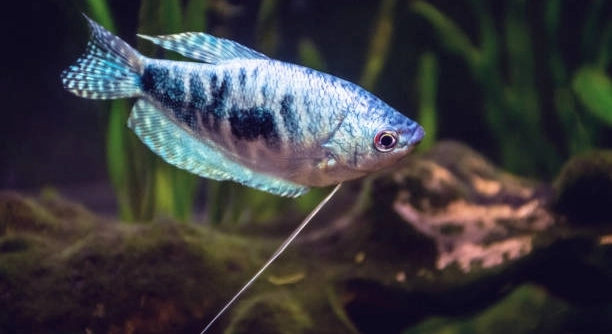
Gouramis are lively fish that need mental and physical stimulation to thrive in captivity. Without proper care, they can become bored, which may lead to stress and unusual behaviors. Ensuring their environment is engaging is essential for their well-being.
Providing a stimulating environment for gouramis involves offering varied tank decorations, interactive feeding methods, and social opportunities. Regular environmental changes and enrichment items support natural behaviors, reduce stress, and promote overall health in captive gouramis. These measures effectively prevent boredom.
Maintaining a lively and engaging tank can make a noticeable difference in your gouramis’ daily behavior and happiness. Proper care ensures they remain active and healthy in captivity.
Enrich the Tank with Plants and Hiding Spots
Gouramis feel more secure and active when their tank includes plenty of plants and hiding areas. Live or artificial plants provide shelter, visual barriers, and a sense of security. Floating plants also offer shade, mimicking their natural habitat. Adding caves, rocks, or small ornaments encourages exploration and reduces stress. Changing the layout occasionally keeps the environment stimulating and prevents the fish from becoming too accustomed to the same setting. Gouramis enjoy swimming through different textures and spaces, which also promotes exercise and healthy movement. Proper placement of plants and hiding spots allows them to establish territories, especially if multiple gouramis share the tank. A varied environment supports natural behaviors like foraging and resting, while also adding aesthetic appeal. The balance between open swimming areas and covered spaces ensures they remain confident and active. Observing how they interact with these elements can help identify what keeps them most engaged.
Strategically placed decorations can make gouramis feel safer while encouraging exploration and physical activity. This keeps them mentally stimulated.
Regularly refreshing plants, rearranging ornaments, and offering new hiding spots helps maintain interest. Changes prevent stagnation, keeping the fish lively, curious, and healthier over time.
Interactive Feeding Techniques
Offering food in varied ways can turn mealtime into a form of enrichment. Floating pellets, sinking wafers, or live food stimulate natural hunting instincts. Hiding portions in plants or feeding in different tank areas encourages movement and mental engagement. This method prevents routine feeding boredom and keeps gouramis alert and active. The interaction with their environment during feeding supports exercise and reduces lethargy. Over time, they learn to associate searching with rewards, which enhances their problem-solving skills. Using feeding tongs for occasional hand-feeding can also provide gentle stimulation and build trust with the fish. Mixing types of food regularly ensures nutritional variety and further maintains interest. Monitoring how they respond to different feeding styles allows for adjustments to maximize engagement. Consistent yet varied feeding routines support overall physical and mental health. Feeding time becomes an opportunity to observe behavior, adjust enrichment, and strengthen their adaptive skills.
Interactive feeding improves mental stimulation and encourages natural behaviors in gouramis.
Incorporating multiple feeding methods daily ensures fish remain active and engaged. Offering different textures, hiding food, and using tools creates a dynamic experience. Gouramis respond positively, exploring, hunting, and interacting with their environment more often. This keeps their mind sharp and supports healthier behaviors. By avoiding repetitive feeding patterns, boredom is minimized, and the fish display more natural movements and curiosity. Regular observation of their feeding habits helps identify preferences and potential issues early, allowing timely adjustments. A well-planned feeding strategy contributes to both mental and physical enrichment, enhancing their quality of life.
Rotate Toys and Decorations
Rotating toys and decorations keeps gouramis engaged with their environment. Changing locations of ornaments or adding new items encourages exploration and prevents the tank from feeling monotonous. Variety stimulates natural curiosity and reduces signs of boredom, making them more active and alert.
Regularly moving or replacing decorations offers fresh challenges for gouramis. New arrangements prompt investigation, swimming through different areas, and interacting with textures they may not have noticed before. Even small changes, like switching plant positions or introducing a new cave, can create significant mental stimulation. Gouramis respond to novelty, and frequent adjustments prevent them from becoming passive or stressed. Observing how they explore new setups helps refine future rotations and ensures they remain curious and active. Rotation also encourages territorial behavior in a healthy way, providing opportunities to establish spaces while avoiding conflicts.
Introducing toys or simple objects like floating rings or small tunnels adds additional enrichment. Gouramis often investigate these items, pushing them around or swimming through them. Interaction with varied objects reduces inactivity and encourages natural behaviors like foraging and hiding. The diversity in the tank keeps the environment dynamic, preventing predictability. Toys also allow gouramis to express playful behavior, which strengthens physical and mental health. Observing their preferences can help select effective enrichment items. Rotating these items regularly ensures they retain novelty, maintaining long-term engagement and preventing boredom.
Social Interaction and Companionship
Gouramis benefit from observing or interacting with other compatible fish species. Companionship provides social stimulation and reduces isolation, keeping them active throughout the day.
Selecting tank mates that match temperament and size is essential. Aggressive or overly timid species can cause stress, so careful observation is necessary when introducing new fish. Small schooling fish or peaceful community members often work best, offering dynamic movement in the tank that encourages gouramis to explore and engage. Social interactions mimic natural conditions, allowing gouramis to display behaviors such as chasing, following, or establishing territories without conflict. Monitoring interactions ensures all fish remain safe and stress-free. Properly managed social environments promote confidence and activity.
Maintaining balanced social dynamics prevents loneliness and boredom. Regularly assessing behavior, adding or rearranging compatible companions, and ensuring enough space supports harmony. Social stimulation encourages natural swimming patterns, foraging, and interaction. When companions are compatible, gouramis show more vibrant coloration, energy, and curiosity. Introducing mild environmental challenges alongside social settings enhances enrichment. This combination strengthens mental resilience and keeps daily life interesting. By observing group behavior, adjustments can be made to ensure everyone benefits. A well-structured social environment helps gouramis remain lively, engaged, and physically healthy, minimizing boredom and stress.
Provide Floating Platforms
Floating platforms create shaded areas and new spaces for gouramis to explore. They enjoy resting beneath or swimming around these surfaces. Platforms add vertical variety to the tank, encouraging movement and exploration, which reduces signs of boredom and keeps the fish more active.
Platforms also offer a sense of security and privacy. Gouramis often use them to retreat from bright light or active tank mates. The shaded zones mimic natural habitats, supporting comfort and natural behaviors. Regularly adjusting platform placement can maintain interest and stimulate curiosity.
Offer Occasional Live or Frozen Food
Introducing live or frozen food adds variety and encourages natural hunting behavior. Foods like brine shrimp, daphnia, or bloodworms motivate gouramis to search and chase, promoting mental and physical stimulation. This method enriches their diet while reducing feeding monotony.
Adjust Lighting Patterns
Changing lighting intensity and duration can influence activity levels. Varied lighting simulates natural day-night cycles, encouraging movement, exploration, and healthy rhythms.
What causes boredom in gouramis?
Boredom in gouramis usually comes from a lack of stimulation. A plain tank without plants, hiding spots, or decorations can make them inactive. Limited food variety and predictable feeding routines also contribute. Without challenges, they may become lethargic or develop repetitive behaviors, which can affect health and overall well-being.
How can I tell if my gourami is bored?
Signs of boredom include swimming in circles, hiding constantly, or showing disinterest in food. Some gouramis may nip at decorations or tank mates. A lack of natural behaviors, like exploring or foraging, is another indicator. Observing daily routines and activity levels helps identify changes in behavior caused by under-stimulation.
Are tank size and layout important?
Yes, both are crucial. A cramped or empty tank limits movement and reduces opportunities for exploration. Gouramis thrive in tanks with open swimming spaces combined with areas to hide and explore. Regularly changing decorations or plants can prevent monotony and keep the environment engaging.
What types of decorations are best for mental stimulation?
Plants, rocks, caves, and floating surfaces provide variety and security. Live plants can offer hiding spots and natural textures. Floating plants add shade and create vertical complexity. Introducing ornaments like tunnels or small objects encourages curiosity. Rotating these items occasionally helps maintain interest and reduces predictability.
How often should I change the tank setup?
Small changes every few weeks are sufficient. Moving plants, rearranging decorations, or adding new items can refresh the environment. Avoid sudden or extreme changes that might stress the fish. Gradual adjustments keep gouramis curious without disrupting their sense of security, promoting ongoing engagement.
Can feeding methods affect boredom?
Yes, varying feeding methods is important. Hiding food in plants, using floating and sinking options, or occasionally hand-feeding encourages natural foraging and hunting behaviors. Live or frozen food can provide additional stimulation. Changing routines prevents repetitive feeding patterns that may contribute to inactivity.
Do gouramis need companions to stay active?
Some gouramis enjoy social interaction, which helps reduce boredom. Peaceful tank mates provide movement and dynamic behaviors to observe. However, compatibility is key. Aggressive or overly timid species can cause stress. Properly selected companions enhance mental stimulation and encourage natural behaviors like chasing or exploring.
How does lighting affect activity levels?
Lighting changes can influence behavior. Simulating natural day-night cycles with variable intensity encourages exploration and movement. Bright, consistent light may limit activity, while gradual changes or shaded areas allow gouramis to rest and explore safely. Adjusting lighting patterns supports healthy daily rhythms.
Are toys or objects helpful?
Yes, toys or small objects add interactive enrichment. Gouramis may push, swim through, or investigate new items. Rotating toys regularly keeps them novel and engaging. This encourages exercise, natural behaviors, and curiosity, reducing signs of stress or boredom in captivity.
Is water quality related to boredom?
Indirectly, yes. Poor water quality can reduce energy levels and interest in the environment. Clean, stable conditions promote normal behavior, swimming, and exploration. Regular maintenance supports both physical health and mental stimulation, allowing enrichment activities to be effective.
How long does it take to see changes after enrichment?
Responses vary, but most gouramis show increased activity within days of introducing new stimuli. Monitoring behavior helps determine which changes are most effective. Consistent enrichment maintains engagement over time, keeping fish lively and healthy.
Can boredom affect health?
Yes, chronic boredom can lead to stress, reduced appetite, weakened immunity, and abnormal behaviors like fin-nipping or aggression. Proper enrichment, varied feeding, and social interaction help prevent these issues and support overall well-being in captive gouramis.
What is the simplest way to start preventing boredom?
Start with small environmental changes. Add plants, hiding spots, or a floating platform. Introduce variety in feeding routines and observe responses. Gradual adjustments and consistent stimulation provide an easy, effective foundation for preventing boredom while supporting natural behaviors.
How do I keep enrichment from stressing my gourami?
Avoid sudden, drastic changes. Introduce new items gradually and monitor interactions. Ensure spaces for retreat and privacy. Maintain stable water conditions. Gradual adjustments allow exploration without overwhelming the fish, balancing mental stimulation with comfort.
Are there long-term benefits to consistent enrichment?
Consistent enrichment promotes physical activity, reduces stress, and encourages natural behaviors. Gouramis remain curious, lively, and healthier overall. Mental stimulation improves adaptability and reduces the risk of behavioral issues, supporting a longer, more active life in captivity.
Can I combine multiple enrichment methods?
Yes, combining decorations, feeding variations, companions, and lighting changes maximizes engagement. A multi-faceted approach addresses different senses and encourages diverse behaviors. This comprehensive strategy keeps gouramis stimulated, active, and less prone to boredom, ensuring long-term well-being.
What should I avoid when trying to prevent boredom?
Avoid overcrowding, aggressive tank mates, or sudden, drastic changes. Repetitive feeding and a completely static tank can also worsen boredom. Focus on gradual, controlled adjustments that provide stimulation while maintaining safety and comfort for the fish.
How often should I observe my gouramis for signs of boredom?
Daily observation is ideal. Monitoring activity, feeding behavior, and interactions with decorations or companions helps identify under-stimulation early. Timely adjustments ensure enrichment remains effective and gouramis continue displaying natural, healthy behaviors.
Can enrichment improve interaction with the fish?
Yes, interactive feeding and careful observation allow more engagement. Hand-feeding or guiding exploration encourages natural curiosity and strengthens the connection, while also providing mental stimulation that reduces boredom and improves overall activity.
Is it necessary to document enrichment activities?
Keeping notes on changes, responses, and behavior trends helps track which methods work best. Documentation allows fine-tuning of strategies, ensuring enrichment remains effective and tailored to each gourami’s preferences and needs.
How do I know if my efforts are working?
Increased activity, exploration, natural behaviors, and reduced repetitive or aggressive actions indicate success. Regularly observing responses ensures enrichment is meaningful and helps maintain a lively, healthy environment for gouramis.
Gouramis are intelligent and curious fish that require attention and stimulation to stay healthy and active in captivity. Boredom can lead to lethargy, stress, and unusual behaviors, which may affect their overall well-being. Providing a carefully structured and enriched environment helps maintain their natural instincts, encouraging exploration, foraging, and interaction with their surroundings. Simple adjustments, such as adding plants, hiding spots, floating platforms, or small ornaments, create new areas for them to explore. Even minor changes, like rearranging decorations or introducing new textures, can make a significant difference in keeping gouramis mentally engaged. Regular observation of behavior allows you to understand their preferences, helping to make further improvements to the tank setup. A stimulating environment supports both physical activity and mental development, which are equally important for their long-term health and happiness.
Feeding practices also play a key role in preventing boredom. Providing variety through live, frozen, or different types of pellets encourages natural hunting and foraging behaviors. Hiding food or distributing it in different tank areas motivates movement and adds a sense of challenge. Changing feeding routines periodically keeps them alert and interested, avoiding predictability. Social interaction with compatible tank mates can also enhance mental stimulation. Peaceful companions create dynamic movement in the tank, encouraging natural swimming and interaction. Observing how gouramis respond to different enrichment methods, companions, and feeding practices allows adjustments to optimize their environment. Combining environmental, dietary, and social enrichment ensures that boredom is minimized, providing a balanced and healthy daily routine for the fish.
Consistency in care, along with thoughtful adjustments, is essential for maintaining an engaging environment. Gradual changes in lighting, tank layout, or enrichment items help maintain interest without causing stress. Regular monitoring of behavior and responses ensures that any signs of boredom are addressed promptly. Over time, these efforts result in more active, curious, and confident fish, which display natural behaviors and maintain better physical health. A well-planned approach not only enhances the daily lives of gouramis but also supports their long-term adaptability and resilience. By prioritizing mental stimulation, dietary variety, and social interaction, you create an environment where gouramis can thrive, remain active, and enjoy a higher quality of life in captivity.

Hello,
If you enjoy the content that we create, please consider saying a "Thank You!" by leaving a tip.
Every little bit helps us continue crafting quality advice that supports the health, happiness, and well-being of pets around the world, for pets of all shapes, sizes, and species.
We really appreciate the kindness and support that you show us!