
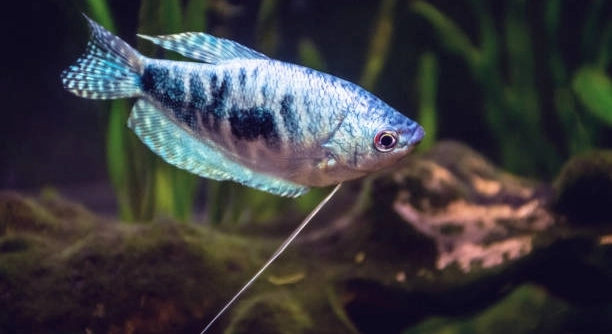
Giant gouramis are calm and gentle fish that can become a unique addition to any home aquarium. Their large size and peaceful behavior make them fascinating to watch, especially for fish lovers looking for something different.
Giant gouramis provide multiple benefits, including companionship, aesthetic appeal, and low-maintenance care. Their adaptability to various tank conditions, longevity, and interactive nature make them an ideal choice for both novice and experienced aquarists seeking a rewarding fish-keeping experience.
Learning about these fish opens opportunities to enhance your aquarium setup and create a more engaging environment for both you and your pets.
Calm and Peaceful Nature
Giant gouramis are known for their calm and peaceful temperament, which makes them easy to keep alongside other fish. They rarely show aggression and often spend their time gliding slowly through the water, observing their surroundings. This gentle behavior allows them to coexist in community tanks without stressing smaller or more active fish. Their calm movements add a soothing presence to any aquarium, creating a relaxing environment for anyone watching. Unlike more aggressive species, giant gouramis rarely cause damage to plants or decorations, making tank management easier. Observing their steady swimming patterns can feel comforting, and they often respond quietly to feeding times. Their relaxed demeanor also makes it easier to monitor their health since sudden changes in behavior are noticeable. Many aquarists appreciate having a fish that doesn’t demand constant attention yet provides a visually appealing, peaceful companion in the tank. Over time, their presence encourages a tranquil aquatic setup that is enjoyable to maintain.
Giant gouramis’ peaceful nature reduces stress for other tank inhabitants and keeps your aquarium balanced.
Because they interact calmly with other fish, maintaining a healthy community tank becomes simpler. Their predictable behavior makes it easier to notice health or environmental issues. This calmness also allows for a variety of tank designs without fear of constant disruption, letting aquarists create a pleasing, serene aquatic space that is both functional and attractive. By choosing a species with a stable temperament, you reduce the chances of aggressive encounters, which can harm smaller fish or delicate plants. Their calm behavior also makes feeding and tank maintenance less stressful, as they rarely compete aggressively for food or cause disturbance. Overall, their peaceful personality supports a stable ecosystem and contributes to a more enjoyable fish-keeping experience, especially for those who prefer low-stress aquarium management.
Large Size and Visual Appeal
Giant gouramis grow much larger than many other aquarium fish, instantly drawing attention. Their size adds depth and presence to a tank, making them a striking centerpiece.
Their impressive appearance enhances any tank setup, combining both beauty and interest.
The large size of giant gouramis is not just about aesthetics; it influences tank design and care. A bigger fish requires a more spacious environment, which encourages aquarists to invest in well-planned setups that include hiding spots, swimming space, and filtration. Their size also makes their feeding habits more noticeable, offering a chance to observe unique behaviors as they interact with the tank. Over time, caring for a larger fish can feel rewarding because the aquarist sees tangible growth and vitality. Additionally, their presence can change the dynamic of the aquarium, as other fish often adjust to the gourami’s calm dominance. The combination of size, graceful movement, and subtle interaction with the environment makes giant gouramis a visually engaging and captivating addition. Aquarists often enjoy arranging plants, decorations, and lighting to complement their appearance, creating a display that is both functional and appealing. Their size contributes not only to visual interest but also to the overall experience of maintaining a harmonious, lively aquarium.
Easy to Care For
Giant gouramis adapt well to different water conditions, making them easier to care for than many other large fish. They tolerate varying temperatures and pH levels, reducing the need for constant monitoring.
Their adaptability makes them ideal for aquarists with busy schedules or those new to fish care. They can handle minor fluctuations in water quality, which lowers stress and reduces the risk of illness. Feeding is straightforward, as they accept a wide variety of foods, from pellets to vegetables. Their robust health also means fewer medical issues and less complicated tank maintenance. With the right tank size and basic care, they thrive reliably, providing a long-lasting, rewarding presence in any home aquarium.
Because of their hardiness, giant gouramis are forgiving to minor mistakes, allowing owners to learn and grow in fish-keeping skills. Their reliability makes them enjoyable without requiring excessive attention or specialized care.
Interactive Behavior
Giant gouramis often recognize their owners and respond during feeding times, showing curiosity and awareness. This behavior adds a personal touch to keeping them.
They display interactive behaviors that make them feel more like companions than just decorative fish. Over time, they may approach the front of the tank during feeding or explore objects placed inside, revealing personalities unique to each fish. Their responsiveness to the environment and human presence creates a subtle bond and makes aquarium observation more engaging. By observing these small behaviors, owners gain insight into their health, mood, and preferences, making care more intuitive.
Interacting with giant gouramis can be rewarding because they demonstrate clear reactions to stimuli, whether it’s food, new decorations, or even gentle gestures near the tank. These interactions foster a sense of connection, encouraging attentive care and regular observation. Their curious nature provides mental stimulation for both the fish and the owner, enhancing the overall experience of maintaining an aquarium. Additionally, noticing how they respond differently over time allows aquarists to understand behavioral patterns, feeding habits, and environmental needs. This engagement transforms routine aquarium maintenance into an enjoyable, interactive activity.
Longevity and Lifespan
Giant gouramis can live for many years with proper care, often reaching over a decade in a well-maintained aquarium. Their long lifespan allows owners to enjoy a stable, lasting presence in the tank.
This extended lifespan makes it possible to build a consistent and familiar routine around their care. Watching them grow over the years provides a sense of accomplishment and attachment. Their longevity also encourages investment in a quality tank setup and regular maintenance, as the rewards extend far beyond short-term enjoyment.
Compatibility with Other Fish
Giant gouramis generally coexist well with many peaceful species. Their calm temperament reduces the risk of conflicts in community tanks.
They adapt to various tank mates without dominating the space, allowing aquarists to maintain diverse aquatic environments. Careful selection of compatible fish ensures a balanced ecosystem.
Low Maintenance
Giant gouramis require minimal specialized care beyond regular feeding, water changes, and monitoring. Their hardy nature makes daily maintenance simple and manageable.
Their adaptability and resilience reduce the likelihood of health problems. Routine observation and standard tank upkeep are usually sufficient to keep them thriving, making them ideal for owners seeking rewarding but straightforward fish care.
FAQ
How big do giant gouramis get?
Giant gouramis can grow quite large, often reaching up to 24 inches in length in a well-maintained aquarium. Their growth rate depends on tank size, diet, and water quality. A spacious tank with proper nutrition encourages healthy development and full size potential.
What type of tank do giant gouramis need?
They require a large tank with plenty of swimming space. A minimum of 100 gallons is recommended for an adult, along with a strong filtration system. Adding plants and hiding spots creates a comfortable environment while helping maintain water quality.
Are giant gouramis aggressive?
They are generally peaceful but can show mild territorial behavior as they mature. Most aggression is directed toward similar-sized or slower-moving fish. Choosing compatible tank mates and avoiding overcrowding helps minimize conflicts.
What do giant gouramis eat?
Giant gouramis are omnivorous. They eat pellets, flakes, and vegetables like spinach, lettuce, or peas. Occasionally, small insects or worms can be added to their diet. Feeding a balanced diet ensures proper growth and vibrant coloration.
How often should I feed them?
Feeding twice a day is sufficient for adults. Younger fish may require three smaller feedings. Overfeeding can lead to water quality issues, so provide only what they can consume in a few minutes.
How long do giant gouramis live?
With proper care, they can live 15 to 20 years. Consistent water maintenance, a nutritious diet, and a stable environment all contribute to their longevity, making them a long-term commitment for aquarists.
Do they recognize their owners?
Yes, giant gouramis are known to recognize people who feed them regularly. They often approach the front of the tank or follow movements near the tank during feeding times, showing curiosity and interaction.
How do I maintain water quality for giant gouramis?
Regular water changes, strong filtration, and monitoring pH, ammonia, and nitrite levels are essential. They tolerate slight fluctuations but thrive best in stable conditions. Using a water conditioner and testing weekly helps prevent health issues.
Can giant gouramis live with smaller fish?
They can live with smaller, non-aggressive fish, but caution is needed. They may unintentionally eat tiny fish if hungry. Pairing them with medium to large peaceful species is safer and promotes a balanced community tank.
Do giant gouramis need special lighting or decoration?
Normal aquarium lighting is sufficient. Adding plants, rocks, and driftwood gives them hiding spaces and enrichment. Floating plants are also appreciated, as they mimic natural habitats and offer shade, helping the fish feel secure.
How do I know if my giant gourami is healthy?
Signs of health include active swimming, consistent appetite, vibrant coloration, and clear eyes. Any changes in behavior, clamped fins, or discolored patches indicate stress or illness, requiring prompt attention and water testing.
Are giant gouramis easy for beginners?
Yes, their adaptability, calm behavior, and low-maintenance care make them suitable for first-time fish owners. They require basic tank upkeep, a proper diet, and regular observation, making them rewarding without being demanding.
Can they breed in home aquariums?
Giant gouramis can breed in captivity if conditions are right. They build bubble nests near the surface, and both parents care for the eggs. A large tank and calm environment increase the chances of successful breeding.
Do they need a specific water temperature?
They prefer warm water between 75–82°F. Temperature outside this range can stress them and affect health. Using a reliable heater and thermometer ensures a stable environment suitable for long-term care.
What should I do if my giant gourami gets sick?
Quarantine the fish, identify symptoms, and adjust water quality. Medications can be used for bacterial or parasitic infections, but prevention through proper tank management is always better than treatment. Prompt action increases the chance of recovery.
Can they live outdoors in a pond?
In suitable climates, giant gouramis can live outdoors in ponds. They need adequate depth, filtration, and protection from predators. During colder months, heating or indoor relocation may be necessary to prevent stress or death.
Do they interact with each other?
Yes, giant gouramis can show social behavior, especially in pairs or small groups. They communicate through body language, swimming patterns, and occasionally mild displays of dominance without causing harm when space is sufficient.
Are there different types of giant gouramis?
Yes, there are several color variants, including silver, albino, and golden strains. Each type has similar care requirements but offers different visual appeal, allowing owners to choose based on personal preference.
How often should I clean the tank?
Partial water changes of 20–30% weekly are recommended. Cleaning substrate, decorations, and filters helps maintain water quality, keeping the fish healthy and reducing the risk of disease.
What is the best way to introduce giant gouramis to a new tank?
Acclimate them slowly by floating the bag in the tank and gradually mixing tank water over 30–60 minutes. This reduces stress and helps the fish adjust to water temperature and chemistry.
This FAQ covers common concerns and practical care tips for giant gouramis, helping owners maintain healthy, thriving fish. Their adaptability and engaging nature make them a rewarding addition to a home aquarium.
Giant gouramis are a remarkable choice for anyone looking to keep a large, peaceful fish in their aquarium. Their calm nature and gentle movements make them easy to observe and enjoy without causing stress to other tank inhabitants. Unlike many other fish species, they rarely display aggressive behavior, which allows them to coexist comfortably with a variety of community fish. Their size alone adds a visual impact, giving the tank a more dynamic and appealing look. Over time, observing their swimming patterns and quiet interactions with their surroundings can become a relaxing and satisfying experience. The combination of their calm demeanor and impressive appearance makes them suitable for both beginners and experienced aquarists, offering a balance between beauty and manageability.
Caring for giant gouramis is straightforward compared to many other large fish. They adapt well to different water conditions, tolerate minor fluctuations in temperature and pH, and accept a variety of foods, from pellets and flakes to vegetables and occasional live or frozen treats. This adaptability makes them forgiving of small mistakes, which is particularly helpful for those who are new to keeping large fish. Regular tank maintenance, such as partial water changes, checking water parameters, and monitoring their health, is usually enough to keep them thriving. Their longevity is another advantage, as they can live for 15 to 20 years with proper care, allowing owners to develop a long-term connection with them. This extended lifespan also encourages investing in a quality tank setup and consistent care routines.
Giant gouramis offer a level of interaction that makes them feel more like companions than just decorative fish. They often recognize people who feed them regularly, respond to movements near the tank, and show curiosity toward new objects or changes in their environment. These behaviors create a sense of engagement that goes beyond merely observing a fish swim. The combination of their size, calm behavior, and interactive nature makes them a meaningful addition to any aquarium, giving owners both visual enjoyment and subtle companionship. Overall, they are hardy, low-maintenance, and engaging fish that bring long-term satisfaction to aquarists who are willing to provide a stable and comfortable environment. Caring for them can be a rewarding experience that blends simplicity, beauty, and the quiet pleasure of observing a thriving aquatic life.

Hello,
If you enjoy the content that we create, please consider saying a "Thank You!" by leaving a tip.
Every little bit helps us continue crafting quality advice that supports the health, happiness, and well-being of pets around the world, for pets of all shapes, sizes, and species.
We really appreciate the kindness and support that you show us!