
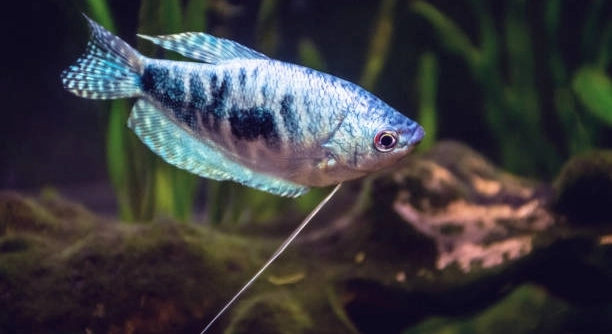
Keeping gourami fish calm is important for their health, especially when they react strongly to movement around the tank. Sudden darting, hiding, or color changes can signal stress that deserves careful attention from attentive owners.
The primary response is to reduce external disturbances and stabilize the aquarium environment. Minimizing sudden movements, improving tank placement, and maintaining consistent lighting and water conditions lowers stress levels, allowing gouramis to regain normal behavior and feel secure within surroundings.
Small environmental changes often reveal important insights, helping owners create calmer spaces that support steady behavior and long-term gourami well-being.
Reducing Visual Stress in the Aquarium
Sudden movement around an aquarium can overwhelm gouramis because they rely on visual cues to feel safe. Fast shadows, tapping glass, or frequent passersby can trigger escape responses. I learned that even routine activities can feel intense to them. Gouramis often interpret repeated motion as a threat, especially in smaller tanks. This stress can lead to hiding, reduced appetite, or aggressive behavior toward tank mates. Placement of the aquarium plays a strong role. Tanks near doors, televisions, or busy hallways expose fish to constant stimulation. Lighting also matters, since bright lights combined with movement amplify reactions. Creating visual barriers with plants or decorations helps break lines of sight. Over time, consistent surroundings teach gouramis that movement does not always mean danger. Stability builds confidence, and confidence supports healthier daily behavior overall. This approach also reduces long term stress hormones and supports immune function within captive gourami populations over extended periods.
Lowering activity near the tank is the fastest adjustment to make. Simple habits like slower walking, gentle maintenance, and quiet observation reduce stimulation. These changes cost nothing and often lead to visible calming behavior within days. I noticed improvement quickly after changing my routine around the aquarium area at home.
Tank layout plays an important role in reducing fear responses. Gouramis feel safer when they have places to retreat without disappearing completely. Live plants, driftwood, and tall decorations create shelter while keeping swimming space open. Background covers on the back and sides soften external motion. Water quality should remain stable, since stress responses worsen when parameters fluctuate. Consistent feeding times also matter, as predictability lowers alert behavior. When movement becomes expected rather than random, gouramis slowly remain visible and relaxed. This balance allows them to display natural behavior without constant tension. Over time, patience reinforces trust and stability within tank.
Building Long Term Calm Behavior
Observation helps determine whether movement alone is the issue. Watch for patterns during feeding, cleaning, or room activity. Noting timing and intensity of reactions helps narrow triggers and prevents unnecessary changes to tank conditions. This step keeps responses measured and informed rather than reactive or rushed decisions during aquarium care.
Long term management focuses on consistency and gradual adjustment. Avoid sudden tank rearrangements unless necessary. When changes are required, make them slowly over several days. Keep lighting schedules steady, using timers to prevent abrupt shifts. If the tank must be in a busy room, partial coverings on the sides help limit visual overload. During maintenance, move calmly and avoid rapid hand motions in the water. Feeding by hand may increase trust once stress decreases. Monitor interactions with other fish, since chasing amplifies alarmed responses. If stress signs persist, review tank size and stocking levels. Crowded environments increase sensitivity to movement. Regular testing ensures water parameters remain stable, which supports calm behavior. I found that patience mattered most. Allowing gouramis time to adjust without constant interference led to steady improvement. Over weeks, reduced startle responses and consistent swimming patterns showed that the environment finally felt secure. This stability benefits overall health, supporting appetite, coloration, and social tolerance. Maintaining routine builds predictability, which lowers baseline stress. With fewer disturbances, gouramis conserve energy for growth and immune function. Calm surroundings also make daily observation easier and more rewarding for attentive keepers. It also reduces the need for corrective interventions later during term care.
Adjusting Tank Placement and Lighting
Moving the aquarium to a quieter area often reduces sudden alarm responses. Avoid placing tanks near doors, speakers, or bright screens. Soft, indirect lighting helps gouramis feel secure and prevents harsh contrasts that exaggerate movement outside the glass during daily household activity and routine maintenance times each day consistently applied.
Lighting schedules should remain consistent to avoid startling shifts. Timers are useful because they remove human error. Sudden light changes can heighten sensitivity to movement. Dim periods allow gouramis to relax. Floating plants soften overhead brightness. Background lights in the room should stay low. Nighttime disturbances often cause stress responses. Covering the tank partially during evening hours can help. Stability in light exposure supports natural rhythms. Over time, gouramis learn predictable patterns and react less intensely. This consistency improves feeding behavior, coloration, and overall comfort within the aquarium environment for long term captive care stability and reduced stress levels overall.
Room activity should follow a calmer pattern near the tank. Repeated fast movements increase alert behavior. Slower approaches allow fish to remain visible. Maintenance should be scheduled during quiet periods. Avoid crowding the glass during feeding. Children and pets should be kept at a distance. Visual predictability lowers defensive responses. Over time, gouramis begin swimming openly. Reduced hiding indicates improved comfort. Consistent surroundings support long term behavioral balance. This approach minimizes stress buildup and helps maintain appetite, coloration, and steady interaction with tank mates under stable captive conditions over extended care periods without constant behavioral setbacks observed in sensitive species.
Monitoring Behavior and Tank Dynamics
Behavior should be observed calmly without constant interference. Short daily checks are more effective than frequent disruptions. Watch swimming patterns and breathing rate. Sudden hiding after movement signals ongoing stress. Feeding response also matters. Regular notes help identify progress. This practice prevents unnecessary adjustments that may worsen sensitivity. I found consistency helped me notice subtle improvements over weeks of observation without reacting emotionally to minor fluctuations in daily aquarium behavior patterns observed over time consistently.
Tank dynamics influence how gouramis respond to movement. Aggressive or overly active tank mates increase alert behavior. Stocking levels should remain appropriate for tank size. Overcrowding raises baseline stress. Rearranging decor too often disrupts established territories. Provide clear swimming lanes and sheltered zones. Feeding competition should be minimized. Spread food evenly to reduce chasing. Stable social structure supports calmer reactions. When stress decreases, gouramis interact more naturally. I noticed fewer startle responses once tank balance improved. Long term observation confirms that environmental stability matters more than constant correction attempts by owners. Reducing unnecessary changes allows fish to adapt steadily without repeated stress triggers. This approach supports immune health and predictable behavior over extended captive care periods observed across stable aquarium environments consistently over time frames.
Maintaining Stable Water Conditions
Stress reactions can worsen when water parameters fluctuate even slightly. Gouramis become more reactive if temperature, pH, or hardness changes often. Stable conditions reduce sensitivity to outside movement. Consistent testing and small adjustments prevent added stress and support calmer behavior over time within home aquariums under routine care conditions daily.
Regular maintenance should follow a steady schedule without rushed actions. Water changes done slowly avoid startling fish. Matching temperature prevents shock. Clean equipment quietly. Avoid sudden full cleanings. Predictable care lowers alert responses. I noticed calmer swimming once maintenance became slower, quieter, and more evenly spaced each week at home.
Reducing Noise and Vibration Exposure
Background noise and vibration also influence gourami behavior. Constant low vibration from speakers or appliances increases alertness. Tanks placed on unstable stands transmit movement. A solid base reduces this effect. I adjusted my stand and saw improvement. Keep lids secure to prevent rattling. External filters should be maintained to avoid loud flow. Gentle water movement feels safer. Reducing vibration helps gouramis ignore outside motion. This leads to steadier swimming, improved feeding, and less hiding during active hours. Overall stability supports long term comfort and lowers stress accumulation in confined aquarium environments over extended care periods with attentive observation routines maintained.
Handling Movement Around the Tank
Handling outside the tank should remain minimal. Avoid tapping glass or sudden gestures. Feeding should be calm and consistent. Approach slowly. Over time, gouramis learn safety patterns. I found patience mattered most, allowing trust to build naturally and reducing alarmed reactions during normal daily movement nearby within shared living spaces.
Why does my gourami react strongly to movement outside the tank?
Gouramis rely heavily on visual awareness to stay safe. Sudden movement can appear threatening, especially in confined spaces. Shadows, fast gestures, or repeated passing nearby may trigger instinctive responses. I noticed my gourami calmed down once outside motion became more predictable. Stability helps them learn that movement does not always signal danger. Over time, repeated calm exposure reduces exaggerated reactions.
Can tank size affect how sensitive a gourami is to movement?
Yes, smaller tanks often intensify reactions. Limited space leaves fewer escape options, making fish feel cornered. Larger tanks provide distance from the glass and more retreat zones. When I upgraded tank size, I saw fewer sudden darts. Space allows gouramis to regulate stress better and remain visible longer during daily activity around the aquarium.
Does aquarium placement really make a difference?
Placement matters greatly. Tanks near doors, hallways, or screens experience constant stimulation. Moving the tank to a quieter area reduces visual overload. I found even a small shift away from foot traffic improved behavior. Gouramis respond best when surroundings stay calm and consistent throughout the day and evening hours.
How long does it take for a gourami to adjust to reduced movement stress?
Adjustment time varies. Some fish improve within days, while others take weeks. Consistency is key. Frequent changes slow progress. I noticed gradual improvement after maintaining the same routine for several weeks. Reduced hiding and smoother swimming were the first signs that stress levels were dropping.
Can lighting changes make movement seem more alarming?
Yes, harsh lighting increases contrast, making motion appear sharper. Sudden light changes also raise alert behavior. Soft, steady lighting helps reduce this effect. Using timers removed unpredictability in my setup. Gouramis respond better when light intensity and timing stay stable every day.
Are certain gourami species more sensitive than others?
Some species are naturally more alert. Dwarf gouramis often react faster than larger varieties. Individual temperament also plays a role. Even within the same species, behavior differs. Observation helps determine whether sensitivity is species based or environment related. Adjusting care based on individual response is more effective than general rules.
Does feeding time influence movement sensitivity?
Feeding can increase alertness if rushed. Fast hand movements or competition raise stress. Calm, consistent feeding helps reduce reactions. I spread food slowly to prevent chasing. Over time, feeding became a predictable event, and my gourami stayed visible instead of darting away.
Can other fish increase alarmed behavior?
Yes, active or aggressive tank mates raise baseline stress. Constant chasing or fast swimming keeps gouramis on edge. Reducing stocking levels or selecting calmer species helps. I saw improvement after rehoming one overly active fish. Balanced social dynamics support calmer responses to external movement.
Is glass tapping harmful even if done lightly?
Tapping should always be avoided. Vibrations travel quickly through water and startle fish. Even light taps can reinforce fear responses. Once I stopped all contact with the glass, my gourami spent more time swimming openly. Removing this habit is one of the easiest improvements to make.
Can stress from movement affect long term health?
Chronic stress weakens immune response and affects appetite. Over time, this can lead to color loss and lethargy. Reducing alarm triggers supports overall health. I noticed better feeding consistency and stronger coloration once movement stress was controlled. Calm environments promote resilience.
Should I cover the tank to reduce movement exposure?
Partial covers can help, especially on sides facing busy areas. Backgrounds or plants work well without blocking light. I used a dark background and saw reduced startle responses. Full covers are unnecessary and may reduce airflow. Balance is important.
How do I know if my adjustments are working?
Look for fewer sudden darts, more open swimming, and steady feeding. Progress is gradual. Keeping brief notes helped me track changes objectively. When behavior stabilizes, it usually means the environment feels safer. Consistency confirms success more than quick fixes.
Final Thoughts
Creating a calm environment for a gourami that reacts strongly to movement requires patience, consistency, and careful observation. Small changes often have the greatest impact when they are applied steadily over time. Reducing sudden motion near the tank, stabilizing lighting, and maintaining predictable routines all help lower stress responses. These adjustments may seem simple, but they signal safety to a fish that depends on routine to feel secure. I found that slowing my own movements and being mindful of daily habits made a noticeable difference. When the environment feels steady, gouramis begin to show natural behaviors again. They swim more openly, feed with confidence, and spend less time hiding. This progress reinforces the importance of consistency over quick fixes. A calm aquarium is built through repeated, gentle care rather than constant change.
It is also important to remember that every gourami responds differently. While general guidelines are helpful, individual behavior should guide decisions. Observation allows owners to understand what specifically triggers alarmed reactions. Taking time to watch patterns rather than reacting immediately prevents unnecessary adjustments that may add stress. I learned that not every startled movement meant something was wrong. Sometimes it simply meant my fish needed more time. Allowing that time, without interference, supported gradual improvement. Tank balance, water stability, and social dynamics all contribute to how safe a gourami feels. When these factors align, external movement becomes less significant. The fish learns that motion outside the glass does not lead to harm. This trust develops slowly, but once established, it creates a more peaceful and predictable aquarium environment.
Long term success comes from viewing the aquarium as a shared space that responds to both human and fish behavior. Maintaining calm conditions benefits not only gouramis but the entire system. Reduced stress supports immune health, steady appetite, and consistent coloration. These signs indicate that the fish is coping well with its surroundings. I found that focusing on prevention rather than correction simplified care. By limiting disturbances before they caused stress, daily maintenance became easier and more enjoyable. A calm gourami reflects a balanced environment, built through thoughtful placement, steady routines, and respect for natural responses. This approach encourages harmony within the tank and allows the fish to thrive without constant intervention. Over time, these practices become habit, creating a stable setting that supports long term health and predictable behavior.

Hello,
If you enjoy the content that we create, please consider saying a "Thank You!" by leaving a tip.
Every little bit helps us continue crafting quality advice that supports the health, happiness, and well-being of pets around the world, for pets of all shapes, sizes, and species.
We really appreciate the kindness and support that you show us!