
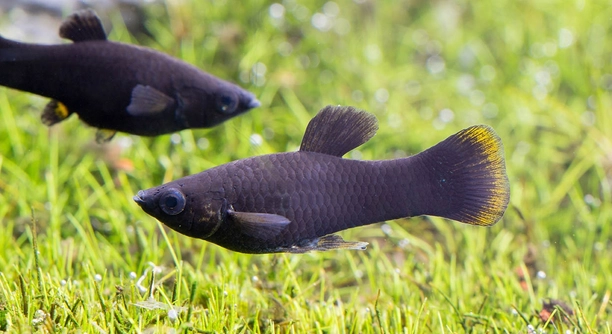
Do you ever notice your Black Molly acting unusually bold or chasing other fish around the tank? Observing their behavior closely can help you understand their temperament and maintain a peaceful aquarium environment.
Aggression in Black Mollies is typically exhibited through chasing, nipping, or sudden territorial displays. Recognizing these behaviors early allows aquarists to manage tank dynamics, prevent injuries, and maintain a healthy social structure among fish.
Learning the subtle signs of dominance and irritation can help you keep your Black Mollies calm and your tank harmonious. Proper observation is key to maintaining a balanced environment.
Common Signs of Aggression
Black Mollies may display aggression in several noticeable ways. One common sign is chasing, where a fish relentlessly follows another, often causing stress or injury. Another indicator is nipping at fins, which can leave visible damage and affect overall health. Sudden flaring of fins or rapid darting movements can also signal territorial behavior. Some fish may push others away from preferred areas, such as near plants or hiding spots, which shows dominance within the tank. Observing these actions carefully can help you identify which fish are being aggressive and which are stressed. Changes in coloration, such as darkening, may accompany aggressive displays. Recognizing these behaviors early allows you to separate fish if needed or adjust tank conditions to reduce tension. Providing sufficient space, hiding spots, and monitoring interactions consistently can minimize conflict and improve the tank’s overall environment.
Monitoring these behaviors daily helps maintain harmony and prevents minor aggression from escalating into serious injuries.
Maintaining a peaceful tank involves more than just observing aggressive actions. It requires arranging the tank to provide adequate territory for each fish, using decorations or plants to break lines of sight, and ensuring compatible species coexist. Consistent feeding and avoiding overcrowding reduce stress and minimize aggression triggers. By understanding individual personalities and how they interact, you can anticipate potential conflicts. Separating particularly aggressive fish temporarily or permanently may sometimes be necessary. Adjusting water quality and maintaining stable conditions also supports calmer behavior. Over time, regular observation allows you to spot subtle shifts in behavior before they escalate, creating a safer, healthier environment for all Black Mollies. Taking these steps fosters a balanced aquarium where fish can thrive without constant confrontation, making tank management simpler and more rewarding.
Preventing Aggression Before It Starts
Providing enough space and hiding areas reduces tension in your tank. Black Mollies are less likely to fight when they have personal territory.
Introducing new fish gradually and monitoring interactions carefully helps prevent conflicts. Avoid overcrowding, maintain water quality, and ensure consistent feeding schedules. Observing behavior early allows adjustments to tank setup, reducing aggressive encounters. Proper preparation and attention can maintain a peaceful, healthy environment for all fish.
Adjusting Tank Conditions
Water quality directly impacts Black Molly behavior. Poor conditions can increase stress, which often triggers aggression. Regular water changes, maintaining proper pH, and monitoring temperature help keep fish calm and reduce fights.
Stable conditions prevent sudden behavioral changes. Black Mollies are sensitive to fluctuations in temperature, hardness, and ammonia levels. When water parameters shift too quickly, dominant fish may become territorial, chasing or nipping others. Using a reliable test kit and performing consistent maintenance ensures the tank environment supports healthy, peaceful interactions. Providing gentle filtration and avoiding strong currents also helps reduce stress that can lead to aggressive behavior.
Lighting and tank decorations influence how Black Mollies interact. Bright lights can increase visibility, encouraging territorial disputes, while strategically placed plants and hiding spots allow fish to retreat. Open swimming areas combined with shelter help balance dominance without overcrowding. Rearranging the tank occasionally prevents the establishment of fixed territories, limiting prolonged aggression. Monitoring how fish use space and adjusting layouts based on behavior fosters a calmer, more harmonious tank. Consistency in environment and careful observation work together to reduce conflict over time.
Managing Aggressive Individuals
Separating highly aggressive fish is sometimes necessary to maintain peace in the tank. Observing interactions helps identify which fish are most likely to attack.
Temporary isolation can allow injured or stressed fish to recover. Aggressive fish may need permanent relocation if behavior persists. Monitoring feeding and behavior during separation ensures all fish remain healthy. Providing enrichment and hiding spaces in the main tank can reduce future aggression by giving fish room to establish boundaries naturally. Adjusting group sizes and ensuring similar-sized fish coexist prevents repeated dominance displays and injuries. Regular observation is key to maintaining harmony.
Feeding and Aggression
Competition for food can trigger aggression among Black Mollies. Ensuring enough food for all fish reduces chasing and fin-nipping during feeding times.
Distributing food in multiple areas of the tank allows less dominant fish to eat without confrontation. Feeding smaller amounts more frequently can help maintain calm and prevent aggressive behavior linked to hunger.
Recognizing Stress Signals
Stress often precedes aggressive outbursts. Watch for hiding, rapid gill movement, or color changes as early warning signs. Early intervention can prevent fights and injuries.
Tank Layout Considerations
Black Mollies need space to establish territories without constant confrontation. Avoid overcrowding and provide hiding spots to break lines of sight. Proper layout encourages peaceful coexistence and minimizes stress-induced aggression.
FAQ
How can I tell if my Black Molly is aggressive?
Aggression is usually shown through chasing, nipping at fins, or pushing other fish away from preferred areas. Sudden flaring of fins, darting movements, and darkened coloration often indicate territorial behavior. Observing interactions over time helps determine which fish are aggressive and which are stressed.
Why does aggression increase in some Black Mollies?
Aggression can rise due to overcrowding, poor water quality, or competition for food and territory. Stressful conditions amplify dominance behavior, especially in males. Ensuring proper tank size, hiding spots, and stable water parameters reduces aggressive tendencies and keeps fish calmer.
Can aggression hurt my fish?
Yes, aggressive behavior can cause physical damage, such as torn fins or scale loss, and stress-related illnesses. Stressed fish may lose appetite or become more vulnerable to disease. Early identification and intervention are important to prevent long-term health issues.
Should I separate aggressive Black Mollies?
Separating highly aggressive individuals is often necessary. Temporary isolation allows injured or stressed fish to recover. In persistent cases, permanent relocation may be required. Providing hiding spots and monitoring interactions before separation can reduce the need for drastic measures.
Does tank size affect aggression?
Smaller tanks increase stress and competition, making aggression more frequent. Providing enough space for each fish to establish territory reduces chasing and fin-nipping. A well-planned layout with open swimming areas and hiding spots encourages calmer behavior.
How can I prevent aggression during feeding?
Feed smaller amounts more frequently and spread food across multiple locations. This allows less dominant fish to access food without confrontation and reduces chasing or nipping. Consistent feeding schedules also help maintain a peaceful environment.
Do males and females show different aggression levels?
Males are generally more territorial and display dominance behaviors more often than females. Females may show aggression in limited situations, usually related to competition for food or space. Understanding gender dynamics helps manage interactions and reduce conflicts.
Can decorations and plants reduce aggression?
Yes, strategically placed plants and decorations create hiding spots and break lines of sight. Rearranging the tank occasionally prevents fixed territories, limiting prolonged aggression. Open swimming areas combined with shelters foster a calmer, more balanced environment.
Does water quality impact aggression?
Poor water quality increases stress, which can trigger aggressive behavior. Maintaining stable temperature, pH, hardness, and performing regular water changes help reduce territorial disputes and keep fish healthy.
How do I manage aggression long-term?
Long-term management involves monitoring interactions, maintaining proper tank conditions, providing enough space and hiding spots, and separating aggressive fish when necessary. Consistency and observation are key to sustaining a peaceful tank environment for all Black Mollies.
Final Thoughts
Managing aggression in Black Mollies is essential for maintaining a healthy and peaceful aquarium. Aggressive behavior can develop for many reasons, including territorial instincts, overcrowding, competition for food, or poor water quality. Observing your fish closely is the first step toward understanding their behavior. Noticing signs such as chasing, fin-nipping, rapid darting, and flared fins allows you to take action before serious injury occurs. Stress often drives aggressive behavior, so ensuring calm and stable tank conditions is key. Simple actions, like providing hiding spots and distributing food in multiple areas, can significantly reduce tension. Over time, careful observation helps identify which fish are naturally more dominant and which are prone to stress, allowing you to manage interactions more effectively.
Adjusting tank conditions plays a large role in reducing aggression. Proper water quality, stable temperature, and appropriate pH levels help create an environment where fish feel secure. Overcrowding should be avoided, and adequate space should be provided for each fish to establish personal territory. Decorations, plants, and shelters are not just for aesthetics—they break lines of sight and allow fish to retreat when needed, reducing confrontations. Feeding habits also affect behavior. Offering smaller amounts more frequently and spreading food throughout the tank prevents dominant fish from monopolizing resources and allows less assertive fish to eat comfortably. In addition, monitoring the social dynamics between males and females is helpful, as males tend to be more territorial. Adjusting the group size or separating aggressive individuals temporarily can prevent stress and injury. Consistency in maintenance and observation is crucial for long-term harmony.
Ultimately, maintaining a peaceful aquarium requires patience and attention. Black Mollies have unique personalities, and aggression will sometimes occur even in well-maintained tanks. The goal is to recognize early signs and implement strategies that reduce conflict and stress. By providing space, hiding spots, proper feeding, and stable water conditions, you can support calmer behavior and a healthier environment. Regular monitoring allows you to respond to changes before they escalate, protecting both aggressive and less dominant fish. Understanding the factors behind aggression not only keeps your fish safe but also makes caring for them more manageable and enjoyable. With careful observation and proactive management, your Black Mollies can coexist peacefully, creating a balanced and thriving tank for everyone.

Hello,
If you enjoy the content that we create, please consider saying a "Thank You!" by leaving a tip.
Every little bit helps us continue crafting quality advice that supports the health, happiness, and well-being of pets around the world, for pets of all shapes, sizes, and species.
We really appreciate the kindness and support that you show us!