
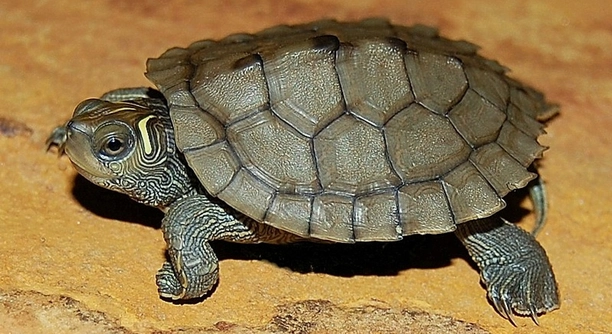
Map turtles are fascinating creatures, but when they gasp for air, it can be concerning. Understanding the reasons behind this behavior is essential to ensure your turtle’s well-being and help address any underlying health issues.
Gasping for air in map turtles is commonly caused by respiratory issues, stress, or environmental factors. Poor water quality, inadequate basking areas, or improper tank conditions can all contribute to this behavior. Ensuring a proper habitat and prompt veterinary care is essential.
Taking the right steps can help improve your turtle’s health. Knowing what to look for and addressing any concerns quickly will ensure your map turtle stays happy and comfortable in its environment.
Causes of Gasping in Map Turtles
When a map turtle gasps for air, it could be a sign of several underlying issues. Poor water quality is one of the main factors. If the tank water isn’t cleaned regularly or lacks proper filtration, it can lead to respiratory issues. Map turtles are highly sensitive to their environment, and even small changes can affect their health. Another possible cause could be improper basking areas. If your turtle cannot dry off properly, this can impact its ability to breathe comfortably. Stress can also trigger gasping behavior, especially if there are sudden changes in the environment or other tank mates.
Poor water conditions are an easy problem to fix. Regularly changing the water, ensuring the temperature is stable, and maintaining proper filtration can go a long way. For basking, make sure there’s a dry, warm area where the turtle can completely dry off.
Gasping may also be related to an infection. Respiratory infections are common in turtles, and if not treated promptly, they can worsen. A turtle with a respiratory infection may exhibit labored breathing, nasal discharge, or lethargy. Consulting a vet at the first sign of these symptoms is critical for effective treatment. Early intervention can help prevent the infection from spreading and reduce the risk of serious complications.
Preventing Respiratory Issues
Preventing respiratory problems starts with creating the right environment for your turtle. Regular water changes and maintaining the right water parameters are key.
The basking area should be well-lit and free of drafts. Ensure the turtle has access to both heat and UVB light to stay healthy. In addition to these adjustments, offering a balanced diet and avoiding overfeeding can improve your turtle’s immune system, which helps it fight off infections. Keeping your turtle in a stress-free environment is just as important. Changes in the tank setup, loud noises, or too much handling can cause anxiety, leading to health problems. Regular monitoring of behavior and physical appearance ensures that any signs of illness are caught early.
Tank Conditions and Temperature
Map turtles require a consistent water temperature. If the water is too cold, they may struggle to breathe properly, leading to gasping. Ideal water temperature ranges from 75°F to 80°F. If the water gets too warm or too cold, your turtle may start to show signs of distress.
If your tank lacks a proper heater, the water temperature will fluctuate, affecting your turtle’s health. A stable heater, thermometer, and filter system are essential for maintaining a proper environment. Without consistent conditions, map turtles can suffer from respiratory issues and other complications.
Additionally, the tank size matters. If it is too small, the turtle won’t have enough room to move around or find a comfortable spot. A cramped tank can cause stress, leading to gasping for air. Ensure the tank is large enough for your turtle to thrive and avoid overcrowding.
Basking and UVB Lighting
Proper basking areas are crucial for map turtles. If they don’t have access to a dry area to fully dry off and bask under UVB lighting, it can lead to respiratory distress.
Providing a basking area with heat and UVB light ensures your turtle stays healthy. The basking spot should be warm, allowing the turtle to rest and absorb necessary UV rays. Without adequate UVB light, the turtle may not metabolize calcium properly, weakening its bones and immune system, making it more susceptible to illness.
A basking spot that’s too cold or not available at all can prevent the turtle from thermoregulating. This can lead to stress and poor health, affecting the turtle’s breathing patterns. Ensure the basking area is positioned properly within the tank, with the right light and warmth for optimal health.
Stress and Anxiety
Map turtles are sensitive creatures. Sudden changes in their environment or handling can cause stress. When stressed, they may start gasping for air, which is their way of coping with anxiety.
Overcrowding in the tank or loud noises can also trigger stress. Map turtles are best kept in peaceful environments, free from sudden disturbances. It’s important to keep their habitat as calm as possible.
Health Issues and Infections
Respiratory infections are common among turtles. These infections can cause labored breathing, coughing, and even gasping for air. If left untreated, they can worsen quickly.
Respiratory issues often result from poor water quality, but a weakened immune system can also contribute. It’s important to look for signs such as mucus discharge from the nose or eyes. If you notice these, a visit to the vet is essential.
Diet and Feeding Habits
Map turtles need a balanced diet. Overfeeding or feeding the wrong foods can lead to health problems, including respiratory issues. A varied diet with proper calcium and vitamin intake supports their overall well-being.
Turtles that are fed too much or with improper food types may become overweight or sluggish. This affects their ability to breathe comfortably. Offer food in moderation and ensure it’s nutrient-rich for optimal health.
FAQ
Why is my map turtle gasping for air?
Gasping for air can be a sign of respiratory distress, often caused by poor water quality, improper basking, or stress. A dirty tank, inadequate temperature, or insufficient UVB light can affect your turtle’s ability to breathe properly. It’s important to address these environmental factors quickly to help your turtle recover.
How can I tell if my map turtle has a respiratory infection?
Look for signs such as labored breathing, wheezing, or nasal discharge. If your turtle has difficulty breathing or is opening its mouth widely, it may be suffering from an infection. Other symptoms include lethargy, loss of appetite, or swelling around the neck.
Can stress cause my map turtle to gasp for air?
Yes, stress can trigger gasping behavior. Changes in the turtle’s environment, loud noises, or overcrowded tanks can create anxiety. A stressed turtle may start gasping as a way to cope. Keep the tank peaceful and avoid frequent handling.
What is the ideal water temperature for my map turtle?
Map turtles thrive in water temperatures ranging from 75°F to 80°F. Temperatures outside this range can lead to breathing difficulties and stress. A reliable aquarium heater and thermometer can help maintain a stable water temperature, promoting your turtle’s overall health.
Is it important to provide UVB lighting for my map turtle?
Yes, UVB lighting is crucial for your map turtle’s health. Without it, they can develop shell deformities and weakened bones. UVB light helps turtles metabolize calcium, promoting a strong immune system. Place a UVB bulb over the basking area, ensuring your turtle can access it daily.
Can poor water quality cause my map turtle to gasp?
Yes, poor water quality is a common cause of respiratory issues in turtles. Dirty water can irritate their respiratory system, causing them to gasp for air. Regular water changes and proper filtration are essential to keep the tank clean and your turtle healthy.
How can I prevent my map turtle from getting a respiratory infection?
To prevent respiratory infections, maintain clean water, proper tank temperature, and provide access to a suitable basking area with UVB light. Avoid overcrowding, which can increase stress and the risk of infections. If your turtle shows signs of illness, seek veterinary care immediately.
What should I do if my map turtle is still gasping for air after making environmental adjustments?
If the gasping persists despite changes in the environment, consult a veterinarian who specializes in reptiles. They can diagnose respiratory infections or other health issues and provide appropriate treatment. Delaying a veterinary visit can worsen your turtle’s condition.
Can map turtles survive without a basking area?
No, basking is essential for map turtles. They need a dry, warm spot to regulate their body temperature and absorb UVB light. Without a proper basking area, they can become weak, stressed, and more prone to respiratory infections.
How often should I clean my map turtle’s tank?
Cleaning your map turtle’s tank at least once a week is recommended. Removing waste, uneaten food, and debris helps maintain water quality. If your turtle’s tank is heavily used, consider cleaning it more often to avoid bacterial build-up that can harm their health.
Is it normal for a map turtle to gasp occasionally?
Occasional gasping can be normal, especially when a turtle is adjusting to a new environment. However, frequent or prolonged gasping is a cause for concern and may indicate health issues such as respiratory problems, stress, or poor tank conditions.
Can I treat my map turtle’s respiratory infection at home?
While you can improve the environment by adjusting water conditions and providing UVB lighting, respiratory infections often require veterinary care. A reptile vet can prescribe antibiotics or other treatments to help your turtle recover. Never try to treat respiratory issues without professional guidance.
How do I know if my map turtle is stressed?
Signs of stress in map turtles include erratic swimming, loss of appetite, gasping for air, and hiding more than usual. Stress can also lead to a weakened immune system, making your turtle more susceptible to illness. Reducing tank changes and noise can help alleviate stress.
Can poor diet affect my map turtle’s breathing?
Yes, a poor diet can weaken your turtle’s immune system and make it more vulnerable to infections, including respiratory issues. A balanced diet with the right amounts of calcium, vitamins, and minerals is essential for your turtle’s overall health. Avoid overfeeding and provide variety in their meals.
What should I do if my map turtle stops eating?
A loss of appetite can be a sign of stress, illness, or poor tank conditions. Check water quality, temperature, and basking conditions first. If your turtle continues to refuse food, it may be time to visit a reptile vet to rule out underlying health issues.
Can map turtles live in a tank with other species?
Map turtles can live with other species, but it’s important to choose compatible tank mates. Avoid overcrowding, as this can lead to stress and respiratory issues. Also, ensure that other species don’t harass or bully your turtle, as this can trigger anxiety and health problems.
Do map turtles need a filter in their tank?
Yes, a filter is essential for maintaining clean water. Map turtles produce waste that can quickly degrade water quality. A proper filtration system helps remove debris and toxins, keeping the water clean and safe for your turtle. Regular maintenance of the filter is also necessary.
Final Thoughts
Understanding the reasons behind your map turtle’s gasping for air is crucial to ensuring its health and well-being. This behavior is often an indication of underlying issues like poor water quality, stress, or respiratory infections. Addressing these concerns promptly can prevent further health complications. Proper tank maintenance, including clean water, proper temperature, and UVB lighting, are essential for a healthy environment. Stress reduction is also important, as sudden changes or overcrowding can lead to anxiety and breathing difficulties.
Map turtles are resilient creatures, but they require consistent care to thrive. When you notice gasping or other abnormal behaviors, it’s essential to assess the environment first. Tank conditions should always be optimized for their needs. A balanced diet, appropriate water temperature, and a proper basking area contribute significantly to their overall health. If these factors are in place and the turtle continues to struggle with breathing, it may be time to consult with a veterinarian. Early diagnosis and treatment are key to preventing serious health problems.
In conclusion, providing a stable, stress-free environment with proper care is essential for your map turtle’s health. Monitoring water quality, temperature, and overall tank conditions will help you avoid most common issues. If you ever encounter persistent symptoms like gasping for air, don’t hesitate to reach out to a reptile specialist. Their expertise will help identify any underlying health issues and provide guidance for treatment. By staying attentive to your turtle’s needs, you can ensure a long, healthy life for your aquatic companion.

Hello,
If you enjoy the content that we create, please consider saying a "Thank You!" by leaving a tip.
Every little bit helps us continue crafting quality advice that supports the health, happiness, and well-being of pets around the world, for pets of all shapes, sizes, and species.
We really appreciate the kindness and support that you show us!