
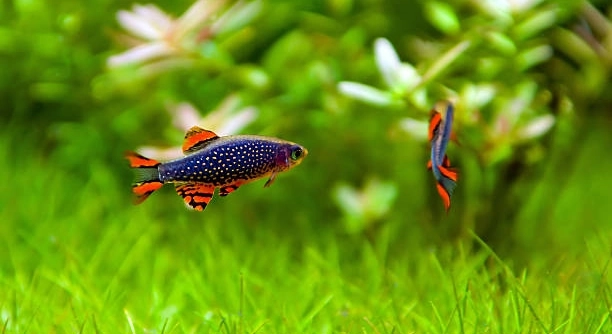
Monitoring the growth of Celestial Pearl Danios can be both rewarding and challenging for aquarium enthusiasts. Observing their development over time helps ensure their health and proper care, especially when raising them from fry to adults.
The most effective way to monitor Celestial Pearl Danio growth involves regularly measuring their size, tracking behavioral changes, and documenting physical characteristics. Maintaining consistent water conditions and feeding schedules also supports accurate assessment of their development over time.
Tracking these details carefully will make it easier to address potential issues and ensure your fish thrive in their aquatic environment.
Observing Physical Changes
Celestial Pearl Danios grow slowly but noticeably over time. Watching their coloration, fin size, and body shape gives clear indicators of health and development. Young fry often appear more translucent, with faint spots, while adults show bright, distinct patterns. Recording these changes weekly can help track progress effectively. Differences in size or coloration may signal dietary or environmental issues that need attention. Additionally, observing interactions among fish can reveal behavioral development. Growth can vary slightly even among siblings, so keeping individual records can prevent misjudgment. Lighting and tank setup also influence how easily you can notice physical changes, so ensure clear visibility. Regular observation helps you spot issues before they become serious. Noticing even small differences can guide feeding adjustments and tank maintenance. A careful, consistent routine fosters healthier fish and more accurate tracking of their growth. Over time, this attention improves your ability to anticipate their needs and maintain stable conditions.
Keeping a growth log ensures you do not miss subtle changes and supports long-term health management.
Tracking these physical cues consistently allows you to adjust feeding, water quality, and tank layout to match developmental needs. Observing fins, body length, and coloration, then noting changes in a notebook or spreadsheet, provides a clear record. Comparing weekly measurements helps identify slow growth, stress, or illness early. Even small improvements or declines become easier to see, guiding better care decisions. Combining observation with consistent feeding and water maintenance maximizes growth potential. Using magnifying tools or photography can enhance accuracy. Over time, these records help predict growth patterns, anticipate health issues, and fine-tune environmental conditions. This approach supports both healthy adults and successful breeding by giving a detailed account of developmental milestones.
Monitoring Feeding and Nutrition
Proper feeding directly affects growth and coloration. Feeding small, frequent meals with high-quality food ensures steady development and prevents malnutrition.
A balanced diet with live or frozen foods like brine shrimp and daphnia encourages natural growth and strengthens immunity.
Tracking food intake and preferences allows for better growth monitoring. Overfeeding can stress the tank ecosystem, while underfeeding slows growth and affects coloration. Note which foods are consumed eagerly and which are ignored. Adjusting diet based on observed growth patterns ensures your fish get proper nutrients. Combining varied foods maintains interest and provides essential vitamins and minerals. Consistency in feeding times and quantities supports digestive health. Monitoring how quickly fish finish meals gives insight into appetite and potential health issues. Recording feeding behaviors alongside physical changes creates a full picture of their development. Proper nutrition and observation together make it easier to maintain vibrant, healthy Celestial Pearl Danios.
Measuring Growth Regularly
Using a small ruler or caliper allows precise measurement of Celestial Pearl Danios. Measuring weekly gives clear insight into their development and helps spot irregular growth patterns early.
Record each fish’s length on a chart or spreadsheet to track progress over time. Compare measurements week by week to identify consistent growth trends. Avoid stressing the fish during measuring by handling them gently and quickly returning them to the tank. Consistent measurement methods reduce errors and give a reliable view of development. Tracking individual fish helps identify differences among siblings and informs feeding or care adjustments as needed.
Documenting growth alongside observations of behavior and appearance provides a complete picture of health. This combination allows you to notice slow growth, detect early signs of illness, and make timely adjustments in diet or environment. It also supports planning for tank space and future breeding, ensuring all fish have the resources needed to thrive.
Monitoring Water Conditions
Maintaining stable water conditions is essential for steady growth. Temperature, pH, and hardness must remain consistent to support healthy development.
Regularly test water parameters and make small adjustments when needed. Celestial Pearl Danios are sensitive to fluctuations, so even minor changes can affect growth and behavior. Keeping a log of temperature, pH, and nitrate levels helps identify patterns or recurring issues. Clean the tank and change water partially on schedule to prevent harmful buildup. Avoid rapid chemical or temperature changes that stress the fish. Consistent, balanced water conditions create an environment where growth proceeds smoothly and health is maintained. Tracking changes alongside physical measurements ensures that environmental factors are aligned with development needs.
Using Photography for Tracking
Taking clear photos of Celestial Pearl Danios helps track subtle growth and coloration changes. Compare images weekly to notice differences that may not be visible at a glance.
Ensure consistent lighting and angles for accurate comparison. Label photos by date to create a visual growth record.
Observing Behavioral Development
Changes in activity levels, schooling patterns, and feeding responses provide insight into growth and overall health. Younger fish may be more timid, while adults show confident swimming and social behaviors. Monitoring these behaviors alongside physical measurements ensures a well-rounded view of development and identifies potential stressors early.
Keeping Individual Records
Maintain a log for each fish that includes size, appearance, diet, and behavior. This helps identify specific needs and monitor progress accurately.
FAQ
How often should I measure my Celestial Pearl Danios?
Measuring once a week is usually sufficient. Frequent measurements may stress the fish, while longer gaps can make it harder to notice growth trends. Use a small ruler or caliper and handle them gently. Document each measurement for consistent tracking and comparison over time.
What is the best way to photograph my fish for growth tracking?
Use consistent lighting and angles for each photo. Label images with the date to track changes. A clear tank background helps highlight coloration and fin development. Avoid flash that can stress the fish, and try to take photos when they are calm and stationary.
Can diet affect growth speed?
Yes, diet directly influences development. Provide a variety of high-quality foods, including small live or frozen foods like brine shrimp and daphnia. Balanced nutrition ensures proper growth, healthy coloration, and strong immunity. Avoid overfeeding, as uneaten food can harm water quality and stress the fish.
How important is water quality in monitoring growth?
Water quality is critical. Stable temperature, pH, and hardness support steady development. Regular testing and partial water changes prevent harmful buildup. Consistent conditions reduce stress, which can otherwise slow growth or lead to illness. Keep records of water parameters alongside physical measurements for a complete view.
How do I track behavioral development?
Observe swimming patterns, schooling behavior, and feeding responses. Younger fish may hide or swim erratically, while adults become more confident and social. Note changes in behavior with your size and appearance records. Behavioral tracking helps identify stress, illness, or environmental issues early.
Should I track individual fish separately?
Yes, individual records are very helpful. Each fish may grow at slightly different rates. Recording size, appearance, diet, and behavior for each fish provides accurate insight into development and allows adjustments if one fish shows slower growth or health issues.
Can lighting affect growth observation?
Proper lighting helps monitor color changes and fin development. Too dim lighting can hide subtle changes, while too bright can stress the fish. Keep lighting consistent when photographing or observing, so comparisons over time are accurate.
Is there a way to reduce stress during measurements?
Handle fish gently and for the shortest time possible. Use a soft net or container, and measure quickly. Ensure the tank is calm before and after handling. Reducing stress prevents slowed growth and maintains normal behavior.
How do I know if my fish are growing normally?
Track size, coloration, and behavior weekly. Compare your observations with average growth ranges for Celestial Pearl Danios. Healthy, steadily growing fish will show gradual increases in length and more vibrant colors. Sudden changes or stagnation may indicate dietary or environmental issues that need attention.
Are there tools that make growth tracking easier?
Yes, tools like calipers, rulers, spreadsheets, and photography help maintain accurate records. Consistent use of these tools allows easy comparison over time. Combining measurements, visual records, and behavioral notes gives the clearest picture of development and overall health.
How long does it take for Celestial Pearl Danios to reach full size?
Growth is gradual, usually taking several months. Fry start very small and slowly develop adult coloration and body shape. Maintaining consistent diet, water quality, and monitoring methods ensures they reach full size without stress or health setbacks.
What should I do if growth slows unexpectedly?
Check water parameters first, as changes in temperature, pH, or hardness can stress fish. Evaluate diet to ensure proper nutrition and look for signs of illness. Adjust environmental factors carefully and continue weekly measurements to track improvement.
Can tank mates affect growth?
Yes, aggressive or overly competitive tank mates may stress Celestial Pearl Danios and limit food access. Ensure compatible species and enough hiding spaces. Stress from interactions can reduce growth rates and affect coloration, so observe behavior regularly.
How can I combine all tracking methods effectively?
Use weekly measurements, behavioral observations, water parameter logs, and photos together. Maintaining an organized record system helps correlate changes in growth with diet, environment, and health. This comprehensive approach allows early intervention and better long-term care for your fish.
Is it normal for growth rates to vary among siblings?
Yes, slight differences are common. Genetics and position in the tank hierarchy can affect feeding opportunities and stress levels. Tracking individual fish helps identify slower growers and ensures each fish receives adequate care without being overlooked.
How detailed should my records be?
Records should include size, color, fins, behavior, feeding response, water parameters, and photos if possible. Detailed notes provide a clearer understanding of growth patterns and make it easier to spot issues early. Over time, these records become a valuable reference for maintaining a healthy tank.
What is the simplest way to start growth tracking?
Begin with a weekly measurement, a short note on appearance and behavior, and a photo. Add water parameter logs and feeding notes gradually. Starting simple keeps the process manageable and helps build a consistent routine that improves over time.
How can I maintain accuracy in measurements?
Use the same tool, measure at the same spot on the body, and record under similar conditions each week. Avoid handling the fish too roughly. Consistency is more important than frequency for accurate long-term tracking.
Do environmental changes affect tracking?
Yes, sudden changes in temperature, lighting, or tank setup can temporarily alter behavior and growth appearance. Note any adjustments in your records to understand their impact. Stability ensures reliable tracking and healthier fish.
Is it helpful to share records with others?
Sharing with experienced hobbyists or online communities can provide guidance and feedback. Others may notice trends or issues you missed. Collaborative insight supports better decision-making and improved care practices.
How do I balance observation without stressing the fish?
Keep observation periods short and calm. Record quickly and return the fish to their normal routine. Combining visual observation with periodic measurements and photos minimizes stress while still providing accurate tracking.
What are signs of healthy growth?
Gradual length increase, vibrant coloration, full fins, and confident swimming indicate healthy growth. Regular feeding and stable water conditions support these traits. Any stagnation or dull coloration warrants review of diet, environment, and stress factors.
Can growth tracking improve breeding success?
Yes, monitoring size, behavior, and health prepares fish for breeding. Understanding growth patterns helps identify mature, healthy individuals. Maintaining records ensures optimal conditions are met, increasing the likelihood of successful spawning and fry survival.
How long should I continue tracking growth?
Continue until the fish reach full adult size and maintain stable coloration and behavior. Ongoing monitoring helps detect changes in health or environmental conditions that could impact long-term wellbeing. Regular updates keep care consistent throughout their lifespan.
Monitoring Celestial Pearl Danios requires consistent attention and a careful approach, but it is a rewarding process that ensures their health and well-being. Observing growth is not limited to size alone; it includes coloration, fin development, and behavior. These small indicators collectively show how well your fish are adapting to their environment. Tracking these details allows you to respond to potential issues early, whether it’s adjusting diet, maintaining water conditions, or addressing stress factors. Even minor changes, like slower growth or fading colors, can signal that something needs attention. By taking a steady and patient approach, you can help your fish thrive while enjoying the process of seeing them grow. Documenting each step, whether through photos, measurements, or notes on behavior, provides a clear record of progress over time. It also gives a better understanding of their needs and how environmental changes affect them, making future care more informed and precise.
Maintaining a structured routine is essential when tracking growth. Measuring fish weekly, observing behavior, and recording water parameters help maintain consistency and accuracy. Using tools like rulers, calipers, photography, and logs makes it easier to track progress and identify trends. While it may seem detailed, keeping organized records does not need to be overwhelming. Even simple logs of size, appearance, and feeding habits provide valuable insight. Combining these methods ensures that no detail is overlooked and gives a full picture of overall health. Attention to diet is equally important, as balanced nutrition supports growth, color development, and immunity. Observing how your fish respond to different foods and adjusting accordingly allows them to grow steadily. Consistent environmental conditions, including stable temperature, pH, and water hardness, also support optimal development. Together, these factors create a supportive environment where Celestial Pearl Danios can reach their full potential.
Finally, understanding that growth takes time and patience is important. Celestial Pearl Danios develop gradually, and differences in size or pace between individuals are normal. Tracking each fish individually allows you to notice these differences and provide targeted care. Observing both physical and behavioral changes helps ensure that fish remain healthy and active, while also giving confidence that your care practices are effective. Maintaining this balance between observation and routine care supports long-term well-being. Over time, consistent monitoring, careful feeding, and stable environmental conditions work together to foster a thriving tank. By keeping detailed records and staying attentive to their needs, you create an environment that promotes healthy growth and vibrant coloration. This approach ensures that your Celestial Pearl Danios not only survive but flourish, offering a rewarding experience for both you and the fish.

Hello,
If you enjoy the content that we create, please consider saying a "Thank You!" by leaving a tip.
Every little bit helps us continue crafting quality advice that supports the health, happiness, and well-being of pets around the world, for pets of all shapes, sizes, and species.
We really appreciate the kindness and support that you show us!