
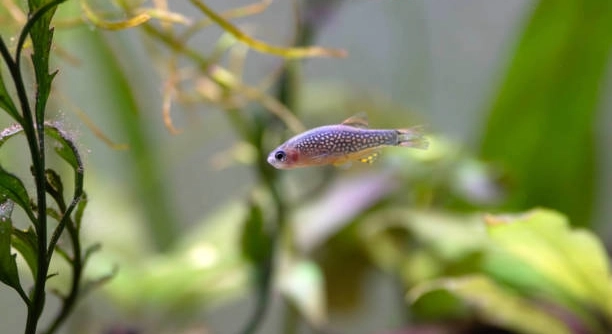
Have you ever wondered how to keep your danio breeding tank clean without stressing the fish? Managing waste properly is key to maintaining a healthy environment for both adult danios and their fry. Regular care keeps the tank stable.
Effective waste management in a danio breeding tank involves routine water changes, the use of fine mesh filters, removal of uneaten food, monitoring ammonia and nitrite levels, and separating fry from adults to prevent contamination and ensure a balanced aquatic ecosystem.
Maintaining a clean tank goes beyond aesthetics, directly impacting your danios’ health and breeding success, making careful waste management an essential practice for every aquarist.
Regular Water Changes
Changing water regularly is one of the simplest ways to manage waste in a danio breeding tank. I usually replace about 20 to 30 percent of the water weekly. This helps remove excess food, fish waste, and harmful chemicals like ammonia and nitrites that can build up over time. I find it helpful to use a siphon to vacuum the substrate while removing water, as debris often settles at the bottom. Clean water keeps the tank clear and prevents stress in both adults and fry. Temperature and pH should be matched when adding fresh water to avoid shocking the fish. Over time, maintaining this routine has made the tank much healthier, reducing disease risk and improving breeding conditions. A stable environment encourages fry survival, and adults remain active and vibrant. Small steps like these consistently lead to a cleaner tank without overcomplicating care.
Maintaining partial water changes is easy and prevents major water quality issues from developing in the tank.
Regular water changes create a stable environment, reduce waste accumulation, and support overall health. Consistent practice minimizes risks of ammonia spikes, keeps the water clear, and encourages fry growth. Over time, it improves the tank’s overall ecosystem, making management less stressful. Adding conditioned water carefully ensures no sudden changes disrupt the fish’s well-being, and combined with other cleaning practices, it forms the foundation of effective waste management in a breeding tank.
Fine Mesh Filters
Using a fine mesh filter can greatly reduce waste in a breeding tank. It traps small debris and prevents it from circulating in the water, keeping conditions cleaner.
Fine mesh filters help catch leftover food and tiny particles before they decompose. These filters maintain water clarity and reduce the need for frequent deep cleanings. They also provide gentle water flow, which is safer for fry that are easily disturbed. I often combine a filter with occasional siphoning to maximize cleanliness without stressing the fish. Over weeks, the difference is noticeable: the tank stays clearer, adults appear healthier, and fry growth improves. Regular cleaning of the filter media prevents blockages and ensures it continues working efficiently. Filters paired with water changes form a solid system for keeping waste under control while minimizing effort. They are particularly helpful in breeding tanks, where fry are delicate and can be easily harmed by strong currents or excess debris. This small investment pays off in tank stability and fish well-being.
Removing Uneaten Food
Uneaten food quickly decomposes and pollutes the tank. I make it a habit to remove leftovers after feeding, especially in a breeding tank where fry are present. This prevents ammonia spikes and keeps the water clean.
I usually feed small portions to avoid waste. Any food not eaten within a few minutes is carefully scooped out using a small net or siphon. Overfeeding is a common mistake that leads to cloudiness and poor water quality. By controlling feeding and removing leftovers, the tank stays clearer, and fish remain healthy. This approach also reduces the frequency of major water changes because less debris accumulates at the bottom. Managing feeding this way has made a noticeable difference in fry survival and adult vitality in my breeding tank.
Consistent removal of uneaten food supports water stability and reduces harmful chemical buildup. Combining this with regular siphoning keeps the substrate clean and promotes healthy growth for both adults and fry. Maintaining this practice over weeks creates a calmer, healthier environment with minimal stress for the fish.
Monitoring Ammonia and Nitrite Levels
Testing water regularly helps detect harmful levels of ammonia and nitrites early. I check these levels at least once a week using reliable test kits. This ensures the tank remains safe for breeding and fry survival.
Ammonia and nitrite spikes can be deadly, especially for fry. Monitoring these chemicals allows for timely water changes and adjustments, preventing long-term health issues. I usually note the readings in a small log to track patterns over time. This makes it easier to identify feeding or cleaning practices that may be affecting water quality. Regular testing, combined with partial water changes and proper filtration, creates a strong system for waste management. Over time, tracking water chemistry has allowed me to maintain a stable, healthy tank where fry grow consistently and adults remain active. Proper monitoring prevents hidden problems from developing and supports overall tank stability, making the breeding process smoother and less stressful.
Separating Fry from Adults
Separating fry from adult danios reduces competition for food and prevents adults from disturbing or eating the young. I use a small breeding box or a divider within the main tank to keep them safe.
Keeping fry separated also helps maintain cleaner water. With fewer fish in one area, waste levels remain lower, and monitoring water quality becomes easier. This simple step supports fry growth and overall tank health without adding extra work.
Using Live Plants
Live plants naturally absorb some waste and provide hiding spaces for fry. I include fast-growing species like hornwort or water sprite to help maintain water quality.
Plants also reduce stress by giving fish places to swim through and hide. They contribute to oxygenation and slow the growth of algae by competing for nutrients. In my experience, a well-planted breeding tank stays cleaner for longer, and fry have safer areas to explore. Combined with regular water changes and careful feeding, live plants make waste management easier and create a healthier environment for all tank inhabitants.
Siphoning the Substrate
Siphoning the substrate removes settled waste that filters can’t catch. I gently vacuum the gravel or sand weekly to prevent buildup.
Avoid Overfeeding
Overfeeding leads to excess waste and poor water quality. I feed small portions multiple times a day rather than a large single meal.
FAQ
How often should I change water in a danio breeding tank?
I usually replace 20 to 30 percent of the water weekly. This keeps ammonia and nitrite levels low and removes uneaten food and debris. Partial changes are better than complete water swaps because they avoid shocking the fish and maintain stable conditions.
What type of filter works best for a breeding tank?
A fine mesh sponge filter is ideal. It traps small particles without creating strong currents that can harm fry. Sponge filters also provide surface area for beneficial bacteria, which helps break down waste naturally and stabilizes water chemistry over time.
Can I use live plants to manage waste?
Yes, live plants like hornwort or water sprite absorb some nutrients and reduce leftover food decomposition. They also provide hiding spaces for fry, reduce stress, and compete with algae for nutrients, which helps maintain water clarity.
How do I prevent overfeeding?
Feed small amounts that fish can eat in a few minutes. I usually give two to three tiny meals a day instead of one large feeding. Any uneaten food should be removed promptly to avoid water pollution and ammonia spikes.
Is it necessary to separate fry from adult danios?
Separating fry improves survival rates. Adults may eat or disturb fry, and competition for food can limit growth. I use small breeding boxes or dividers to give fry a safe space while still allowing water to circulate.
How can I monitor water quality effectively?
Use reliable test kits to check ammonia, nitrite, and pH at least once a week. Keeping a log helps track changes and identify patterns related to feeding, filtration, or tank maintenance. Prompt action prevents hidden problems from harming fish health.
What is the best way to clean the substrate?
Siphon the substrate gently during water changes. This removes settled waste, leftover food, and fish feces that filters might not capture. Regular vacuuming keeps debris from building up and maintains a healthier environment for both adults and fry.
Are water conditioners necessary?
Yes, always treat tap water with a conditioner before adding it to the tank. This removes chlorine, chloramines, and heavy metals that can harm fish. Using conditioned water supports stable chemistry and reduces stress during water changes.
How do I prevent algae while managing waste?
Avoid overfeeding and remove uneaten food promptly. Live plants also compete with algae for nutrients, reducing its growth. Regular partial water changes and maintaining clean equipment further help prevent algae buildup.
Can a filter alone keep the tank clean?
Filters help, but they can’t replace regular maintenance. I still remove debris manually, do water changes, and monitor water chemistry. Filters support cleanliness but work best alongside consistent feeding control, siphoning, and live plant use.
How do I know if ammonia or nitrite levels are dangerous?
Even small spikes can be harmful, especially to fry. Ammonia above 0.25 ppm and nitrite above 0.5 ppm requires immediate partial water changes and adjustments. Keeping a weekly testing routine helps detect problems early and maintain a safe environment.
What are signs that the tank is too dirty?
Cloudy water, a strong odor, visible waste on the substrate, or stressed and lethargic fish all indicate poor conditions. Prompt action, including siphoning and water changes, helps restore a healthy balance quickly.
How do I make maintenance easier long-term?
Feed carefully, remove leftovers, monitor water chemistry, and use live plants with a fine mesh filter. Establishing a consistent weekly routine reduces major cleaning needs and keeps both adults and fry healthy in the long run.
Can I combine methods for better results?
Absolutely. Using a sponge filter, live plants, regular siphoning, partial water changes, and careful feeding together creates a stable environment. Combining techniques is more effective than relying on one method, ensuring cleaner water and healthier fish overall.
How soon can fry be moved back with adults?
Wait until fry are large enough to avoid being eaten, usually around four to six weeks. By then, they can swim confidently and compete for food safely. Gradual acclimation is important to reduce stress during reintegration with adults.
Managing waste in a danio breeding tank is a continuous process, but it becomes easier once routines are established. Consistent partial water changes, proper feeding, and careful monitoring of water chemistry form the foundation of a clean and stable environment. I have found that sticking to a schedule makes a noticeable difference in the health of both adults and fry. Even small steps, like removing leftover food after each feeding or vacuuming the substrate weekly, help prevent harmful waste accumulation. Over time, these actions reduce stress on the fish and minimize the risk of disease, making the tank easier to maintain and more productive for breeding purposes.
Using tools like fine mesh filters and live plants adds another layer of support for waste management. Filters catch particles that otherwise circulate in the water, while plants absorb excess nutrients and provide hiding spots for fry. I always combine these methods with regular testing of ammonia and nitrite levels to catch any potential issues early. Monitoring water chemistry is crucial because harmful chemicals can build up quickly in a breeding tank, even with good filtration. Maintaining a balance between these practices ensures that the tank stays clean without requiring extreme interventions. With time, this combination of methods creates a calmer and healthier environment where fry can grow safely, and adult danios remain active and vibrant.
The key to long-term success is consistency and observation. Each tank may behave slightly differently, so paying attention to water clarity, fish behavior, and substrate condition allows adjustments before problems escalate. Overfeeding, infrequent water changes, or ignoring waste buildup can quickly undo progress. I have learned that small, regular efforts are far more effective than occasional deep cleanings. Keeping the tank simple yet organized reduces stress for both the fish and the caretaker. In the end, a well-maintained breeding tank results in healthier fry, stronger adults, and a more enjoyable experience overall. Consistent care, combined with practical tools and observation, creates a sustainable system that supports both the fish’s well-being and successful breeding.

Hello,
If you enjoy the content that we create, please consider saying a "Thank You!" by leaving a tip.
Every little bit helps us continue crafting quality advice that supports the health, happiness, and well-being of pets around the world, for pets of all shapes, sizes, and species.
We really appreciate the kindness and support that you show us!