
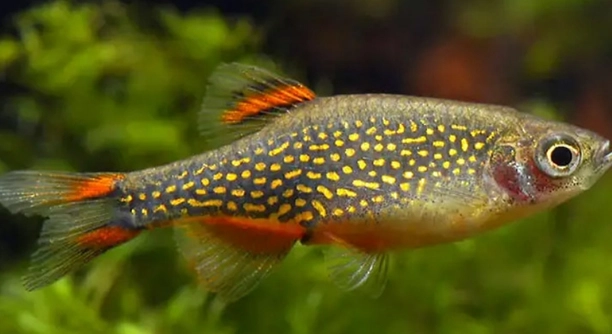
Is your Celestial Pearl Danio swimming alone in the tank, looking less vibrant than usual? These small, colorful fish are naturally social and thrive in groups, making companionship essential for their wellbeing and overall health.
Celestial Pearl Danios experience stress and loneliness when kept in isolation, as they are shoaling fish. Lack of social interaction can lead to lethargy, reduced appetite, and heightened vulnerability to disease, impacting both behavior and lifespan.
Providing the right environment and companions is crucial for your Danio’s happiness and health, ensuring it flourishes in its aquatic home.
Signs Your Celestial Pearl Danio Is Lonely
Lonely Celestial Pearl Danios often show subtle changes in behavior that indicate stress. They may hide more frequently among plants or decorations, spending extended periods in one corner of the tank. Reduced activity and lack of curiosity about their surroundings are common. Appetite can also decrease, with fish ignoring food or taking longer to respond. Coloration may fade slightly, and movements can become slower or more erratic. Stress caused by isolation can weaken the immune system, leaving the fish more prone to illness. Watching for these signs daily helps ensure you catch problems early, allowing timely adjustments to the tank or the addition of compatible tank mates. Maintaining a stable environment, including water quality and temperature, is equally important. Even minor changes can exacerbate feelings of isolation. Loneliness can affect a Danio’s natural behaviors, making social interaction and visual stimulation key components of their care.
Observing behavioral changes early can prevent long-term stress and promote a healthier, more active fish.
Addressing loneliness in Celestial Pearl Danios requires careful planning. Introducing additional Danios of similar size and temperament restores natural social dynamics. Tank layout matters, with hiding spots and open swimming areas supporting both security and movement. Grouping fish helps them engage in schooling behavior, improving confidence and reducing anxiety. Monitoring interactions ensures no aggression develops. Alongside social additions, maintaining consistent water parameters is crucial. Clean water, proper filtration, and temperature stability reinforce overall health. Enrichment such as plants, gentle currents, and visual stimuli keeps the fish mentally engaged. Adjusting feeding routines to encourage group activity can also reduce stress. Over time, the fish begin to display natural schooling patterns, brighter colors, and increased activity. Preventive care, including routine health checks and observing for subtle behavior changes, supports long-term wellbeing. By combining social and environmental strategies, you can create a balanced, supportive habitat where Celestial Pearl Danios thrive.
How to Improve Social Interaction
Adding two to five additional Celestial Pearl Danios creates a natural shoal and encourages healthy social behavior.
Regularly rearranging tank decorations and introducing plants can stimulate interaction. Ensure all fish have equal access to food to reduce competition. Observing their group dynamics helps maintain harmony. Using slow-moving tank mates can complement the shoal without causing stress. Proper socialization enhances natural behaviors, color, and overall vitality.
Tank Size and Layout
A small or overcrowded tank can increase stress and isolation for Celestial Pearl Danios. They need space to swim freely and areas to hide. Proper tank layout reduces territorial behavior and encourages natural schooling.
Providing at least a 20-gallon tank allows your Danios to move comfortably. Plants, rocks, and open swimming zones give them security and room to interact. Avoid placing aggressive or fast-moving species in the same tank, as this can intimidate Danios and worsen loneliness. A well-planned layout encourages activity, promotes natural behavior, and reduces stress, helping your fish feel more at ease in their environment. Regular observation ensures the setup continues to meet their needs.
A balanced layout combines dense planting with open areas. Hiding spots reduce fear, while open swimming zones allow schooling. Consistent water parameters complement the physical environment, reinforcing security. Introducing gentle currents and visual stimulation keeps fish engaged. Rearranging decorations occasionally encourages exploration and social interaction. A carefully structured tank supports mental health and promotes active behavior. Adjusting tank features over time ensures that your Danios remain comfortable, stimulated, and socially active, reducing signs of loneliness while maintaining their natural behavior and bright coloration.
Compatible Tank Mates
Choosing tank mates that are calm and small prevents stress in Celestial Pearl Danios. Avoid aggressive or large fish that may intimidate them.
Compatible tank mates include small tetras, rasboras, and peaceful bottom dwellers. These species coexist without disrupting Danios’ natural schooling behavior. Keeping similar-sized fish prevents bullying and ensures fair access to food and territory. Observing interactions during the first weeks helps identify potential conflicts. Properly selected tank mates enhance social stimulation and reduce loneliness, supporting a balanced, harmonious aquarium environment.
Slow-moving, non-aggressive species complement Danios’ lifestyle. Avoid fish that are territorial or overly dominant, as this can isolate Danios and cause stress. Providing a mixture of mid- and bottom-dwelling companions ensures Danios have space for schooling. Regularly monitoring the aquarium helps maintain harmony and prevent aggression. Ensuring balanced feeding and even distribution of resources reduces competition and encourages natural behavior. Over time, compatible tank mates help Danios thrive, increasing activity, coloration, and overall wellbeing while creating a calm and socially engaging environment that minimizes the risk of isolation.
Lighting and Environment
Proper lighting helps Celestial Pearl Danios feel secure and active. Bright, harsh lights can stress them, while dim or natural lighting encourages natural behavior.
Adding plants and decorations provides hiding spots and visual barriers. This reduces stress and promotes exploration, helping your Danios feel comfortable in their environment.
Feeding and Nutrition
A balanced diet is essential for social and physical health. High-quality flakes, pellets, and occasional live or frozen foods provide nutrients that support energy, coloration, and immune function. Regular feeding schedules help maintain stability, while varied foods prevent boredom and ensure all fish thrive. Consistent nutrition contributes to active schooling and reduces stress-related behavior in isolated fish.
Observation and Routine
Daily observation helps detect early signs of stress, illness, or loneliness. Tracking behavior ensures interventions can be timely and effective.
FAQ
How many Celestial Pearl Danios should I keep together?
Celestial Pearl Danios are shoaling fish, so keeping at least six together is ideal. Smaller groups can lead to stress and loneliness, reducing activity and affecting health. A group of six or more allows natural schooling behavior, promotes interaction, and helps the fish feel secure.
Can a single Celestial Pearl Danio survive alone?
A single Danio can survive, but it will often appear stressed or lethargic. Isolation can lead to reduced appetite, faded coloration, and increased susceptibility to illness. Providing companions ensures mental stimulation and healthier social behavior, which is essential for their wellbeing.
What tank size is best for a group of Danios?
A minimum of 20 gallons is recommended for a small group. Larger tanks give them space to swim freely, reduce territorial disputes, and allow for proper social interaction. Including plants, rocks, and open areas helps them feel secure and active.
What are signs my Danio is lonely?
Lonely Danios may hide more, swim erratically, or show reduced interest in food. Coloration can dull, and they may appear lethargic. Observing changes in behavior early helps prevent long-term stress and health issues.
Can tank mates help reduce loneliness?
Yes, compatible tank mates can improve social interaction. Small, peaceful fish like rasboras or tetras can coexist without intimidating Danios. Avoid large or aggressive species, as they can increase stress and isolate your fish.
How important is tank layout for social behavior?
Tank layout is very important. Plants and decorations provide hiding spots, while open swimming areas allow schooling. Rearranging decorations occasionally encourages exploration. Proper layout reduces stress and supports natural behavior.
Does feeding impact loneliness?
Feeding routines do impact social behavior. Offering food evenly to the group reduces competition and stress. A varied diet keeps the fish engaged and active, helping them interact naturally.
Can lighting affect Danio stress levels?
Yes, bright or harsh lighting can increase stress, while moderate or natural lighting encourages comfort and activity. Combining lighting with plants and decorations provides a secure environment, reducing signs of loneliness.
How long does it take for Danios to adjust to new companions?
Adjustment usually takes a few days to a week. Introduce new Danios gradually and monitor interactions. Proper tank size, layout, and compatible species help ease the transition and establish a stable social group.
Are there health risks if Danios stay alone?
Isolation can weaken the immune system and increase susceptibility to disease. Stress from loneliness affects appetite and activity, potentially shortening lifespan. Social interaction, proper nutrition, and a stable environment are essential for long-term health.
Can I add only one more Danio to a lonely fish?
Adding a single companion can help, but a larger group is better. Shoaling behavior relies on multiple fish, and small numbers may not fully prevent stress or loneliness. A group of at least six creates natural social dynamics.
What is the best way to monitor social behavior?
Observe swimming patterns, feeding response, and interactions with tank mates. Healthy social behavior includes schooling, active exploration, and consistent coloration. Early detection of changes allows prompt adjustments to environment, companions, or feeding routines.
Can loneliness affect reproduction?
Yes, lonely Danios may not breed or show reduced mating behavior. Social interaction stimulates natural breeding instincts. Providing a group and proper environment encourages reproductive activity and overall vitality.
How do I introduce new Danios safely?
Quarantine new fish for two weeks to prevent disease. Introduce them gradually into the main tank, observing interactions closely. Provide ample hiding spaces to reduce stress and avoid aggression. Proper introductions help maintain harmony and reduce loneliness.
Does water quality impact social behavior?
Yes, poor water quality increases stress, which can intensify signs of loneliness. Regular maintenance, filtration, and monitoring of temperature, pH, and ammonia levels are essential. Clean water supports healthy interactions and overall wellbeing.
Can tank size alone solve loneliness?
Tank size alone is not enough. While space is important, proper companions, layout, and environmental enrichment are also necessary. Combining all factors ensures natural behavior and reduces stress from isolation.
How often should I check on my Danios?
Daily observation is recommended. Watching behavior, feeding, and interactions helps detect stress or illness early. Prompt attention to changes can prevent long-term health issues caused by isolation or environmental problems.
What is the ideal number of hiding spots in a tank?
Several hiding spots are recommended, using plants, rocks, or decorations. They reduce stress, encourage exploration, and allow shy individuals to feel secure, which supports social cohesion and natural schooling behavior.
Can loneliness be reversed in adult Danios?
Yes, adult Danios can adapt when placed in proper groups. Gradually introducing companions, enriching the tank, and maintaining water quality restores social behavior, improves coloration, and increases activity.
How do I prevent future loneliness?
Maintain a group of at least six Danios, provide compatible tank mates, and ensure a stimulating environment. Balanced feeding, consistent observation, and proper water conditions prevent stress and support ongoing social health.
Final Thoughts
Celestial Pearl Danios are small, colorful fish that naturally thrive in groups. Their social nature means that being alone can significantly affect their behavior and overall wellbeing. When kept in isolation, they may appear lethargic, hide more often, or display faded coloration. These changes are signs of stress, which can weaken their immune system and make them more susceptible to illness. Understanding their social needs is essential for any tank setup. Providing companions of similar size and temperament allows Danios to exhibit natural schooling behavior. This not only improves their physical health but also supports mental stimulation. Observing their interactions and activity levels helps identify early signs of loneliness, making it easier to intervene before stress becomes a serious problem.
A well-planned tank environment is just as important as the number of fish. A minimum 20-gallon tank for a small group ensures enough space to swim and explore. Open areas allow for natural schooling, while plants, rocks, and decorations provide hiding spots that reduce stress. Proper lighting, consistent water parameters, and gentle currents contribute to a secure and stimulating habitat. Regular cleaning, monitoring temperature, pH, and ammonia levels also supports overall health. Combining social companions with a thoughtfully arranged environment ensures that Danios remain active, brightly colored, and mentally engaged. Even small changes, like rearranging plants or adding new decorations, can encourage exploration and interaction, making the tank more dynamic and supportive of their natural behavior.
Nutrition and routine care play a key role in maintaining happiness and social balance. Providing a varied diet of high-quality flakes, pellets, and occasional live or frozen foods keeps the fish healthy and engaged. Consistent feeding schedules help reduce competition and stress during meal times, promoting fair access for all fish. Monitoring daily behavior allows for early detection of stress, aggression, or illness, which can be addressed before problems escalate. Introducing new tank mates should be done gradually and with observation to ensure harmony. With proper social groups, adequate space, balanced nutrition, and attentive care, Celestial Pearl Danios can thrive, displaying natural schooling behavior, vibrant colors, and active engagement in their environment. Maintaining these conditions supports their long-term health and overall wellbeing, making the tank a lively and harmonious aquatic habitat.

Hello,
If you enjoy the content that we create, please consider saying a "Thank You!" by leaving a tip.
Every little bit helps us continue crafting quality advice that supports the health, happiness, and well-being of pets around the world, for pets of all shapes, sizes, and species.
We really appreciate the kindness and support that you show us!