
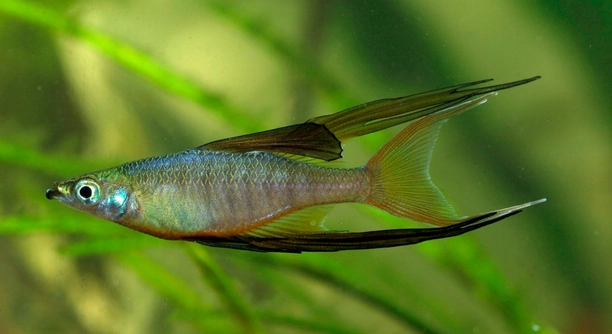
Do you ever notice your Threadfin Rainbowfish suddenly darting around the tank, looking startled by sounds you barely hear? These small, colorful fish are surprisingly sensitive to noises in their environment. Understanding these triggers helps keep them calm.
Threadfin Rainbowfish are particularly sensitive to abrupt or loud sounds such as clattering, tapping, or sudden movements near the tank. Such noises can cause stress, alter their swimming patterns, and affect feeding behavior, highlighting the importance of maintaining a quiet environment.
Learning which common sounds startle them can improve tank management and support their well-being in home aquariums.
Loud Clattering or Dropped Objects
A sudden clatter near the tank can startle Threadfin Rainbowfish instantly. Their small size and delicate nature make them highly aware of vibrations and sharp noises. Even if the sound comes from across the room, these fish may dart to the bottom of the tank or hide behind decorations. This reaction is a stress response, and repeated disturbances can affect their health over time. Many fish owners notice that even minor accidents, like a dropped glass or a banging cupboard, trigger frantic swimming or freezing in place. Their sensitivity is partly due to their natural habitat in slow-moving streams and rivers, where sudden disturbances may signal danger. Keeping the area around the tank quiet and handling objects gently can prevent unnecessary stress. It also helps to place the tank in a low-traffic area of the home. Over time, fish become calmer when noises are minimized and daily routines remain consistent.
Threadfin Rainbowfish react strongly to sudden clattering, making quiet handling near the tank essential to avoid stress.
Reducing sudden noises near your aquarium allows your fish to swim confidently without fear or hesitation.
Vibrations from Appliances
Threadfin Rainbowfish often respond to vibrations caused by nearby appliances, such as washing machines or blenders. These vibrations transmit through walls or floors and can unsettle the fish, causing erratic swimming. It’s important to place tanks on sturdy stands that absorb some of this energy, minimizing disturbances.
Continuous exposure to these vibrations can affect feeding and overall behavior. Fish may avoid certain areas of the tank or appear lethargic when nearby appliances are running. Even gentle hums from refrigerators or heaters can be noticeable to their sensitive perception. Choosing a location away from heavy appliances helps reduce this issue. Additionally, placing foam pads or vibration-absorbing mats beneath the tank can lessen the intensity of the transmitted movements. Monitoring your fish’s behavior during appliance use gives insight into which machines may be disturbing them the most. By managing these factors, you create a calmer and more stable environment, supporting their natural behaviors. This attention allows Threadfin Rainbowfish to thrive while avoiding unnecessary stress. Proper placement and consistent care result in healthier, more relaxed fish in a home aquarium.
Sudden Tapping on the Glass
Tapping on the aquarium glass makes Threadfin Rainbowfish jump and swim frantically. Even light knocks can scare them, as vibrations travel through the water quickly. Avoid tapping or knocking near the tank to maintain calm and stable conditions.
Repeated tapping stresses the fish and can alter their normal routines. Threadfin Rainbowfish may hide behind plants or decorations, reduce feeding, or swim erratically. Over time, this stress may weaken their immune system, making them more prone to illness. The fish perceive tapping as a potential threat, even if unintentional, and their natural instinct is to react quickly to avoid danger. Keeping hands and objects away from the glass helps reduce anxiety. Observing these fish during daily care shows how sensitive they are to even minor disturbances. Simple measures, like gently cleaning the tank without tapping, make a noticeable difference in their comfort.
Even low-level, repeated taps can affect growth and social behavior. Maintaining a quiet touch near the tank allows fish to swim naturally and feed without interruption.
Loud Conversations Nearby
Threadfin Rainbowfish are easily startled by raised voices or loud talking near the tank. Their sensitive hearing picks up sounds humans barely notice, triggering stress responses.
Constant loud conversation around the aquarium can make the fish uneasy. They may stay near the bottom, avoid swimming freely, or hide among decorations. Over time, this can impact feeding habits and social interactions, as stressed fish are less active and may miss opportunities to feed properly. Their natural instinct is to remain alert to potential threats, and human noise is interpreted as disturbance. Placing the tank in a quieter area or keeping talking at a low volume nearby can help. Observing changes in their behavior during conversations provides insight into which levels of noise are most disruptive. Creating a calm environment encourages normal swimming patterns and supports their overall health. Managing sound levels allows Threadfin Rainbowfish to feel secure and maintain regular activity, improving their quality of life.
Footsteps Near the Tank
Heavy or fast footsteps near the tank can unsettle Threadfin Rainbowfish. The vibrations travel through the floor and stand, making them swim quickly or hide. Keeping movement gentle around the aquarium helps them stay relaxed and feel secure.
Even light pacing can create ripples and sudden movements in the water. Fish may pause swimming or dart to corners in response. Maintaining a calm environment around the tank reduces stress and encourages normal behavior, feeding, and interaction with other fish.
Closing Doors Abruptly
Sudden slamming of doors near the aquarium causes vibrations that startle Threadfin Rainbowfish. Their acute sensitivity makes them react quickly to these disturbances.
Even small, sharp noises can trigger panic swimming. Fish may hide behind plants or decorations for extended periods. Consistently loud door movements create an anxious environment, affecting both their physical and mental well-being. Minimizing abrupt sounds ensures they can swim freely without fear, supporting healthier behavior and feeding habits.
Handling Equipment Noisily
Noisy equipment adjustments, like moving filters or siphons roughly, alarm Threadfin Rainbowfish. Gentle handling reduces sudden stress.
How can I tell if my Threadfin Rainbowfish is stressed by sounds?
Threadfin Rainbowfish show clear signs of stress when exposed to sudden or loud noises. They may dart around the tank, freeze in place, or hide behind decorations. Reduced feeding and unusual swimming patterns are also common indicators. Paying close attention to these behaviors after a disturbance helps you identify triggers and adjust the environment.
What are the most common sounds that scare them?
Loud clattering, dropped objects, tapping on the glass, and abrupt slamming of doors are frequent causes of stress. Vibrations from appliances, footsteps, and raised voices near the tank also unsettle them. Even small, continuous noises like a humming refrigerator can make sensitive fish uneasy over time. Minimizing these disturbances is essential for maintaining their well-being.
Is tank placement important for reducing noise stress?
Yes, the location of the tank plays a major role in noise management. Placing it on a sturdy, vibration-absorbing stand in a quieter room reduces exposure to foot traffic, loud conversations, and household appliances. Avoid areas with frequent slamming doors or heavy activity. The more stable the surroundings, the calmer your fish will be.
Can decorations help reduce stress?
Adding plants, rocks, and hiding spots gives Threadfin Rainbowfish places to retreat when startled. Dense or tall decorations near the back and sides of the tank create a sense of security. Hiding spots let them escape from perceived threats while maintaining normal swimming patterns in open areas. Balanced decor improves their comfort and reduces chronic stress.
Should I move the tank if noise is unavoidable?
If the room is consistently loud, consider relocating the aquarium. Choosing a low-traffic area with minimal vibration improves fish behavior and health. Even small adjustments, like placing mats under the stand or adding sound-absorbing materials around the tank, can reduce the impact of unavoidable household noises.
Do Threadfin Rainbowfish react differently to sudden versus continuous noise?
Sudden noises usually trigger immediate panic reactions, such as rapid swimming or hiding. Continuous background noise can cause chronic stress, resulting in lethargy, reduced appetite, and avoidance of open areas. Both types of noise affect their behavior, but prolonged exposure is more harmful to long-term health. Monitoring responses helps manage these effects.
How can I safely clean the tank without scaring them?
Gentle movements during cleaning are key. Avoid tapping the glass or making loud splashes. Prepare all equipment beforehand to reduce handling time. Slowly adjusting filters, siphons, or water changes while keeping noise minimal helps Threadfin Rainbowfish stay calm and continue normal feeding and swimming behaviors.
Do household vibrations from appliances really affect them?
Yes, vibrations from washing machines, blenders, or even loud vacuuming travel through floors and walls, disturbing sensitive fish. Using a sturdy stand and placing foam pads beneath the tank can reduce transmitted vibrations. Observing how your fish behave during appliance use helps identify which machines create the most stress.
Can regular exposure to mild noise help them adapt?
Gradual exposure to predictable, mild sounds can sometimes reduce overreaction. However, it must be consistent and non-threatening. Sudden, loud, or erratic noises should always be avoided. The goal is to maintain a calm environment where fish feel secure, minimizing stress and supporting overall health.
Are there long-term effects of repeated noise stress?
Repeated noise stress can weaken the immune system, reduce feeding, alter growth, and affect social interactions with other fish. Chronic stress may also cause erratic swimming patterns and decrease their lifespan. Taking steps to reduce sudden and continuous noises preserves both their physical and behavioral health in home aquariums.
This FAQ provides practical ways to understand and manage noise-related stress, helping Threadfin Rainbowfish remain calm, active, and healthy. Observing behavior closely and adjusting the environment ensures a more comfortable habitat.
Threadfin Rainbowfish are delicate and sensitive creatures that respond quickly to changes in their environment. Even small sounds, like tapping on the tank or footsteps nearby, can startle them and make them swim erratically or hide for long periods. Understanding how they perceive noise is important for anyone keeping these fish. Unlike some other species, they are naturally alert and cautious, which is part of their charm. Their reactions are not random—they are instincts designed to keep them safe. By minimizing sudden disturbances and maintaining a calm, consistent environment, you help them feel secure and encourage natural swimming and feeding behaviors. Creating a stable habitat is one of the simplest ways to ensure their health and happiness.
Many everyday household activities can unintentionally stress Threadfin Rainbowfish. Dropped objects, slamming doors, or vibrations from appliances are examples of common sounds that affect them. Even seemingly minor sounds, like conversations or gentle footsteps, can be disruptive over time. Stress in fish is cumulative, meaning repeated exposure to these disturbances can affect feeding, growth, and overall well-being. Providing hiding spots, decorations, and plants gives them areas to retreat when they feel threatened, helping to reduce anxiety. Choosing a quiet location for the tank and using sturdy, vibration-absorbing stands are also effective ways to minimize stress. Observing their behavior closely allows you to identify which environmental factors have the most impact, so you can make small adjustments that create a calmer atmosphere. These changes can make a significant difference in the comfort and health of your fish.
Maintaining a peaceful environment for Threadfin Rainbowfish is not difficult, but it requires attention and care. Consistently reducing sudden or loud noises, monitoring how the fish respond, and providing a safe, stable tank setup ensures they can thrive. Gentle handling during tank cleaning or maintenance prevents unnecessary stress. Over time, fish become more comfortable and display normal behaviors, including active swimming, healthy feeding, and social interaction with other tank mates. Understanding their sensitivity to sound helps create a home aquarium that supports both physical and mental health. With careful observation and simple adjustments, you can help your Threadfin Rainbowfish live in a calm and secure environment where they feel safe and can fully display their natural colors and behaviors.

Hello,
If you enjoy the content that we create, please consider saying a "Thank You!" by leaving a tip.
Every little bit helps us continue crafting quality advice that supports the health, happiness, and well-being of pets around the world, for pets of all shapes, sizes, and species.
We really appreciate the kindness and support that you show us!