
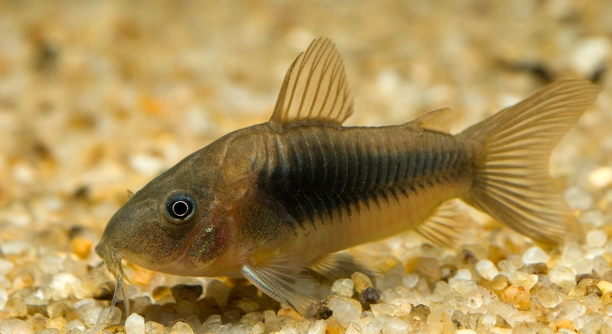
Feeding Corydoras catfish can be a bit tricky, especially when it comes to making sure they get the right amount of food without overfeeding or underfeeding. This article will offer simple tips to make feeding time easier.
One effective way to make feeding Corydoras catfish easier is by providing sinking pellets or food that stays at the bottom of the tank. Corydoras are bottom feeders, so they prefer food that settles near the substrate where they naturally forage.
By adjusting feeding habits and using the right foods, you can simplify the process and keep your fish healthy. These tips will help improve their feeding routine and make it easier for both you and your catfish.
Provide a Consistent Feeding Schedule
Corydoras catfish thrive on routine, and this includes feeding time. By offering food at the same time each day, your catfish will learn when to expect their meals, reducing stress and ensuring they eat regularly. A consistent schedule also helps you monitor their eating habits and avoid overfeeding.
Feeding them at regular intervals prevents excess food from decaying in the tank, which can lead to poor water quality. Establishing this routine will allow your fish to feel more secure, as they will know when it’s time to eat.
A set feeding schedule also makes it easier for you to observe your catfish and track their health. You’ll notice if they’re eating well or if any adjustments need to be made, such as changing the food type or adjusting the amount. Over time, this consistency helps keep your catfish happy and reduces the chances of any feeding-related issues.
Use the Right Type of Food
Not all fish food is created equal. Corydoras catfish have specific dietary needs that you can meet with the right food choices.
Sinking pellets and wafers are best suited for Corydoras. These foods sink to the bottom, making it easier for them to feed without competing with surface-dwelling fish. It’s important to select food that matches the size of the fish and their mouth, as smaller pellets are often more suitable for young or smaller catfish.
Additionally, feeding them a variety of foods, like freeze-dried worms or live brine shrimp, helps ensure they get a balanced diet. However, avoid overfeeding, as this can lead to uneaten food settling at the bottom and causing water quality problems. By using sinking food and varying their diet, you’re making feeding time easier and more nutritious for your catfish.
Monitor Food Intake Carefully
It’s easy to overfeed Corydoras catfish, especially since they tend to forage even after they’ve had enough. Keep track of how much food you’re giving them. Excess food can lead to poor water quality and health issues.
When you feed your catfish, only offer enough food that they can eat within 2-3 minutes. If there’s leftover food, remove it to prevent the water from becoming polluted. It’s important to watch them closely during feeding time to make sure they’re consuming what you’ve provided, but also to avoid unnecessary waste.
By being mindful of their food intake, you can ensure your catfish stay healthy without creating an imbalance in the tank. This also makes it easier for you to maintain a clean, safe environment, reducing the need for frequent water changes. Monitoring food intake is key to keeping both your catfish and their habitat in good shape.
Consider Tankmates
Corydoras catfish usually get along well with most tankmates, but other fish species might interfere during feeding time. Larger or more aggressive fish can outcompete them for food.
To avoid this issue, place sinking food near the bottom of the tank, where your Corydoras can easily access it. If you have more dominant fish, you might need to isolate them temporarily while the catfish feed. This way, everyone gets a fair chance at eating without stress.
Keep in mind that Corydoras are peaceful and don’t typically fight for food, so providing them with a quiet and separate space during mealtime can reduce stress for both you and the fish. This ensures your catfish get their share and prevents them from missing out.
Use Feeding Tools
Feeding tools like feeding rings or specialized trays can help control how much food your Corydoras get. These tools prevent the food from floating away or spreading all over the tank.
Feeding rings create a designated area for your catfish to eat. This reduces competition for food from other fish and helps keep the tank clean by containing the food in one spot. It also makes sure your catfish can reach the food without too much struggle.
Using these tools keeps feeding time organized and ensures your Corydoras get enough food without waste. It also makes it easier to clean up after they’re done eating.
Avoid Overcrowding
Overcrowding the tank with too many fish can lead to more competition during feeding time, making it harder for Corydoras to get their share.
When setting up your tank, ensure there’s enough space for your fish to feed comfortably. Overcrowding can stress your fish, which negatively impacts their health and feeding habits. Proper space encourages a calmer feeding routine.
Feed During the Quiet Hours
Feeding your Corydoras during quieter moments can make feeding time smoother. They’re more likely to find their food and eat without distractions.
Try feeding them early in the morning or when the tank is less active. This gives them a better chance to enjoy their meal without competing for food from faster or more aggressive tankmates.
FAQ
What is the best food for Corydoras catfish?
Corydoras catfish are bottom feeders, so sinking pellets or wafers are usually the best food for them. They prefer food that stays near the bottom of the tank, making it easier for them to access. Additionally, freeze-dried foods like bloodworms or brine shrimp are good occasional treats. Variety is important to keep them healthy, but avoid overfeeding. A mix of sinking pellets and occasional live or frozen foods will ensure they receive a balanced diet.
How often should I feed my Corydoras catfish?
You should feed your Corydoras once or twice a day. They don’t need large amounts of food at once, as they are small fish. Offering them a small portion they can eat in about 2-3 minutes is ideal. Avoid leaving uneaten food in the tank, as it can pollute the water. Regular feedings at the same time each day help establish a routine and keep your fish happy.
Can Corydoras eat flake food?
Corydoras can eat flake food, but it’s not their preferred option. Since they are bottom dwellers, they are better suited for sinking foods. Flake food tends to float on the surface, which makes it harder for them to access. If you do use flakes, make sure to sink them into the tank or provide sinking pellets alongside them.
Do Corydoras need live food?
Corydoras don’t necessarily need live food, but they do enjoy it as a treat. Live foods like brine shrimp, daphnia, or worms are an excellent source of nutrients and mimic their natural diet. However, it’s not essential to feed them live food regularly. A well-balanced diet of sinking pellets, occasional frozen food, and treats is sufficient.
How can I prevent overfeeding my Corydoras catfish?
To prevent overfeeding, only offer small amounts of food that your Corydoras can consume in 2-3 minutes. If food remains in the tank after that time, remove it to avoid water quality issues. It’s easy to overfeed when you see them eagerly eating, but controlling portions will help maintain their health and the cleanliness of your tank. Keeping a consistent feeding schedule also helps prevent overfeeding.
Should I remove uneaten food from the tank?
Yes, you should remove any uneaten food from the tank. Leftover food can quickly decay and affect water quality, leading to harmful bacteria growth. Uneaten food also contributes to excess nutrients in the water, which can cause algae problems. If there’s leftover food after feeding, use a net or siphon to remove it from the tank.
What is the best tank temperature for Corydoras catfish?
Corydoras prefer water temperatures between 72°F and 78°F (22°C to 26°C). Keeping the water within this range helps them stay active and healthy. Water that’s too cold or too warm can stress them out and affect their ability to eat. Make sure to use a reliable heater to maintain a steady temperature.
Can Corydoras eat vegetables?
Yes, Corydoras can eat vegetables, but they should be given as an occasional treat. Vegetables like zucchini, spinach, and peas can be offered after blanching them to make them soft. These veggies provide extra nutrients and variety to their diet. However, their main diet should consist of sinking pellets and occasional protein-based foods.
Do Corydoras need hiding spots in the tank?
Yes, Corydoras like to have hiding spots in the tank. Providing caves, plants, or rocks helps them feel secure. While they are social fish, they can sometimes need a little break from the group. Hiding spots give them a place to rest or retreat if they feel stressed or threatened.
How can I tell if my Corydoras catfish is healthy?
Healthy Corydoras catfish are active, swim with ease, and forage along the bottom of the tank. They should have smooth, vibrant skin without any discoloration or visible wounds. Watch for signs like loss of appetite, lethargy, or unusual behavior, which could indicate health problems. Also, observe their gills for excessive breathing or signs of distress. Regular water changes and a clean environment play a big role in their overall health.
Final Thoughts
Feeding Corydoras catfish doesn’t have to be complicated, but it does require some attention to detail. By following a consistent feeding schedule, you can make sure your fish get the proper nutrition without overfeeding or underfeeding them. Corydoras are bottom feeders, so providing food that sinks to the bottom of the tank is essential for their well-being. It’s also important to monitor their food intake to avoid waste, which can lead to poor water quality and health issues for your fish.
In addition to regular feeding, consider the other factors that can affect feeding time, such as tankmates and water quality. Corydoras do best in peaceful tanks, where they aren’t competing for food with more aggressive fish. You can help make feeding time easier by using feeding rings or other tools that allow them to eat without interruption. Also, removing any uneaten food promptly will help keep the tank clean and prevent the buildup of harmful substances that could harm your fish.
Finally, remember that variety is key when feeding your Corydoras. While sinking pellets should be the base of their diet, offering occasional treats like live or frozen food can provide them with the necessary nutrients they need to stay healthy. By keeping their feeding routine balanced and stress-free, you’ll ensure that your Corydoras thrive in their tank for years to come. A healthy feeding routine not only supports your fish’s physical health but also enhances their overall well-being, making for a happy, thriving aquarium.

Hello,
If you enjoy the content that we create, please consider saying a "Thank You!" by leaving a tip.
Every little bit helps us continue crafting quality advice that supports the health, happiness, and well-being of pets around the world, for pets of all shapes, sizes, and species.
We really appreciate the kindness and support that you show us!