
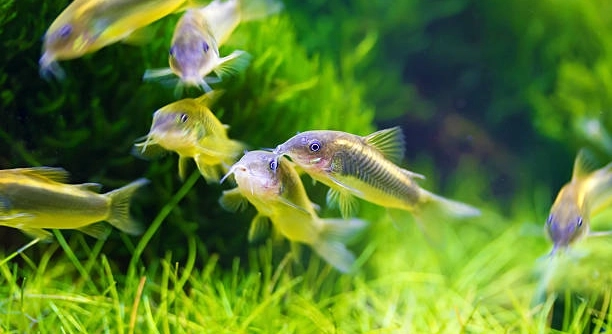
Corydoras catfish are an excellent choice for beginner aquarium enthusiasts. Their easy-going nature and simple care requirements make them a popular choice for new fish keepers. They can adapt to various environments and are compatible with other species.
Corydoras catfish are perfect for beginners due to their peaceful temperament, low-maintenance care, and adaptability to various water conditions. They are also small in size, making them ideal for smaller aquariums. Their social behavior makes them easy to observe and enjoy.
Corydoras catfish are a great addition to any aquarium. Their friendly behavior and simple care needs make them an excellent choice for new fish owners. Learn more about how they can enhance your aquarium experience.
Low-Maintenance Care
Corydoras catfish are low-maintenance fish, making them a fantastic option for beginners. They don’t require complex feeding schedules or special water conditions. Regular tank cleaning, a balanced diet, and occasional water changes are usually enough to keep them healthy. These fish also don’t grow too large, which reduces the need for a bigger tank. In fact, they thrive in smaller spaces, making them perfect for those who have limited space for a fish tank. This simplicity in care ensures that even those new to fishkeeping can enjoy having them without stress.
They are hardy fish, capable of adjusting to various water types. Corydoras do well in soft or hard water, and their tolerance for a range of pH levels gives you flexibility in tank setup. Their ability to adapt to different conditions makes them even easier to care for.
With their peaceful nature and easy care, Corydoras catfish are a great choice for anyone looking to start keeping fish. They require less attention compared to many other species, but still offer a rewarding experience as they thrive in their tank.
Social and Active Nature
Corydoras catfish are naturally social creatures that thrive in groups. Keeping them in schools of at least three to six fish promotes healthier and happier behavior. When kept in a group, they feel secure and are more active, constantly swimming and interacting with one another. This social nature is part of what makes them such a delight to observe.
Their playful movements and collective foraging behavior are entertaining to watch. Corydoras often scurry around the tank, searching for food, and occasionally resting at the tank’s bottom, creating a calm yet active atmosphere. Their interactions with each other provide an engaging display for new fish owners.
Their peaceful disposition also makes them compatible with many other types of fish. Corydoras are non-aggressive, so they won’t disrupt the balance of a community tank. Their calm presence helps keep the environment relaxed for both them and the other species sharing the tank.
Easy Feeding Routine
Corydoras catfish are not picky eaters, which makes feeding them easy. They will readily accept a variety of foods, including pellets, flakes, and frozen or live foods like bloodworms and brine shrimp. Their small size allows them to eat smaller portions, which simplifies feeding.
While they are not demanding when it comes to diet, it’s essential to feed them regularly. Offering food once or twice a day is enough for them to stay healthy. They will also scavenge the bottom of the tank for leftover food, reducing waste and ensuring they get additional nutrients. It’s best to avoid overfeeding, as this can lead to water quality issues.
The variety in their diet keeps them healthy and engaged. Corydoras will enjoy different types of food, and giving them a balanced diet ensures they stay active and vibrant. Regular feeding routines make it easy for new fish keepers to care for them.
Adaptability to Different Tank Sizes
Corydoras catfish are adaptable to a wide range of tank sizes, making them ideal for smaller aquariums. They thrive in tanks as small as 10 gallons, but a 20-gallon tank gives them even more room to swim and explore. Their small size and low-maintenance needs make them a flexible choice.
They do well in a variety of setups, whether it’s a simple tank with gravel or a more elaborate one with plants and decorations. Corydoras are bottom dwellers, so providing them with plenty of hiding spots is essential. This gives them a secure place to rest when they are not swimming.
Even with their small size, they need a tank with proper filtration to maintain clean water. Their peaceful nature makes them compatible with many species in community tanks. They won’t disrupt the environment, allowing other fish to thrive as well. Their ability to adapt to different tank sizes and setups makes them an ideal fish for many aquarium styles.
Low-Stress Environment
Corydoras catfish thrive in a low-stress environment. They are peaceful and non-aggressive, making them ideal for community tanks. Their calm nature helps them adapt well to different water conditions, reducing the stress placed on them. This makes them easy to care for.
They are bottom dwellers and prefer to have some hiding spots in the tank, where they can feel secure. Substrate like sand or fine gravel is ideal for them, as it allows them to sift through it in search of food. Keeping their environment quiet and peaceful will reduce any stress, helping them thrive.
Easy Breeding
Corydoras catfish are relatively easy to breed compared to other aquarium species. When kept in proper conditions, they often breed on their own. A good way to encourage breeding is to maintain a slightly cooler water temperature, which mimics the rainy season in their natural habitat.
The female lays eggs on plants or decorations, which are then fertilized by the male. After hatching, the baby fish are quite small but grow quickly under good care. Offering food like finely crushed flakes or baby brine shrimp will support their growth and development. Corydoras are excellent breeders, making them a rewarding species to raise.
Disease Resistance
Corydoras catfish are known for their strong immunity, which makes them less susceptible to diseases. Their resilience is an advantage for beginners, as it reduces the chances of health problems when properly cared for. Good water quality and a balanced diet are key.
FAQ
What do Corydoras catfish eat?
Corydoras catfish are not picky eaters. They enjoy a variety of foods, including high-quality pellets, flakes, and live or frozen food such as bloodworms, brine shrimp, and daphnia. They are also scavengers and will forage for food on the substrate. It’s important to feed them a balanced diet to keep them healthy. Offering food once or twice a day is enough, but avoid overfeeding to prevent water quality issues. Additionally, make sure the food sinks, as Corydoras are bottom dwellers and prefer to eat off the tank floor.
Do Corydoras catfish need a lot of space?
Corydoras catfish are small and don’t require a large tank, but they do need enough space to swim and explore. A minimum of a 10-gallon tank is usually recommended for a small group of Corydoras. However, a 20-gallon tank provides more room and better water stability. When keeping multiple Corydoras, it’s best to have at least three to six fish, as they are social animals. A larger tank allows them to express natural behaviors and reduces stress, which is important for their overall health.
Can Corydoras live with other fish?
Yes, Corydoras catfish are peaceful and can live with many other species. They do well in community tanks, as long as the other fish are not aggressive or too large. Corydoras are bottom dwellers, so they generally stay away from fish that occupy the upper and mid-levels of the tank. They can share their space with species such as tetras, guppies, and peaceful livebearers. Avoid keeping them with fin-nipping or aggressive fish, as this can stress them out.
What water conditions do Corydoras catfish need?
Corydoras catfish are quite adaptable and can tolerate a range of water conditions. They do best in soft to moderately hard water with a pH between 6.0 and 8.0. The ideal water temperature for Corydoras is between 72°F and 78°F (22°C to 26°C). While they can handle some fluctuations, it’s essential to maintain stable water conditions to keep them healthy. Good filtration and regular water changes are key to ensuring that the water stays clean and oxygenated.
How do I keep my Corydoras catfish healthy?
To keep Corydoras catfish healthy, provide them with a clean tank, a varied diet, and suitable water conditions. Regular water changes are important, as they help maintain water quality. Corydoras are sensitive to poor water conditions, so it’s important to check parameters regularly. Use a gentle filter to avoid strong currents, as these fish prefer calm waters. Offering them a varied diet with high-quality food ensures they get the necessary nutrients. Also, ensure they have plenty of hiding spots and soft substrates to explore.
Why are my Corydoras catfish staying at the surface?
If your Corydoras are staying at the surface of the tank, it could be a sign of poor water quality or low oxygen levels. Corydoras are bottom dwellers and generally prefer to stay close to the substrate. However, if they are struggling to breathe, they may seek the surface for more oxygen. Check your water parameters, particularly oxygen levels, and perform a water change if needed. If the issue persists, consider adding an air stone to increase oxygenation or improving tank filtration.
How can I tell if my Corydoras catfish are breeding?
When Corydoras catfish are breeding, you’ll notice a few key behaviors. The male will chase the female around the tank, and once he has her attention, he will nudge her belly to encourage egg-laying. The female will then lay eggs on surfaces like plants, decorations, or the glass. Afterward, the male fertilizes the eggs. You may see a more active or territorial behavior from the males during this time. If breeding is successful, you’ll eventually see the tiny baby Corydoras swimming around the tank.
Do Corydoras catfish require special tank decorations?
Corydoras catfish don’t need any special decorations, but they do appreciate a tank with plenty of hiding spots. Using soft plants, caves, or rocks will help create a natural environment for them. Corydoras are bottom dwellers, so using a fine substrate like sand or small gravel is ideal for them to sift through in search of food. Avoid using sharp-edged substrates, as they can damage the fish’s sensitive barbels. A well-planted tank also provides them with places to hide and feel secure, especially when they are resting.
Can Corydoras catfish live with shrimp or snails?
Yes, Corydoras catfish can live with both shrimp and snails. In fact, they are often found coexisting peacefully with these species in aquariums. Corydoras won’t bother shrimp or snails, as their diet primarily consists of detritus and small food particles that fall to the bottom. Snails, particularly species like nerite snails, can help keep the tank clean by eating algae. However, ensure that the shrimp species you choose are not too small, as Corydoras may accidentally disturb them while scavenging for food.
How long do Corydoras catfish live?
Corydoras catfish typically live for 5 to 7 years, though some may live longer with proper care. Providing them with a stable environment, regular water changes, and a balanced diet will help extend their lifespan. Keeping water quality high and preventing stress are essential factors in their longevity. Be sure to monitor for any signs of illness, such as changes in behavior or appearance, and address any issues quickly. Healthy Corydoras catfish will be active and social, enjoying their time in the tank for many years.
Final Thoughts
Corydoras catfish make excellent fish for beginners due to their peaceful nature, adaptability, and ease of care. Their small size, social behavior, and simple care requirements make them ideal for new aquarium owners. These fish thrive in well-maintained tanks and can live peacefully with many other species. Their ability to handle a range of water conditions also makes them suitable for various aquarium setups, whether you are a beginner or have some experience. As long as their basic needs are met, Corydoras catfish will remain healthy and active.
While Corydoras are relatively easy to care for, it is essential to provide them with the right environment. They prefer soft, clean substrate like sand or fine gravel and need hiding spots in their tank. Corydoras are bottom dwellers, so a well-maintained tank with proper filtration is important. The water temperature should be kept between 72°F and 78°F, and regular water changes are necessary to keep the tank’s conditions stable. A varied diet, including pellets, flakes, and occasional live or frozen foods, ensures that they get the nutrients they need to stay healthy.
If you want to keep Corydoras catfish in your aquarium, it’s important to remember that they are social creatures and should be kept in groups. A small group of at least three to six fish will allow them to exhibit natural behaviors and feel secure. These catfish are known for their playful and peaceful nature, making them a joy to watch in any aquarium. With the right care, Corydoras catfish can live for several years, offering both beginners and experienced aquarium owners a rewarding and low-maintenance experience.

Hello,
If you enjoy the content that we create, please consider saying a "Thank You!" by leaving a tip.
Every little bit helps us continue crafting quality advice that supports the health, happiness, and well-being of pets around the world, for pets of all shapes, sizes, and species.
We really appreciate the kindness and support that you show us!