
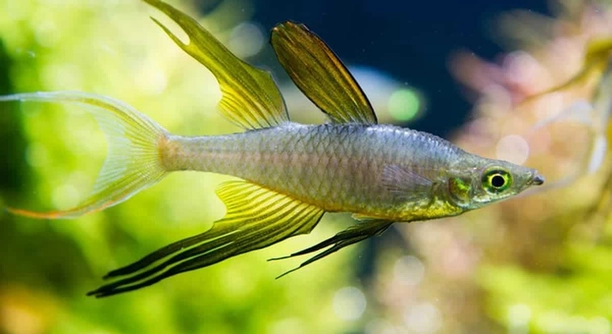
Do you ever feel overwhelmed trying to keep your threadfins comfortable during water changes, worrying that even small shifts might unsettle their delicate balance and leave them stressed in their carefully maintained aquarium?
Making water changes less stressful for threadfins involves consistency, patience, and gentle techniques. Simple adjustments such as gradual water replacement, stable parameters, and careful handling help reduce anxiety. These methods promote better health and create a calmer environment for your fish.
By exploring these practical strategies, you can ease the process and ensure your threadfins remain healthy and thriving during every water change.
Gradual Water Replacement
Threadfins are sensitive fish that respond best to slow and steady changes in their environment. When replacing water, it is important to avoid sudden shifts that can shock them. A gradual process allows their bodies to adjust to new conditions without unnecessary stress. Start by removing a small percentage of water at a time and slowly introducing clean, conditioned water. This technique helps maintain stability in temperature and chemistry, which is essential for their delicate systems. By using a siphon or drip method, you can control the pace and avoid disturbances in the tank. Threadfins thrive when consistency is prioritized.
A gradual replacement process not only protects threadfins but also keeps beneficial bacteria in balance, ensuring the tank remains a stable ecosystem for all inhabitants.
Using this approach regularly will reduce health issues and help your fish remain calm. It also makes maintenance feel less stressful for you as the caretaker.
Maintain Stable Water Parameters
Consistency in water parameters is one of the most effective ways to keep threadfins stress-free during water changes. Even slight fluctuations in temperature, pH, or hardness can impact their comfort and health.
When preparing replacement water, always match it closely to the tank’s current conditions. Test for pH, temperature, and hardness before adding it, and make adjustments if needed. Using a reliable water conditioner to neutralize chlorine or harmful chemicals is another key step. Threadfins have delicate systems that react strongly to instability, so maintaining equilibrium is essential. In larger tanks, stability becomes even more important, as bigger environments rely on carefully balanced ecosystems to function well. Avoid rushing the process; pour the new water in slowly to prevent sudden disturbances. Over time, these consistent efforts not only support the health of your threadfins but also make each water change easier, allowing you to care for them with greater confidence and less stress.
Handle with Care
Threadfins are delicate fish that become easily stressed by sudden movements or direct contact. When performing water changes, avoid chasing or disturbing them unnecessarily. Keep actions slow and controlled to minimize anxiety and maintain a calmer environment during the process.
Using a siphon carefully without stirring too much debris helps prevent threadfins from becoming unsettled. If equipment needs to be placed inside the tank, move it gently and avoid making loud splashes. The less disruption they feel, the more secure they will remain. Patience is key when working around them, as even subtle stress can affect their health over time. Handling with care ensures they maintain their natural behavior and reduces the risk of injury or unnecessary agitation during routine maintenance.
This careful approach also benefits the aquarium as a whole. Other tank mates will respond positively to calm handling, and plants or decorations remain undisturbed. Ultimately, gentle practices create a balanced, peaceful environment where all fish, especially threadfins, can thrive without fear each time water changes take place.
Consistent Routine
Threadfins feel more secure when water changes are done on a consistent schedule. Predictable patterns reduce stress because the fish adapt to the routine and adjust more easily to small, controlled shifts in their habitat.
Establishing a weekly or bi-weekly routine ensures stability in water quality and lessens the risk of sudden parameter spikes. Keeping changes regular also prevents the buildup of waste or toxins, which could harm threadfins if neglected. A set schedule benefits both you and your fish, making tank maintenance more manageable. Pairing consistent timing with proper methods creates harmony and predictability in the aquarium.
By sticking to this steady rhythm, threadfins remain healthier and display more natural behaviors. You will also notice that their colors and activity levels improve, showing clear signs of comfort in their environment. This consistency fosters trust between you and your fish, as they experience fewer surprises and thrive in the stability you provide through careful planning and routine care.
Use Proper Equipment
Using the right equipment makes water changes smoother and less stressful. A siphon with a gentle flow prevents sudden turbulence, while a bucket reserved only for aquarium use avoids contamination from soap or chemicals.
A water conditioner is equally important. It neutralizes harmful substances like chlorine, protecting threadfins from sudden exposure. Combining proper tools with careful handling ensures a safer, calmer process every time.
Monitor Fish Behavior
Observing threadfins during and after water changes provides useful insight into their comfort levels. If they dart around or hide excessively, it may indicate stress or discomfort. Calm, steady swimming usually means the process is going smoothly and without issue.
Avoid Overcleaning
Overcleaning can remove beneficial bacteria and disrupt the balance threadfins rely on. It is better to clean moderately and maintain stability than to sterilize the tank. This approach keeps the ecosystem healthy and reduces stress for the fish.
FAQ
How often should I change the water for threadfins?
Water changes should be done once a week or at least every two weeks, depending on tank size and stocking levels. Threadfins thrive when their environment remains stable, and regular partial changes help maintain clean, safe water without sudden fluctuations that cause stress.
How much water should be changed each time?
Changing 20–30 percent of the water at a time is ideal for threadfins. This amount is enough to refresh the tank and remove waste while keeping the overall environment stable. Larger changes can shock the fish, so smaller, consistent adjustments are safer.
Can threadfins handle larger water changes occasionally?
Yes, but only if done carefully. In emergencies such as ammonia spikes, larger water changes may be necessary. However, it is best to match temperature and parameters closely to avoid shock. Gradual adjustments are always safer for sensitive fish like threadfins.
Why do threadfins get stressed during water changes?
Threadfins become stressed when parameters change too quickly or when their environment is disrupted. Fast movements, sudden temperature differences, or removing too much water at once can overwhelm them. Their sensitivity makes slow, steady handling essential for maintaining calmness during routine maintenance.
What temperature should replacement water be?
Replacement water should match the tank’s temperature as closely as possible, ideally within one degree. Even small shifts can stress threadfins, leading to erratic swimming or health issues. Always test the water before adding it to avoid unnecessary risks to their delicate systems.
Do threadfins need a water conditioner?
Yes, a conditioner is important. Tap water usually contains chlorine and other chemicals that can harm fish. Using a water conditioner neutralizes these substances, making the water safe for threadfins. Skipping this step may expose them to dangerous toxins and weaken their health.
Can I clean decorations and plants during a water change?
Yes, but it should be done gently. Avoid scrubbing everything at once, as this can disturb beneficial bacteria. Rinse decorations in removed tank water rather than tap water, which helps preserve the ecosystem balance while keeping the aquarium cleaner for threadfins.
How do I know if threadfins are stressed after a water change?
Signs of stress include rapid gill movement, hiding, or erratic swimming. If threadfins remain calm and swim normally, they are adjusting well. Over time, if water changes are done consistently, they will show less reaction and more natural behavior afterward.
Is it okay to vacuum the substrate during water changes?
Yes, substrate vacuuming helps remove uneaten food and waste. However, do not overdo it, as beneficial bacteria also live in the substrate. Light, regular cleaning keeps the tank healthy without disturbing the biological balance that threadfins rely on for stability.
What happens if I skip water changes?
Skipping water changes leads to waste buildup, increased toxins, and unstable parameters. Threadfins may show stress, illness, or reduced activity over time. Consistent care prevents these issues and ensures their long-term well-being, making water changes a necessary part of healthy aquarium maintenance.
Can threadfins adapt to sudden water changes?
They can survive them occasionally, but frequent shocks shorten their lifespan and weaken their immune systems. Threadfins are best kept in stable environments. Gradual changes always protect their health better than sudden shifts, which should only be used in emergencies.
What tools are essential for safe water changes?
A siphon, bucket dedicated to aquarium use, thermometer, and water conditioner are essential. These tools allow you to work gently and keep parameters stable. Avoid household items with chemical residues, as even small traces can harm threadfins’ sensitive systems.
Do threadfins get used to a routine?
Yes, they become accustomed to a predictable schedule. Regular maintenance makes them less likely to hide or panic during water changes. Over time, they recognize the pattern, and their reactions grow calmer, making the process easier for both you and your fish.
Can overcleaning harm threadfins?
Yes, overcleaning removes beneficial bacteria that support a stable ecosystem. Without these bacteria, water chemistry may fluctuate unpredictably, which stresses threadfins. Light cleaning combined with regular partial water changes strikes the right balance between cleanliness and stability in the tank.
Is it safe to use tap water directly?
Not without treatment. Tap water often contains chlorine and metals that harm fish. Always use a conditioner to neutralize harmful substances. If left untreated, threadfins may suffer from gill damage or weakened immunity, making them vulnerable to illness or shortened lifespans.
How long does it take for threadfins to recover from stress?
Recovery time depends on the severity of stress and water stability. Mild stress may pass within hours, while severe stress can take days. Providing calm surroundings, stable conditions, and consistent care helps them recover faster and regain normal behavior.
Should I feed threadfins before or after a water change?
It is best to feed them after. Food can increase waste, and during the water change, it may be disturbed or wasted. Feeding after the process allows threadfins to settle back into comfort while enjoying their meal in a cleaner environment.
What size tank is best for threadfins to reduce stress during water changes?
Larger tanks, generally 20 gallons or more, provide stability and make parameter changes less extreme. In smaller tanks, even slight adjustments can be magnified, causing stress. A spacious, stable tank supports their schooling nature and keeps them healthier during routine care.
Final Thoughts
Caring for threadfins requires patience and consistency, especially when it comes to water changes. These fish are naturally sensitive and thrive best in stable environments where changes are introduced gradually. Every step you take to reduce stress during water changes helps protect their health and well-being. Gentle methods like slow water replacement, using proper equipment, and monitoring their reactions allow you to create a balanced space that feels secure for them. By understanding how delicate threadfins can be, you are more likely to develop habits that make both maintenance and care easier over time. A consistent approach not only supports their immediate comfort but also contributes to their long-term health, ensuring they display their natural beauty and active behavior.
Routine is at the heart of keeping threadfins calm. Establishing a schedule that works for you while keeping their needs in mind builds predictability into their care. Fish respond better when their environment changes in a controlled way, and threadfins are no exception. Sticking to smaller, regular water changes prevents large fluctuations in temperature, pH, or hardness that could unsettle them. Consistency also makes it easier for you as the caretaker since the aquarium remains cleaner and more balanced. Over time, this routine becomes second nature, and you will notice threadfins showing less stress and more natural activity during and after maintenance. It is this sense of harmony between your effort and their comfort that leads to a healthier, more enjoyable aquarium experience.
Reducing stress in threadfins is not only about the technical aspects of water changes but also about creating a calm, stable environment overall. Watching their behavior closely helps you adjust your methods and refine your approach. Small improvements, like avoiding sudden movements or using a conditioner every time, can make a noticeable difference in their response. These practices may seem simple, but their effect on the fish is significant. By staying attentive and consistent, you are building trust and providing a space where your threadfins can thrive. Ultimately, the care you put into water changes reflects directly on their health, appearance, and activity. With steady effort, you can enjoy seeing them flourish, confident that you are providing them with the best conditions possible in their aquatic home.

Hello,
If you enjoy the content that we create, please consider saying a "Thank You!" by leaving a tip.
Every little bit helps us continue crafting quality advice that supports the health, happiness, and well-being of pets around the world, for pets of all shapes, sizes, and species.
We really appreciate the kindness and support that you show us!