
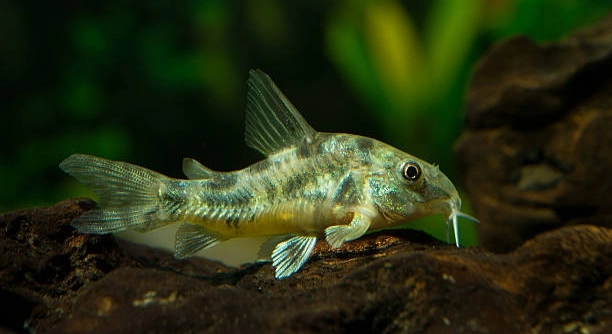
Introducing a Corydoras catfish into a new tank can be a bit tricky. As they adjust to their new environment, it’s important to know if they are feeling safe and comfortable in their new home.
Corydoras catfish show clear signs when they feel safe, such as active swimming, regular feeding, and displaying natural behaviors like hiding in caves or staying close to the substrate. A relaxed demeanor indicates comfort.
These simple indicators will help you monitor your fish’s well-being. Knowing these signs ensures your Corydoras remains healthy as they settle into their new environment.
How Corydoras Catfish React to Stress
When first introduced to a new tank, Corydoras catfish may experience stress. Their natural reaction is to stay near the bottom of the tank and avoid swimming in open spaces. If you notice your fish staying hidden or acting lethargic, this could be a sign of stress. They might also swim erratically or seem disoriented as they adjust. Stress can cause them to stop eating, which can further impact their health. It’s important to ensure the water quality, temperature, and tank conditions are stable to help them feel more at ease.
If they stay hidden for too long or constantly swim erratically, it’s important to address the issue immediately.
Over time, as they get used to their surroundings, they should feel more comfortable and resume normal activities like swimming and eating. A few days to a week is often all it takes for a Corydoras catfish to settle in and adapt.
Water Conditions That Affect Your Fish
Water conditions are vital in determining how safe your Corydoras catfish feels. They thrive in clean, well-filtered water that closely mimics their natural habitat. Check the pH levels, temperature, and hardness of the water regularly. If the water is too warm or too cold, your fish might become stressed. Corydoras prefer temperatures between 72°F and 78°F (22°C-26°C). If the water is too soft or too hard, it can make the fish feel uncomfortable. Poor filtration can also cause water quality to degrade, which adds to their stress levels.
Make sure to maintain the water at the correct levels for your fish’s health.
Consistent water changes and a quality filtration system are key to keeping your Corydoras catfish safe. The cleaner and more stable the environment, the happier your fish will be. This way, they’ll feel more secure in their new tank and display the behavior you’re looking for.
Tank Setup and Hiding Spots
Corydoras catfish feel more secure when they have plenty of hiding spots. Adding decorations like caves, plants, and rocks can help them feel safe. Without these areas, they might feel exposed and stressed.
A well-planted tank with nooks and crannies allows the fish to retreat when needed. Corydoras are naturally bottom-dwelling fish, so they prefer hiding in shaded, lower areas of the tank. The more they can hide, the more comfortable they’ll feel. Be sure to avoid sharp decorations that could hurt their sensitive barbels.
Adding live plants can also help with water quality, which benefits your fish’s health. Corydoras will feel secure when they can swim in and around the plants, using them as hiding spots. This simple setup promotes their well-being, making the transition into their new environment easier.
Feeding Behavior
Feeding is a good way to check if your Corydoras catfish feels comfortable. When they are feeling safe, they will readily eat their food. If they seem hesitant or ignore the food, it could be a sign that they are still adjusting to their new environment.
During the first few days, it’s normal for Corydoras to eat less as they adjust. However, over time, they should start eating more regularly. A healthy Corydoras will actively search for food at the bottom of the tank, where they naturally forage. If your fish is eating, it means they are feeling more secure.
If the fish still seem uninterested in food after several days, the water conditions or stress factors may need to be reassessed. It’s important to monitor their behavior closely to ensure they’re getting the nutrition they need to thrive.
Tankmates and Social Behavior
Corydoras catfish are social fish and feel safer when housed with peaceful tankmates. If there are aggressive fish in the tank, it can cause stress. Ensure that other fish are non-aggressive and won’t disturb the Corydoras.
Tankmates should be chosen carefully to avoid any bullying or competition for food. Corydoras thrive in peaceful community tanks. If they are the only fish or surrounded by aggressive species, they may hide more often or become reclusive.
A balanced environment where Corydoras can interact with other peaceful fish helps reduce stress and makes them feel safer.
Activity Levels and Swimming
When Corydoras catfish feel safe, they will swim actively in search of food. If they are hiding constantly or not moving much, it’s a sign they may be stressed or adjusting.
Monitor their swimming patterns closely. Safe Corydoras will move around the tank calmly, usually staying close to the bottom. They often swim in groups, foraging or interacting with their environment. If they are active and social, it’s a good sign that they are settling in well.
Water Flow
Corydoras prefer a gentle water flow. Strong currents can cause them to feel uncomfortable or stressed. If the water flow is too intense, they may stay in the corners or hide more often.
Ensure the filter is set to low or moderate flow to suit their needs. This will help them feel more at ease in their new environment. Corydoras prefer calm, slow-moving water, which mimics their natural habitat and allows them to swim without exhaustion.
FAQ
How long does it take for Corydoras to adjust to a new tank?
The adjustment period for Corydoras catfish typically takes a few days to a week. During this time, they may hide more often and swim less. If your Corydoras is still hiding after a week, check the water conditions and the behavior of other tankmates.
Some Corydoras are naturally shy, so even after adjusting, they may prefer to stay near the bottom or in hiding spots. It’s important to make sure the tank is set up with plenty of plants and hiding places to help them feel secure.
Can Corydoras get stressed in a new tank?
Yes, Corydoras can experience stress when introduced to a new tank. Stress signs include hiding, erratic swimming, and lack of appetite. It’s important to monitor their behavior closely and ensure the water quality is good.
Water temperature, pH, and hardness must match their preferences to avoid stress. Sudden changes in the environment or the presence of aggressive tankmates can also cause stress. Give your Corydoras time to settle, but if stress continues, adjust the tank environment.
What are signs that my Corydoras is comfortable?
When your Corydoras catfish feels comfortable, it will swim actively, search for food, and interact with other peaceful fish. They often move along the bottom of the tank, using plants or decorations as hiding spots.
Another sign is regular eating. A well-fed Corydoras will actively search for food, even picking through the substrate. If they are swimming confidently and engaging with their environment, it’s a good sign they’re feeling safe.
How do I know if my Corydoras catfish is unhappy?
An unhappy Corydoras may show signs such as hiding for long periods, not eating, or swimming erratically. They might also show signs of illness, like lethargy or abnormal swimming behavior.
If they are constantly hiding or staying near the surface of the tank, something may be wrong. This could be related to water quality, temperature, or aggressive tankmates. Pay attention to these signs to prevent long-term stress.
Should I feed my Corydoras right after introducing them to a new tank?
It’s best to wait a little before feeding your Corydoras after they are introduced to a new tank. They may be stressed or unfamiliar with their new surroundings, so offering food right away might not be effective.
Give them time to adjust. After a few days, offer small amounts of food, preferably sinking pellets, as they are bottom feeders. If they don’t eat right away, don’t worry—it’s normal during the adjustment phase.
Do Corydoras like to be in groups?
Yes, Corydoras are social fish and prefer to be in groups. Having at least 3 to 5 Corydoras in a tank can help them feel more secure and reduce stress.
Corydoras in groups often swim together, foraging or interacting. Being around other Corydoras makes them feel safe, as they are naturally a schooling species. A group dynamic promotes a more relaxed atmosphere for these fish.
How can I improve the environment for my Corydoras?
To improve the environment for your Corydoras, make sure the water is clean and well-filtered. Provide plenty of hiding spots with plants, rocks, or caves. The tank should also have soft, sandy substrate since Corydoras are bottom-dwelling fish.
Maintaining a steady water temperature and avoiding strong currents is crucial for their comfort. Regular water changes and monitoring water parameters can also improve their overall health. Keeping your tank peaceful and stable is the key to a happy Corydoras.
Can Corydoras live with other fish?
Corydoras catfish can live with many other fish, especially peaceful species. They thrive in community tanks with other calm and non-aggressive fish. Avoid housing them with fin-nippers or overly aggressive species.
Corydoras get along well with other bottom-dwelling fish and mid-water swimmers. The main thing to remember is that their tankmates should not compete for the same food or bully them.
What temperature do Corydoras prefer?
Corydoras prefer a water temperature between 72°F and 78°F (22°C–26°C). Maintaining this temperature range helps them stay active and healthy.
If the water is too cold or too hot, Corydoras may become stressed and less active. It’s important to use a reliable aquarium heater to maintain a consistent temperature, especially if you live in an area with fluctuating room temperatures.
How do I check if my tank water is safe for Corydoras?
To check if your tank water is safe for Corydoras, test for key water parameters like pH, hardness, and ammonia levels. Corydoras prefer a pH range of 6.0 to 8.0 and moderate water hardness.
Ammonia and nitrite levels should be zero, and nitrate levels should be low. Regular water testing helps ensure the water conditions are stable. Performing water changes as needed and keeping the tank clean will also help your Corydoras stay healthy.
Final Thoughts
When it comes to keeping Corydoras catfish, creating the right environment is key to ensuring they feel safe and comfortable in their new tank. Corydoras are peaceful, bottom-dwelling fish that thrive in a calm, stable environment. They rely on good water quality, suitable tankmates, and plenty of hiding spots to feel secure. By carefully monitoring these factors, you can help your Corydoras adjust quickly and live a healthy, stress-free life in their new home.
Their behavior is a great indicator of how they are adjusting. If your Corydoras is swimming actively, foraging for food, and engaging with other peaceful tankmates, it’s a sign that they feel safe. On the other hand, if they’re constantly hiding, not eating, or swimming erratically, something may be causing them stress. In such cases, it’s important to address any potential issues like water quality or aggressive tankmates. Corydoras can be sensitive to changes in their environment, so giving them time to adjust and ensuring everything is stable will help them feel more secure.
Overall, keeping Corydoras catfish happy requires a bit of patience and attention to their needs. By providing the right water conditions, a peaceful tank setup, and proper care, your Corydoras will have the best chance to thrive. With the right environment, you’ll see your Corydoras swim freely, interact with their surroundings, and enjoy their new home. Their peaceful nature and unique behaviors make them a rewarding addition to any aquarium.

Hello,
If you enjoy the content that we create, please consider saying a "Thank You!" by leaving a tip.
Every little bit helps us continue crafting quality advice that supports the health, happiness, and well-being of pets around the world, for pets of all shapes, sizes, and species.
We really appreciate the kindness and support that you show us!