
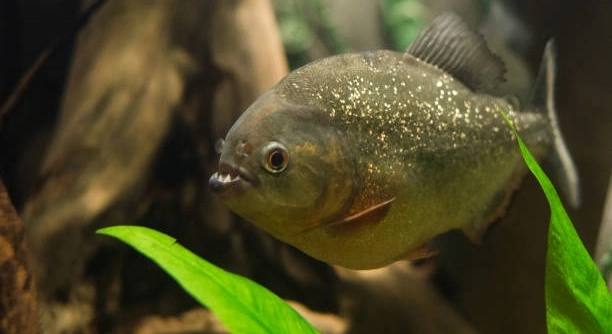
Have you ever watched your piranhas dart around their tank, acting more aggressive than you expected or hoped they would?
The most effective way to make piranhas less aggressive is to create a calm, secure environment. This includes proper tank size, hiding spots, balanced lighting, a stable group dynamic, and a consistent feeding schedule.
Small changes in their habitat and care routine can lead to a noticeable difference in their behavior over time.
Give Them Enough Space
Piranhas feel stressed in cramped tanks, which can make them more aggressive. A small tank limits their movement and increases tension among them. For a group of five, aim for at least 100 gallons. This gives each fish room to move without feeling crowded. Overcrowding can also increase waste, which affects water quality and irritates your fish. When piranhas feel like they have space to retreat, they are less likely to become aggressive. A larger tank also helps maintain a more stable environment, which is important for reducing stress. Make sure the tank has a proper filter to handle the bioload of multiple fish. Add floating plants to break up sightlines and reduce tension between fish. A tank with more room and good conditions can quickly shift their behavior. They’ll swim more calmly, and you’ll notice fewer signs of territorial behavior or fin-nipping among them.
Space lets them relax and behave more naturally.
Avoid tall, narrow tanks. Choose a wide tank with a long footprint so they can swim freely from side to side. Limit the number of tank mates or skip them altogether. Piranhas often get more aggressive when they have to share limited space with other species.
Keep Them in a Group
Keeping piranhas in a group helps balance their behavior and lowers their stress levels. When kept alone or in too small a group, they can become nervous and lash out more easily. A group of four to six works best.
Piranhas are social fish, and they thrive in a stable group. When housed alone, they often become anxious and unpredictable. But when kept with the right number of their own kind, they spread out their attention and reduce the chance of aggressive outbursts. It’s important to introduce them to the tank at the same time, if possible. Adding a new fish later can lead to territory fights. Make sure the group is roughly the same size to avoid bullying. Keep an eye on their interactions, especially during feeding times. If one fish is consistently getting chased or attacked, it may need to be removed. Creating the right group dynamic takes time, but the results are worth it. The fish will feel more at ease and their behavior will improve noticeably.
Feed Them Properly
Feeding piranhas the right amount at the right time helps keep their behavior calm. Underfeeding or irregular feeding can lead to aggression, especially during interactions with tank mates or even among themselves.
Give them high-quality protein-based food like fish fillets, shrimp, or pellets made for carnivorous fish. Feed them once a day, and don’t overfeed—leftover food can pollute the water and make them irritable. Try to feed at the same time each day to create a stable routine. If they seem too aggressive during feeding, use tongs to distribute food in different parts of the tank. This gives each fish a chance to eat without competing. Keeping their diet varied will also support their overall health. Avoid feeding live animals, as it can trigger overly aggressive behavior. Consistent feeding habits help piranhas feel secure and reduce the urge to bite or chase.
You may also notice that aggression drops after mealtimes. Piranhas tend to calm down once they’re full and satisfied. Hunger makes them edgy, and even the most peaceful group can act out if food is scarce. Pay attention to how much each fish is eating, and if one isn’t getting enough, try feeding them separately or in a different section of the tank.
Add Hiding Spots
Hiding places lower stress and give piranhas space to cool down if they feel threatened. This helps prevent unnecessary aggression between tank mates. Use decor that doesn’t take up too much swimming space but still offers shelter.
Driftwood, large rocks, and tall plants work well for creating hiding areas. Arrange them so that each fish can find its own spot when needed. Avoid sharp decorations that could injure them during quick movements. Spread the hiding spots across the tank to avoid crowding one area. This also helps break up lines of sight, which reduces the chances of fish locking eyes and becoming defensive. Piranhas feel more relaxed when they know they can retreat easily. These hiding areas also help younger or more timid fish avoid conflicts. Creating a balanced layout of open space and cover supports healthy behavior and keeps aggression low, especially in a shared environment.
Keep the Lighting Low
Bright lights can make piranhas nervous and more likely to lash out. Soft, dim lighting helps them feel safer and more relaxed in their environment. Use adjustable LED lights and keep them on a timer for consistency.
Avoid sudden changes in lighting, as this can startle them and trigger aggressive reactions. Try using floating plants to block harsh overhead lights.
Maintain Water Quality
Poor water conditions are a major source of stress for piranhas. Dirty water, unstable pH, or fluctuating temperatures can make them feel threatened. Use a strong filter, perform regular water changes, and test the water weekly. Keep the temperature between 74–82°F and maintain a pH around 6.5 to 7.5.
Avoid Handling Them
Piranhas don’t like being touched or moved around. Handling them causes stress and may lead to more aggressive behavior. Use tools like nets or tubes if you need to transfer them, and do it quickly and carefully.
FAQ
How often should I feed my piranhas to keep them calm?
Feeding your piranhas once a day is usually enough to keep them calm and satisfied. Make sure to give them the right amount—enough so they’re full but not so much that leftover food pollutes the tank. Consistent feeding times help build a routine, which lowers stress and aggression.
Can tank size really change piranha behavior?
Yes, a larger tank gives piranhas space to swim and hide, reducing territorial fights. Crowded tanks increase stress and trigger aggression. For a small group, at least 100 gallons is recommended to allow room for natural behavior and movement.
What kinds of hiding spots are best for piranhas?
Use driftwood, large smooth rocks, and tall plants to create hiding places. These spots break up sightlines and let piranhas retreat when they feel threatened. Avoid sharp or small decorations that could hurt them. Spread hiding places evenly for the best effect.
Is it okay to keep piranhas alone?
Piranhas usually do better in groups of four to six. Alone, they often get stressed and act aggressively. Groups help balance social behavior, but make sure the group is stable to avoid fights. Adding new fish later can cause tension.
How important is water quality in managing aggression?
Water quality is very important. Dirty or unstable water raises stress, which makes piranhas more aggressive. Use a good filter, check water parameters regularly, and change water often. Keep temperature steady between 74–82°F and pH near neutral.
Should I use live food to reduce aggression?
Feeding live food can sometimes increase aggression because it triggers hunting instincts. It’s better to use frozen or pellet food designed for carnivores. This keeps aggression in check and helps maintain stable behavior in the tank.
What happens if one piranha is bullying the others?
If one fish is constantly chasing or biting others, it might need to be separated. Bullying causes stress and injuries. Watch your fish closely, especially during feeding or when new members join. Sometimes removing the aggressive individual is best for the group’s health.
Can lighting affect piranha behavior?
Bright or flashing lights can stress piranhas and make them more aggressive. Soft, dim lighting helps keep them calm. Use a timer for consistent light cycles and consider floating plants to reduce harsh light.
How can I safely handle or move piranhas?
Avoid touching piranhas directly. Use nets or tubes carefully and move them quickly to reduce stress. Handling stresses them out and can make their behavior worse, so limit it as much as possible.
Will adding plants help with aggression?
Yes, live or artificial plants offer hiding spots and break up the tank visually. This helps piranhas feel safe and lowers territorial behavior. Make sure plants don’t overcrowd the tank but provide enough cover to reduce tension.
Final thoughts are important when it comes to keeping piranhas less aggressive. These fish have a natural reputation for being fierce, but with the right care, their behavior can be calmer and easier to manage. Creating a stable environment that meets their needs is the key to reducing aggression. This means providing enough space, proper feeding, hiding spots, and good water quality. When these basics are met, piranhas tend to behave more naturally and peacefully.
Keeping piranhas in a group is also very helpful. They are social fish and do better when they have companions. A well-balanced group can spread out aggressive energy and reduce fights. However, it is important to watch how the fish interact and make sure no one is getting bullied. Sometimes a change in the group or tank setup is needed to keep everyone safe and calm. Piranhas also benefit from consistent routines, such as feeding times and lighting schedules. These small but steady habits help them feel secure.
Aggression in piranhas is often linked to stress and discomfort. When they feel safe and their environment suits their needs, they show less aggressive behavior. It takes patience and observation to find the right balance for your tank. Adjustments like lowering light intensity, adding plants or decorations for hiding, and careful feeding make a big difference. Remember that each piranha may react differently, so learning their habits and signals is important. With steady care and attention, keeping piranhas less aggressive is achievable and makes for a healthier tank overall.

Hello,
If you enjoy the content that we create, please consider saying a "Thank You!" by leaving a tip.
Every little bit helps us continue crafting quality advice that supports the health, happiness, and well-being of pets around the world, for pets of all shapes, sizes, and species.
We really appreciate the kindness and support that you show us!