
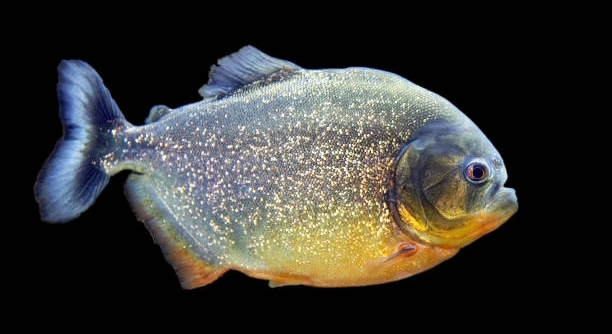
Keeping piranhas in a home aquarium can be fascinating but challenging. Many fish owners look for tank mates that will peacefully coexist with these aggressive carnivores. However, not all companions work well alongside piranhas due to their natural behavior and territorial instincts.
Certain fish species and aquatic animals do not coexist effectively with piranhas because of the latter’s aggressive feeding habits and territorial nature. These tank companions often face stress, injury, or death, which disrupts the aquarium’s balance and overall health.
Choosing the right companions requires understanding which species can tolerate or avoid conflict with piranhas. The following information will help you make informed decisions for a safer tank environment.
Why Small Peaceful Fish Don’t Work with Piranhas
Small, peaceful fish are often considered ideal companions for many tanks, but they usually do not survive well with piranhas. Piranhas have sharp teeth and aggressive hunting instincts. They see smaller fish as easy prey rather than companions. Even if the smaller fish seem calm or slow, the piranhas’ natural behavior can quickly turn violent. This results in stress and harm to the smaller fish, often leading to injury or death. Attempting to mix these species often leads to an unhealthy tank environment, with continuous aggression disrupting peace. Many aquarists have found that piranhas require their own dedicated space or tank mates that can handle their aggressive nature. It is best to avoid placing small, peaceful fish with piranhas to maintain balance and avoid unnecessary loss. Choosing compatible species prevents unnecessary tank problems and promotes healthier aquatic life.
Smaller fish species usually cannot avoid the piranha’s aggressive behavior and are likely to be harmed quickly. Their survival chances are very low in shared tanks.
Selecting tank companions that can coexist with piranhas demands understanding these interactions. Ensuring safe companions requires careful consideration of fish size, temperament, and behavior patterns.
Why Bottom Dwellers Are Risky Tank Mates
Bottom-dwelling fish like catfish or loaches might seem like good candidates for piranha tanks because they stay out of the way. However, many bottom dwellers can still become targets. Piranhas can be territorial and will defend their space near the bottom aggressively. Some bottom dwellers also have slow movements or soft bodies, which can attract piranha attacks. When piranhas feel crowded or hungry, they may hunt these fish despite their usually different tank zones. This causes constant stress for both species, leading to poor health and tank instability. Additionally, bottom dwellers often require different water conditions or diets, which makes caring for both species in the same tank more complicated. Successful tank management with piranhas often means avoiding bottom dwellers to prevent injuries and conflicts.
Piranhas are territorial at all levels of the tank, not just the middle or surface zones, making bottom dwellers vulnerable to attack.
Careful tank planning and species selection help avoid aggression and maintain a stable aquatic environment when keeping piranhas with other fish.
Why Aggressive Fish Are Poor Companions
Aggressive fish tend to escalate conflicts in tanks with piranhas. Both species may become territorial, leading to fights that injure or kill one another. Stress from constant conflict reduces fish health and shortens their lifespan.
Aggressive tank mates, such as cichlids or certain barbs, often clash with piranhas due to their strong territorial instincts. These confrontations cause injuries and increase stress levels, destabilizing the aquarium’s ecosystem. Such fish also compete for food and space, which can worsen tensions. Attempting to house aggressive species together often results in a hostile environment that neither fish thrives in. It is generally advisable to avoid mixing aggressive fish with piranhas to prevent ongoing battles and health issues.
In some cases, even if aggression does not lead to direct harm, the constant stress reduces immune response in both fish. This makes the tank more vulnerable to diseases. Aggressive interactions also cause erratic behavior, making tank maintenance difficult and unpredictable.
Why Slow or Inactive Fish Are Not Suitable
Slow or inactive fish attract piranhas’ attention because they cannot escape quickly. Their lack of movement makes them easy targets and raises the risk of attacks.
Piranhas are natural hunters that rely on quick movements and sudden attacks. Slow-moving fish, such as some species of gouramis or certain tetras, become vulnerable as they cannot evade piranha strikes efficiently. Their inactivity can trigger piranhas’ hunting instincts, causing repeated harassment or attacks. This leads to injuries or death, and the presence of such fish often increases stress in the tank. Furthermore, piranhas may interpret slow behavior as weakness, prompting aggressive behavior. Choosing tank companions with sufficient speed and alertness is important to reduce conflict risks and maintain a peaceful environment.
Why Colorful or Bright Fish Are Problematic
Brightly colored fish tend to draw too much attention in a piranha tank. Their vivid colors often provoke aggression. This makes peaceful coexistence difficult to achieve.
Piranhas are attracted to movement and color, which can trigger their predatory instincts. Fish with bright, shiny scales may become targets more quickly. This increases stress and conflict within the tank.
Why Large Peaceful Fish Are Not Ideal
Large peaceful fish may seem safe but often cause problems. Their size can intimidate piranhas, leading to aggressive territorial behavior. Sometimes, large fish may also become stressed or act defensively, upsetting the tank’s balance.
Why Schooling Fish Can Be Harmful
Schooling fish rely on group behavior for safety, but piranhas disrupt this. Their aggression can scatter the group, causing stress and injury. The constant threat prevents proper schooling, which weakens their defense and survival chances.
Why Slow-Growing Fish Don’t Work
Slow-growing fish cannot outpace piranha attacks. Their inability to mature quickly makes them vulnerable to stress and injury, limiting their chances of surviving in shared tanks.
What tank companions are safe with piranhas?
Safe tank companions for piranhas are usually species that can tolerate aggression or are large enough to avoid being seen as prey. Some examples include large, robust fish like certain types of large plecos, pacus, or some species of large cichlids. These fish can hold their own or stay out of the piranha’s direct territory. It is important to choose species that have similar water parameter needs and temperaments to reduce stress. Even then, monitoring behavior closely is necessary because piranhas can be unpredictable. In most cases, it’s best to keep piranhas in a species-only tank for their safety and the tank’s overall balance.
Why do piranhas attack other fish?
Piranhas are naturally aggressive predators with sharp teeth and strong jaws designed to tear flesh. Their attacks on other fish usually come from hunger or territorial defense. In the wild, they feed on smaller fish, insects, and occasionally plant material. In captivity, even well-fed piranhas may attack tank mates due to stress, boredom, or instinct. Piranhas are also territorial, so they may see other fish as intruders. This behavior is intensified in smaller tanks where space is limited. Aggression toward other fish is a natural survival mechanism that often cannot be completely controlled.
Can piranhas live peacefully with any other species?
While piranhas are generally aggressive, some aquarists report success with certain robust and similarly sized species. However, peaceful coexistence requires careful planning. Compatible species must be large, fast, and tough enough to avoid injury, and the tank should be spacious with plenty of hiding spots. Even with these conditions, the risk of aggression remains high. Peaceful interactions are rare, so most piranha owners prefer to keep them alone to avoid constant fighting or injury to tank mates. It is safer to assume that piranhas will show aggression rather than peaceful coexistence.
How large should a tank be for piranhas and companions?
A larger tank reduces territorial disputes and allows fish more space to avoid each other. For piranhas and tank mates, at least 75 gallons is recommended. The tank should have plenty of hiding places and visual barriers to reduce stress and aggression. Overcrowding increases aggression and stress, which can lead to injury or death. Even with a large tank, compatibility depends on the species chosen. Larger tanks help but do not guarantee peace. Proper maintenance and monitoring are essential to keep the tank stable and safe.
Are there special care requirements for piranha tanks with companions?
Yes, tanks with piranhas and companions need careful management. Regular water changes and strong filtration are important because piranhas produce a lot of waste. Tank mates must be monitored closely for signs of stress or injury. Feeding should be sufficient to reduce hunger-driven aggression. It is also important to provide plenty of hiding spaces and plants or decorations that create natural boundaries. Quarantining new fish before adding them helps prevent disease spread. Finally, be prepared to separate or remove fish if aggression becomes harmful.
What signs indicate piranhas are attacking tank mates?
Signs include torn fins, missing scales, wounds, or stressed behavior such as hiding and loss of appetite. Tank mates may become lethargic or show signs of injury repeatedly. Piranhas might chase or nip other fish often. Stress in any fish can lead to weakened immune systems and higher disease risk. Early detection allows for quicker intervention to prevent serious injury or death. Regular observation and tank maintenance help catch problems early.
Can feeding habits affect piranha aggression?
Feeding habits do influence aggression. Well-fed piranhas tend to be less aggressive, but hunger can trigger attacks on tank mates. Feeding a balanced diet with protein-rich foods helps reduce the urge to hunt within the tank. It is better to feed smaller amounts more frequently than a large amount at once. Overfeeding can cause water quality issues, so balance is key. Feeding habits alone won’t completely eliminate aggression but help manage it.
Is it possible to train or tame piranhas?
Piranhas are wild fish with strong natural instincts. While they can become accustomed to feeding routines and recognize their owner, they cannot be truly tamed or trained like some other fish. Their aggressive behavior is instinctual and unlikely to change significantly in captivity. Handling piranhas requires caution, and they should always be respected as predators. Attempting to tame them should not be expected to reduce aggressive tendencies toward other fish.
Choosing the right tank companions for piranhas is essential for a healthy and balanced aquarium. Piranhas are naturally aggressive and territorial fish, which limits the options for compatible species. Many common tank mates can cause problems, leading to stress, injury, or death. It is important to consider behavior, size, and activity level when selecting companions. Aggressive fish, slow or inactive species, and brightly colored or small schooling fish usually do not work well with piranhas. Keeping these points in mind helps maintain peace and safety within the tank. A well-planned tank reduces risks and promotes better health for all fish involved.
Proper tank size and environment also play significant roles in successful cohabitation. Larger tanks with plenty of hiding places give fish space to avoid conflicts and reduce territorial disputes. Adding plants and decorations can help break up lines of sight, lowering aggression. Maintaining good water quality through regular cleaning and filtration is necessary to support the health of all fish. Feeding routines impact behavior as well. Providing a balanced diet and feeding often enough can decrease piranhas’ natural hunting instincts and lessen attacks on tank mates. Monitoring the tank closely allows for early detection of problems, so adjustments can be made quickly.
In some cases, it is best to keep piranhas alone to prevent unnecessary harm. Their natural aggression often makes them unsuitable for community tanks. While some large, tough species might coexist, the risks usually outweigh the benefits. Responsible fishkeeping means understanding the specific needs and behaviors of piranhas and choosing tank mates accordingly. This careful approach ensures a safer and more enjoyable aquarium experience. With the right knowledge and preparation, piranha owners can provide an environment where their fish thrive without constant conflict.

Hello,
If you enjoy the content that we create, please consider saying a "Thank You!" by leaving a tip.
Every little bit helps us continue crafting quality advice that supports the health, happiness, and well-being of pets around the world, for pets of all shapes, sizes, and species.
We really appreciate the kindness and support that you show us!