
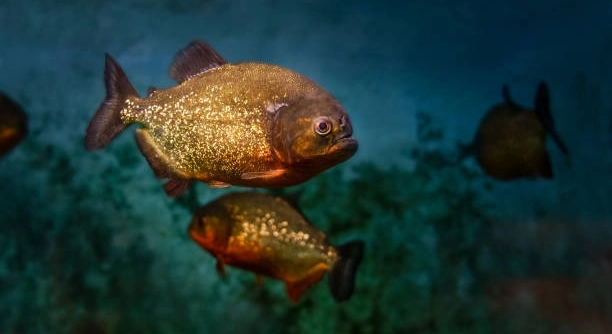
Caring for piranhas involves paying close attention to their health and behavior. These fish can show clear signs when something is wrong. Knowing what to look for helps you act quickly and keep them well.
Identifying piranha health issues relies on observing specific visual cues such as changes in coloration, fin damage, abnormal swimming patterns, body swelling, and lesions. These indicators assist in diagnosing common illnesses and preventing serious complications.
Recognizing these signs early improves the chances of effective treatment and a healthier environment for your piranhas. This guide will help you spot problems before they worsen.
Color Changes and Their Meaning
Color changes in piranhas often indicate health problems. When a piranha’s vibrant colors start to fade or become dull, it can signal stress or illness. For example, a pale body might mean poor water quality or lack of nutrients. Dark spots or patches could be signs of infections or parasites. These changes usually don’t happen overnight but develop gradually. Observing your fish regularly helps catch these early. Besides color, the eyes might become cloudy or swollen, which also suggests health issues. It’s important to keep the tank clean and stable to prevent stress. Stress weakens the immune system, making fish more vulnerable to disease. Paying attention to these visual clues allows timely action before the condition worsens. Remember, healthy piranhas maintain bright, clear colors and active behavior.
Color changes are often one of the first visible signs that something is wrong with your piranha’s health.
Recognizing color alterations early can help you adjust the environment or seek treatment quickly. Maintaining clean water and balanced feeding reduces stress-related color fading. Regular observation can save your fish from serious health problems later on.
Fin Damage and Abnormal Swimming
Fin damage is a common visual sign of health issues in piranhas. Torn or ragged fins can result from fights, rough tank decor, or infections. Fin rot is a bacterial infection that causes fins to fray and decay. If left untreated, it can spread and cause severe harm. Abnormal swimming patterns, like erratic movements or difficulty staying upright, also signal illness. These behaviors often point to internal problems such as swim bladder disease or parasites. Sometimes, piranhas swim near the surface gasping for air, which may indicate poor oxygen levels or gill infections. Watching how your fish swim and checking their fins closely will give you clues about their health. Treatment often involves cleaning the tank, improving water conditions, and possibly using medication. Keeping the tank safe and spacious helps prevent physical injuries and stress that can lead to fin damage.
Fin condition and swimming behavior are key indicators of a piranha’s well-being.
Damaged fins and strange swimming usually mean that health intervention is needed soon to avoid worsening conditions.
Body Swelling and Lesions
Body swelling in piranhas often signals internal problems like infections or organ failure. It can appear as a bloated belly or lumps on the body. This condition needs quick attention to avoid worsening.
Swelling may be caused by dropsy, a condition where fluids build up inside the fish due to kidney or liver issues. It can also result from bacterial infections or parasites. Lesions or open sores on the body often accompany swelling and suggest skin infections or wounds. These symptoms reduce the fish’s ability to swim and eat properly. Monitoring your fish daily helps catch these signs early. Treatment usually involves improving water quality and using antibiotics or other medicines recommended by a vet.
Proper tank hygiene and balanced nutrition help prevent these conditions. If swelling or lesions appear, isolate the affected fish to avoid spreading disease and consult a specialist.
Abnormal Breathing Patterns
Abnormal breathing is a serious sign of distress in piranhas. Rapid gill movement or gasping at the surface often points to low oxygen or gill damage.
This behavior can result from poor water quality, high ammonia or nitrite levels, or gill parasites. When oxygen is low, fish try to breathe more quickly or move near the surface where oxygen is higher. Gill infections cause swelling and make breathing painful or difficult. Consistent abnormal breathing indicates your tank conditions need immediate attention. Test your water regularly for toxins and maintain good filtration. Cleaning the tank often and avoiding overcrowding improves oxygen levels. If parasites are present, treatment with appropriate medication is necessary. Watching your piranha’s breathing closely helps you react before serious health decline occurs.
Loss of Appetite
Loss of appetite is a common sign that a piranha is unwell. When your fish refuses food or eats less than usual, it could indicate stress or illness.
Ignoring appetite changes can lead to weakened health. Early attention to this symptom helps prevent further complications and supports recovery.
Cloudy or Bulging Eyes
Cloudy or bulging eyes often point to infections or poor water quality. These symptoms can cause discomfort and affect your piranha’s vision.
Such eye problems require quick action. Improving tank conditions and using appropriate treatments can help restore your fish’s health. Regular observation will help you catch these signs early and maintain a safe environment.
Clamped Fins
Clamped fins, where fins stay close to the body, usually signal stress or illness. This behavior often indicates discomfort in the fish’s environment or health.
Observing fin position regularly helps identify issues early and allows prompt care for your piranha.
What causes fin damage in piranhas and how can I prevent it?
Fin damage in piranhas usually comes from injuries, fights, or infections like fin rot. Sharp or rough tank decorations can also tear fins. To prevent this, keep the tank clean and free from harmful objects. Make sure piranhas have enough space to swim without stressing each other. Regular water changes reduce bacteria that cause infections. If fin rot appears, treat with antibacterial medication and improve tank conditions. Preventing stress by avoiding overcrowding is also key.
How do I know if my piranha has a bacterial infection?
Signs of bacterial infections include redness, swelling, ulcers, or cloudy eyes. The fish might become lethargic and lose appetite. Fin rot is a common bacterial problem causing fins to fray. If you notice these symptoms, test water quality and perform a partial water change. Treatment usually involves antibiotics recommended for aquarium fish. Acting quickly is important to avoid spreading infection or serious health decline.
Why is my piranha swimming oddly or struggling to stay upright?
Abnormal swimming, such as struggling to stay upright or swimming in circles, often indicates swim bladder issues, infections, or parasites. Swim bladder problems affect balance and can be caused by poor diet or injury. Parasites and infections can damage internal organs, affecting movement. Improving water quality, feeding a balanced diet, and using parasite treatments if needed can help. If symptoms persist, seek expert advice.
What causes piranhas to have swollen bodies or bloating?
Swelling or bloating is usually caused by internal infections, organ failure, or dropsy, where fluid builds up inside the fish. It might also come from constipation or poor diet. Swelling signals serious health problems, so it’s important to improve tank conditions and consider veterinary treatment. Isolate the affected fish to avoid spreading disease. Feeding easily digestible food and maintaining clean water help reduce risks.
How can I improve oxygen levels if my piranha is gasping at the surface?
Gasping at the surface often means low oxygen in the tank. Improving oxygen levels can be done by increasing water movement with filters or air stones. Avoid overcrowding, which reduces available oxygen. Regular water changes also help keep water clean and oxygen-rich. Ensuring your tank is well-aerated prevents breathing problems and keeps fish comfortable.
What should I do if my piranha stops eating?
A loss of appetite can result from stress, illness, or poor water conditions. Start by testing water parameters and performing a partial water change. Try offering fresh or varied foods to encourage eating. If appetite doesn’t improve in a few days, check for other symptoms and consider treatment. Sometimes isolation in a quarantine tank reduces stress and helps recovery.
Are cloudy eyes a sign of serious illness?
Cloudy eyes usually mean an infection or poor water quality. It can also happen after injury. If untreated, it can worsen and affect the fish’s vision. Improving water conditions and using appropriate medications helps clear infections. Early attention to eye problems can prevent more serious health issues.
Why do my piranha’s fins stay clamped to the body?
Clamped fins indicate stress or discomfort, often caused by poor water quality, illness, or aggressive tankmates. It is a defensive posture and means the fish is not feeling well. Check water parameters and tank setup. Treat any infections if present. Reducing stress factors usually helps fins return to normal.
How often should I check my piranha for signs of illness?
Daily observation is best. Quick checks for color changes, swimming behavior, fin condition, and appetite help catch health issues early. The sooner you notice problems, the better your chances of successful treatment. Regular tank maintenance supports overall fish health, reducing illness risks.
Can stress alone cause visible health problems in piranhas?
Yes, stress weakens the immune system and makes piranhas more prone to disease. Stress comes from poor water quality, overcrowding, sudden changes, or aggressive tankmates. Signs like faded color, clamped fins, and loss of appetite often relate to stress. Managing the tank environment carefully reduces stress and keeps fish healthy.
Keeping your piranhas healthy means paying attention to their appearance and behavior every day. The visual cues like color changes, fin damage, swelling, and unusual swimming patterns tell you when something is wrong. These signs do not appear suddenly; they develop over time. By watching your fish closely, you can catch health problems early before they become serious. This daily observation helps you provide the right care and treatment when needed.
Water quality plays a big role in your piranhas’ health. Clean, well-maintained tanks reduce stress and the chance of illness. Poor water conditions often cause many of the common health issues in piranhas, such as infections, fin rot, and breathing problems. Regular water testing and changes, along with proper filtration, are important steps to create a safe and stable environment for your fish. Keeping the tank clean and balanced helps prevent many health problems before they start.
If you notice any signs of illness, it is important to act quickly. Early treatment increases the chances your piranha will recover fully. Isolating sick fish can help stop diseases from spreading to others. Using the correct medication and improving tank conditions often work well together. Remember, prevention is always better than cure, so maintaining a healthy environment and watching your fish carefully will keep your piranhas thriving for a long time.

Hello,
If you enjoy the content that we create, please consider saying a "Thank You!" by leaving a tip.
Every little bit helps us continue crafting quality advice that supports the health, happiness, and well-being of pets around the world, for pets of all shapes, sizes, and species.
We really appreciate the kindness and support that you show us!