
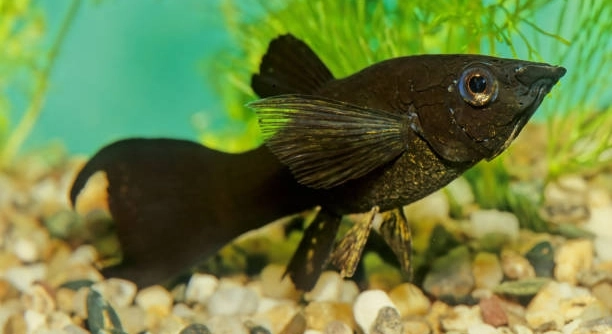
Black Mollies are popular aquarium fish known for their lively nature and striking appearance. Observing them breathe at the water surface can be worrying for many owners, especially when air gulping becomes frequent or persistent.
Air gulping in Black Mollies is often caused by low oxygen levels, poor water quality, high temperatures, overfeeding, stress, improper tank setup, or underlying health issues. Identifying the specific cause is crucial for correcting the behavior and maintaining fish health.
Understanding the reasons behind this behavior helps owners provide a healthier environment for their Black Mollies. Addressing these factors can improve both their comfort and long-term wellbeing.
Low Oxygen Levels
Low oxygen levels are one of the main reasons Black Mollies start gulping air at the surface. In aquariums, oxygen can quickly deplete if there is poor water circulation, overcrowding, or high temperatures. Mollies rely on dissolved oxygen in the water to breathe, and when it drops, they instinctively swim to the surface to access more oxygen. This behavior is more common in tanks without proper aeration or filtration. Observing gasping at the top frequently may indicate a lack of dissolved oxygen. Correcting this involves improving water movement, adding air stones, and reducing overcrowding. Regular water testing can help ensure oxygen levels remain safe. It is important to act quickly because prolonged low oxygen can stress fish and make them more vulnerable to illness. Monitoring your tank’s conditions regularly is the best way to prevent air gulping caused by oxygen deficiency.
Low oxygen is easily managed by proper tank aeration and circulation, ensuring fish breathe comfortably without stress.
Improving oxygen levels involves checking your filtration system and adding air stones or a bubbler. Keep the tank moderately stocked, avoiding overcrowding, and maintain cooler water when possible. Healthy plants can also boost oxygen naturally, but decaying plants or uneaten food can lower oxygen, so remove them promptly. Regular maintenance ensures that Mollies remain calm, active, and free from stress related to oxygen shortages. Observing fish behavior closely helps catch early signs of distress before serious issues develop.
Poor Water Quality
Poor water quality can make Black Mollies gulp air more frequently.
Dirty water, excess waste, or high ammonia and nitrite levels irritate fish gills and reduce oxygen absorption. Maintaining clean water through regular partial water changes, monitoring chemical levels, and cleaning the substrate keeps fish healthy and reduces air gulping behavior. Proper filtration is essential, as stagnant or polluted water can quickly affect Mollies. Additionally, sudden water parameter changes can stress fish, prompting surface breathing. Testing water for pH, hardness, ammonia, nitrites, and nitrates allows timely adjustments. Feeding only the recommended amount of food prevents excess waste that deteriorates water quality. Avoid overstocking the tank, as more fish produce more waste, and filters may struggle to maintain balance. Ensuring plants are healthy and removing debris also improves water quality. Overall, consistent tank upkeep is the most reliable method to prevent water-related air gulping in Black Mollies.
High Water Temperature
High water temperature reduces the amount of dissolved oxygen in the tank, causing Black Mollies to gulp air at the surface. Warmer water also increases fish metabolism, making them need more oxygen than cooler water can provide.
Maintaining a stable temperature is essential. Black Mollies thrive in water between 72°F and 78°F. Temperatures above this range can stress them, causing rapid breathing and surface activity. Use an aquarium thermometer to monitor daily changes. If the tank heats up, consider a fan, lowering room temperature, or adding a small aquarium chiller. Avoid sudden temperature changes, as Mollies are sensitive and can become ill from rapid fluctuations.
High temperatures often coincide with low oxygen and poor water quality. Combining temperature control with proper filtration, aeration, and regular water changes ensures your Mollies remain calm and healthy. Overheating can also accelerate algae growth, which further reduces oxygen. Keeping the environment stable supports overall fish wellbeing.
Overfeeding
Overfeeding produces excess waste, polluting the water and lowering oxygen, leading Black Mollies to gulp air.
Feeding too frequently or offering large portions creates uneaten food that decomposes. This decomposition increases ammonia and nitrite levels, irritating gills and triggering surface breathing. Limiting meals to small portions twice a day prevents this.
Monitoring feeding habits is crucial. Mollies should consume all food within a few minutes. Any leftovers should be removed immediately. Overfeeding not only affects water quality but can also cause obesity and digestive problems. Using high-quality food reduces waste production, supporting cleaner water and healthier fish. Regular observation allows adjustments to feeding practices, keeping Mollies active and reducing stress.
Stress
Stress can cause Black Mollies to gulp air more frequently. Loud noises, sudden movements, or overcrowded tanks increase their anxiety.
Introducing new fish without proper acclimation or aggressive tankmates can also trigger stress. Keeping the environment stable helps Mollies feel secure and reduces surface breathing.
Improper Tank Setup
A poorly set up tank can contribute to frequent air gulping. Lack of hiding spots, insufficient plants, or inappropriate substrate makes Mollies feel exposed and insecure. Providing decorations, plants, and areas to retreat improves comfort. Properly sized tanks with good water circulation also support healthy breathing and behavior.
Health Issues
Internal parasites, gill infections, or other illnesses can lead to air gulping. Sick Mollies may appear lethargic, lose appetite, or show discoloration. Regular observation and prompt treatment are essential to prevent worsening conditions and restore normal breathing patterns.
Overcrowding
Too many fish in a tank reduces oxygen availability and increases stress. Maintaining proper stocking limits ensures sufficient oxygen and space for each Molly.
FAQ
Why is my Black Molly gulping air at the surface constantly?
Constant air gulping is usually linked to low oxygen, poor water quality, high temperatures, or stress. It can also indicate underlying health problems such as gill infections or parasites. Observing other behaviors like lethargy, color changes, or reduced appetite helps determine if the issue is environmental or medical.
Can poor water quality alone cause air gulping?
Yes, poor water quality can make breathing difficult. High ammonia, nitrite, or nitrate levels irritate gills and reduce oxygen absorption. Regular water changes, proper filtration, and removing uneaten food are necessary to maintain a clean, safe environment for Mollies.
How do I know if the temperature is affecting my fish?
Black Mollies prefer 72°F to 78°F. Temperatures above this range reduce oxygen levels and increase metabolic demand. Watch for rapid breathing, increased surface activity, or lethargy. Using a reliable thermometer and keeping the temperature stable helps prevent stress-related air gulping.
Is overfeeding a serious problem for air gulping?
Overfeeding can indirectly cause air gulping. Excess food decomposes, raising ammonia and nitrite levels while lowering oxygen. Feed small amounts that Mollies consume within minutes and remove leftovers to prevent water quality issues. High-quality food produces less waste and supports better overall health.
Can stress alone cause air gulping?
Stress is a common trigger for surface breathing. Overcrowded tanks, aggressive tankmates, sudden movements, or loud noises can make Mollies anxious. Providing hiding spots, stable conditions, and gradual introduction of new fish reduces stress and improves breathing behavior.
Are health issues easy to identify in Black Mollies?
Some health problems are noticeable, like gill inflammation, discoloration, or lethargy, while internal parasites may be harder to detect. Regular observation and prompt action are crucial. Quarantining new fish and maintaining clean water prevents many illnesses.
Will adding plants help reduce air gulping?
Yes, live plants improve oxygen levels and provide hiding spaces, reducing stress. Fast-growing plants like hornwort or water sprite absorb nitrates and produce oxygen, improving overall tank health. Removing decaying plants prevents oxygen depletion.
How often should I check water parameters?
Weekly testing of ammonia, nitrite, nitrate, pH, and hardness helps maintain stable conditions. Adjustments should be made immediately if levels are unsafe. Monitoring allows early detection of problems that may trigger air gulping.
Does tank size affect air gulping?
Yes, overcrowding lowers oxygen and increases stress. Black Mollies need enough space to swim freely. A tank of at least 20 gallons for a small group provides adequate room, proper circulation, and reduces competition for oxygen.
Can I treat air gulping behavior at home?
Many cases can be addressed by improving water quality, adjusting temperature, reducing feeding, and controlling stress. Persistent gulping may require medication or professional advice if illness is suspected. Regular maintenance and observation prevent long-term problems.
Is aeration the most effective solution for air gulping?
Aeration helps but is part of a broader approach. Proper filtration, water changes, temperature control, and reduced overcrowding all contribute to stable oxygen levels. Using air stones, bubblers, or a strong filter keeps water well-oxygenated.
How long does it take for Black Mollies to recover from air gulping?
Recovery time depends on the cause. Correcting environmental factors may improve behavior within days. Health-related issues could take weeks with treatment. Consistent care, monitoring, and maintaining optimal conditions speed up recovery.
Can changing tank decorations reduce air gulping?
Yes, adding plants or hiding spots makes Mollies feel secure, reducing stress. Avoid sharp or overcrowded decorations that limit swimming space. A well-arranged tank improves comfort and encourages normal breathing patterns.
Do Black Mollies need specific water flow to prevent air gulping?
Moderate water flow ensures proper oxygen distribution. Too little flow reduces oxygen at certain areas, while excessive flow stresses fish. Adjust filters or pumps to create gentle circulation, balancing oxygenation and comfort.
Should I quarantine new fish to prevent air gulping?
Quarantining helps prevent disease introduction, which can cause gill irritation and air gulping. A separate tank for 2–3 weeks allows observation and treatment if needed. This practice maintains overall tank health.
Does tank lighting affect air gulping?
Indirectly, yes. Excessive lighting can increase water temperature and algae growth, reducing oxygen. Balanced light schedules with live plants improve oxygen and reduce stress, supporting normal breathing.
Can air gulping indicate serious illness?
It can. Gill infections, parasites, or internal disease may cause surface breathing. Look for additional signs such as lethargy, appetite loss, or discoloration. Early detection and treatment are essential to prevent worsening conditions.
Is it safe to ignore occasional air gulping?
Occasional gulping may be normal, especially in newly acclimated fish. Persistent or frequent air gulping requires investigation. Ignoring it could allow stress, low oxygen, or health issues to worsen, compromising fish wellbeing.
Do temperature swings trigger air gulping?
Yes, sudden increases or decreases in temperature stress Mollies and reduce oxygen levels. Stable conditions with minimal fluctuations help prevent gulping and support overall health. Gradual acclimation is key when introducing new water or fish.
Can adding a bubbler replace water changes?
No, aeration alone cannot remove waste or toxins. Regular water changes are necessary to maintain clean water, reduce ammonia and nitrites, and provide a safe environment for Black Mollies. Aeration complements but does not replace proper maintenance.
How can I tell if air gulping is due to oxygen or stress?
Observe tank conditions and fish behavior. Gasping with rapid movement or hiding suggests stress. Gulping near the surface with normal activity often points to low oxygen. Checking water quality, temperature, and tank setup helps identify the exact cause.
Does feeding live food reduce air gulping?
Live food can improve nutrition but does not directly prevent air gulping. Balanced feeding and proper portion control are more effective at maintaining water quality and reducing oxygen-related breathing issues. Live food should be offered in moderation.
Can multiple causes occur at once?
Yes, low oxygen, poor water quality, high temperatures, stress, and overfeeding can combine, increasing air gulping frequency. Addressing all potential factors ensures faster improvement and healthier Black Mollies. Observing behavior carefully helps identify the main contributors.
Is professional help necessary for air gulping?
If environmental adjustments do not improve the behavior or fish show signs of illness, consulting a vet or experienced aquarist is recommended. Prompt action prevents serious health complications and ensures Mollies recover fully.
How can I prevent air gulping long-term?
Consistent maintenance, stable temperatures, moderate stocking, proper feeding, and regular water testing are key. Ensuring a comfortable and well-oxygenated environment reduces stress, prevents illness, and promotes healthy breathing patterns. Regular observation helps catch early issues before they become serious.
Black Mollies are delicate fish that rely heavily on a stable and healthy environment to thrive. Observing them gulping air at the surface is often a sign that something in their tank needs attention. While occasional surface breathing can be normal, frequent or persistent air gulping usually points to issues such as low oxygen, poor water quality, high water temperature, overfeeding, stress, overcrowding, or underlying health problems. Addressing these factors promptly can prevent further stress and potential illness. Maintaining a clean, well-oxygenated tank is essential, along with regular monitoring of water parameters and temperature. Small changes in the tank’s setup or daily care routines can have a significant impact on how comfortable and healthy your Black Mollies feel.
Regular maintenance and observation are key components of caring for Black Mollies. Performing consistent water changes, testing for ammonia, nitrites, nitrates, and pH levels, and removing uneaten food prevents the accumulation of toxins and keeps oxygen levels sufficient. Using air stones, filters, and proper tank circulation supports a stable environment. Temperature control is equally important, as Black Mollies are sensitive to sudden changes or prolonged exposure to high temperatures. Overcrowding and aggressive tankmates should also be avoided, as they create stress that can lead to frequent surface breathing. Providing hiding spots and plants not only makes the tank visually appealing but also offers Mollies areas to retreat and feel secure. These steps help maintain an environment that reduces stress and promotes normal behavior.
Understanding the causes of air gulping allows for targeted solutions that improve the overall wellbeing of Black Mollies. It is important to recognize that multiple factors can occur simultaneously, compounding stress and breathing difficulties. Attention to feeding habits, tank setup, and fish health creates a balanced and supportive habitat. Even minor adjustments, such as reducing food portions, adding plants, or adjusting water flow, can make a significant difference. Observing behavior closely allows early detection of potential issues, whether environmental or health-related, preventing them from escalating. A consistent, proactive approach ensures that your Black Mollies remain healthy, active, and comfortable in their aquarium, creating an environment where they can thrive without unnecessary stress or oxygen-related difficulties.

Hello,
If you enjoy the content that we create, please consider saying a "Thank You!" by leaving a tip.
Every little bit helps us continue crafting quality advice that supports the health, happiness, and well-being of pets around the world, for pets of all shapes, sizes, and species.
We really appreciate the kindness and support that you show us!