
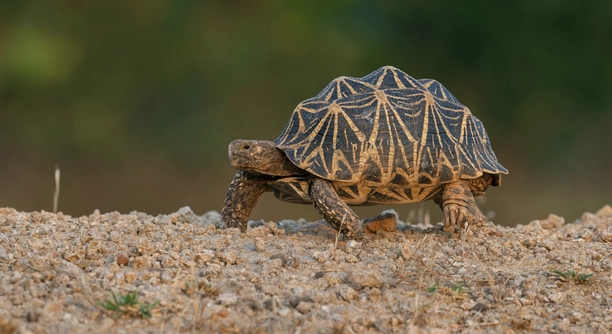
Turtles are fascinating creatures, but when their shell starts developing soft patches, it can be concerning. This issue can arise for several reasons, ranging from diet to habitat conditions.
The primary cause of soft patches on a turtle’s shell is inadequate calcium intake. A lack of calcium can result from improper diet or insufficient exposure to UVB light, both of which are essential for shell health.
Understanding the factors that affect shell health is crucial for maintaining a turtle’s well-being. This knowledge will help ensure your turtle’s shell remains strong and healthy for years to come.
Causes of Soft Patches on Your Turtle’s Shell
The main reason behind soft patches on your turtle’s shell is calcium deficiency. Turtles need calcium to keep their shells strong and firm. A diet lacking in calcium or insufficient exposure to UVB light can lead to weakened shell development. If a turtle is not getting enough of these essential nutrients, its shell may become soft and more prone to injury. Calcium is vital for bone and shell health, as it helps maintain structural integrity. Without enough, the shell cannot fully harden, resulting in soft patches.
Calcium should be provided in the turtle’s diet through foods such as leafy greens, calcium supplements, and cuttlebone.
Additionally, UVB light plays a significant role in helping turtles process calcium. Without it, even the best diet may not be enough to ensure proper shell growth. A lack of exposure to natural sunlight or a proper UVB light source can result in calcium absorption problems. If your turtle’s habitat does not have proper lighting, it can negatively impact its overall health and shell condition.
Steps to Improve Shell Health
A turtle’s shell requires proper nutrition and care. By ensuring your turtle gets enough calcium and UVB exposure, its shell should gradually improve over time. It is essential to take these steps for a healthier, stronger shell.
Diet adjustments and UVB lighting can work together to help your turtle recover from soft patches. Offering calcium-rich foods and placing your turtle under appropriate lighting will promote better shell health and stability. Keep an eye on your turtle’s shell and overall health.
Calcium and UVB Light: Key to Shell Health
Calcium plays an essential role in maintaining the strength of your turtle’s shell. Without it, your turtle’s shell may become soft and weak. UVB light is just as crucial, helping the turtle absorb calcium efficiently.
Turtles need calcium-rich foods like kale, collard greens, and calcium supplements to support their shell development. UVB lighting should be available for 10-12 hours a day, especially if your turtle is housed indoors. Proper UVB exposure allows your turtle to produce vitamin D3, which helps in calcium absorption. If either of these factors is lacking, the turtle’s shell will not develop properly.
If the turtle’s living conditions do not provide the proper lighting or calcium intake, the shell may soften. Both elements work together to ensure strong, healthy shell growth. Inadequate calcium and UVB exposure can lead to serious health problems in your turtle, making it essential to monitor both closely.
Habitat Conditions for Healthy Shells
The turtle’s environment plays a significant role in the condition of its shell. A proper habitat provides the right temperature, humidity, and lighting to support shell health.
Maintaining the right environmental conditions will ensure that your turtle is comfortable and healthy. Turtles need a basking area with temperatures between 85-90°F and a water area kept between 70-75°F. Humidity is also important, as too much dryness can lead to shell deformities. Proper habitat conditions help regulate the turtle’s metabolism and ensure it can process nutrients, like calcium, more effectively. Without these conditions, your turtle may struggle to maintain a healthy shell, which can result in soft patches.
Turtles also need access to clean, filtered water, which contributes to their overall well-being. When the habitat is well-maintained, your turtle will have a better chance of keeping its shell strong and healthy.
Monitoring Your Turtle’s Diet
A well-balanced diet is crucial for maintaining your turtle’s shell health. Without proper nutrition, the shell may not develop as it should. Calcium and vitamin D3 are key.
Feeding your turtle leafy greens, such as kale and collard greens, ensures it gets enough calcium. You can also add calcium supplements if needed. Be sure to provide variety with other foods like worms or small fish to promote overall health.
The Impact of Stress on Shell Health
Stress can have a negative impact on your turtle’s shell. It may lead to poor health and, in some cases, result in soft patches.
Turtles can become stressed due to improper living conditions, handling, or lack of space. Stress weakens the immune system and can prevent the turtle from absorbing nutrients properly. To reduce stress, ensure your turtle has a calm environment with plenty of space, proper temperature, and regular feeding.
FAQ
What causes soft patches on my turtle’s shell?
Soft patches on a turtle’s shell are primarily caused by calcium deficiency. Turtles require sufficient calcium to maintain a strong, firm shell. If their diet lacks calcium or they are not exposed to adequate UVB light, their shells can soften. Both calcium and UVB light are vital in ensuring proper shell development.
How can I improve my turtle’s shell condition?
To improve your turtle’s shell, provide a diet rich in calcium through leafy greens like kale and collard greens. You should also include calcium supplements or cuttlebone. Make sure your turtle gets proper UVB exposure, either from natural sunlight or a UVB light.
Can I fix my turtle’s shell if it’s already soft?
While soft patches may not fully heal immediately, with the proper adjustments to diet and lighting, the condition can improve over time. Be patient, as it may take several weeks or months for the shell to become firm again. Consistently providing the right conditions is key.
What is the role of UVB light for my turtle?
UVB light is essential for helping your turtle absorb calcium from its diet. Without UVB, even a calcium-rich diet will not be fully utilized, and your turtle’s shell and bones will suffer. A proper UVB bulb should be used for 10-12 hours per day.
How do I know if my turtle is getting enough calcium?
If your turtle’s shell is soft or shows signs of deformity, it may not be getting enough calcium. Monitor its diet and UVB exposure. If the shell remains soft despite dietary adjustments, consult a veterinarian to check for calcium absorption issues.
Are there any other signs that my turtle is unhealthy?
Aside from soft patches on the shell, other signs of poor health include lethargy, lack of appetite, cloudy eyes, or changes in behavior. If you notice any of these symptoms, it’s important to evaluate your turtle’s environment and diet. A vet visit can help determine if there’s an underlying issue.
Can soft patches on my turtle’s shell be a sign of a disease?
Soft patches on the shell are generally a result of poor nutrition or inadequate lighting. However, in rare cases, a bacterial or fungal infection could be present. If your turtle’s shell has soft patches that don’t improve with diet and UVB changes, consulting a vet is recommended to rule out infections.
How much UVB light does my turtle need?
Turtles need around 10-12 hours of UVB exposure daily. If your turtle is kept indoors, you’ll need to provide a UVB bulb. The bulb should be replaced every 6 months, as UVB light intensity diminishes over time. If kept outside, ensure your turtle gets safe exposure to natural sunlight.
Can stress affect my turtle’s shell health?
Yes, stress can negatively impact your turtle’s overall health, including its shell. Stress weakens the immune system and may cause your turtle to stop eating, further exacerbating nutritional deficiencies. Reducing stress involves providing a proper habitat, minimizing handling, and ensuring a stable environment.
What should I do if my turtle is not eating?
If your turtle stops eating, check its environment first. Ensure the water temperature is correct, the basking area is suitable, and that there is proper UVB light. Stress, poor diet, or health issues may also be at play. If the issue persists, seek advice from a vet.
Can I use regular light bulbs instead of UVB bulbs?
No, regular light bulbs do not emit UVB rays. Only UVB-specific bulbs provide the necessary light for turtles to process calcium effectively. Using regular light bulbs may keep the area warm, but it will not support your turtle’s calcium absorption needs.
How long does it take to see improvement in my turtle’s shell?
It can take several weeks or even months for the shell to improve once proper diet and lighting are implemented. The recovery time depends on how long the calcium deficiency or lack of UVB exposure has been present. Consistency in care will lead to gradual improvement.
Is it possible to overfeed my turtle?
Yes, overfeeding can lead to obesity and other health issues. It is important to feed your turtle the right portion sizes based on its age and size. Offer a balanced diet with varied food items and avoid excessive amounts of high-fat foods.
How can I prevent my turtle from getting soft patches in the future?
To prevent soft patches, provide a well-balanced diet with plenty of calcium, ensure adequate UVB light exposure, and maintain proper habitat conditions. Regularly check your turtle’s shell for any signs of softness or deformity. Early intervention is crucial for preventing further issues.
Can a turtle’s shell fully heal from soft patches?
While the shell may not fully return to its original state, proper care can significantly improve its condition. With time, the shell can harden again, especially if the underlying causes, such as calcium deficiency or poor UVB exposure, are addressed.
Final Thoughts
Maintaining a healthy shell for your turtle is a combination of providing proper nutrition, the right lighting, and a stress-free environment. Soft patches on the shell often signal a calcium deficiency or inadequate UVB light exposure. Both of these factors play a vital role in the development and maintenance of a strong, firm shell. By adjusting your turtle’s diet and ensuring they receive enough UVB light, you can help prevent or address soft patches and other shell-related issues.
It’s important to remember that improvement takes time. If your turtle’s shell has already started showing signs of softness, it may take several weeks or even months to see noticeable improvements. However, with patience and consistent care, the shell can become stronger. You should also monitor your turtle for any other health concerns, such as changes in appetite or behavior, as these could be linked to stress, illness, or environmental factors.
Prevention is always better than cure. To avoid soft patches in the future, continue providing a balanced diet with plenty of calcium and ensure proper UVB lighting. Regularly check your turtle’s shell for signs of weakness or soft spots, and make adjustments as needed. By maintaining a consistent routine and caring for your turtle’s environment, you can help ensure a long, healthy life for your turtle with a strong, resilient shell.

Hello,
If you enjoy the content that we create, please consider saying a "Thank You!" by leaving a tip.
Every little bit helps us continue crafting quality advice that supports the health, happiness, and well-being of pets around the world, for pets of all shapes, sizes, and species.
We really appreciate the kindness and support that you show us!