
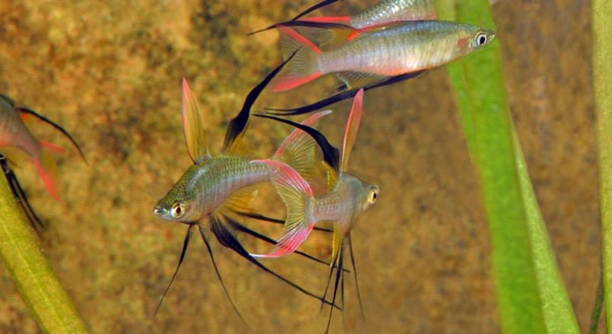
Threadfin Rainbowfish are known for their graceful movements and vibrant colors, making them a delightful addition to home aquariums. Creating a peaceful environment is essential for their well-being, allowing them to thrive without stress or aggression.
A peaceful tank for Threadfin Rainbowfish requires careful planning, proper tank size, compatible tank mates, stable water parameters, and adequate hiding spaces. Proper diet and regular maintenance further contribute to a harmonious environment, ensuring the fish remain healthy and display natural behaviors.
Following these guidelines will help you build a calm and healthy habitat for your Threadfin Rainbowfish, enhancing their beauty and overall quality of life.
Choosing the Right Tank Size
Threadfin Rainbowfish need ample space to swim freely and feel comfortable. A tank that is too small can increase stress and aggression, which may lead to health issues. For a small school of 6 to 8 fish, a minimum of 30 gallons is recommended. A larger tank allows the fish to establish territories and reduces the likelihood of bullying among tank mates. Additionally, a spacious tank makes it easier to maintain water quality, which is crucial for these sensitive fish. Vertical space matters less than horizontal swimming room because Threadfin Rainbowfish are active mid-to-top swimmers. Aquascaping with open swimming areas combined with shaded spots or plants creates balance. Plants like Java fern or Vallisneria work well without restricting swimming space. Proper filtration ensures clean, oxygen-rich water, supporting their vitality. Regular monitoring of water parameters, including pH, temperature, and hardness, helps maintain a stable and peaceful environment. This preparation gives the fish a healthy, stress-free habitat.
A larger tank not only accommodates their swimming needs but also makes maintaining stable water parameters easier.
Providing adequate space allows the fish to interact naturally. It reduces conflicts, encourages schooling behavior, and enhances their vibrant colors. A roomy tank helps prevent overcrowding, promoting a calm, visually appealing environment where the Threadfin Rainbowfish can thrive and display natural patterns.
Selecting Compatible Tank Mates
Choosing compatible tank mates is essential for a peaceful aquarium. Avoid aggressive or fin-nipping species that could stress Threadfin Rainbowfish.
Small, non-aggressive schooling fish like danios, tetras, or peaceful rasboras complement their behavior. Introducing tank mates gradually while monitoring interactions ensures harmony. Avoid large or territorial species that may dominate or intimidate them. Spawning behavior can also be affected if tank mates are disruptive, so a calm environment supports natural reproduction. Consider fish that occupy different levels in the tank, as Threadfin Rainbowfish typically swim in the mid-to-upper areas. Compatibility reduces stress and promotes social schooling, allowing all fish to flourish. A balanced number of individuals for each species prevents overcrowding and ensures everyone has space. This strategy helps maintain peaceful interactions and prevents territorial disputes. Consistent observation during the first few weeks is important to confirm that no aggression occurs. Healthy water conditions and a structured aquascape with hiding spots further aid in peaceful coexistence, supporting the fish’s overall vitality and well-being.
Proper tank mate selection enhances the harmony of the aquarium, creating a calm and active environment.
Monitoring behavior and adjusting stocking levels when necessary ensures long-term peace. Peaceful tank mates encourage schooling, reduce stress, and allow the fish to display natural activity. Careful planning and observation prevent conflicts and maintain a balanced, stable aquarium environment.
Maintaining Stable Water Conditions
Stable water conditions are essential for Threadfin Rainbowfish health. Sudden changes in temperature, pH, or hardness can stress them, causing illness or aggression.
Regular water testing helps track key parameters. Ideal temperature ranges from 74–78°F, pH should be 6.5–7.5, and hardness kept moderate. Consistent partial water changes prevent harmful buildup of nitrates and maintain clarity. Using a reliable heater and filter supports stability. Avoid adding chemicals unnecessarily, as these can disrupt natural balance. Proper circulation and aeration ensure oxygenation, which helps fish remain active and stress-free. Consistency in water conditions reduces behavioral issues and promotes vibrant colors.
Monitoring changes in water clarity, fish behavior, and appetite provides insight into overall tank health. Keeping the environment consistent ensures the fish thrive and minimizes disease risk.
Good filtration, gentle flow, and stable chemistry encourage natural activity, schooling, and feeding patterns. These measures create a safe, peaceful habitat for the fish to flourish over time.
Providing Hiding Spots and Decorations
Hiding spots reduce stress by giving Threadfin Rainbowfish places to retreat when needed. Plants, rocks, and driftwood create safe spaces.
Live plants like Anubias or Cryptocoryne provide cover without overcrowding. Driftwood and smooth rocks add structure, allowing fish to feel secure. Position decorations to create open swimming areas while still offering shelter. Avoid sharp or rough surfaces to prevent injury. Floating plants can diffuse light, adding comfort and reducing stress. Dense decorations in one area should be balanced with open space for swimming. Observing fish behavior will help determine if more cover is needed. Strategic placement encourages natural schooling and reduces territorial disputes.
Combining open areas with structured hiding spots improves both aesthetic and function. This setup allows the fish to explore freely while having retreats, promoting calm, confident behavior throughout the tank.
Decorations also enhance water quality by providing surfaces for beneficial bacteria. These surfaces aid in biological filtration and maintain tank health, contributing to a stable and peaceful environment for Threadfin Rainbowfish.
Choosing the Right Substrate
A soft, fine substrate like sand or smooth gravel prevents injuries to Threadfin Rainbowfish. Avoid sharp or coarse materials that can damage fins or stress the fish.
Light-colored substrates help highlight their vibrant colors while providing a natural look. Substrate also supports plant growth, enhancing hiding spaces and contributing to a peaceful environment.
Feeding a Balanced Diet
Threadfin Rainbowfish require a varied diet to stay healthy and active. A combination of high-quality flakes, pellets, and occasional live or frozen foods ensures proper nutrition. Feeding small portions multiple times daily prevents overfeeding and maintains water quality. Consistent feeding schedules support natural behavior and vibrant colors.
Maintaining Proper Lighting
Moderate lighting mimics natural conditions and helps plants thrive. Avoid overly bright lights that may stress the fish or encourage algae growth.
FAQ
How often should I change the water in my Threadfin Rainbowfish tank?
Water changes are essential to maintain a healthy and peaceful tank. For a standard setup, performing a 20–30% water change weekly helps remove nitrates and other waste. Smaller, more frequent changes can also work well, especially in densely stocked tanks. Consistency is key, as sudden or large changes may stress the fish. Always treat tap water with a dechlorinator before adding it to the tank, and match the new water’s temperature and pH to the existing tank conditions to avoid shock. Monitoring water quality during changes ensures that the fish remain healthy and active.
What is the ideal temperature for Threadfin Rainbowfish?
Threadfin Rainbowfish thrive in a temperature range of 74–78°F (23–26°C). Consistent temperatures prevent stress and support their immune system. Using a reliable heater with a thermostat helps maintain a stable environment. Sudden fluctuations can lead to illness or unusual behavior, so regular monitoring is recommended. Avoid placing the tank near windows, air vents, or direct sunlight, as this can cause temperature swings.
Can Threadfin Rainbowfish live with other fish?
Yes, they can live with other peaceful species. Ideal companions include small tetras, rasboras, danios, and other non-aggressive fish. Avoid large or territorial fish that may intimidate or harm them. Introducing new tank mates gradually while observing interactions reduces conflict. Maintaining open swimming areas and hiding spots also supports peaceful coexistence. Overcrowding should be avoided, as it can increase stress and aggression. Proper stocking and careful observation help maintain harmony in the tank.
What should I feed my Threadfin Rainbowfish?
They require a balanced diet of high-quality flakes or pellets, supplemented with frozen or live foods like brine shrimp, daphnia, or bloodworms. Feeding small portions two to three times a day helps prevent overfeeding and keeps water quality stable. Observing their appetite ensures they receive adequate nutrition without leftovers that can decay in the tank. A varied diet supports growth, color vibrancy, and overall health.
How do I encourage natural schooling behavior?
Threadfin Rainbowfish are schooling fish and feel safest in groups of at least six. Maintaining a consistent group allows them to exhibit natural behavior, reduces stress, and decreases aggression. Open swimming areas combined with scattered plants or decorations encourage coordinated movement. Avoid isolating individuals, as loneliness may lead to hiding, decreased activity, or increased stress. Watching their interactions helps ensure all fish are included in the school.
How do I prevent fin damage or stress?
Avoid sharp decorations, rough substrate, or aggressive tank mates. Providing soft gravel or sand, smooth rocks, and gentle plants minimizes risk of injury. Stable water conditions, proper lighting, and consistent feeding routines reduce stress. Observing fish regularly allows early detection of signs of fin damage or illness. Keeping the tank peaceful and structured ensures that the fish remain healthy and confident.
How do I maintain water quality in a Threadfin Rainbowfish tank?
Regular filtration, weekly partial water changes, and monitoring pH, hardness, and temperature are essential. Remove uneaten food and debris to prevent ammonia spikes. Using live plants can improve biological filtration. Avoid overcrowding and maintain consistent feeding schedules to minimize water pollution. Testing water parameters helps detect potential problems early, ensuring a stable and stress-free environment for the fish.
Can Threadfin Rainbowfish breed in a home aquarium?
Yes, they can breed in captivity with proper conditions. A slightly acidic to neutral pH, soft water, and stable temperature encourage spawning. Provide fine-leaved plants or spawning mops for egg-laying. Remove adults after eggs are laid to prevent predation. Feed high-quality live or frozen foods to condition the breeding pair. Patience and careful monitoring increase success rates, supporting natural reproduction in a peaceful tank environment.
How long do Threadfin Rainbowfish typically live?
With proper care, they can live 5–8 years. Stable water conditions, a balanced diet, compatible tank mates, and a stress-free environment contribute to longevity. Regular monitoring of health and behavior ensures early intervention for potential issues. Providing a well-maintained tank supports their vibrant colors and active swimming, helping them reach full lifespan potential.
What signs indicate my Threadfin Rainbowfish are stressed?
Stress indicators include hiding frequently, loss of appetite, faded coloration, erratic swimming, or aggression. These may result from poor water quality, sudden temperature changes, overcrowding, or incompatible tank mates. Identifying the cause and correcting it—such as improving water conditions or adjusting tank layout—reduces stress. Ensuring stable conditions, proper diet, and adequate space promotes calm and healthy behavior.
How do I maintain a peaceful environment over time?
Regular maintenance, careful monitoring, and mindful stocking decisions are key. Keep water parameters consistent, provide enough space and hiding spots, and choose compatible tank mates. Avoid overfeeding and remove uneaten food promptly. Observing fish behavior ensures potential conflicts are addressed quickly. Routine attention supports a stable, stress-free habitat where Threadfin Rainbowfish can thrive for years.
This FAQ covers common concerns and practical tips for keeping Threadfin Rainbowfish healthy, active, and peaceful in a home aquarium, providing a reliable reference for long-term care.
Final Thoughts
Creating a peaceful tank for Threadfin Rainbowfish requires careful planning and attention to detail. Providing enough space is essential because these fish are active swimmers that need room to move freely. A minimum tank size of 30 gallons for a small school helps prevent overcrowding and reduces stress. Proper tank size also allows water parameters to remain stable, which is crucial for their health. Open swimming areas combined with hiding spots create a balanced environment. Plants, rocks, and driftwood provide shelter without restricting movement, and floating plants can diffuse light to reduce stress. Choosing smooth substrates like sand or fine gravel prevents injuries, and decorations should avoid sharp edges. The goal is to create a safe, comfortable habitat where Threadfin Rainbowfish can thrive, school naturally, and display their vibrant colors without interference.
Maintaining water quality is a key aspect of a peaceful aquarium. Regular partial water changes, consistent filtration, and monitoring pH, temperature, and hardness keep the environment stable. Sudden fluctuations in these parameters can stress the fish and lead to illness or aggression. Feeding should be consistent and varied, with a combination of high-quality flakes, pellets, and occasional frozen or live foods to meet nutritional needs. Overfeeding should be avoided, as uneaten food can pollute the water and affect the tank’s balance. Observing the fish daily helps catch early signs of stress or illness. Compatible tank mates and a structured aquascape prevent territorial disputes, allowing the fish to interact naturally and maintain a calm environment. By focusing on these core aspects, the tank becomes a place where the fish feel secure and remain active and healthy.
Long-term care involves patience and consistent effort. Threadfin Rainbowfish can live for 5–8 years in a well-maintained tank, showing their full potential in both behavior and coloration. Avoiding overcrowding, maintaining stable conditions, and providing adequate nutrition are critical for their longevity. Proper attention to detail, from selecting tank mates to arranging plants and decorations, contributes to a harmonious environment. Observing how the fish behave over time offers insights into their comfort levels and allows adjustments to be made when necessary. While creating and maintaining a peaceful tank requires work, the result is a vibrant, active, and visually appealing aquarium. Following these steps ensures Threadfin Rainbowfish remain healthy, stress-free, and able to display their natural beauty for years to come.

Hello,
If you enjoy the content that we create, please consider saying a "Thank You!" by leaving a tip.
Every little bit helps us continue crafting quality advice that supports the health, happiness, and well-being of pets around the world, for pets of all shapes, sizes, and species.
We really appreciate the kindness and support that you show us!