
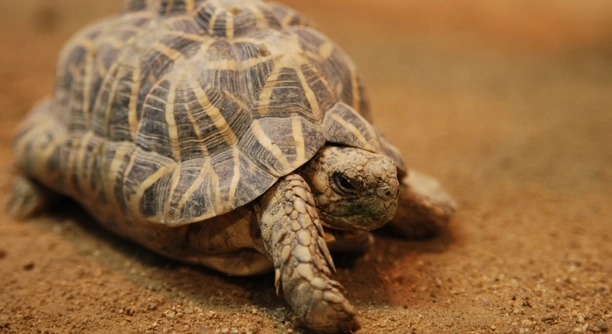
Turtles are fascinating creatures, and if you’re lucky enough to have one as a pet, you want to make sure its shell stays healthy. A strong, smooth shell is essential for your turtle’s well-being.
To keep your turtle’s shell healthy, provide it with proper diet, basking opportunities, and appropriate environmental conditions. Regular shell maintenance, protection from harmful substances, and consistent hydration are also key factors to prevent shell issues.
Taking a few simple steps can ensure your turtle enjoys a long, healthy life with a beautiful shell. Learn how to provide the best care for your pet’s shell health here.
Provide a Proper Diet
A healthy diet is crucial for your turtle’s shell health. Turtles are omnivores, so they need a balanced mix of plants and protein. Feeding them high-quality commercial turtle food can be a great start, but supplementing their diet with fresh vegetables and occasional animal protein ensures they get the nutrients they need. Calcium is particularly important for shell development, so offering foods like kale, dandelion greens, and calcium-rich supplements will strengthen their shells. It’s also important to avoid overfeeding, as an unhealthy diet can lead to shell deformities or other health problems.
Your turtle’s diet should include a mix of plant-based foods and proteins. Make sure to provide calcium-rich options to keep the shell strong. Too much food can lead to unhealthy growth, so feed in moderation.
It’s also worth noting that different types of turtles have slightly different dietary needs. For instance, aquatic turtles may need more protein-rich foods like worms and fish, while land turtles prefer leafy greens and vegetables. Research your turtle’s specific species to create the most balanced diet for them. Make sure to offer fresh water at all times to keep them hydrated, as dehydration can also affect shell health.
Ensure Proper Basking Conditions
Basking is a crucial part of shell health. When your turtle basks under a heat source, it helps with digestion, shell development, and overall well-being. Without proper basking, your turtle may develop weak bones or shell deformities. Turtles need a warm, dry area with access to UVB light. UVB rays are essential for the production of vitamin D3, which helps them absorb calcium. This is particularly important for young turtles whose shells are still developing. Ensure the basking area is set up with the right temperature and lighting, and make sure your turtle has enough time to bask.
To create a proper basking spot, make sure the area is warm and well-lit. UVB lighting is essential for shell health. Adjust the temperature to match your turtle’s species requirements. Proper basking will help with calcium absorption.
An important tip is to monitor your turtle’s behavior while basking. If they seem to be avoiding the basking area or if they’re not basking long enough, there might be an issue with the setup. Make adjustments to the temperature or UVB light intensity. Over time, proper basking will result in a stronger and healthier shell. Turtles rely on natural sunlight, so if possible, take your turtle outside for some natural basking time, but be sure to supervise them.
Keep Your Turtle’s Shell Clean
A clean shell is vital for your turtle’s health and overall well-being. Over time, algae, dirt, and waste can build up on their shells, which can lead to infections or shell rot. Regularly cleaning your turtle’s shell will help prevent these issues. You can gently scrub the shell with a soft brush and warm water. Avoid using harsh chemicals or soaps, as they can harm your turtle. Additionally, make sure to clean your turtle’s habitat often to avoid the buildup of waste and bacteria.
Regular shell cleaning is key to preventing infections. Avoid harsh soaps, and use warm water and a soft brush. A clean environment helps keep your turtle healthy.
Shell cleaning should be done as part of your routine care. A clean shell is less likely to attract harmful bacteria or fungus that can cause serious health problems. Always check for any signs of damage, such as cracks or soft spots, while cleaning. If you notice any issues, consult with a vet. In addition to shell cleaning, make sure the tank water is also clean. Turtles spend a lot of time in the water, and a clean environment will reduce stress and promote overall health.
Protect from Harmful Substances
Turtles are sensitive to harmful chemicals and pollutants that can affect their shell health. Avoid exposing them to cleaning products, pesticides, or toxic plants that could cause irritation or damage. Even the water they live in should be free of chemicals. Use non-toxic cleaners for their tank and habitat.
Keep their environment clean, and ensure that any materials, such as bedding or plants, are safe for turtles. Be cautious when introducing new items to their space, as certain plants and materials can be harmful. Always verify the safety of anything your turtle might come into contact with.
In addition to water safety, it’s essential to monitor the surroundings where your turtle roams. If your turtle has access to an outdoor space, make sure it is free from pesticides or any other harmful substances. Always wash your hands before handling your turtle, as residues on your hands can transfer to their shell. Protection from harmful substances ensures that your turtle’s shell remains intact and healthy, allowing them to thrive in a safe environment.
Maintain Proper Hydration
Hydration plays an important role in keeping your turtle’s shell healthy. Make sure they have access to clean water at all times. Turtles, especially aquatic ones, need plenty of water to help with digestion and to keep their skin and shell in good condition. Dehydration can lead to shell problems.
Provide fresh, clean water daily. If you have an aquatic turtle, maintain the water temperature and cleanliness, as they will spend a lot of time in it. If your turtle is land-dwelling, a shallow water dish that they can easily access is necessary for proper hydration. Hydrated turtles are healthier overall.
In addition to fresh water, some turtles also enjoy soaking in a shallow dish of water to hydrate their bodies. Soaking helps them stay hydrated, particularly during warmer months when they may lose moisture more quickly. Be sure the water is clean and not too deep. This simple step can go a long way in preventing health issues. Proper hydration will help ensure your turtle’s shell stays smooth and strong over time.
Regularly Check for Shell Damage
Inspect your turtle’s shell regularly for cracks, soft spots, or signs of infection. Minor issues can quickly turn into bigger problems if left untreated. Look for discoloration, unusual texture, or scabbing. Early detection is key to preventing further harm to their shell.
If you notice any signs of shell damage, address it immediately. Infections can spread quickly, and untreated wounds can worsen over time. Depending on the severity, you might need to visit a vet for proper treatment. Regular checks will help catch problems early and keep your turtle healthy.
Pay attention to how your turtle behaves. If they seem lethargic or are having trouble moving, it could be a sign of shell or bone problems. Ensure their environment is clean and free of hazards that might cause injury. This proactive approach will ensure your turtle’s shell stays in optimal condition.
Provide a Safe Environment
A safe environment is essential to maintaining your turtle’s shell health. Avoid overcrowding the tank, as too many turtles can lead to stress and injury. Ensure they have enough space to swim, bask, and roam freely.
Create a suitable habitat with proper hiding spots and gentle tankmates. Overcrowding or aggressive tankmates can stress your turtle, weakening their shell. Providing a calm, secure environment will help them stay healthy and avoid shell damage. A proper enclosure promotes both mental and physical well-being.
Additionally, make sure the tank has proper filtration to keep the water clean. Dirty water can cause skin and shell problems. Regularly clean the tank and change the water to prevent the buildup of bacteria. A safe and clean environment reduces stress and supports your turtle’s overall health.
FAQ
How can I tell if my turtle’s shell is unhealthy?
Signs of an unhealthy shell include cracks, softness, discoloration, or unusual texture. If you notice a cloudy or flaky shell, or if the turtle is reluctant to move, these could be signs of infection or shell rot. Regular checks will help you spot issues early and prevent further damage.
What should I do if my turtle’s shell is cracked?
If your turtle’s shell is cracked, you should clean the area carefully to avoid infection. Depending on the severity of the crack, you may need to take them to a veterinarian for treatment. For minor cracks, the vet may apply a special shell glue to seal it. Make sure the turtle is kept in a clean, stress-free environment to promote healing.
Can I use regular aquarium decorations in my turtle’s tank?
Not all decorations are safe for turtles. Avoid sharp or rough materials, as they can scratch your turtle’s shell. Make sure any rocks, plants, or toys are smooth and non-toxic. Regularly check for any items that could have become worn down or broken, as these could pose a hazard to your turtle.
How often should I clean my turtle’s shell?
You should clean your turtle’s shell at least once a week. Use a soft brush and warm water to remove any dirt or algae. Be gentle to avoid damaging the shell. Regular cleaning will help prevent infections and keep the shell healthy, as well as reduce the buildup of harmful bacteria.
Is UVB light necessary for my turtle’s shell health?
Yes, UVB light is essential for your turtle’s shell health. It helps your turtle produce vitamin D3, which is needed for calcium absorption. Without UVB light, your turtle may develop soft or deformed shells. Make sure to provide a proper UVB lamp for 10-12 hours a day, and replace the bulb as needed.
How can I prevent shell rot in my turtle?
To prevent shell rot, keep your turtle’s living environment clean and dry. Regularly change the water, remove waste, and scrub the tank. Make sure your turtle has a clean basking spot to dry off. Also, ensure that your turtle is eating a balanced diet rich in calcium to maintain a strong shell.
What kind of food is best for my turtle’s shell health?
A balanced diet of vegetables, fruits, and proteins is essential for shell health. Leafy greens like kale, collard greens, and dandelion are good sources of calcium, which is vital for strong shells. You can also offer high-quality turtle pellets, fish, and small amounts of fruits as treats. Avoid overfeeding to prevent obesity, which can cause health problems.
Should I let my turtle swim in untreated water?
No, it’s important to avoid letting your turtle swim in untreated water. Dirty or contaminated water can introduce harmful bacteria and parasites, which could lead to shell infections or other health issues. Always ensure that the water is filtered and clean, and test the water regularly for toxins.
How do I set up the proper basking spot for my turtle?
Your turtle needs a dry, elevated area where it can bask under a heat source. The temperature of the basking spot should be between 85-95°F (29-35°C), depending on the species. A UVB light is also necessary for shell health. Ensure that your turtle has access to this area for at least 8-12 hours a day.
Why is my turtle’s shell turning soft?
A soft shell is often a sign of calcium deficiency. This can happen if your turtle isn’t getting enough calcium in its diet or if it’s not basking enough under UVB light. You should immediately adjust the diet, provide proper UVB lighting, and consider adding calcium supplements. If the problem persists, consult a veterinarian.
Can I take my turtle outside to bask?
Yes, taking your turtle outside to bask in natural sunlight is a great idea. Sunlight provides both heat and UVB light, which are essential for shell health. However, always supervise your turtle and make sure it’s in a safe, secure area where it can’t escape or be harmed by predators.
What is the best temperature for my turtle’s tank?
The water temperature for most aquatic turtles should be between 75-80°F (24-27°C). The basking area should be around 85-95°F (29-35°C). If the water is too cold, your turtle may not digest its food properly, and if it’s too warm, it can stress the turtle. Always monitor the temperature regularly.
How can I prevent my turtle from being stressed?
Stress can affect your turtle’s overall health, including its shell. To prevent stress, ensure that the tank is large enough, the water is clean, and the temperature is ideal. Avoid sudden changes in the environment and limit the number of tankmates. A calm, stable environment is key to a healthy turtle.
Can my turtle’s shell get too dry?
Yes, excessive dryness can cause your turtle’s shell to become brittle or cracked. Make sure your turtle has access to water at all times. Even if your turtle is a land species, it should still have access to a shallow dish of water to drink and soak in. Proper hydration helps maintain the integrity of the shell.
How do I keep my turtle’s tank clean?
To keep the tank clean, perform regular water changes of 25-50% every week. Use a high-quality filter to keep the water clear and free of waste. Scrub the tank and decorations with a soft brush to remove algae and dirt. A clean environment is essential for your turtle’s shell and overall health.
What should I do if my turtle seems lethargic?
Lethargy can be a sign of illness, stress, or improper living conditions. If your turtle is lethargic, check the water temperature, lighting, and tank conditions. If everything is correct and your turtle continues to be lethargic, take them to a vet for a proper diagnosis. Early intervention is important for recovery.
How do I know if my turtle has shell rot?
Shell rot usually appears as soft, discolored, or foul-smelling patches on the shell. If your turtle has soft spots, a green or brownish discoloration, or is acting strangely, it could have shell rot. It’s important to take your turtle to a vet for proper treatment if you suspect shell rot.
Is it okay to handle my turtle often?
While it’s okay to handle your turtle occasionally, avoid excessive handling. Turtles can become stressed if they are frequently taken out of their environment. When you do handle them, be gentle and avoid dropping them or causing any sudden movements. Handling should be limited to necessary interactions, such as cleaning or health checks.
Why does my turtle keep scratching its shell?
Scratching can be a sign that your turtle is trying to clean itself or stretch. However, if you notice excessive scratching or rubbing, it may indicate that something is wrong. Check for irritants in the tank, such as rough surfaces or parasites. If the behavior persists, consult a veterinarian.
Final Thoughts
Taking care of your turtle’s shell health is a key part of maintaining its overall well-being. A healthy shell is not just important for looks, but it also protects your turtle from injury and infection. By focusing on proper diet, hydration, and environmental care, you can help your turtle thrive. Regular shell checks, safe basking conditions, and a clean tank are essential. These steps, though simple, can make a big difference in your turtle’s life and shell health.
It’s important to remember that turtles are unique creatures with their own specific needs, depending on their species. While some turtles may need more aquatic environments, others may need more land space. Understanding what your particular turtle requires will help you provide the best care possible. Always observe your turtle for signs of stress or health issues, and don’t hesitate to seek professional help if needed. Regular vet visits are also a good way to ensure your turtle stays healthy.
In the end, taking a proactive approach to your turtle’s care can help prevent many common health problems, including shell deformities or infections. A well-maintained environment, a balanced diet, and plenty of attention will go a long way in keeping your turtle’s shell healthy and strong. With the right care, your turtle will continue to live a happy and healthy life. It’s all about keeping a watchful eye and making small adjustments to create the best possible living space for your turtle.

Hello,
If you enjoy the content that we create, please consider saying a "Thank You!" by leaving a tip.
Every little bit helps us continue crafting quality advice that supports the health, happiness, and well-being of pets around the world, for pets of all shapes, sizes, and species.
We really appreciate the kindness and support that you show us!