
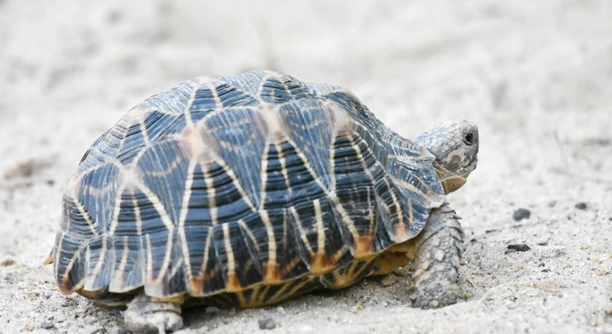
Turtles are fascinating creatures with unique behaviors, but sometimes, their actions may leave us scratching our heads. One common behavior is rubbing their head against the glass of their tank.
Head rubbing in turtles is often a sign of frustration or an attempt to get attention. It may indicate that your turtle is bored, stressed, or feels confined in its environment. Other causes may include health concerns or even mating behavior.
Understanding why your turtle rubs its head can help improve its living conditions. We’ll discuss potential causes, what you can do, and how to ensure your turtle stays happy and healthy.
Common Causes of Head Rubbing in Turtles
Turtles rubbing their heads on the glass can happen for several reasons. Sometimes, it’s a simple sign that your turtle is bored or looking for a way out of its tank. This behavior often happens when they are confined to an environment that feels too small or unengaging. When turtles are not mentally stimulated, they may try to get attention by rubbing their heads against the glass or walls of their tank.
Another possibility is that your turtle feels stressed in its environment. It may be reacting to factors like improper water temperature, lighting, or even an overcrowded tank. Stress can cause repetitive actions like head rubbing as the turtle tries to communicate its discomfort.
If this behavior continues, it’s a good idea to check your turtle’s habitat. Ensuring the right tank setup is key to preventing frustration and promoting your turtle’s well-being.
Physical Health Issues
Turtles sometimes rub their heads if they are dealing with health issues. For example, a turtle with an eye or skin infection might scratch at its face as a response to discomfort.
Eye infections are particularly common in aquatic turtles and can lead to symptoms like swelling, discharge, and redness. This could cause your turtle to rub its head against the glass as it tries to relieve irritation. Other health concerns like shell rot or parasites might also result in abnormal behaviors, including head rubbing.
If your turtle’s behavior seems unusual or persists, it’s important to consult a veterinarian. A professional can identify any underlying health problems that may be contributing to the head-rubbing behavior. Early intervention can prevent more serious issues and ensure your turtle’s comfort.
Boredom and Lack of Stimulation
If your turtle isn’t getting enough stimulation, it may resort to rubbing its head on the glass. Turtles need mental and physical activities to keep them engaged. Without access to enrichment, such as hiding spots or toys, they can become frustrated.
You might notice this more in younger turtles who are still active and curious. Offering objects like rocks, plants, or floating logs can encourage natural behaviors. Regular interaction and adding new things to the tank can help combat boredom. If your turtle has a large enough space to swim and explore, it’s less likely to focus on repetitive actions like head rubbing.
If you keep your turtle in a small or plain tank, consider upgrading its environment. Providing extra space and things to interact with can make a big difference in its behavior and overall well-being.
Tank Size and Environment
The size of your turtle’s tank plays a major role in its happiness. A tank that’s too small can make your turtle feel cramped, leading to stress and frustration. Turtles need enough space to move around, dive, and explore.
If the tank is crowded, your turtle may feel trapped and resort to rubbing its head on the glass. Larger tanks are better, as they allow your turtle to swim freely and display more natural behaviors. Adding plants, rocks, and hiding spots can give your turtle places to explore, reducing the chances of head rubbing.
It’s also important to maintain a clean and healthy environment. Check water quality, temperature, and filtration systems regularly. Clean water and a stable environment can go a long way in preventing stress-related behaviors.
Mating Behavior
Sometimes, head rubbing is part of a turtle’s mating behavior. Male turtles, in particular, may exhibit this action when they are trying to attract a female or assert dominance. It can seem strange, but it’s just part of their natural instincts.
If your turtle is in the breeding season, this behavior could be linked to the search for a mate. While this isn’t always a problem, it’s important to make sure that both male and female turtles are kept in the right conditions. If your tank is too small, it can lead to unnecessary stress for both turtles.
Stress from Tankmates
Having multiple turtles or other animals in a small tank can also cause stress, leading to head rubbing. Turtles can be territorial, and competition for space or food may make them anxious. If your turtle feels crowded, it may try to express its discomfort.
Try to ensure that each turtle has enough room and access to food. If the behavior continues, you might need to separate the turtles or reduce the number of animals in the tank. This will help reduce stress and encourage healthier behavior.
FAQ
Why does my turtle rub its head against the glass?
Head rubbing is often a sign that your turtle is bored, stressed, or frustrated. If your turtle’s tank is too small or lacks enrichment, it may start rubbing its head against the glass in search of something to do. It could also be trying to communicate its discomfort or dissatisfaction with the current environment. Check the size of the tank, water quality, and temperature to ensure everything is optimal for your turtle.
Can rubbing its head on the glass be a sign of illness?
Yes, head rubbing can be a symptom of health issues, such as eye or skin infections. Turtles may scratch at their face or head to alleviate discomfort caused by irritation. If your turtle has any other signs of illness, such as swelling, discharge, or unusual behavior, it’s important to consult a veterinarian. Catching health problems early can prevent more serious conditions down the road.
How can I prevent my turtle from rubbing its head on the glass?
Providing an enriched environment is key. Ensure your turtle’s tank is large enough for it to move freely and explore. Add items like rocks, logs, or plants to give your turtle something to interact with. A clean tank with proper lighting and temperature is also essential for a healthy habitat. If the tank size and environment are appropriate, your turtle is less likely to engage in repetitive behaviors like head rubbing.
Could my turtle be stressed? How can I reduce stress?
Yes, stress is a common cause of head rubbing. It can occur from overcrowding, a dirty tank, improper water conditions, or even changes in the environment. To reduce stress, ensure your turtle has enough space to swim and hide. Keep the water clean, check the temperature regularly, and avoid sudden changes in their environment. If there are other turtles or animals in the tank, make sure there’s no competition for food or space.
What’s the best tank size for my turtle?
The size of your turtle’s tank is crucial for its well-being. As a general rule, you should provide at least 10 gallons of water for every inch of your turtle’s shell length. A 40-gallon tank is usually sufficient for small to medium-sized turtles. Larger turtles, however, will need even bigger tanks. Make sure the tank allows for swimming, basking, and some hiding spaces.
Should I add tank mates for my turtle?
It depends on the species and the turtle’s temperament. Some turtles do well with tank mates, while others are territorial and may become stressed in the presence of other animals. If you do decide to add tank mates, make sure they are compatible with your turtle’s size and temperament. Always monitor interactions closely to ensure there’s no aggression or stress.
How can I tell if my turtle is unhappy?
Unhappy turtles might show signs of stress such as head rubbing, lack of appetite, swimming in circles, or hiding more than usual. A sudden change in behavior is often a sign that something is wrong with the environment or the turtle’s health. If your turtle seems lethargic or aggressive, it’s a good idea to check the tank conditions or consult a vet.
Can temperature affect my turtle’s behavior?
Yes, water temperature plays a major role in your turtle’s health and behavior. If the water is too cold, your turtle might become sluggish and less active. On the other hand, water that’s too warm can cause stress. Make sure your turtle’s habitat has a heat source that keeps the water temperature within a safe range. A basking area should also be available for your turtle to regulate its body temperature.
How often should I clean my turtle’s tank?
Cleaning your turtle’s tank is essential for maintaining a healthy environment. You should clean the tank thoroughly every 2-3 weeks, depending on the size of the tank and the number of turtles. At the very least, remove uneaten food and waste daily to keep the water clean. Also, be sure to change a portion of the water regularly to prevent the buildup of toxins.
What can I do if my turtle is constantly rubbing its head?
If head rubbing becomes a persistent behavior, take a look at the turtle’s environment. Check for factors such as tank size, water conditions, and potential health issues. If the issue is stress or boredom, adding enrichment or upgrading the tank size can help. If the behavior persists despite improvements, consult a vet to rule out any health problems.
Final Thoughts
When your turtle keeps rubbing its head on the glass, it can be a sign of various factors at play. It could be something as simple as boredom, where your turtle doesn’t have enough to do in its environment. Turtles are curious and active animals, so it’s important to provide them with enough space and enrichment. Adding rocks, plants, or other items to their tank can help keep them engaged and reduce the urge to rub their heads.
However, it’s also possible that head rubbing could be a sign of stress. Turtles are sensitive creatures, and if their tank is overcrowded, too small, or the water conditions are off, they may act out in ways like head rubbing. Stress can also come from a lack of hiding spots or not having enough food or territory. Ensuring that your turtle has a healthy, clean environment with proper lighting and temperature can make a huge difference. If the stress is reduced, this repetitive behavior may stop.
Lastly, health problems should not be ruled out. If your turtle is showing other signs of illness like swelling, discharge, or lethargy, head rubbing may be a symptom of a more serious issue. In this case, it’s crucial to get your turtle checked by a vet to address any potential infections or injuries. By understanding the root cause of this behavior, you can help improve your turtle’s quality of life, whether it’s through environmental changes or medical care.

Hello,
If you enjoy the content that we create, please consider saying a "Thank You!" by leaving a tip.
Every little bit helps us continue crafting quality advice that supports the health, happiness, and well-being of pets around the world, for pets of all shapes, sizes, and species.
We really appreciate the kindness and support that you show us!